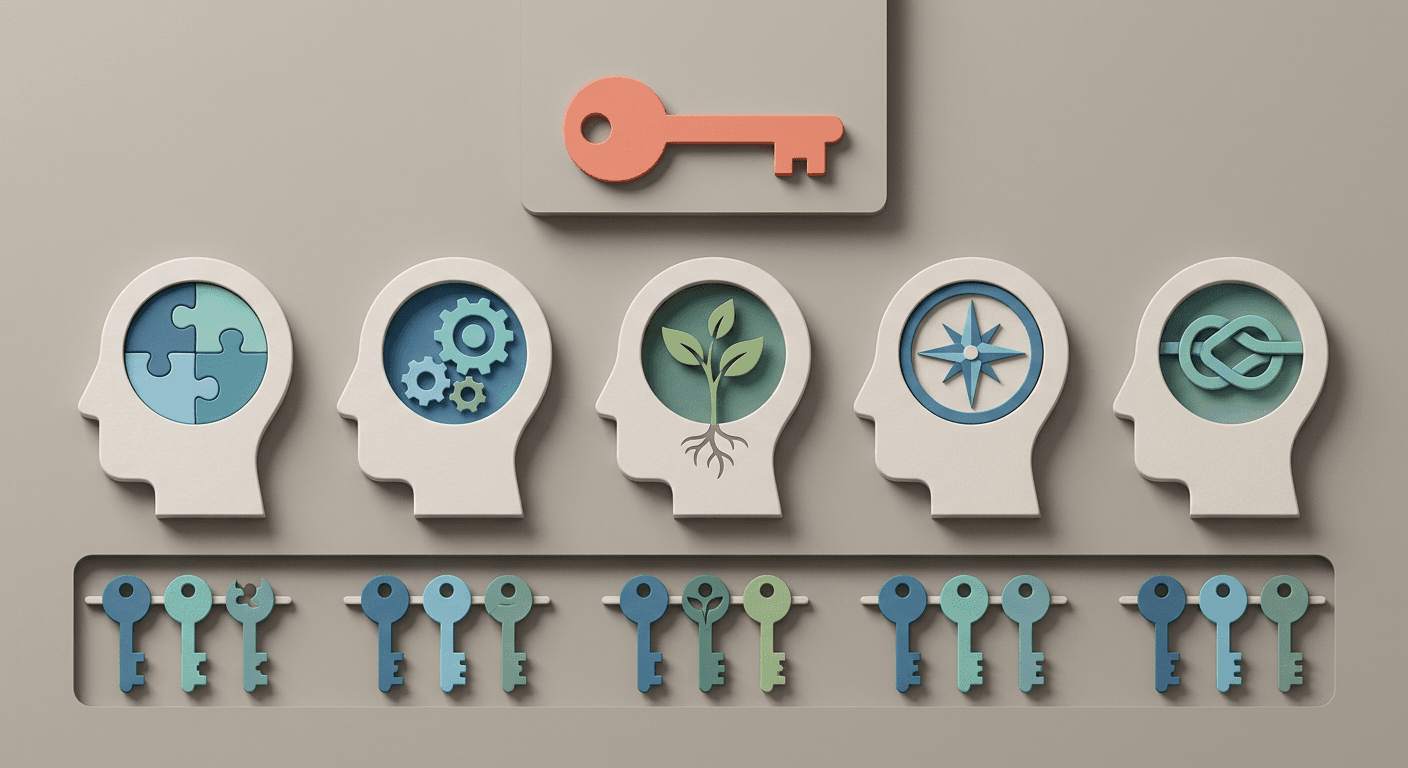

Optimism is not denial
When people say "stay optimistic," it can sound like a request to ignore what is happening. Psychologically, optimism is closer to this: you expect that something you do can still help.
That expectation is the point. If you believe there is no workable path forward, you disengage. If you believe there might be one, you keep looking, you keep acting, and you recover faster when things go wrong.
Resilience is not a personality badge. It is what happens when your mind and body absorb stress, regain balance, and reenter life with enough energy to try again. Optimism supports that cycle.
Why optimism helps resilience
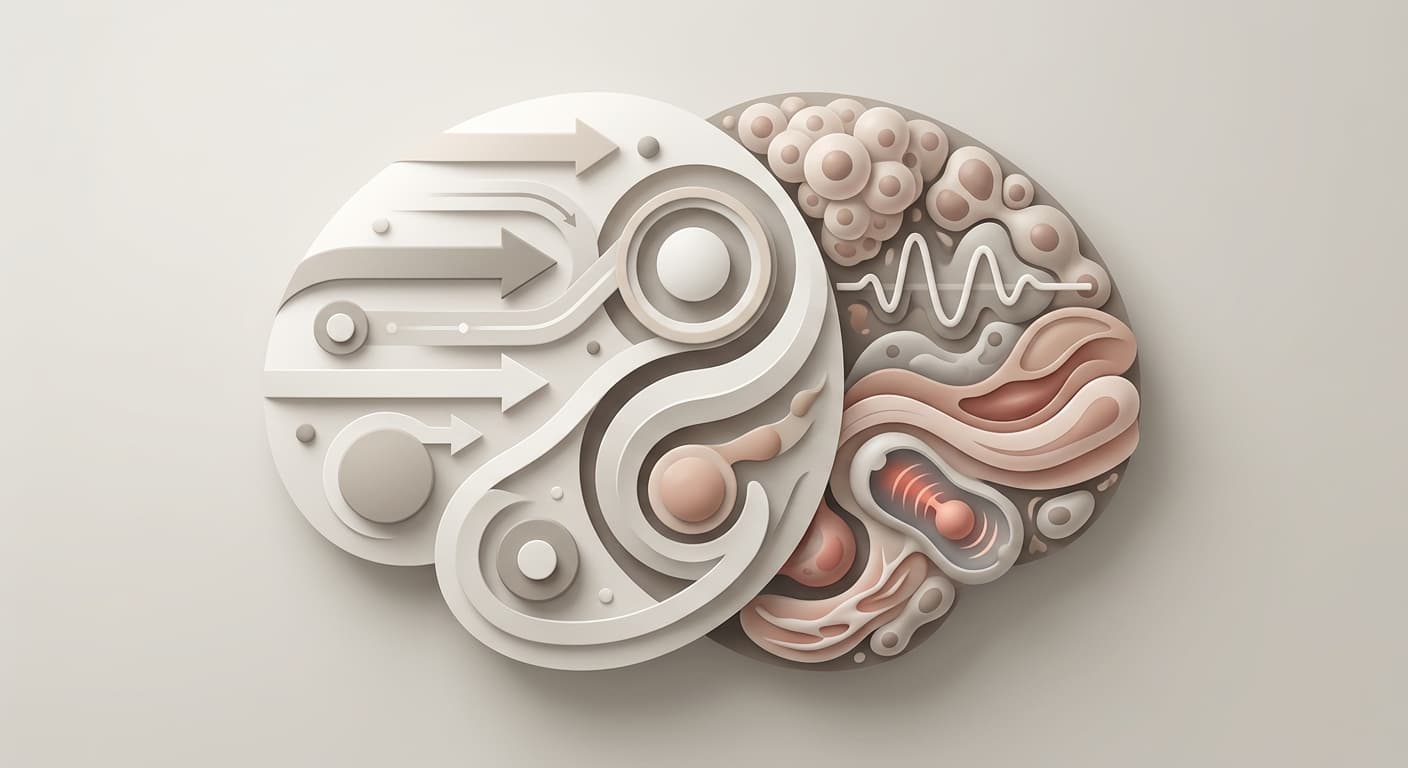
Look at what stress does. Stress is more than feeling bad. It puts your brain in threat mode. Attention narrows. Your body moves into a short-term protective state that is useful for immediate danger but not for long stretches of uncertainty.
Optimism changes how that threat mode plays out in three practical ways, which add up to stronger resilience.
Optimism changes coping
A common misunderstanding is that optimism is mainly about feeling upbeat. In practice, optimism tends to change how people cope.
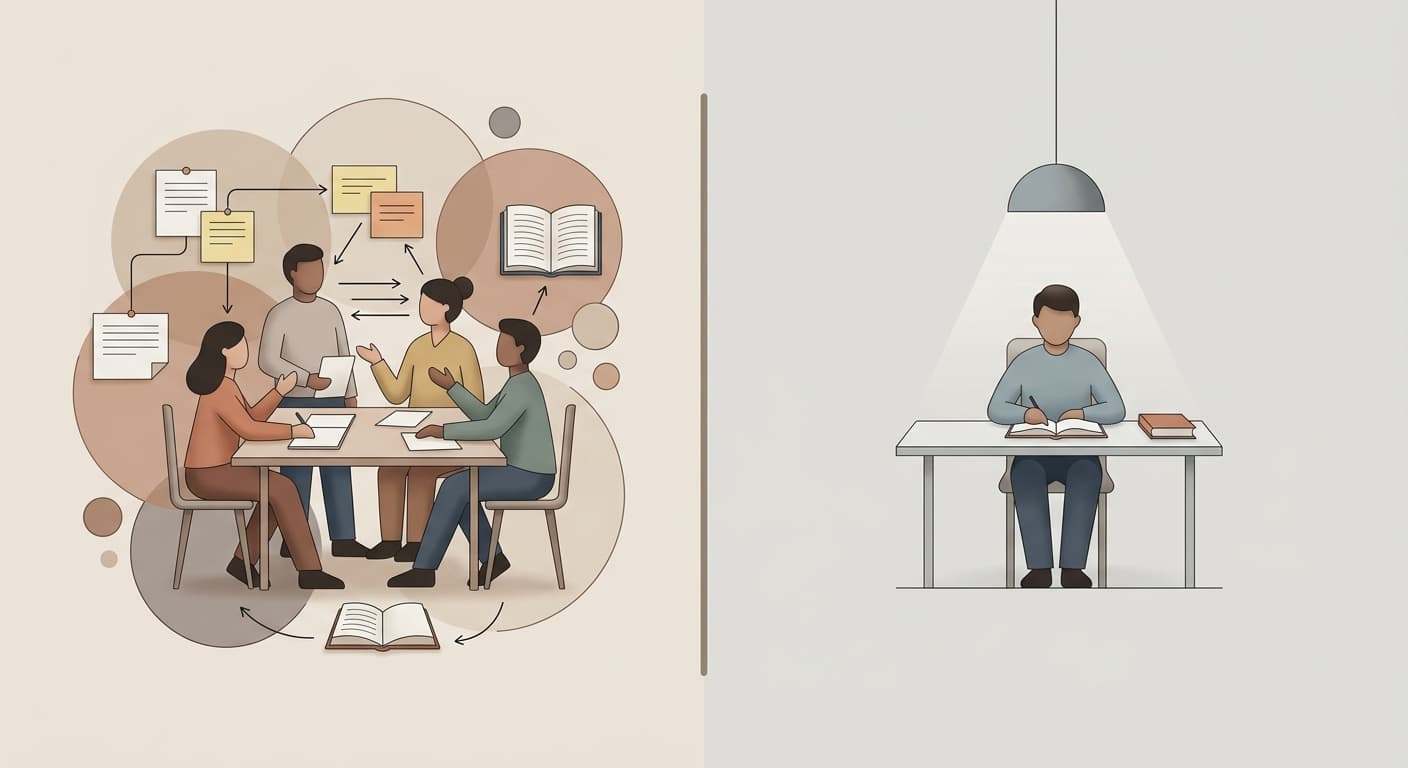
When you expect a meaningful chance of a good outcome, you are more likely to use approach-oriented coping. That includes planning, seeking support, taking small steps, and staying engaged with goals. When you expect failure no matter what, avoidance becomes more tempting. Avoidance reduces discomfort in the moment, but it often increases problems later.
Research from periods of collective stress shows optimism is linked with lower depression, anxiety, and stress. Fear still exists, but optimism changes what fear does to people. Resilience grows from that difference, not from never feeling fear but from not getting stuck in it.
Example
You apply for roles for months and keep getting rejected.
A pessimistic interpretation is, "This is proof I am wasting my time." That story leads to withdrawal.
A realistic optimistic interpretation is, "This is information, not a verdict." That story leads to iteration, feedback, and continued exposure to opportunity.
Same external reality, different coping loop.
Optimism widens attention
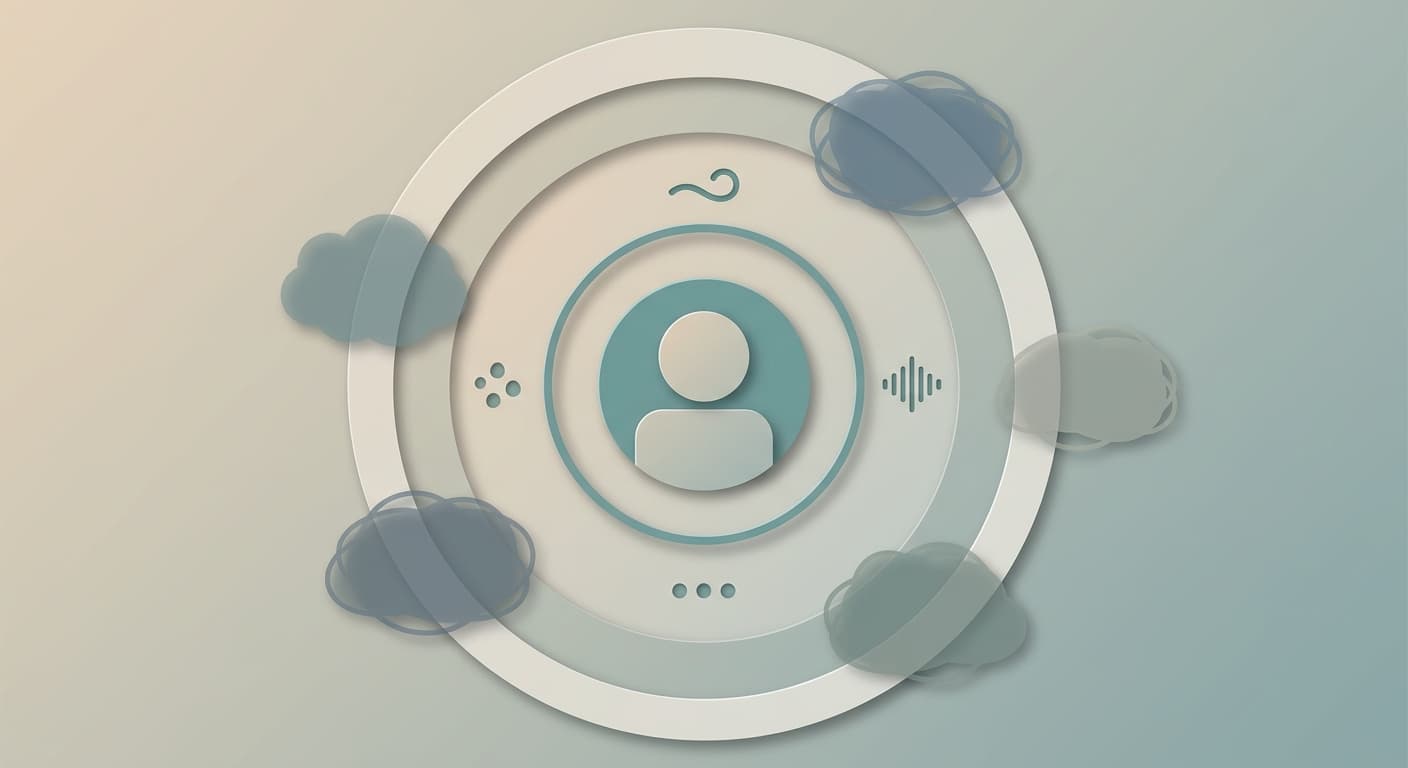
Under stress, attention narrows to the most threatening cues. That narrowing is helpful for immediate danger. It is less useful when you need to solve a complex problem, have a difficult conversation, or adapt to a long-term setback.
Optimism is often accompanied by small positive emotions, such as gratitude, relief, interest, or quiet confidence. Those emotions do not erase the stressor, but they broaden your mental field enough to notice options again.
Over time, that broadening helps you build durable resources, such as skills, relationships, and flexible problem solving. In practical terms, optimism increases the chance you will find the next workable move.
Optimism supports persistence
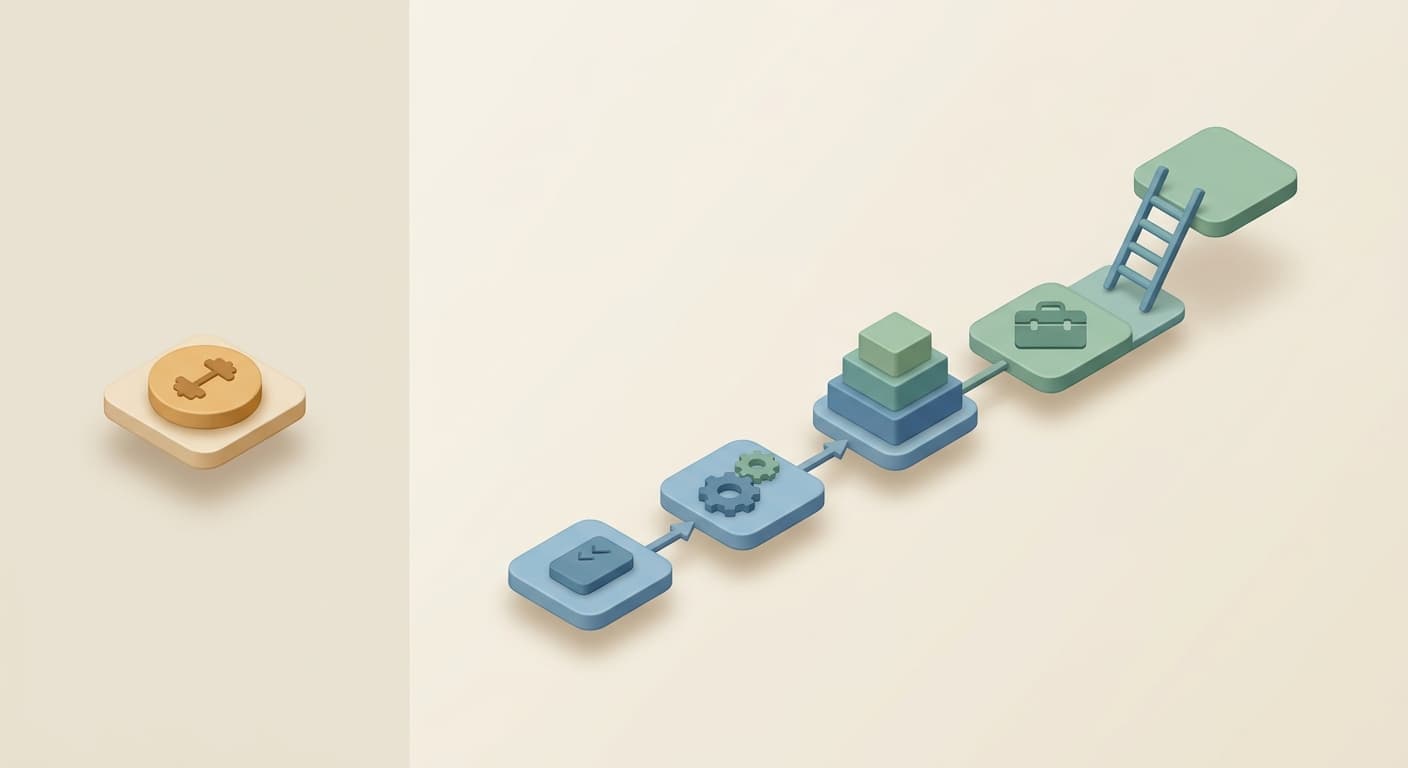
Some people avoid optimism because they fear greater disappointment. A more accurate view is that optimism can act like psychological stamina. It keeps you in the game longer without necessarily increasing distress when things do not work out.
For example, studies of students show optimistic participants did not experience greater distress after setbacks, yet they were more likely to keep trying. Optimism tied to process rather than a single outcome is resilient. "I will definitely get this exact thing" is brittle. "I can keep taking effective action, and something workable can emerge" is flexible.
Realistic optimism versus avoidance
Optimism helps resilience most when it is realistic. Realistic optimism includes three parts:
- Name the stressor clearly.
- Assume your actions can matter.
- Accept uncertainty about the outcome.
Avoidant optimism skips the first part. It tries to skip pain by skipping information. That is not resilience, that is delay.
A simple test is to ask, does my optimism make me more willing to look at the facts, or less willing? If it makes you less willing, it is probably avoidance. If it makes you more willing, it is probably resilience.
Practice realistic optimism
You do not need to be positive all day. The goal is a thinking style that keeps you engaged with reality and with action.
One practical way is to shift from verdict language to experiment language.
Verdict language sounds like: "This is hopeless." "I cannot handle this." "This always happens."
Experiment language sounds like: "What would make this 10 percent better?" "What is one step that reduces the risk?" "What is one way I have handled something like this before?"
That shift is not just semantics. It signals to your brain that the situation is not fully closed, which reduces shutdown responses and makes problem solving more likely. How you talk to yourself changes physiological stress and behavioral follow-through.
A small daily practice
At the end of a hard day, write two sentences:
- "What is the most honest hard thing about today?"
- "What is still possible, even if it is small?"
That is optimism without denial. You hold the stressor and the possibility in the same hand. If you use a reflection tool like Mendro, this kind of two-part prompt can help separate reality from catastrophic stories, without forcing positivity.
What we know and do not
The link between optimism and better coping shows up across many contexts, including periods of collective stress. Some studies suggest optimism buffers the impact of fear and uncertainty on mental health.
At the same time, much of the evidence is correlational. It is hard to fully separate cause and effect. People who are healthier, more supported, or less burdened by chronic stress may also find it easier to be optimistic.
A fair summary is this: optimism is both a trait and a skill. Some people start with more of it, and most people can build more, especially the realistic kind. When optimism increases approach coping, emotional flexibility, and persistence, resilience tends to follow.
Resilience and agency
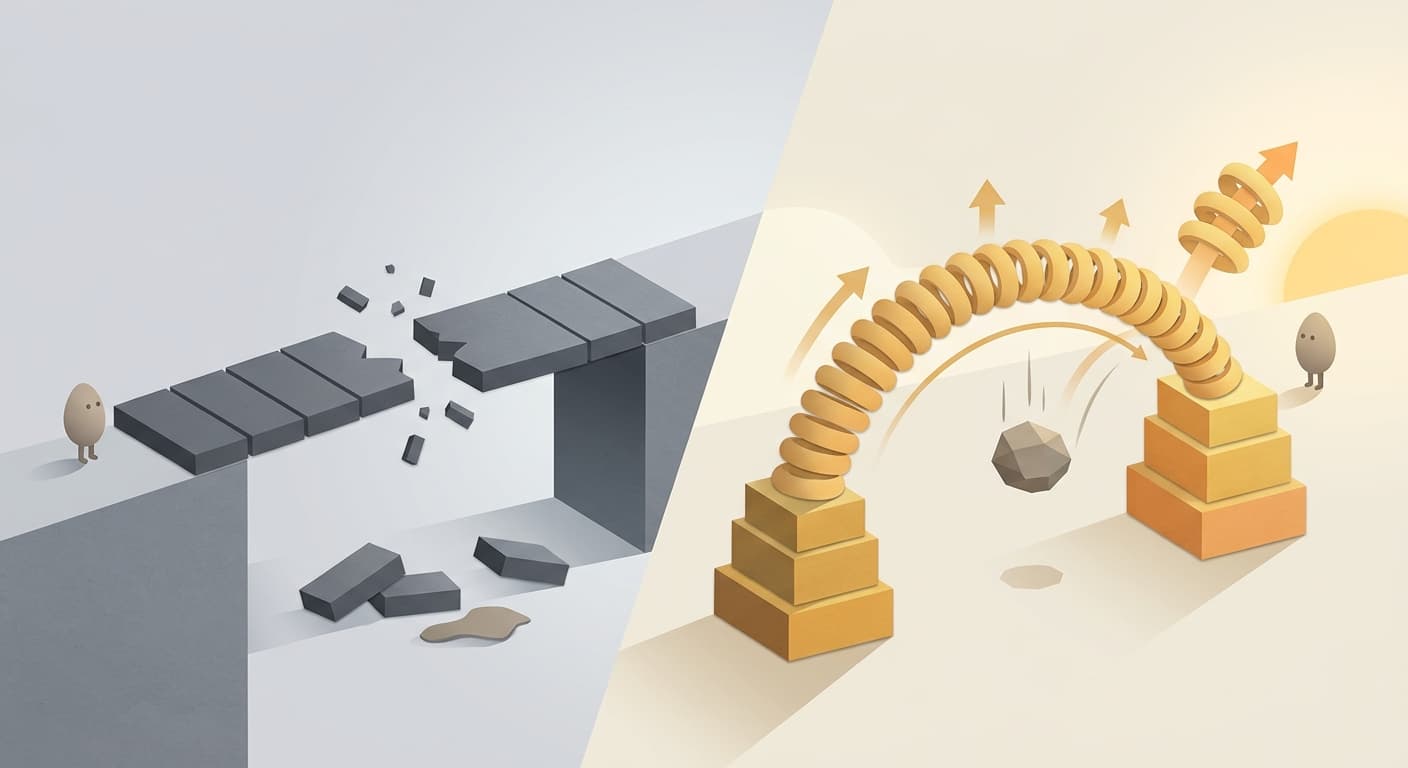
Resilience is not built by never falling apart. It is built by returning to agency.
Staying optimistic helps because it keeps agency psychologically available. It makes it easier to believe there is still something you can do, which makes it more likely you will do it. Over time, those "still something" moments accumulate into a life that can bend without breaking.