
The promise
When something is described as evidence based, people often expect a clear recipe. Do the steps, get the result. Meditate for stress. Reframe thoughts to reduce anxiety. Set goals to become more disciplined.
Sometimes that happens. But often, two people try the same advice and get different outcomes. One improves quickly, the other sees no change or gets worse. That difference is not a minor detail. It reflects how psychology actually works.
Psychology rarely offers one-size-fits-all solutions because outcomes are shaped by three interacting forces: stable differences between people, shifting differences between situations, and limits of measurement. Put simply, an average effect in a study is not a personal guarantee.
Individual differences
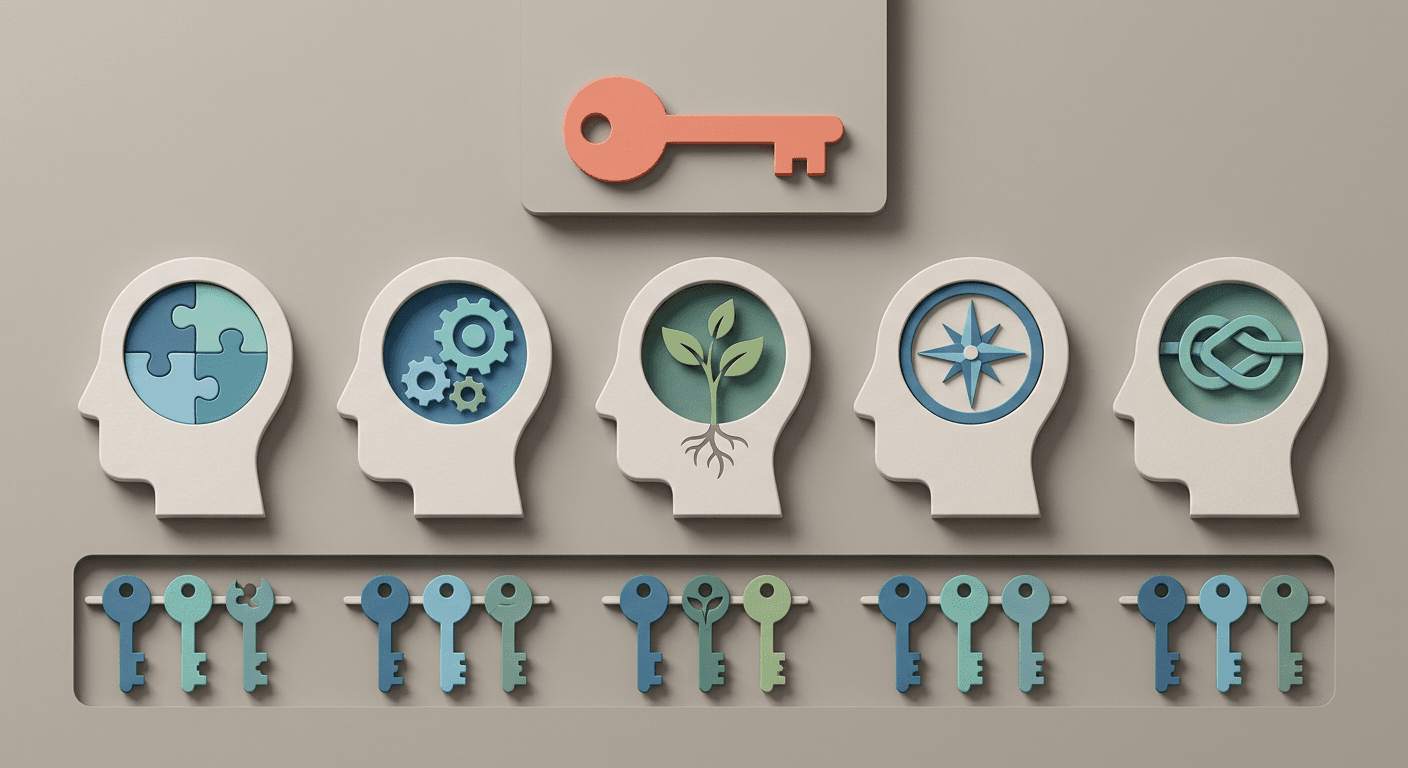
Psychology includes a whole tradition that treats variation as central. Differential psychology studies stable differences in traits, abilities, values, and behavior patterns.
Those differences do not just add noise. They change how people experience the same intervention.
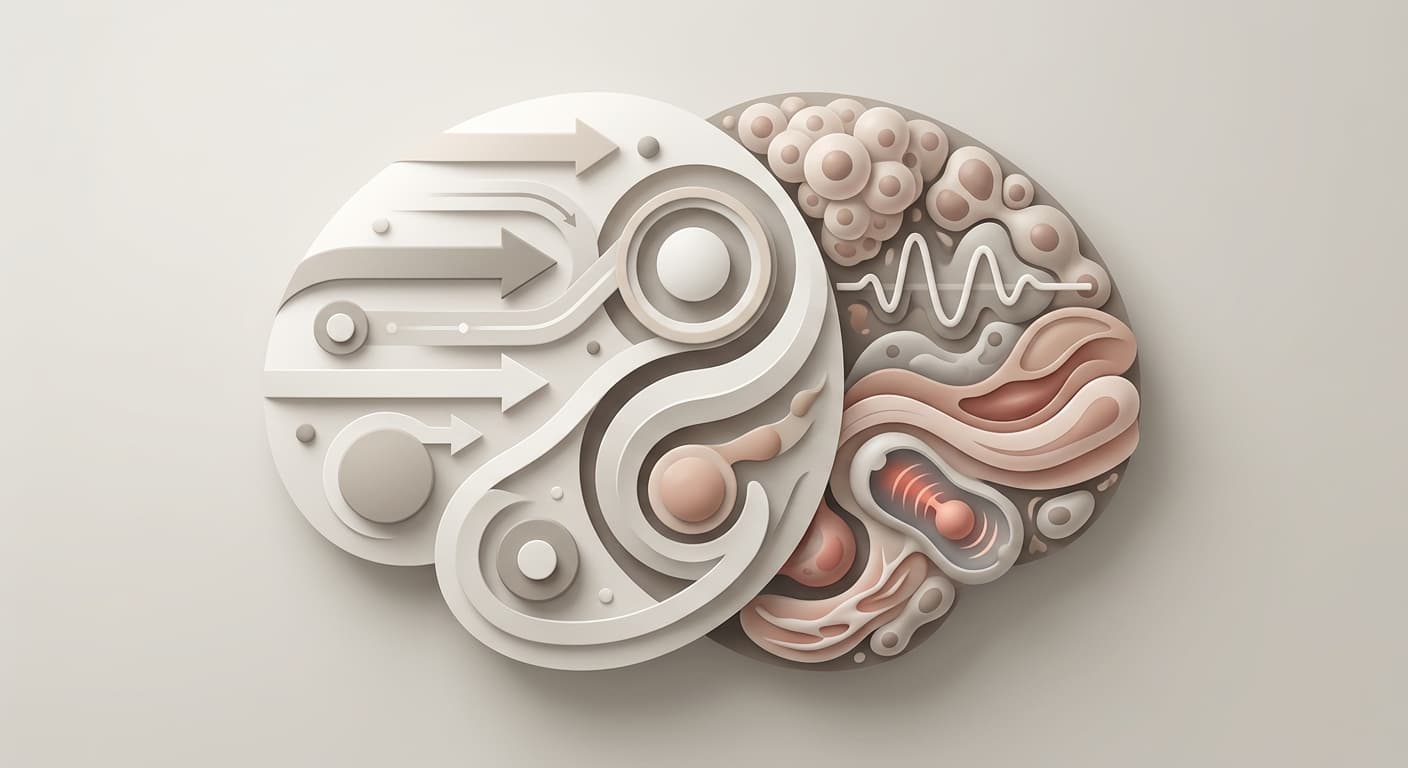
What happens underneath
A trait is a tendency that stays relatively consistent over time, for example sensitivity to threat, social assertiveness, or impulse control. These tendencies shape the mind’s basic processing:
- Attention, what you notice and ignore
- Appraisal, how you interpret events
- Learning, what becomes reinforced as worth repeating
- Emotion regulation, what calms you or escalates you
- Behavior selection, what you try under stress
If two people have different default settings in these systems, the same strategy feels different and produces different results. Mindfulness training, for example, can help many people, but personality and disposition often shape who benefits most and how. The real unit of change in the wild is the interaction between intervention and person.
Context matters
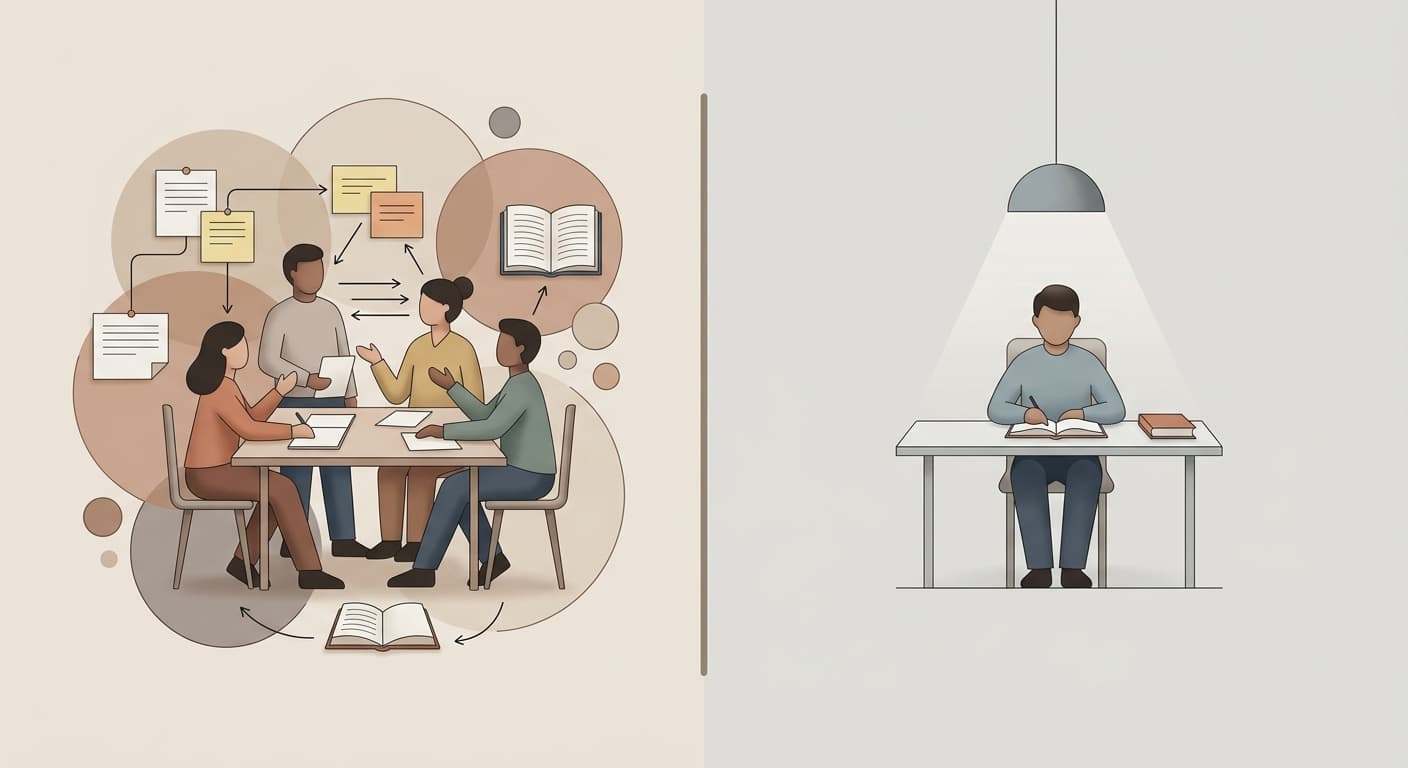
People are not the same person in every situation. Labels like "conscientious" or "anxious" compress a range of responses. Research shows that trait expression shifts across contexts, such as work versus family life, while still reflecting underlying tendencies.
What happens underneath
Think of traits as ranges of likely responses, not fixed reactions. Situations pull different levers: demands like deadlines and evaluation, resources like sleep and support, perceived threat, and social roles. Those levers change priorities in the brain.
Under pressure, the mind reallocates effort toward immediate safety and task completion. When you feel safe, you have more capacity for curiosity, reflection, and long-term planning. A technique that helps in calm weeks may fail during high-demand periods, not because the person is resistant, but because the situation changes what their system can afford.
That is also why "just do the habit" advice often collapses when someone needs it most.
Outcomes differ
People often say "I want less anxiety," but they mean different things. One person may want fewer nighttime symptoms. Another wants fewer intrusive thoughts. A third wants more confidence in social settings.
What happens underneath
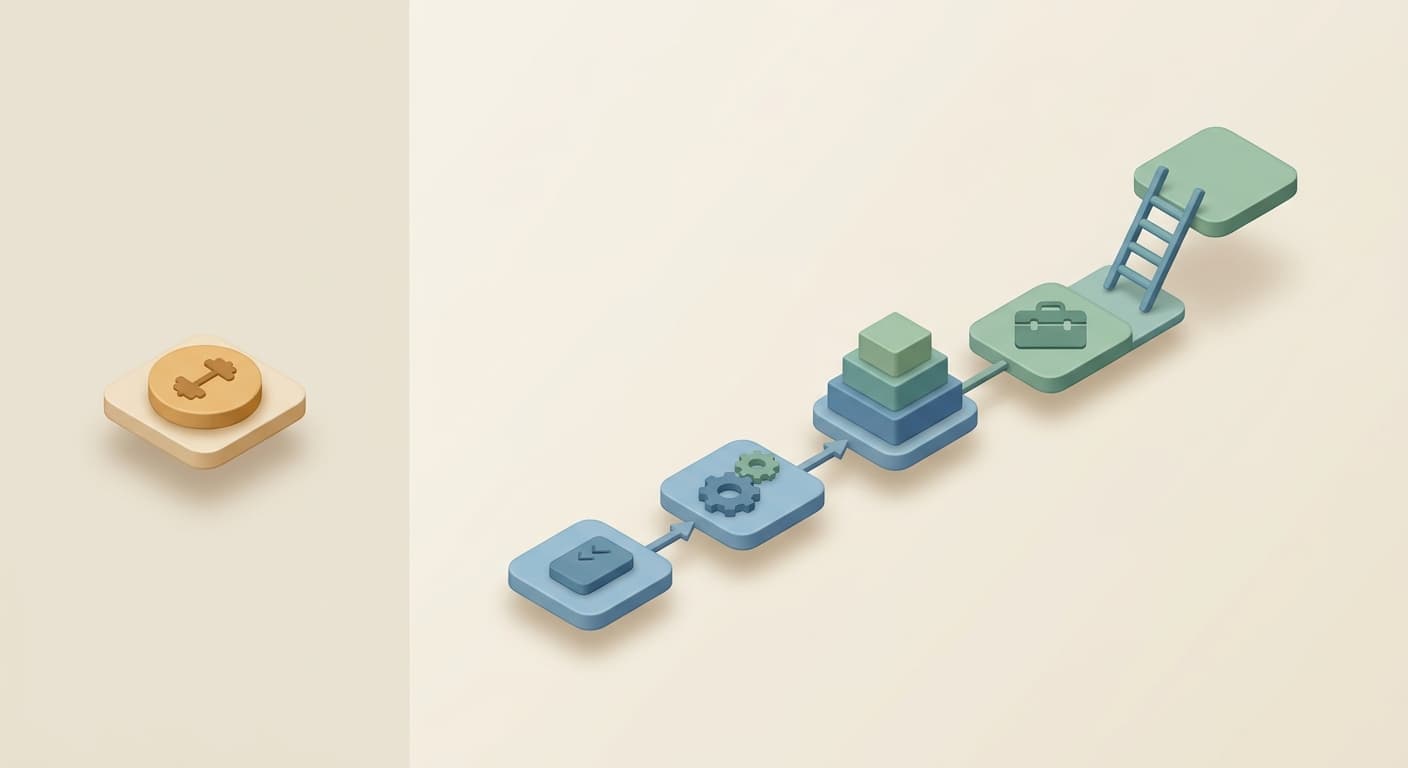
Change usually involves shifting multiple systems: lowering baseline arousal, changing threat predictions, increasing tolerance for uncertainty, learning new coping responses, or strengthening executive control. Different interventions target different mechanisms. If an approach does not target your bottleneck, it can feel like psychology "does not work," when the real problem is a mismatch between mechanism and goal.
Averages hide variation
Research reports average effects because averages help build knowledge. But averages can conceal wide spreads. One program that "improves mood on average" might produce very different patterns under the surface: big gains for a few, moderate gains for many, or small gains for everyone and declines for a minority.
What happens underneath
A group-level result can be true while being misleading for an individual. That is why psychologists study moderators, the variables that explain why an effect is stronger for some people than others. Knowing the average is useful, but it does not tell you which pattern produced that average, and it does not replace asking whether a method fits your situation.
Why advice spreads
If one-size-fits-all solutions are fragile, why do they travel so well? Because they satisfy common preferences: simplicity, certainty, and identity. One rule feels safer than a decision tree. "Do this" sounds better than "it depends." Joining a method can signal belonging.
What happens underneath
When you try a popular method and it helps, your brain updates quickly: this is a good tool, reuse it. People then generalize one personal success into a universal claim. That is not a failing. It is predictable overgeneralization from a small sample.
Practical alternatives
Rejecting one-size-fits-all does not mean giving up. It means changing the question from "What is the best method?" to "What is the best method for me, for this goal, in this season?" These three moves improve fit without turning life into a science project.
Start with the bottleneck
Name the constraint in plain language. If sleep is the bottleneck, mindset techniques alone will have limited impact. If avoidance is the problem, insight alone may not change behavior. Describe the problem in terms of the mechanism you want to alter, for example, "I cannot downshift at night," or "I freeze when I feel evaluated."
Treat strategies as experiments
A psychological tool is a hypothesis, not a vow. Try one strategy long enough to get signal, and judge it by concrete markers, not vibes. Track things like minutes to fall asleep, number of avoided situations per week, recovery time after conflict, or how often you ruminate during work hours. Logging what you tried, the context, and what changed helps you spot patterns instead of relying on memory.
Adapt to context
Match the tool to the capacity the situation allows. The same person may need different versions of a practice depending on demand. In low-stress weeks, journaling can be expansive and exploratory. In high-stress weeks, it might be two minutes of naming the next action and the one worry you are not solving today. This is adaptation, not lowering standards.
What is reliable
If everything depends, is anything dependable? Yes. Psychology can reliably map mechanisms to probabilities. It can tell you which strategies tend to help which problems, and which factors often change outcomes. It can also make individual differences central to prediction and intervention.
What psychology cannot honestly do is promise that a single technique will produce the same result for every person, in every context, for every goal. That is not a failure of the field. It is what it looks like to take human variability seriously and to build clarity on what is actually true.