

Definition
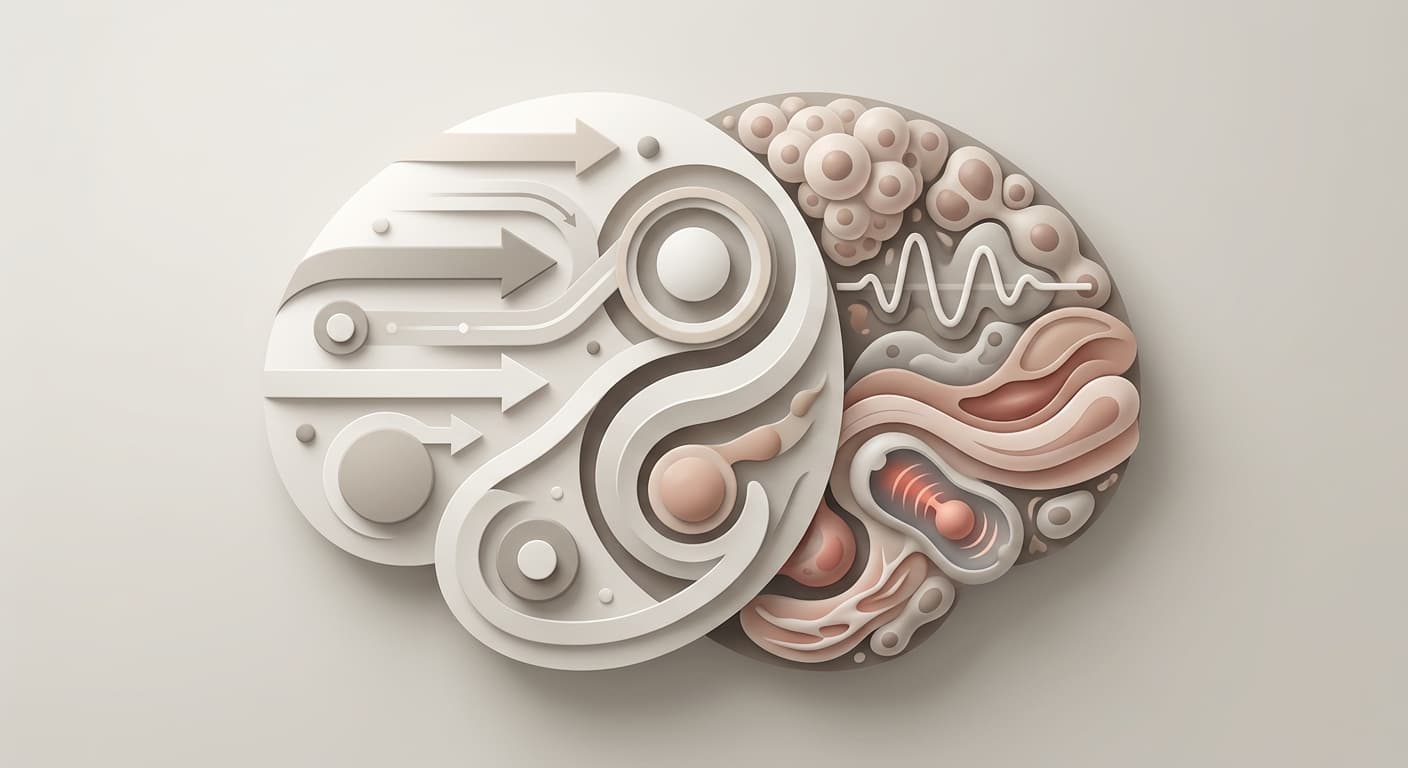
Mindfulness is paying attention to what is happening right now, on purpose, without judging it as good or bad. That includes what is happening inside you, such as thoughts, emotions, and body sensations, and what is happening around you, such as sounds, people, and the environment.
A useful short version: mindfulness is noticing your experience as it is, while it is happening. Modern descriptions often add a tone to that attention: gentle, curious, and accepting rather than harsh or self-critical.
What mindfulness is not
A lot of confusion comes from expecting mindfulness to do a job it is not designed to do.
Not relaxation
Mindfulness can feel calming, especially if you are chronically rushed or overstimulated. But the point is not to relax. Sometimes mindful attention makes you more aware of tension you were ignoring, such as a tight jaw or a clenched stomach. Noticing that tension is still mindfulness. Relaxation may follow, but the skill is noticing.
Not emptying your mind
The mind produces thoughts the way lungs produce breath. Sitting quietly for two minutes will not stop thoughts from appearing. Mindfulness is not the absence of thoughts. It is the ability to notice thoughts as thoughts, instead of immediately treating them as commands or facts.
Not positive thinking
Mindfulness does not require replacing negative thoughts with positive ones. If you feel anxious, mindfulness looks like recognizing, "Anxiety is here," and noticing how it shows up in the body, without immediately arguing with it or forcing it away. That clarity usually helps more than either spiraling with the anxiety or papering it over with optimism.
Not a moral scorecard
People sometimes turn mindfulness into another way to judge themselves: "I got distracted, I failed," "I felt irritated, I am not mindful." But noticing distraction and irritation is part of the practice. The moment you see what is happening, you are back in the work.
How it works
Most of life runs on automatic.
A trigger happens. A thought appears. A feeling follows. Your body reacts. You act, often quickly and habitually.
Mindfulness adds one simple step: awareness of that chain while it is unfolding. When you can notice, "A harsh thought just showed up," or, "My chest tightened when that email arrived," you create a little space between the event and your next move. That space is not mystical. It is a shift from being inside the reaction to also observing the reaction.
Two practical consequences follow. First, you can catch patterns earlier, not after the argument but at the first heat in your face, not after a snack spiral but at the first urge. Second, you have more options. You might still choose the same action, but it becomes a choice rather than a reflex.
Nonjudgment matters because quick judgment often collapses that space. If you immediately label an experience as "bad" or "unacceptable," the system tends to suppress or escalate. A gentler stance keeps you in contact with what is true long enough to respond more skilfully.
Everyday examples
These examples are small on purpose. Mindfulness is not a special event. It is a way of meeting ordinary moments.
Three-breath reset
You read a message that irritates you and your fingers start typing fast. Mindfulness here looks like noticing the impulse to fire back, taking three breaths, feeling the heat in your body, and naming the emotion quietly, "I am annoyed." Then decide what you want the message to accomplish. This is not being nice. It is seeing the moment clearly enough to choose the outcome.
Brushing without multitasking
When you brush your teeth, stay with the sensations instead of scrolling or planning. Notice the taste of toothpaste, the sound of the brush, the movement of your arm, and the urge to hurry. If your mind wanders, notice the wandering and return. That returning is the repetition that builds the skill.
Mindful walk
Walk for five minutes and do only one thing: track perception. Feel the contact of your feet with the ground. Notice temperature on your skin. Listen for the loudest sound, then the quietest. Notice how your mind keeps trying to leave, and when it does, notice that noticing.
First three bites
You do not have to eat a whole meal mindfully. Start with three bites. Smell the food before the first bite. Notice texture and temperature. Notice when you want the next bite before finishing the current one. This often reveals practical things, like how fast you rush or how often you look to food to change your mood.
Noticing a thought
A thought appears: "I am behind. I will mess this up." Mindfulness looks like, "There is the 'I am behind' story," noticing where it lands in the body, and then taking the next small step anyway. This is not pretending the thought is false. It is not handing the steering wheel to the thought automatically.
Under one minute
If you want a short script you can reuse, try this:
- Stop what you are doing for ten seconds.
- Feel one physical sensation clearly, like your breath, your feet, or your hands.
- Name what is most present: "thinking," "worry," "tension," "tired," "okay."
- Continue, but a bit slower than you were going.
The point is not perfection. The point is interrupting automaticity and re-entering the moment.
Is meditation required?
No. Mindfulness meditation is one structured way to train attention, usually practiced by focusing and returning when distracted. But mindfulness itself can be practiced during ordinary activities.
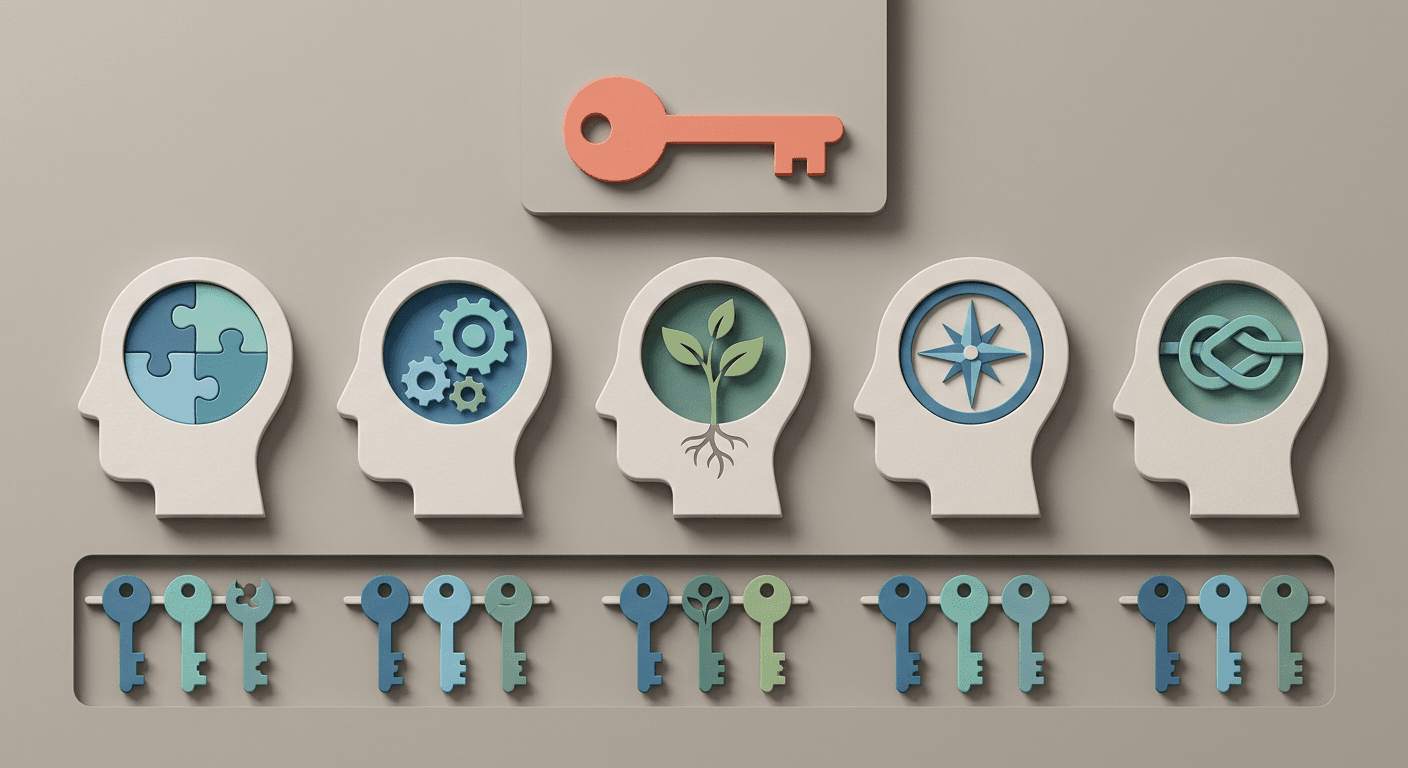
A helpful distinction: mindfulness practice is what you do to build the skill, mindfulness state is when you are currently being mindful, and mindfulness trait is how likely you are to be mindful across your day. You can build the trait through formal meditation, informal moments, or both.
Where it helps
Mindfulness helps most when the problem is reactivity. If you tend to snap, shut down, procrastinate, scroll, overeat, or spiral, mindfulness often helps because it lets you see the beginning of the pattern.
Where it does not help
Mindfulness is not a cure-all. It is less useful if you use it as avoidance, for example, staying calm to skip a hard conversation or to avoid setting a boundary. Mindfulness can reveal avoidance, which is useful, but it does not replace taking practical action like getting sleep, talking things through, or making a plan. Mindfulness is awareness, not a substitute for decision-making.
A calm summary
Mindfulness is a basic human capacity you can strengthen. It is the skill of paying attention to your experience as it is, moment by moment, with less judgment and more clarity. In everyday life, that usually looks like one thing: noticing what is happening before it turns into autopilot.
If you use Mendro as a reflection tool, mindfulness can show up there too, simply: writing down what you are actually experiencing, without polishing it into what you think you should feel.