
Reduce your risk
Some people follow good habits and still get depressed. Others change a few things and feel steadier. Both are true.
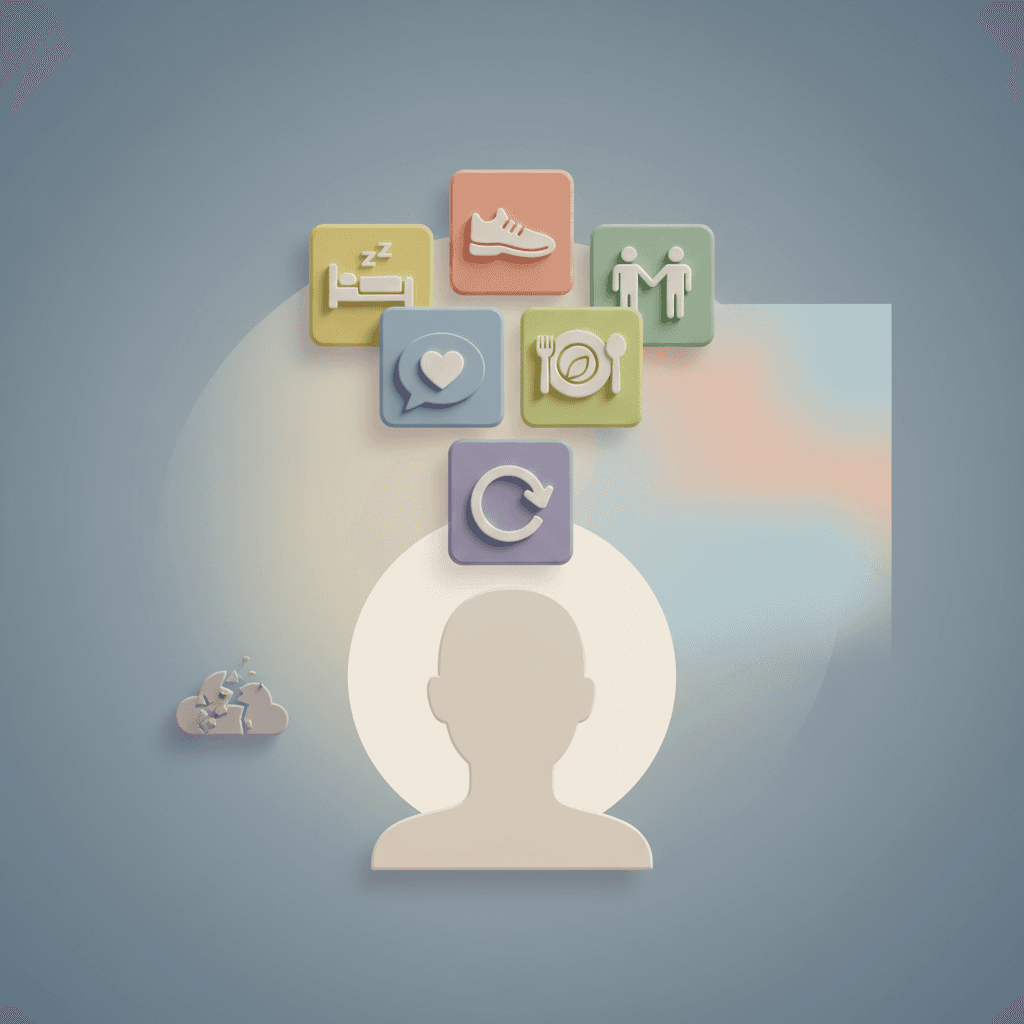
A realistic aim is risk reduction, not a guarantee. Small, consistent changes strengthen protective systems and reduce the frequency and intensity of the states that make low mood more likely. This guide focuses on practical levers with evidence behind them: sleep, movement, social connection, early skill-building, and timely help when needed.
What depression is (in plain terms)
Depression is more than a bad week. It is a mental health condition where low mood and/or loss of interest persists and starts to change how you think, feel, and function, often affecting sleep, energy, concentration, appetite, and motivation, and sometimes bringing hopelessness or thoughts of self-harm.
What happens underneath
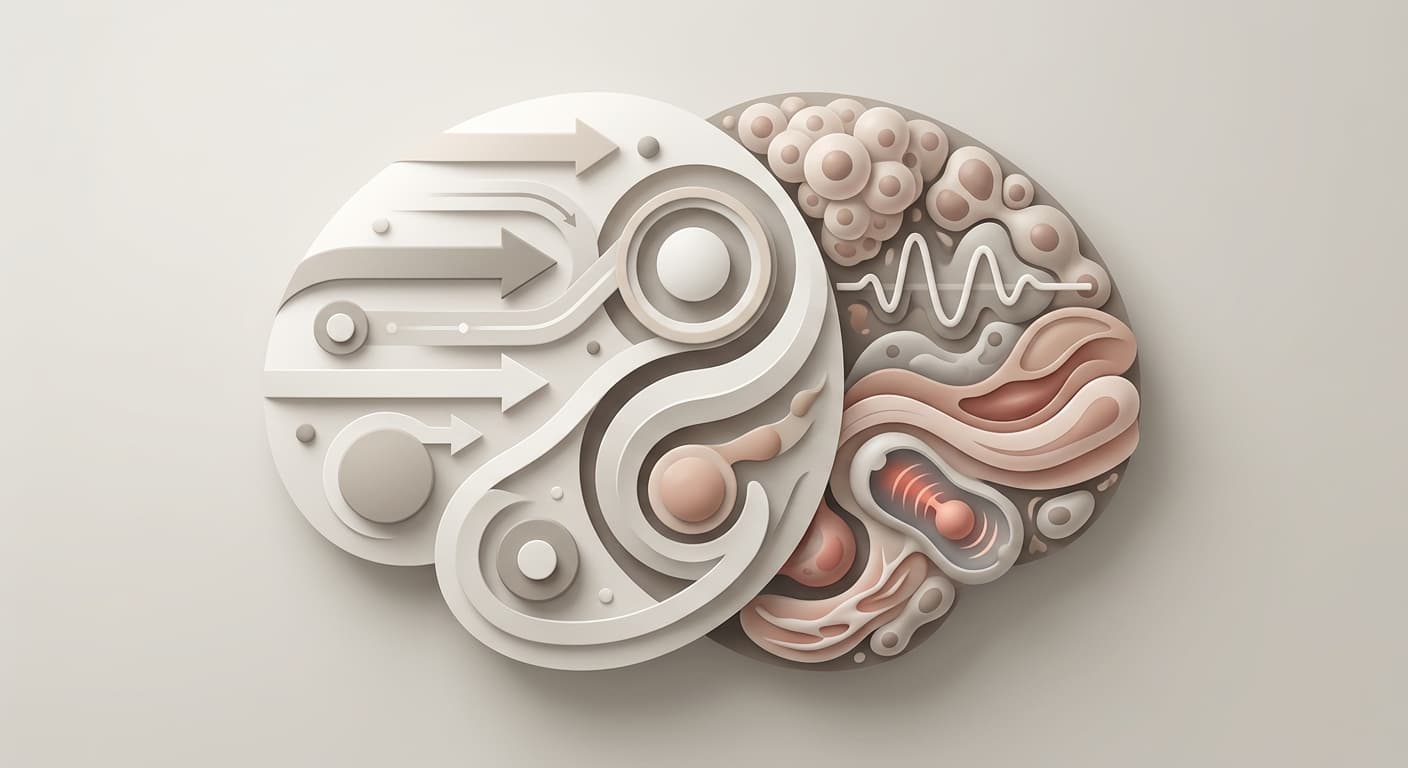
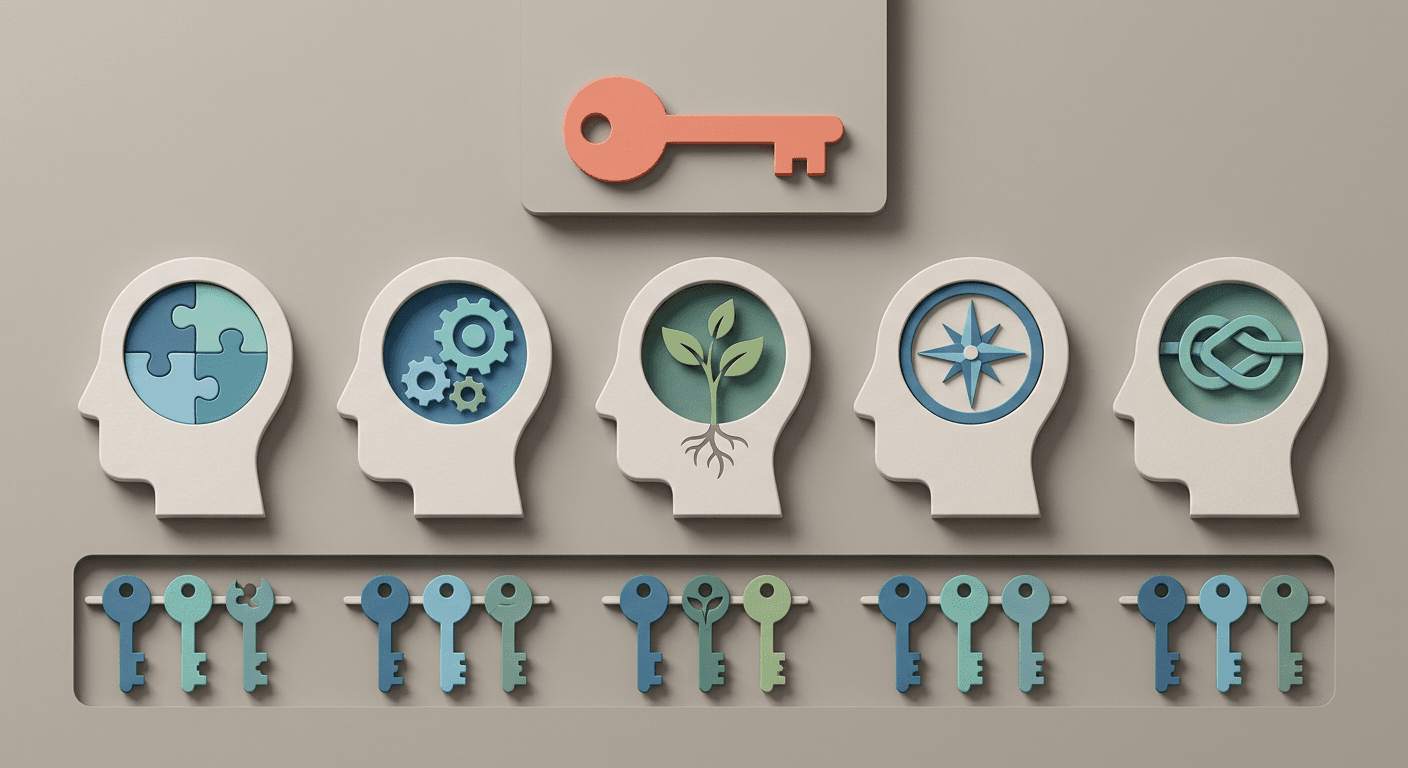
Depression risk rises when several systems shift into unhelpful patterns at once. Common patterns include:
- Chronic threat mode, where stress biology stays elevated and makes rest, attention, and connection harder.
- Low reward and low agency, when few small successes happen and motivation falls.
- Rumination loops, when attention gets stuck on negative themes and rehearses problems without resolving them.
- Social disconnection, which removes co-regulation and corrective feedback.
- Sleep disruption, which makes emotion regulation and stress recovery weaker.
These states interact. For example, poor sleep makes rumination worse, rumination increases stress, and stress reduces motivation to connect or move. The practical goal is to nudge each system back toward balance before patterns harden.
Prioritize sleep consistency
Sleep is active maintenance for emotion regulation, stress hormones, and attention. When sleep is disrupted for long stretches, the brain becomes more sensitive to stress and less able to update emotional memories. That makes low mood more likely, and it also makes coping behaviors harder to start and sustain.
Two evidence points to remember: insomnia often predicts later depression, and treating insomnia with Cognitive Behavioral Therapy for Insomnia, or CBT-I, has reduced new and recurrent depression in clinical trials.
Sleep plan
If you want something you can actually stick with, aim for stability before perfection.
- Pick a wake time you can hold most days of the week.
- Protect the last 60 minutes before bed as a downshift window: dim lights, limit screens, and avoid problem-solving.
- If you lie awake a lot, consider CBT-I instead of relying on sleep hygiene alone. CBT-I addresses learned anxiety and schedule drift that keep insomnia going.
If you are already depressed, sleep changes can feel impossible. The right move then is support and structure, not willpower. Structured programs like CBT-I are designed for that.
Move your body
Physical activity is one of the clearest lifestyle factors linked to lower depression risk. Large reviews show a dose-response pattern, and the biggest gains often come when people move from none to some activity.
How movement helps:
- It reduces stress activation and improves sleep pressure.
- It creates small, reliable rewards, such as finishing a task or being outdoors.
- It interrupts rumination by giving attention something concrete to do.
Minimal movement recipe
If you are starting from low activity, try a small, repeatable target.
- Aim for 10 minutes most days, brisk enough to change your breathing.
- If that feels like too much, start with 5 minutes and protect the habit.
This is not about performance. It is about signaling to your nervous system that the day has rhythm.
Build social protection
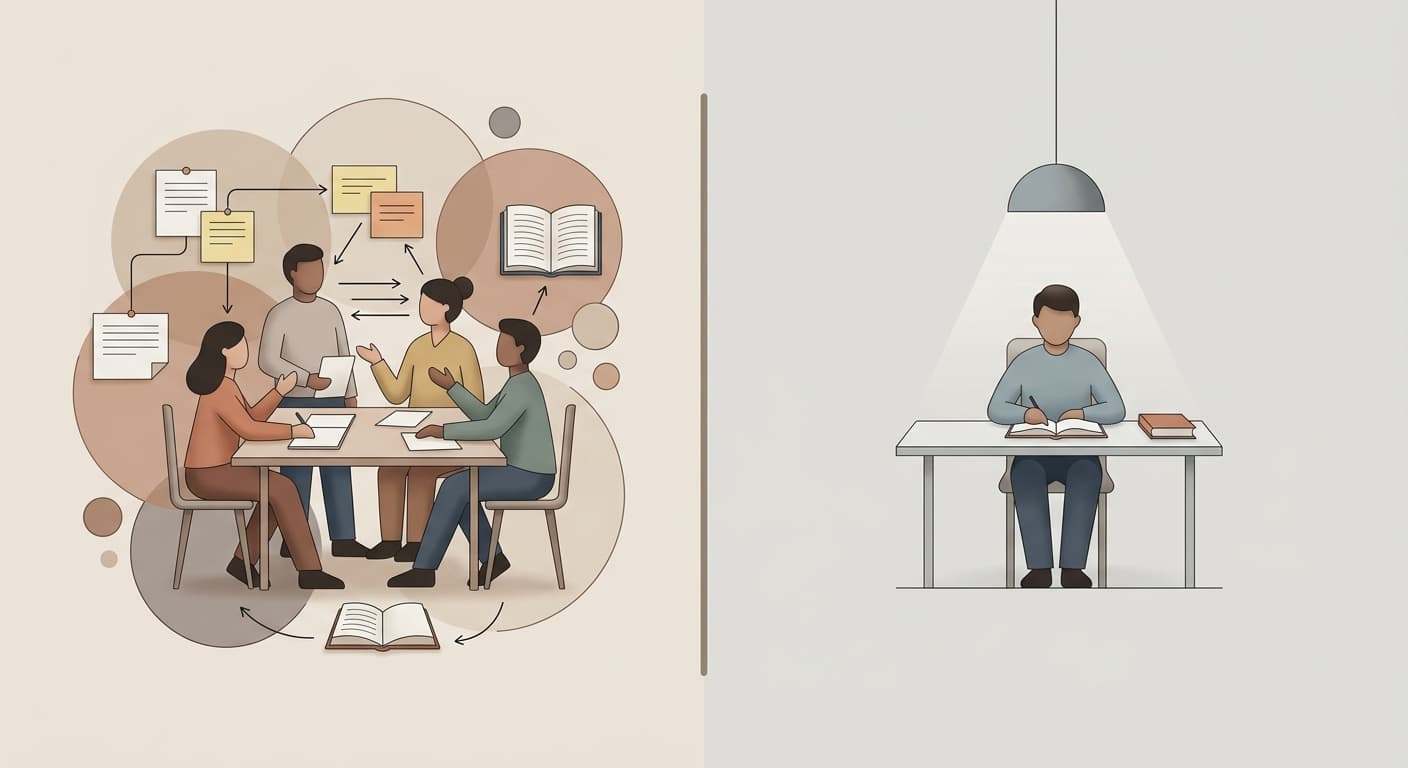
Social connection is a core way humans regulate stress. Feeling safe with someone calms physiology. Feeling alone makes rumination louder and more believable. Prevention programs for adolescents often work by improving communication, problem-solving, and reducing isolation. School-based interpersonal approaches have shown benefits for young people.
Practical connection plan
Instead of trying to be more social in general, pick one repeatable connection slot:
- A weekly walk with a friend.
- A standing call with a sibling.
- A low-pressure group activity you can attend even when you feel flat.
The protective ingredient is reliability, not intensity.
Break rumination
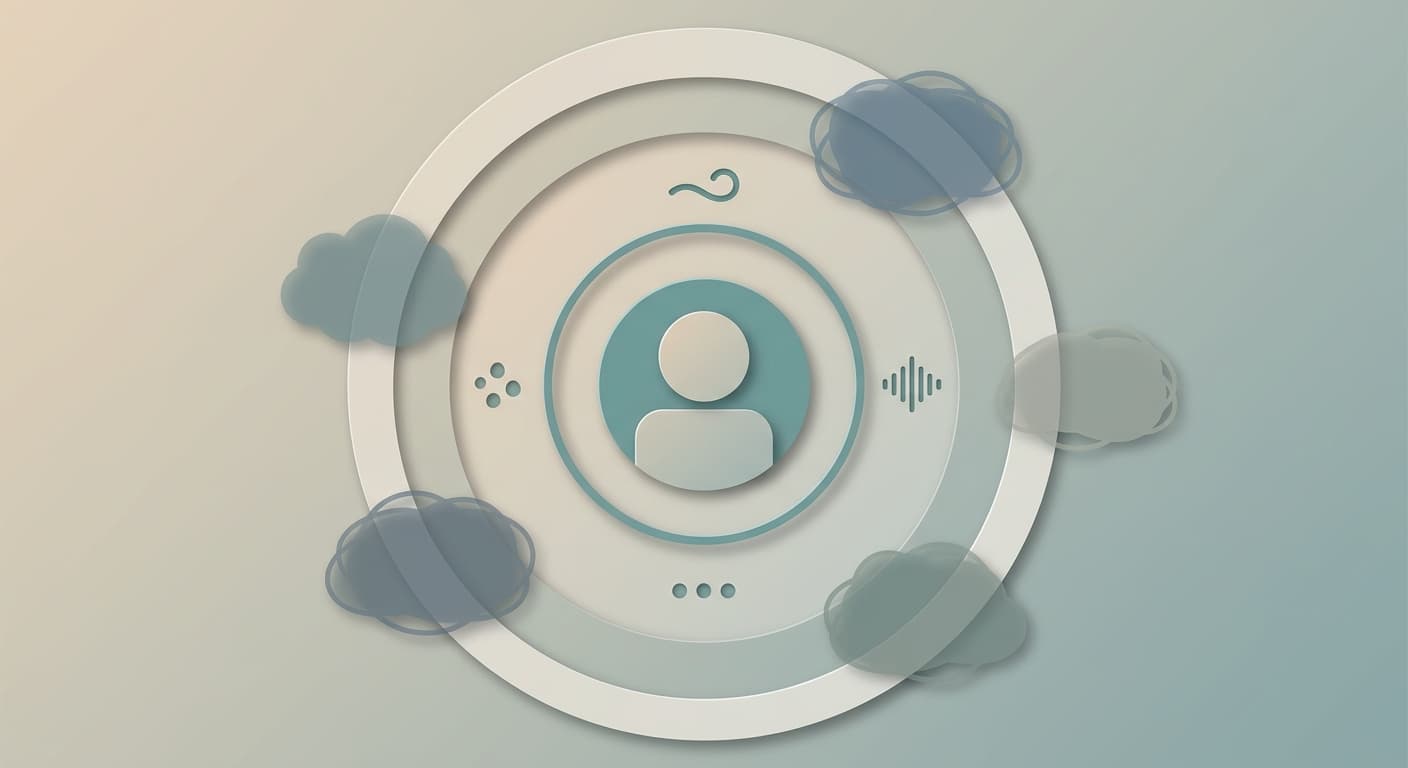
Rumination looks like thinking, but it is often a repetitive loop that increases hopelessness and drains motivation. CBT-based programs are among the most studied approaches for prevention and early intervention. For adults, treatments that blend cognitive skills and mindfulness, such as Mindfulness-Based Cognitive Therapy, help people notice thoughts as events rather than commands.
Practice this skill
When you notice a spiral, try this quick routine:
- Name it: "This is rumination" or "This is threat forecasting."
- Ground for one minute by noticing breath or body sensations.
- Redirect to a small next action you can finish in 5 to 10 minutes.
Treat this as a reflex, not a big insight. Repeating it trains your attention to move when spirals start.
Act early
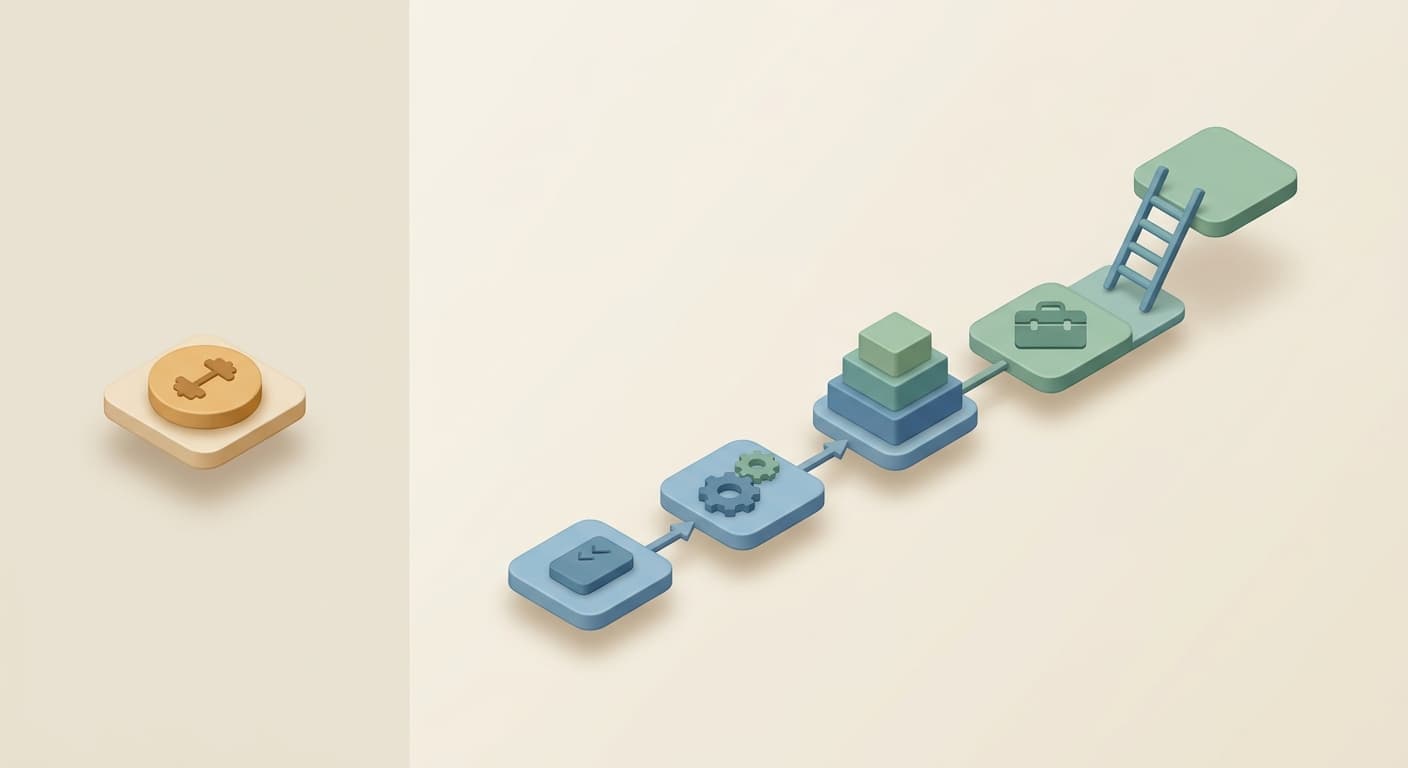
Waiting until you are "sure" it is depression often means patterns have already become harder to change. Prevention research supports early intervention during subthreshold stages because patterns are more reversible earlier on.
A simple rule of thumb: if low mood, irritability, loss of interest, or sleep change occurs most days for two weeks, take action.
Early steps can include:
- Booking a therapy consult.
- Asking a primary care clinician for screening.
- Starting a structured program, such as a CBT-based skills group or CBT-I for insomnia.
- Telling one trusted person what is going on.
When self-care fails
Lifestyle and skills reduce risk, but they are not a substitute for clinical care. Seek professional help promptly if you notice any of the following:
- Thoughts of self-harm or suicide.
- Inability to do basic daily tasks.
- Severe sleep loss for several nights.
- Symptoms that persist beyond a couple of weeks and are getting worse.
If you are in immediate danger in the United States, call or text 988, or contact emergency services.
Simple weekly plan
If you want one practical starting point, choose two items to protect for the next 14 days. Two is enough to create traction.
Pick from:
- A consistent wake time.
- 10 minutes of walking most days.
- One standing connection slot.
- A daily rumination interruption practice.
- A clinician appointment if symptoms are already present.
Track patterns like sleep drift, social withdrawal, or rumination triggers without judgment. Small, steady shifts reduce helplessness, and less helplessness is one of the most protective states for mood.
What we know
We have solid evidence that some levers matter most: treating insomnia when it is present, increasing physical activity, and taking part in skills-based psychological programs, particularly CBT-based and interpersonal approaches for young people. What is less clear is the perfect dose or the single best combination for every person. Risk reduction is personal systems work.
The best next step is the one that makes your week slightly more stable, your sleep slightly more reliable, and your stress slightly more metabolized. Over time, those small shifts change the odds.
Self-reflection apps like Mendro can support this by helping you notice patterns (sleep, mood, triggers, thinking loops) earlier and turn them into small, repeatable actions before they compound.