

What prevention means
Saying you can prevent depression can sound like a promise that life will stay steady if you adopt the right habits. Real life is not that simple. A more realistic goal is to reduce your risk where you can, and shorten the time between the first warning signs and meaningful support.
Depression often begins as small changes that feel easy to explain away. You might dismiss them as fatigue, a busy period, or normal stress. Sometimes that is true. Sometimes those small shifts add up. The useful skill is noticing patterns that deserve attention, and acting before things narrow too far.
Early warning signs
Depression is not only sadness. Many people first notice changes in interest, energy, sleep, or thinking. Clinically, depression is described as a pattern of mood plus body and mind changes that affect daily functioning. Common early signs include:
- A shift in mood: feeling sad, empty, hopeless, tearful, irritable, or emotionally flat. For some people, irritability is the clearest signal.
- Loss of interest: activities that used to feel at least a little rewarding start to feel pointless. You may skip hobbies, avoid friends, or lose interest in goals.
- Sleep, appetite, and energy changes: sleep may become too short, too long, or restless. Appetite can drop or increase. Low energy often shows up first, as difficulty starting tasks even when you want to.
- Changes in thinking: trouble concentrating, slower thinking, indecision, increased self-criticism, or feelings of worthlessness. Some describe this as mental fog with a harsher inner voice.
- Behavioral shifts: withdrawing, cancelling plans, dropping routines, or increasing alcohol or other substances to cope.
You do not need to diagnose yourself. Use this list as a map of what to take seriously. Clinicians often look for a cluster of these symptoms that persist and interfere with work, school, or relationships.
Different ages and contexts
Depression looks different depending on age and life situation, which is why it can be missed.
Children and teens often show irritability, clinginess, school avoidance, or withdrawing from friends more than they report sadness. Older adults may notice memory problems, personality shifts, or a loss of interest, and may be less likely to say they feel depressed. Men sometimes report fatigue, anger, or risk-taking instead of sadness.
These patterns are not rules, but reminders to look for change from a person's usual self, not a checklist of traits.
What happens underneath
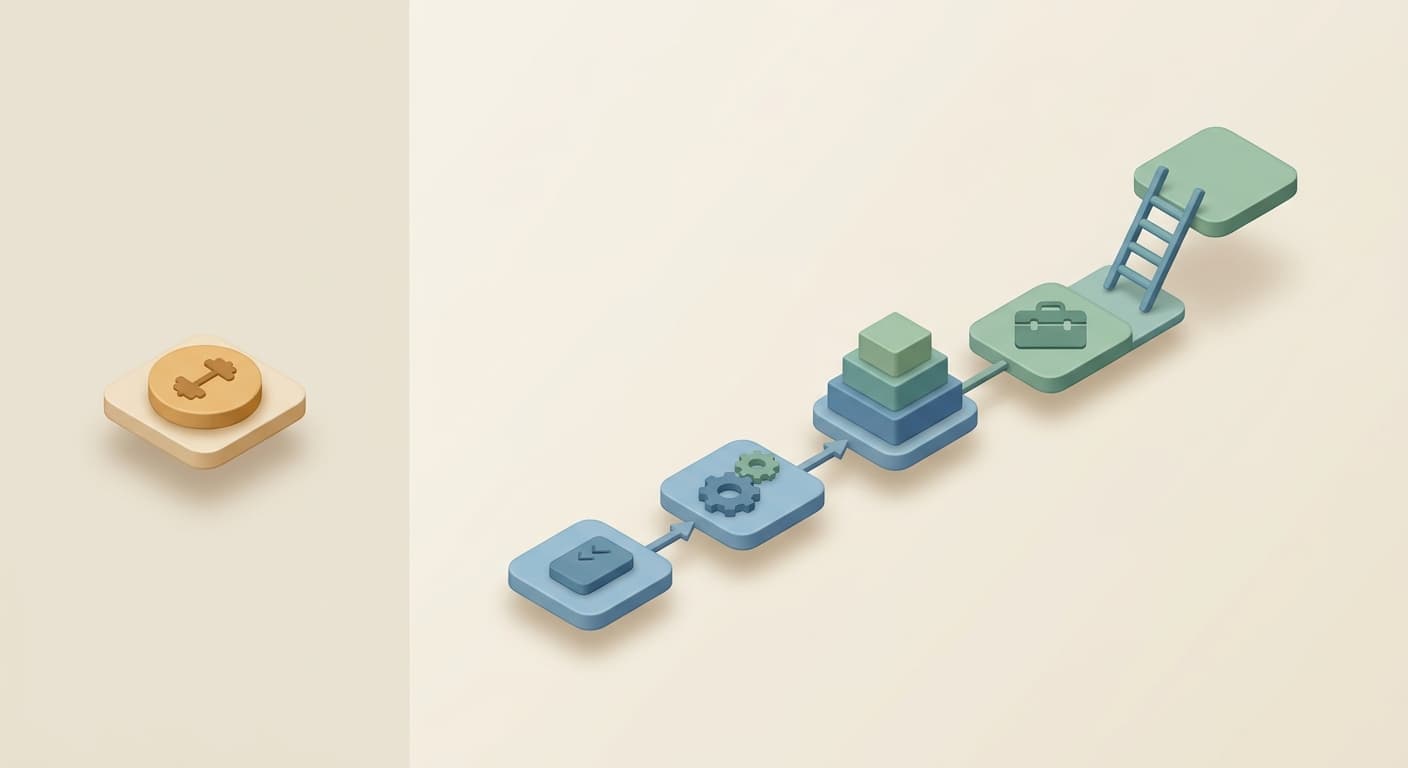
Depression is not a single feeling. It is a system-wide change in how your brain and body allocate energy, attention, and meaning. A simple way to understand the mechanism is this chain:
- Ongoing stress or poor rest shifts the brain toward threat detection, making it focus on problems rather than rewards. That focus is useful short term, but harmful when it persists.
- Reward sensitivity falls, so activities that used to feel satisfying stop giving the usual lift. Motivation declines because the brain's feedback that says "this is worth doing" weakens.
- Avoidance increases because avoiding effort brings short-term relief. The brain learns that withdrawal reduces stress, so it repeats the pattern.
- The world shrinks. With fewer social and rewarding inputs, rumination and self-criticism grow. Negative thoughts seem more convincing in a smaller world.
Prevention at the everyday level is about interrupting this chain early. Not by forcing happiness, but by keeping the world from shrinking, and by restoring predictable inputs like sleep, movement, and connection.
Everyday strategies
These approaches are not cures, and they are not a substitute for professional care when depression is significant. Think of them as practical protective factors that work best when started early and kept simple.
Protect sleep Sleep is one of the quickest routes to mood instability. The aim is consistent sleep, not perfection. Try a simple two-part routine: a steady wake time most days, and a 30-minute wind-down before bed with lower light and lower stimulation. Treat changes in sleep as an early warning sign.
Create a tiny routine When days are unstructured, decision-making becomes costly. A minimal, reliable routine reduces that load. One useful template includes a wake-up time, a basic hygiene step, one regular meal, a short movement break, and one activity that gets you outside the house or talking to another person. These anchors can be very small. The point is to keep the day from collapsing into avoidance.
Keep one steady connection Isolation fuels depression, so keep at least one low-effort social thread. That could be a weekly walk with a friend, a standing phone check-in, an easy class you attend, or a regular coworker lunch. The connection does not have to be deep, it needs to be consistent.
Choose interest over intensity Waiting for motivation rarely works. Instead, pick activities that still feel even slightly interesting, or that create a small sense of completion. Small acts of mastery like folding laundry, clearing a counter, or sending one email rebuild evidence that effort leads somewhere.
Notice your self-talk Before mood changes are obvious, internal language often shifts. Thoughts may get more absolute, more global, or more certain about the future, using words like always, never, or nothing. Labeling that change helps, for example, say to yourself, "My thinking is slipping into depression-language." Then follow with one stabilizing action from your routine.
Reduce depressogenic inputs Some habits make early depression stickier. Alcohol can worsen sleep and mood stability. Late-night doomscrolling keeps the brain in threat mode and steals sleep. A simple rule is to avoid changing your brain state late at night in ways you cannot easily reverse.
Do a two-week check-in Mood varies day to day. Depression is about persistence and impairment. Once a week, ask: have I been less interested in things I usually like, withdrawing more, or sleeping and eating differently? Is my thinking getting darker? Is this affecting work, school, or relationships? This approach helps you avoid overreacting to a bad day and underreacting to a bad month.
Make patterns visible (with light tracking support) If you struggle to "trust your read" on how you’re doing, tracking can help, especially when depression shows up as gradual drift. A self-reflection app like Mendro can support this by making patterns visible across days and weeks (mood, sleep, energy, stress, and what helped), so you can spot early warning signs sooner, connect them to triggers, and follow through on small stabilizing actions. Used consistently, reflection tools can also create a helpful record to bring into therapy or a doctor’s appointment, so you’re not relying on memory alone.
When to get help
Everyday strategies are appropriate when symptoms are mild, early, or clearly tied to temporary stress, and you are still functioning. Consider professional support when:
- Symptoms persist most days for two weeks or more.
- You are unable to manage basic responsibilities or self-care.
- You feel numb, hopeless, or intensely agitated for long stretches.
- You are using alcohol or other substances to cope more often.
- People close to you are worried, and you notice big changes in how you act or think.
- You have thoughts of death or self-harm.
If you have thoughts of harming yourself, treat that as urgent. In the United States, call or text 988 for the Suicide and Crisis Lifeline. If you are in immediate danger, call 911 or go to an emergency room. As a practical middle step, a primary care clinician can screen for depression and help you understand options. Therapy, lifestyle changes, and medication can all be effective parts of care. The key is to get help before life narrows too far.
Putting it together
Preventing depression is not about finding the perfect hack. It is about noticing gradual drift and acting early. Use this simple model: depression often starts when your world shrinks, and your mind explains the smaller world as permanent and personal. Your everyday work is to keep the world from shrinking, with small structure, consistent sleep, and at least one steady connection. When these supports are not enough, that is not a moral failure. It is a sign to bring in more help.