

Start with the fundamentals: what is positive psychology?
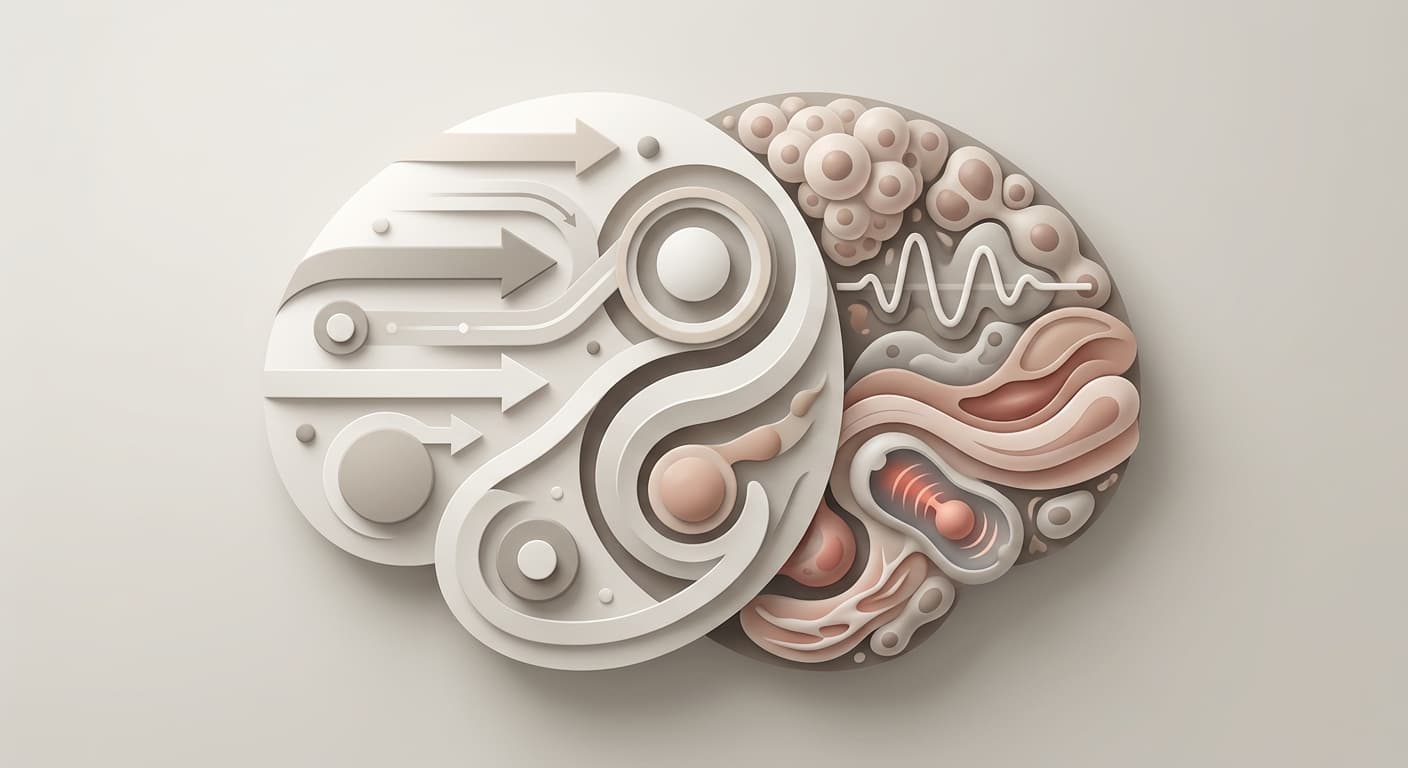
Positive psychology is the scientific study of what helps people, groups, and institutions function well, not only what reduces suffering.
It’s often summarized as "the science of happiness," but that phrase can mislead. The field isn’t a happiness contest. It’s a research agenda focused on measurable topics like:
- Well-being (not just pleasure, but also meaning, engagement, relationships, and competence)
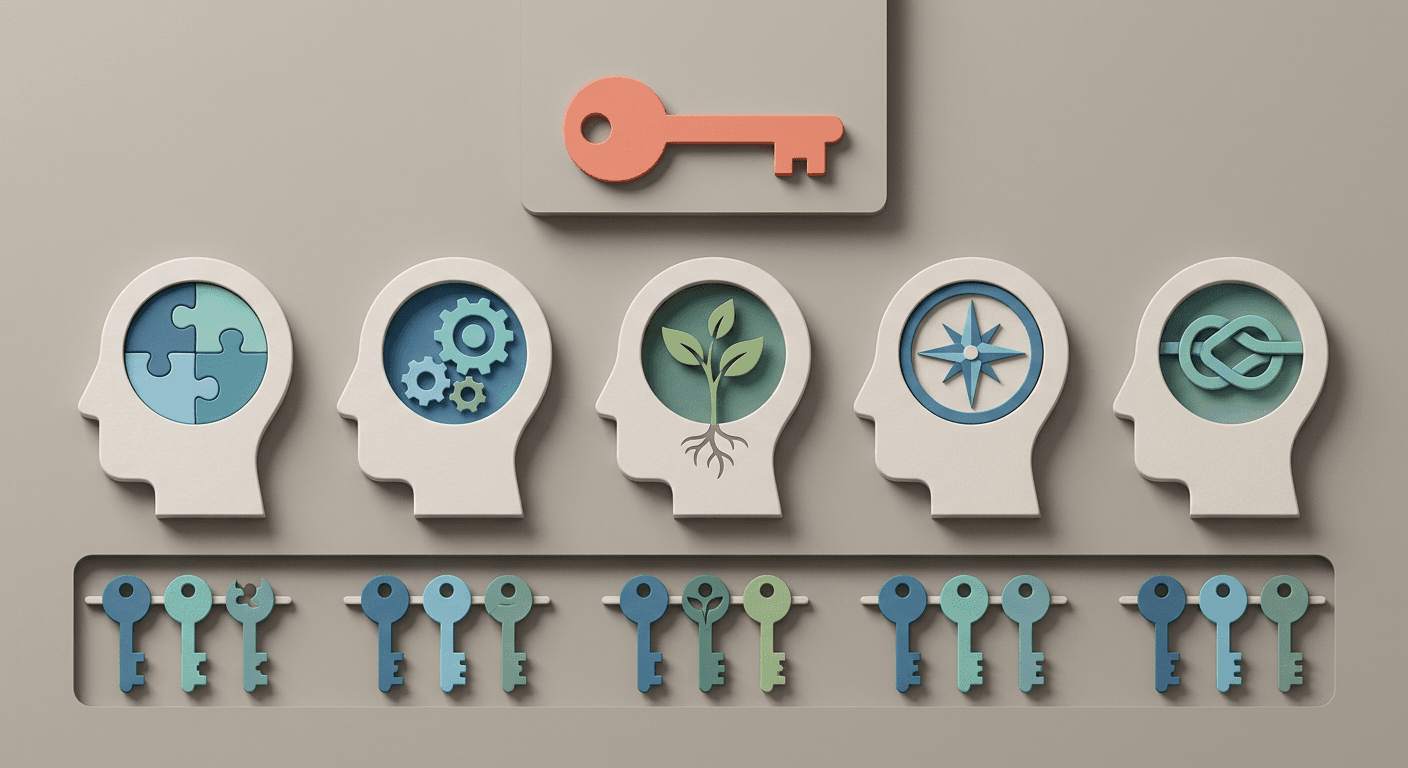
- Strengths (capacities you can develop and apply, such as perseverance, self-regulation, kindness, curiosity)
- Protective factors (resources that help people cope and recover, like social support and effective habits)
- Conditions for thriving in systems (families, schools, teams, workplaces, communities)
A clean mental model is:
- Clinical psychology asks: What reduces suffering and dysfunction?
- Positive psychology asks: What builds well-being and optimal functioning?
They overlap, and they can complement each other, but they are not the same project.
Where does positive psychology come from?
Modern positive psychology is usually linked to the late 1990s, when Martin Seligman (then APA president) argued that psychology had become excellent at studying illness and deficits, but needed an equally serious focus on strengths and flourishing.
Importantly, the idea that humans can cultivate virtues, meaning, and resilience is far older than the 1990s. What positive psychology added was a more explicit commitment to:
- Operational definitions (making fuzzy concepts measurable)
- Empirical testing (what helps whom, under which conditions)
- Practical interventions that can be evaluated and refined
Like any active field, it has also faced critique and “growing pains”, which is normal when a science tries to measure human well-being without oversimplifying it.
How does positive psychology help (in real life)?
Positive psychology helps when it turns "feel good" into "doable and testable."
Under the hood, many interventions work through a few basic mechanisms:
- Attention is limited. Your brain can’t process everything.
- Repeated attention trains perception. What you practice noticing becomes more available.
- Availability shapes interpretation. If your mind can access evidence of competence/support, challenges feel more workable.
- Interpretation shapes behavior. When things feel workable, people try more options, when they feel unsafe, people narrow down, avoid, or freeze.
- Behavior compounds. Small, repeated actions create feedback loops, helpful or harmful.
This is why strengths-based reflection is not “think happy thoughts.” It’s about building flexibility, agency, and realistic resource awareness.
Who is positive psychology for?
Positive psychology is usually a good fit if you:
- Are mostly functioning day-to-day, but want more clarity, meaning, or momentum
- Want to strengthen resilience before a crisis hits
- Want practical, evidence-informed tools for habits, relationships, and self-leadership
- Prefer approaches that focus on what’s working (and how to expand it)
It’s also useful for teams and communities (not only individuals), because systems often shape well-being as much as mindset does.
Who is it not for (or when is it not enough)?
Positive psychology can be unhelpful, or actively harmful, when it’s used to bypass reality.
It’s often not enough on its own when:
- You’re in acute crisis, severe burnout, or experiencing significant symptoms of depression/anxiety
- You’re processing trauma or profound grief and need stabilization and support first
- You need specialized clinical treatment, medication support, or structured therapy
In those cases, positive psychology can sometimes be a later layer (rebuilding meaning, relationships, strengths), but it should not be sold as a replacement for clinical care.
What positive psychology is not (common misconceptions)
1) It’s not “ignore the negative”
Sadness, anger, fear, and grief are not errors. They often contain information: loss, threat, unmet needs, boundary violations.
Positive psychology argues against the belief that pain is the only meaningful topic, not against acknowledging pain.
2) It’s not toxic positivity
Toxic positivity is a social pressure: “Be upbeat no matter what.”
Positive psychology is not a moral rule. A quick filter:
- If a practice makes you less honest, it’s probably not helping.
- If it makes you more capable, including more capable of facing hard truths, it’s closer to the field’s purpose.
3) It’s not self-help hype or guaranteed results
Good positive psychology is specific and testable. It avoids universal promises.
If you see claims like “this works for everyone” or “do this one habit and your life will change,” that’s marketing, not science.
How Mendro fits: reflection + positive coaching psychology
In Mendro, we use positive psychology in a grounded way, we support reflection that helps you notice strengths, build realistic hope, and clarify what matters, without denying hard emotions.
We also support positive coaching psychology, which applies evidence-based ideas from positive psychology in a coaching context. Practically, that means prompts and frameworks that help you:
- Identify strengths and translate them into behavior
- Set values-aligned goals (not just productivity goals)
- Track small experiments and learn what actually works for you
- Build self-compassion and accountability at the same time
Coaching is not therapy, but coaching-informed reflection can be a powerful bridge between insight and action.
Grounded practices to try (no forced optimism)
Strengths re-aim (1 minute)
Pick one strength you already use (curiosity, fairness, persistence, humor, kindness, self-control).
Write one sentence:
“Tomorrow I will use [strength] at [time] in [situation].”
Example: “Tomorrow at 10 a.m., I’ll use curiosity in the meeting by asking one clarifying question before proposing a solution.”
Three-minute reality + resources scan
Set a timer for 3 minutes and write:
- One thing that is hard right now
- One thing you did recently that helped even a little
- One person/skill/support you still have access to
This is not “positive thinking.” It’s an audit of constraints and resources.
Relationship micro-investment
Do one small, specific act:
- Send one message of specific appreciation (“I noticed you did X—thank you.”), or
- Ask one non-“fine” question (“What’s been taking up most of your mental space this week?”)
Small moves, repeated, build trust and connection.
Takeaway
Positive psychology is the science of flourishing: it studies what helps people and communities function well. It’s most useful when it builds honest capability, strengths, meaning, relationships, and resilience, without turning emotions into something to suppress.
Used well (including through tools like Mendro), it becomes a practical way to reflect, learn, and grow. Used poorly, it turns into toxic positivity or false promises. The difference is realism, build well-being without denying real life.