
Negative does not mean bad
Most people use "negative emotions" to mean feelings they want to stop, like anxiety, sadness, anger, jealousy, shame, or boredom. But "negative" usually describes two narrower things, the feeling is unpleasant in the body, and it tends to appear when something matters and is not going well.
Neither of those things automatically makes an emotion harmful. A more useful way to understand negative emotions is as signals and energy. The signal points to what needs attention. The energy helps you do something about it.
The problem is rarely the emotion itself. The problem is what happens next.
What emotions do
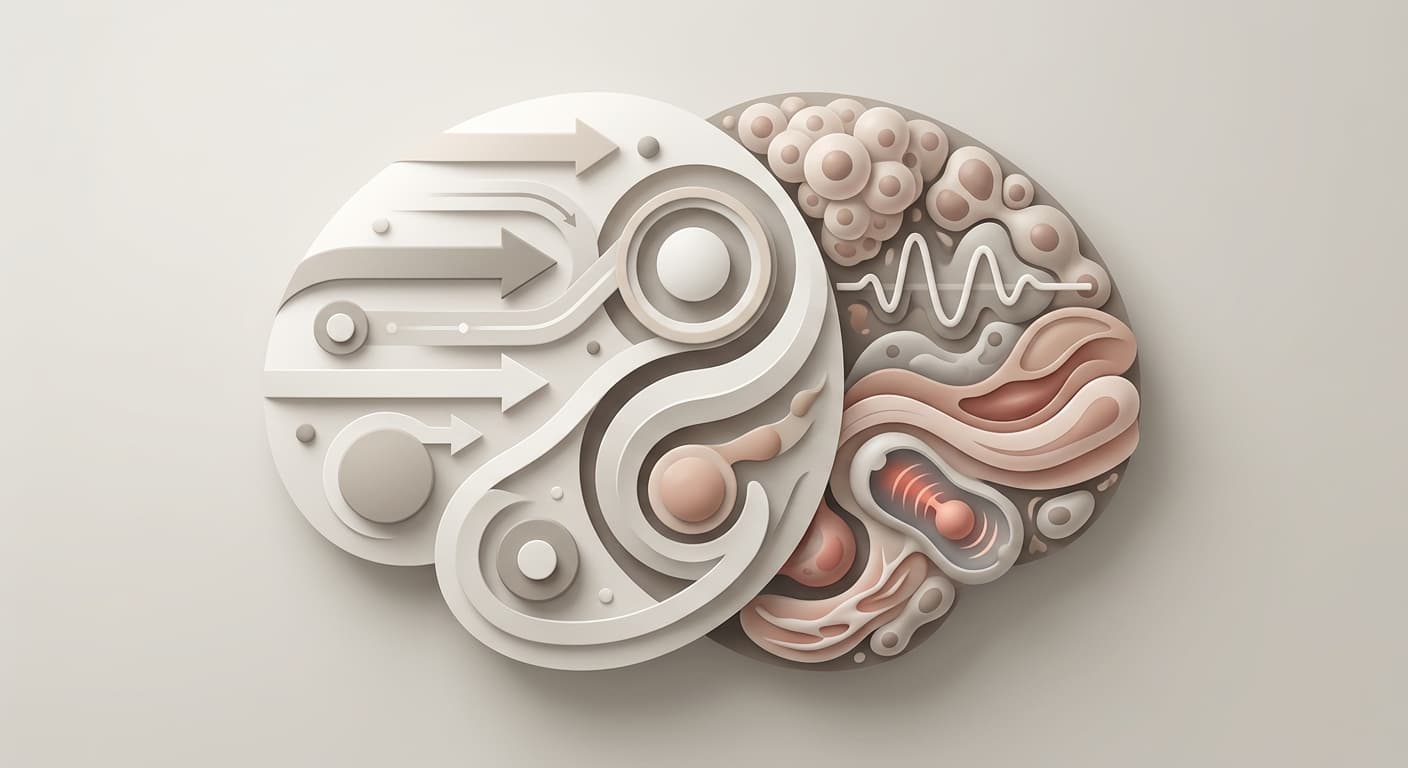
Think of emotion as a fast, whole-body information system. Your brain is constantly predicting what will happen next and whether you are safe, connected, capable, and resourced. When those predictions say "something is off," emotion pushes that information into awareness.
That push has two parts. One part is the feeling, the "taste" of the emotion. The other part is an action tendency, a nudge toward some response. Together they tell you both that something matters and what you could do.
Here are common examples of how that plays out.
Anxiety is preparation
Anxiety rises when the brain detects uncertainty plus consequence, when something could go wrong and you care about the outcome. At its best, anxiety narrows attention, increases vigilance, and motivates preparation. You rehearse, you plan, you double check.
At its worst, anxiety becomes a loop of threat scanning without resolution. You spend energy imagining problems but do not convert that energy into a concrete next step. The same emotion, different regulation.
Anger protects boundaries
Anger often appears when you perceive injustice, disrespect, or a boundary violation. It can energize assertiveness and make you willing to risk conflict to stop harm. The risk is that anger can also prime blame and impulsive action, which can damage relationships if it is the only tool you use.
Sadness helps you slow down
Sadness commonly follows loss, disappointment, or failure. It can reduce risk taking, increase reflection, and shift you into a more careful, detail-oriented mode, the kind you need to learn from what happened or to update expectations. Sadness becomes a problem when it leads to stuckness, isolation, or global hopelessness.
Boredom nudges change
Boredom signals that your attention is under-stimulated or misaligned with your values. It is uncomfortable for a reason, it pushes you to explore alternatives. Sometimes that means finding novelty, sometimes it means reconnecting with what matters. Treat boredom as information, not a personal flaw.
Emotion vs. meta-emotion
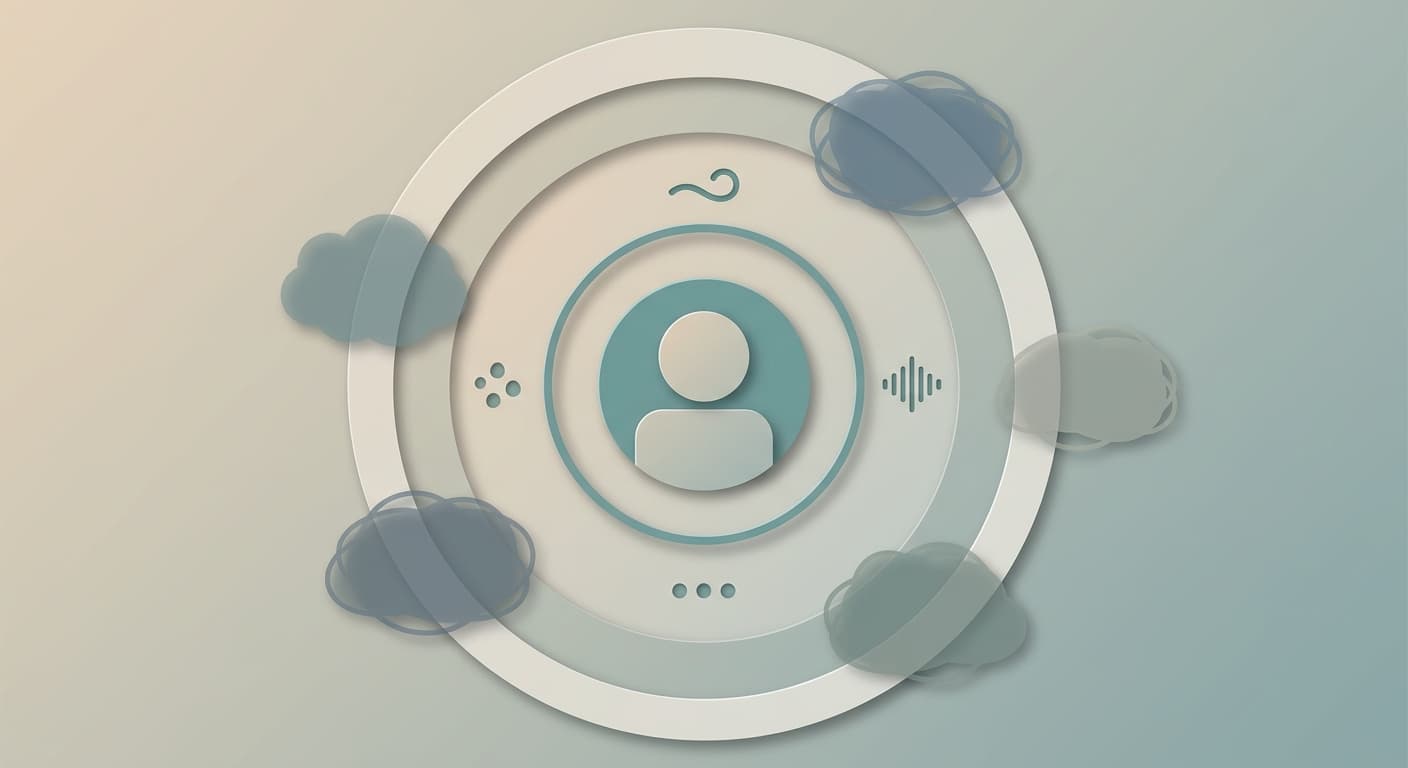
A major source of suffering is not the initial emotion, it is the second layer, the emotion about the emotion, or meta-emotion. You feel anxious and then judge yourself for being anxious. You feel sad and then panic that sadness means something is wrong with you. You feel angry and then feel ashamed.
That extra layer often turns a temporary feeling into a prolonged internal fight. If you can reduce the fight, you usually reduce the duration and intensity of the original emotion. Feeling okay about feeling bad can, counterintuitively, improve mental health.
Suppression is not one thing
People often hear "suppression is bad" and respond by expressing everything immediately. That can backfire. It helps to separate a few behaviors that get lumped together as suppression.
Pushing an emotion away
This is the classic "I should not feel this" move. You try to force the emotion out of awareness. For many people this creates rebound, the emotion returns stronger, or it leaks out as irritability, rumination, or numbing.
Not expressing outwardly
This is different. You might feel angry but choose not to raise your voice in a meeting. You might feel anxious but still give the presentation. That can be a mature, context-aware choice, not a sign of pathology.
Redirecting attention on purpose
Some training approaches teach deliberately interrupting unwanted negative imagery or thoughts, which can reduce their vividness and emotional impact over time. This is not an instruction to "just suppress it" in every case. The outcomes depend on how you do it, what you are suppressing, and whether it is part of a broader regulation strategy.
Healthier regulation
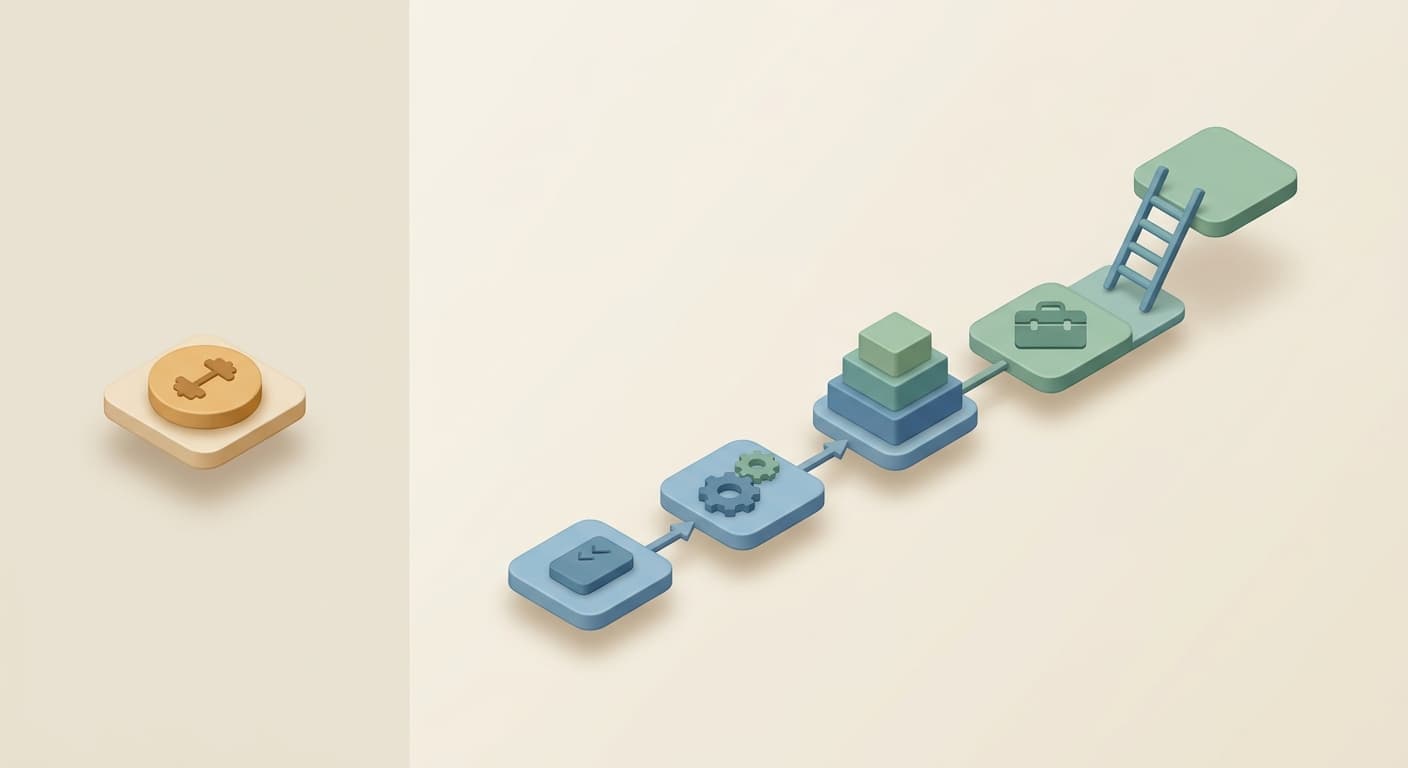
Emotion regulation is not "be positive." It is a set of skills that lets you stay in contact with reality while choosing a response you can live with. In practice, this often looks like three steps.
Step 1: Name it
Putting a name on the feeling moves it from pure sensation into something you can relate to. Instead of "I am spiraling," say, "This is anxiety. It is here because the outcome matters and I do not have full control." That small shift creates more options.
Step 2: Validate the signal
Validation is not agreement. It is acknowledging the emotion has a reason. If you are angry, the emotion may be pointing to a boundary. If you are anxious, it may be pointing to uncertainty. You can respect the signal without obeying the first impulse it offers.
Step 3: Choose a fitting response
This is where regulation becomes visible. Anxiety might lead to a checklist and a deadline, not another hour of rumination. Anger might lead to a direct conversation, not a sarcastic comment. Sadness might lead to reaching out, not withdrawing. Boredom might lead to adjusting a task, not passive scrolling.
If you use Mendro, a neutral practice is to write three lines, what the emotion is pointing to, what interpretation you are adding, and one response you would respect tomorrow.
Mixed emotions
Many meaningful moments include mixed emotions, like pride and grief, relief and sadness, excitement and fear. Mixed feelings are sometimes confusion, but often they are a sign of psychological flexibility and integration. Holding good and bad at once is part of metabolizing complex situations.
When emotions stop helping
Negative emotions stop being useful when they become chronic, disconnected from present reality, or fused with identity. They stop helping when they narrow behavior instead of guiding it, or when they pair with harsh meta-emotions like shame. They also stop helping when they signal a need for more support than self-regulation can provide.
If negative emotions persist, impair sleep, work, or relationships, or include thoughts of self-harm, it is important to seek professional help. This article does not romanticize suffering, it aims to offer a clearer model.
Emotional health
Emotional health is not the absence of negative emotions. It is the ability to notice them early, interpret them as information, allow them without escalating the fight, and respond in ways that protect what matters.
Negative emotions are part of a functioning system. Treating them only as enemies often creates a second problem. Treating them as signals gives you clarity, and with clarity you get more choice.