

Mindset is not motivation
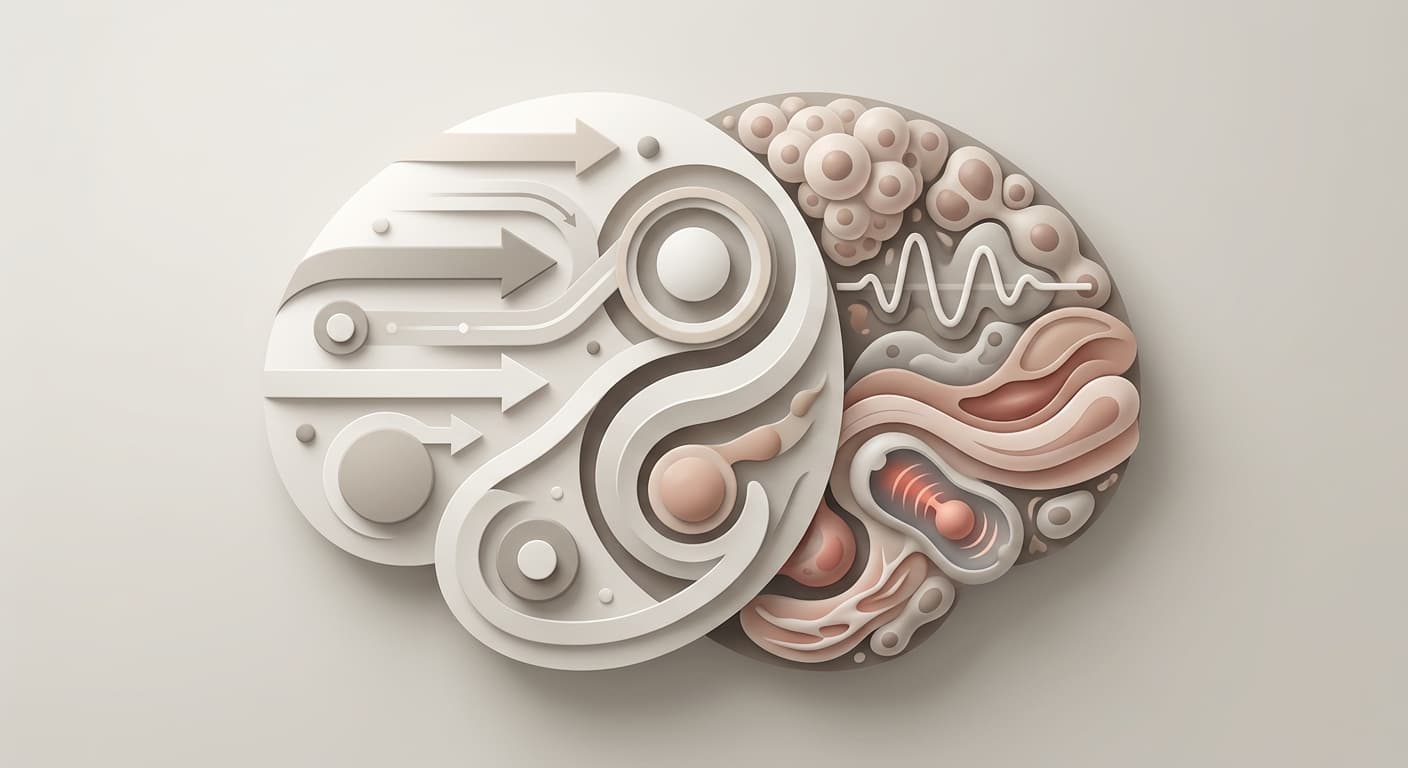
When people say "mindset matters," they often mean something vague like "stay positive." In psychology, mindset is narrower and more useful. A mindset is a set of beliefs and assumptions that shapes how you interpret situations, especially effort, ability, success, and failure. It is less like a mood and more like a lens.
Two people can feel equally disappointed after a setback, but their mindsets can push them toward different next steps. The core claim is simple: mindset influences behavior by changing how you interpret experience.
What it means
The best known distinction is between two basic views of ability.
- Fixed mindset, where ability is seen as relatively stable.
- Growth mindset, where ability is seen as something that can develop with learning and effective effort.
This is not about pretending you can do anything. It is about what you believe ability is made of, and what that belief makes sensible when things get hard. A short way to notice the difference:
- Fixed mindset asks, "What does this difficulty say about me?"
- Growth mindset asks, "What is this difficulty asking me to learn?"
That small shift in interpretation changes where you focus attention, how you explain outcomes, and whether you approach or avoid a challenge.
Why mindset changes behavior
Mindset matters because it runs a three-step chain that links beliefs to outcomes.
Step 1: Meaning
Mindset helps you assign meaning to effort and failure. If ability is fixed, struggle often looks like evidence of low ability. If ability can grow, struggle looks more like useful information, a signal that a strategy needs changing, or that more practice is required. This meaning-making step comes before willpower.
Step 2: Goals and strategies
Once difficulty has a meaning, you adopt goals that match it. If struggle implies "I might not be capable," you tend to protect your image. You pick safer tasks, avoid feedback, and disengage sooner. If struggle implies "I am learning," you are more likely to seek feedback, experiment with strategies, and persist longer. Mindset does not push you forward directly, it reorganizes what feels sensible.
Step 3: Compounding effects
Small behavioral differences accumulate. Taking more feedback, practicing deliberately, and staying engaged a bit longer build skill over time. Improved skill then reinforces the belief that effort pays off, which makes a learning-oriented mindset easier to sustain. This compounding loop is why mindset can look powerful, without being instant change.
Limits of mindset
Mindset is a piece of the system, not the whole system. Treating it as the only solution leads to frustration and blame.
Mindset is not skill. Reframing failure to keep showing up helps, but improvement depends on concrete skills and effective practice. Persistence without useful technique can be repetition, not progress.
Mindset does not override environment. Beliefs can help you interpret setbacks, but they cannot create time, money, safety, mentorship, or fair access. Mindset is most useful when the environment is good enough for effort to translate into learning.
Mindset effects vary. The influence of beliefs depends on domain, age, the type of task, and whether the surrounding culture rewards learning rather than only ranking. There is no clean promise that adopting a growth mindset will solve every problem. It is one variable among many.
How to use mindset, practically
Make mindset a diagnostic tool, not a slogan. When you feel stuck, use these steps.
Name the story you are telling. Notice the automatic conclusion that pops into your mind, for example: "If this is hard, I am not cut out for it," or "If I ask for help, people will think I'm incompetent." These are interpretations, not facts.
Turn interpretations into testable questions. Replace verdicts with small experiments. For example, instead of "I am bad at this," try "What is one specific sub-skill I can practice for 20 minutes?" Instead of "This feedback means I failed," try "What is the smallest change that would address the feedback?" This moves meaning into action.
Build an environment that rewards learning. Track practice time, not only outcomes. Seek feedback in small doses rather than only at high-stakes moments. Set tasks at the edge of your competence where improvement is possible. Mindsets are reinforced by the cues and incentives around you, so change the cues to change the habit.
Simple answer
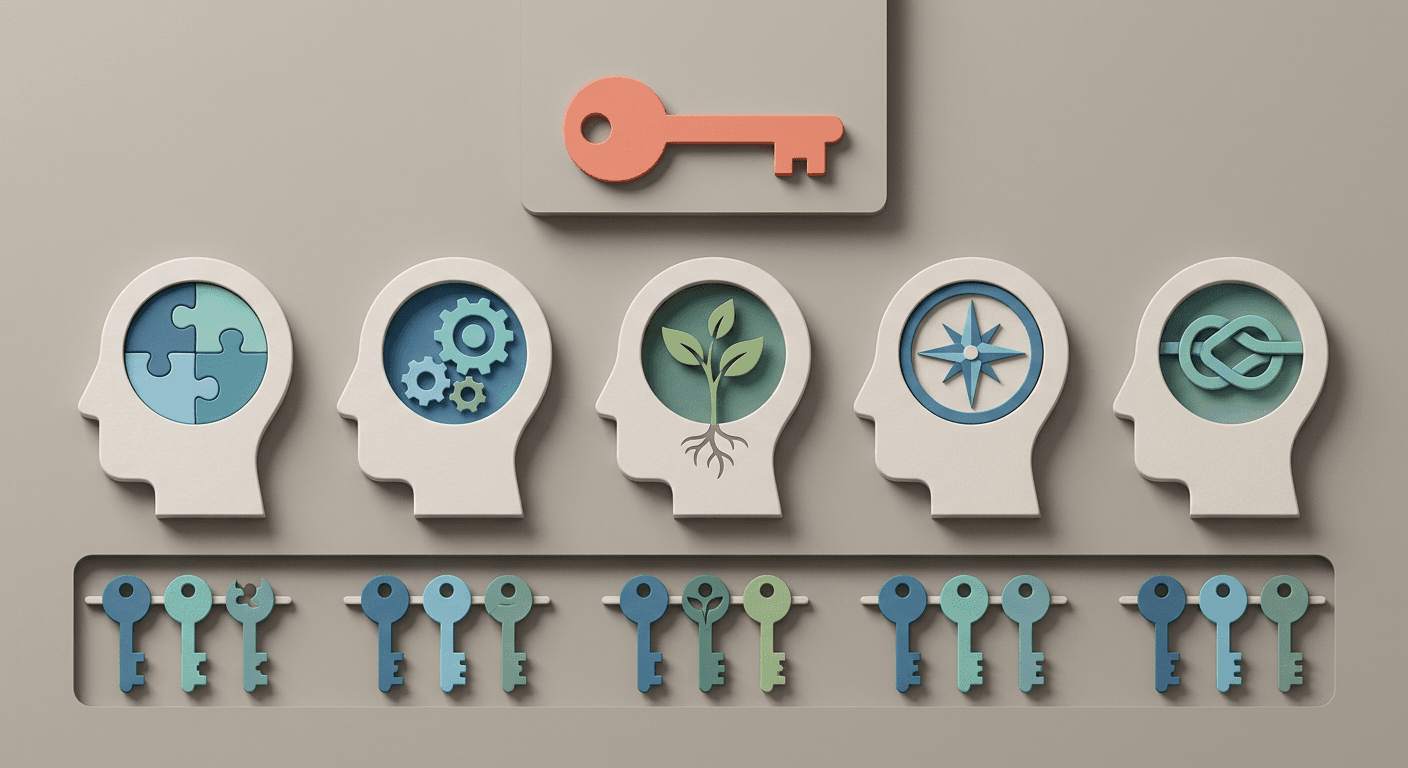
Mindset is important, but it is not a master key. It matters because it shapes how you interpret difficulty, and those interpretations steer what you do next. Over time, behavior compounds into skill and outcomes. But mindset cannot replace skills, resources, rest, or fair opportunities.
If you want to use the idea well, focus on the mechanism: when something is hard, what meaning do you assign, and what action does that meaning make you choose? That is where mindset has real influence, and where its limits become clear.