
What mental health is
"Mental health" gets used in different ways. People often mean one of three things: mood, like feeling calm or happy; diagnosis, like depression or anxiety; or functioning, like thinking clearly, working, and staying connected to others.
A practical definition treats all three without collapsing into any one. One useful way to think about mental health is as a steady inner capacity. Not perfection, and not constant positivity. More like stability that bends without breaking.
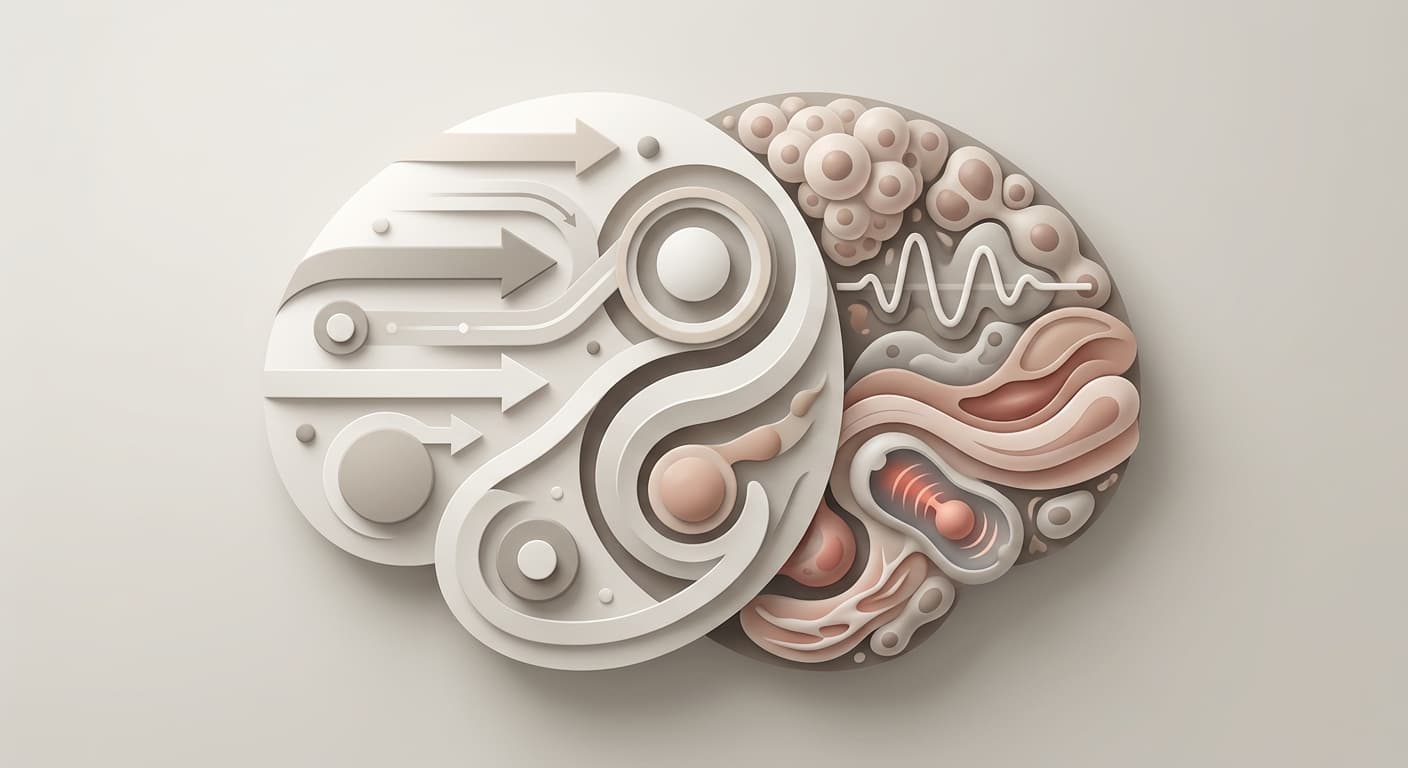
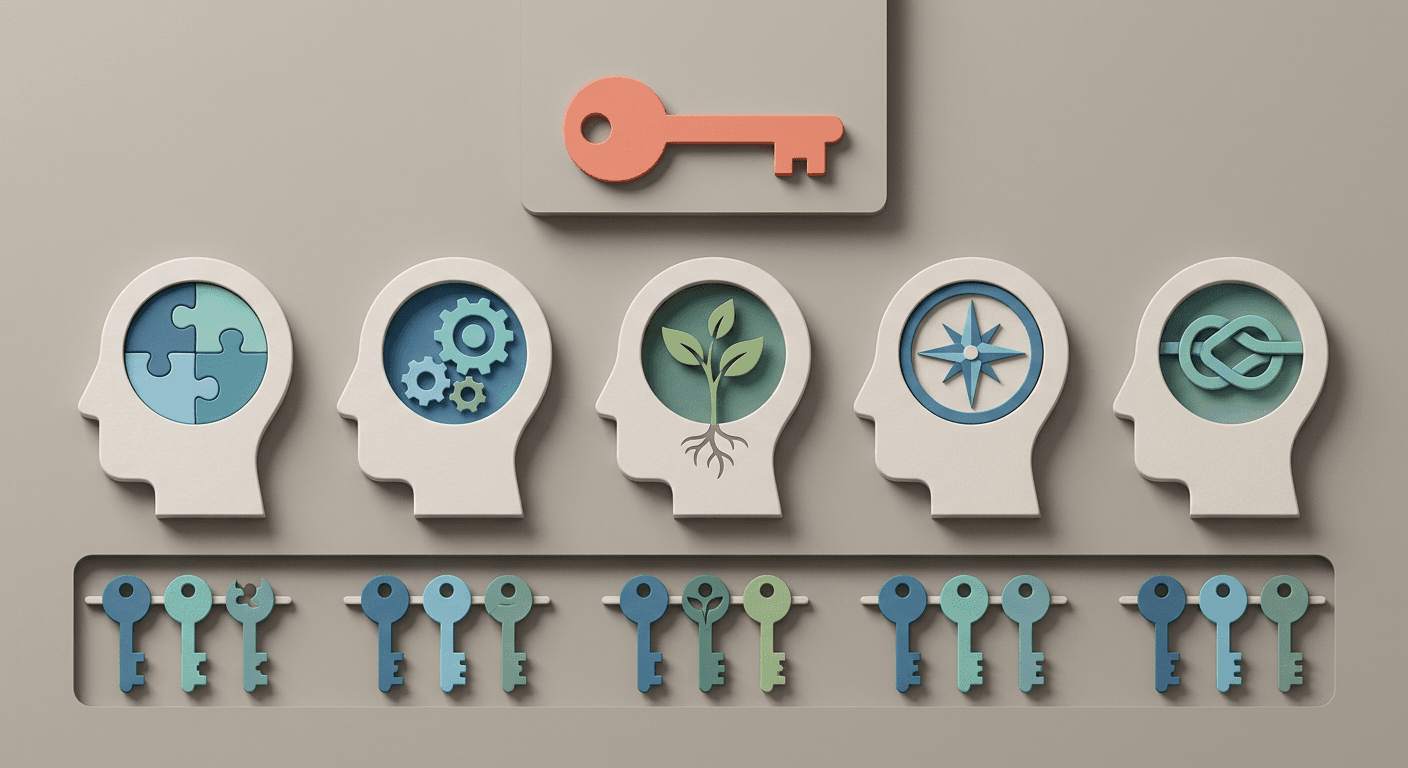
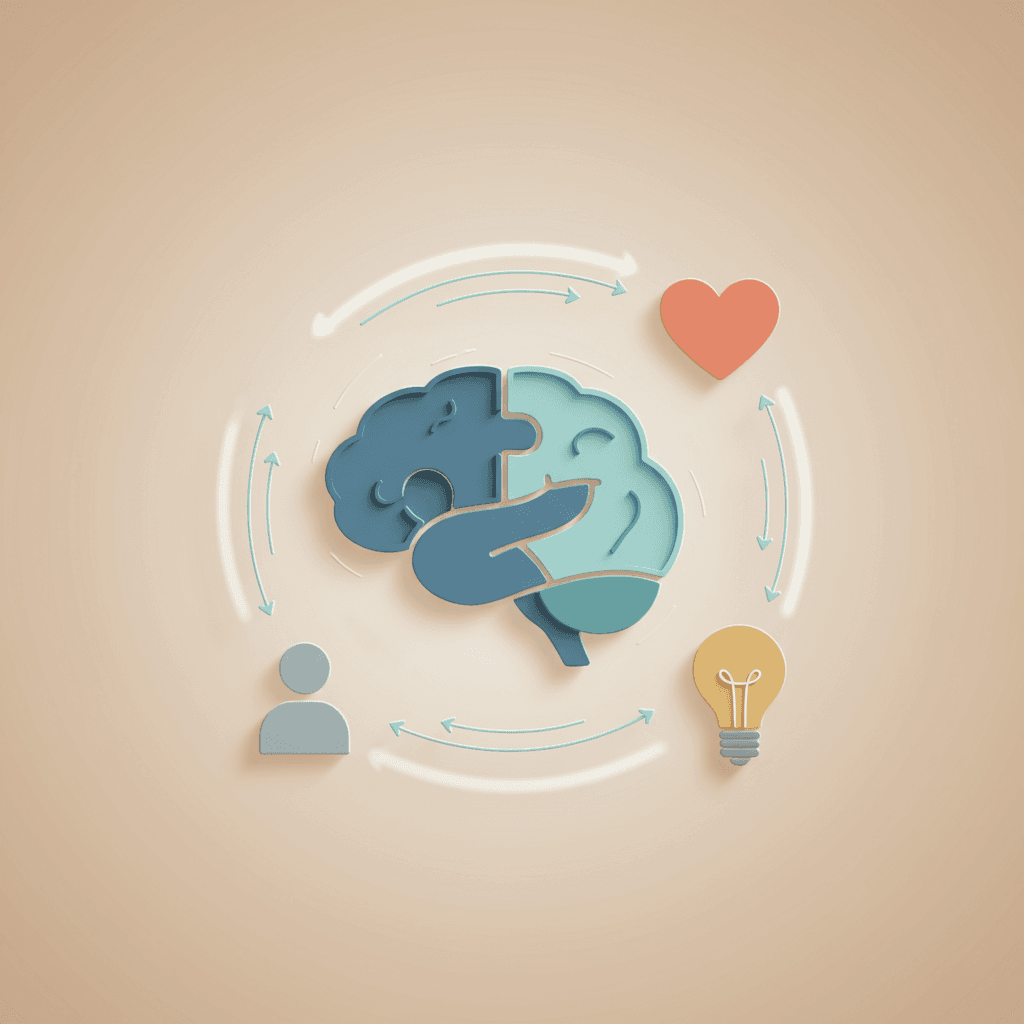
Modern definitions describe mental health as a dynamic state of internal equilibrium. It supports using your abilities in ways that fit your social environment, and it includes basic cognitive skills, emotion recognition and regulation, empathy, flexibility under stress, and a working relationship between body and mind. The key word is dynamic: mental health is something your system keeps rebalancing as life changes.
Mental health vs illness
It is common to treat mental health and mental illness as opposite ends of a single line. In practice they overlap and can move independently.
You can have a diagnosed condition and still have strengths in coping, relationships, and self-knowledge. You can also be undiagnosed and be struggling in ways that deserve attention.
A practical distinction:
- Mental health is the foundation that supports emotions, thinking, relationships, learning, resilience, and sense of self.
- Mental illness involves patterns of symptoms that cause significant distress and make daily functioning harder.
This distinction matters because it changes what you do next. Treating every hard week as "I must be mentally ill" can lead you to miss simpler fixes, such as rest, boundaries, or social support. Treating a persistent, impairing pattern as "just stress" can delay the help that would actually work.
How it works
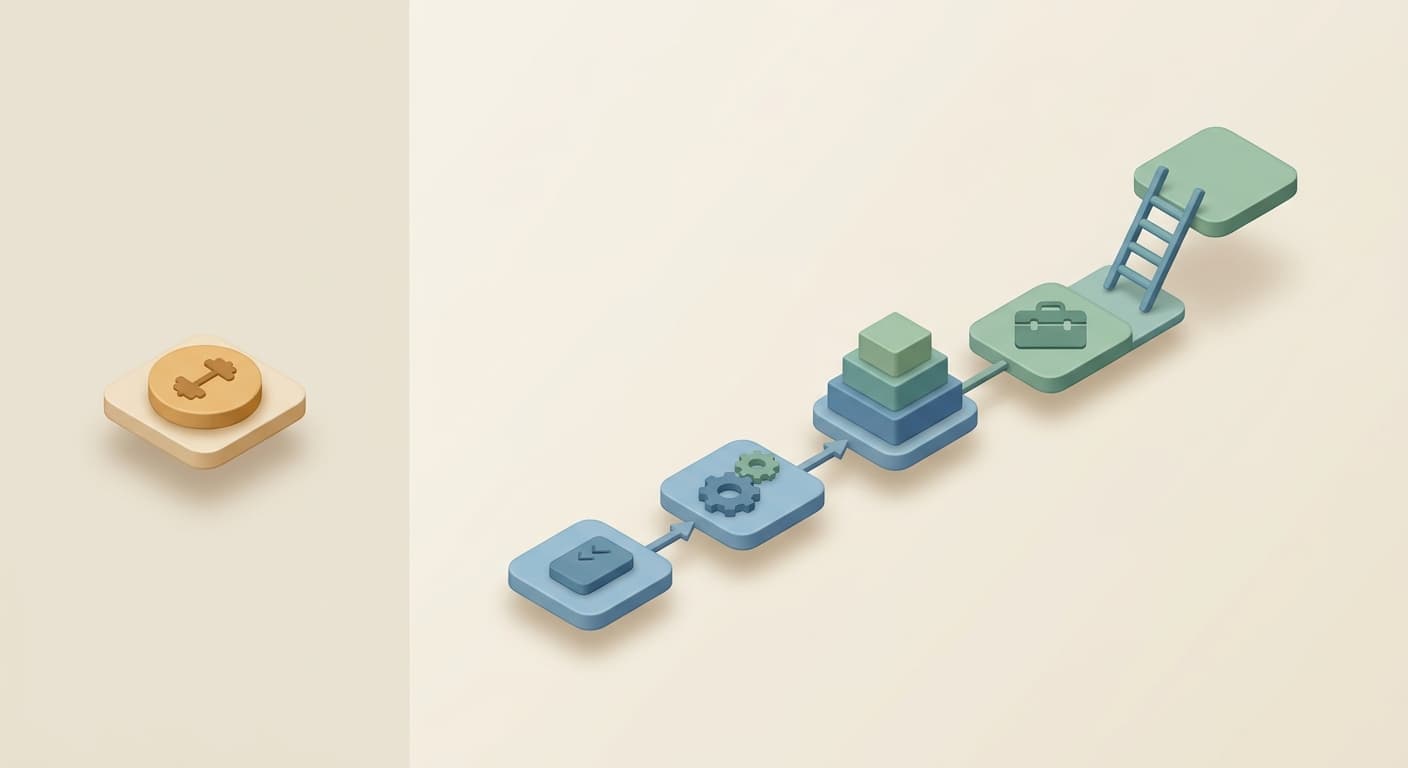
When someone says "my mental health is worse," they are often describing a shift in the balance between demands and regulation. Below is a simple causal chain that explains what is happening underneath.
Life demands increase signals
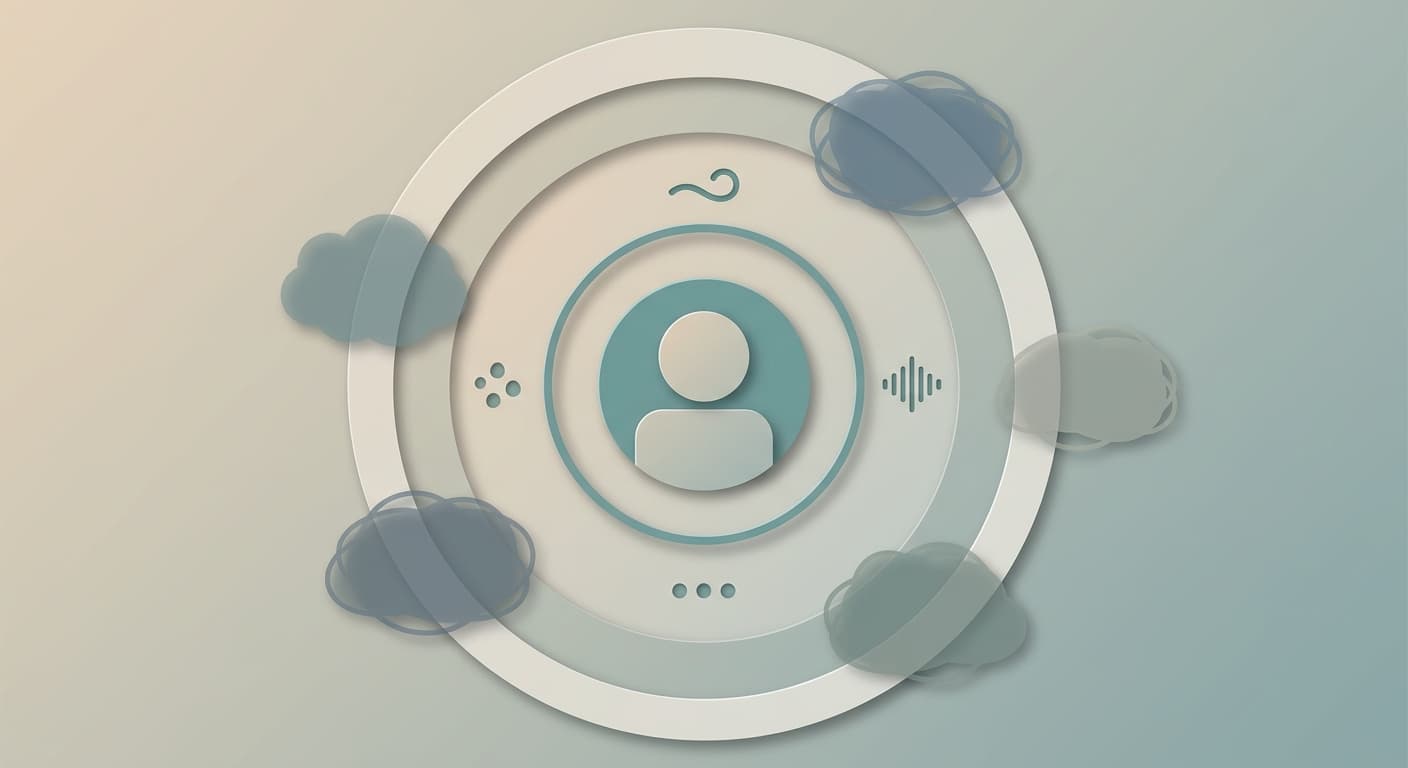
Your brain and body constantly generate signals about needs and threats: tiredness, worry, sadness, irritation, pain, loneliness, uncertainty. These signals are information, not failures. When demands pile up, the signals get louder and more frequent.
Regulation meets signals
Regulation is the skill of noticing signals, naming them, and choosing responses that reduce harm. It does not mean suppressing feelings. When regulation is working, you can feel fear and still ask, "What is the next sensible step." When regulation is strained, fear can turn into avoidance, panic, rage, or shutdown.
Thinking and connection restore balance
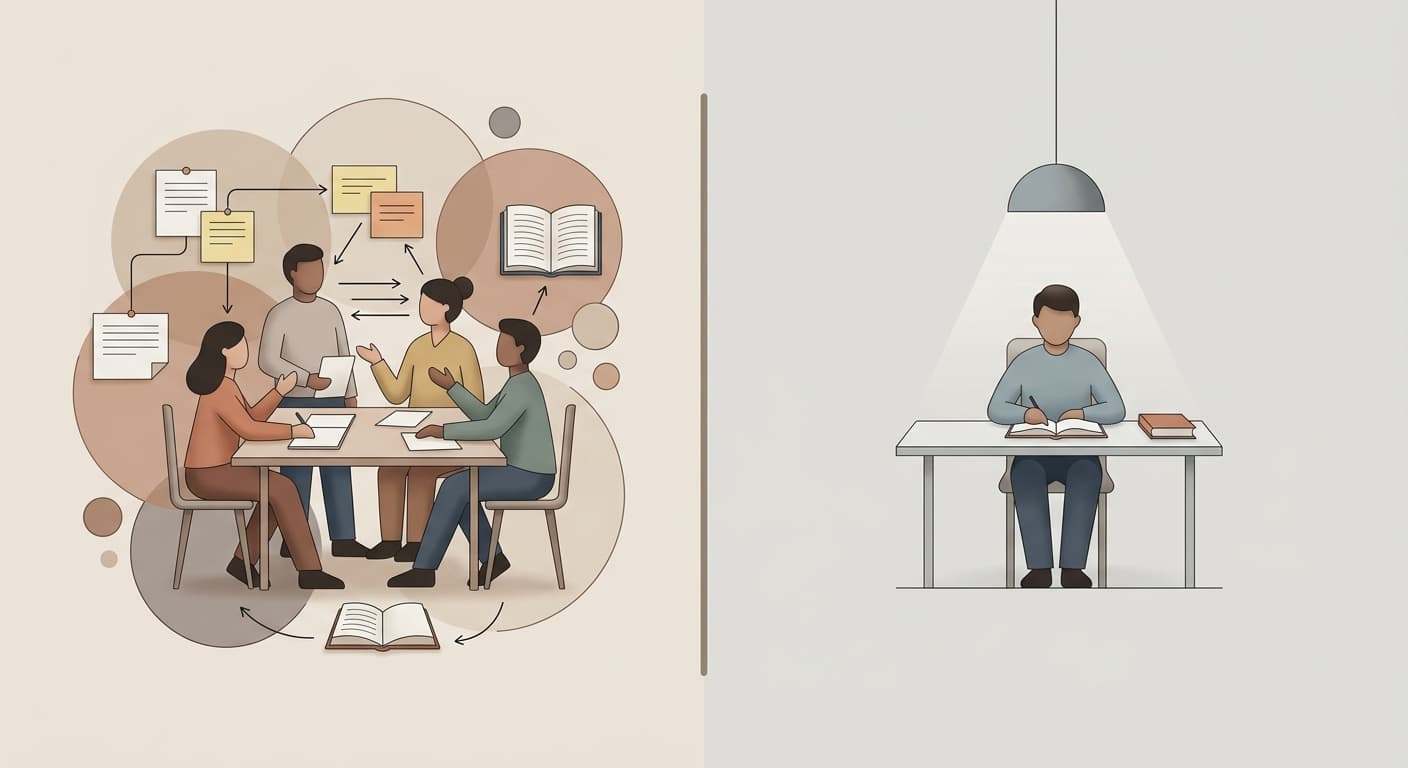
Returning to equilibrium is easier when you can make sense of what is happening, stay connected to other people, and flex your approach when reality changes. Cognitive clarity, social skills, and psychological flexibility help you choose actions that reduce pressure.
Body and mind interact
Sleep loss, chronic pain, inflammation, substance use, and prolonged stress responses change mood, attention, and impulse control. If your body is running on depleted resources, your mind looks less resilient even if your core character has not changed. Mental health works as a system, not a moral score.
What steady mental health looks like
Good mental health is quieter than people expect. It does not mean always feeling calm or always being productive. It looks more like practical stability in everyday life.
Typical signs of steady mental health:
- You still have a full range of emotions, but feelings do not constantly drive your choices.
- You recover after conflict and can repair relationships.
- You tolerate uncertainty without needing to solve it immediately.
- You can ask for help when you need it.
- You enjoy things without needing them to rescue you.
- You can do your role in life even when you are not at your best.
This picture includes imperfect functioning. You may have limits in one area and strengths in another that help keep things working. That is normal.
Signs of strain
Strain is your system warning that equilibrium is harder to maintain. Not every strain is a disorder, but strain matters.
Common signs:
- Emotional reactions feel bigger or blunted compared with the situation.
- Small tasks take outsized effort.
- Sleep stops feeling restorative.
- You withdraw from people, or cling in ways that are not like you.
- You cannot focus, or you cannot stop focusing on one worry.
- You increasingly use numbing behaviors, such as constant scrolling, drinking more, overeating, overworking, or other distractions.
A simple test is: Is this causing distress, or is it starting to shrink my life? That question shifts attention from mood alone to functioning.
Why it matters
Mental health is infrastructure. It shapes how you interpret events, respond under stress, repair relationships, learn, and make decisions when feelings are loud. It also tends to be easier to maintain than to rebuild.
If mental health is only treated as a crisis topic, everyday practices that keep equilibrium steady get overlooked. Protecting sleep, maintaining nontransactional relationships, and building routines that allow recovery are preventive steps that pay off.
And sometimes the most helpful thing is simply noticing change early. Mendro is built for that: tools that track patterns in emotion, thinking, and coping can help you spot small shifts, like shorter patience, heavier self-talk, or more avoidance, before things fully fall apart. When you can see the pattern, you can respond sooner with sleep, support, boundaries, or professional help, instead of waiting for a breaking point.
Limits and unknowns
We know mental health is more than the absence of illness, and that it involves functioning, coping, relationships, and emotion regulation. Definitions vary across cultures and contexts, and even thoughtful models are not perfect measurement tools.
Mental health is real, but it is not always cleanly measurable. The goal is not to label yourself perfectly every day. The practical aim is to stay oriented to what supports equilibrium and to notice when that equilibrium becomes harder to maintain.
One mental model
If you want one idea to carry forward, try this: mental health is your capacity to return to balance. Not instantly, not without help, and not without pain. But with enough inner regulation, clear thinking, and human support, life stays livable even when it is difficult.