
Why these emotions matter
When people say "mental health," they often mean mood, stability, or resilience. In everyday life, mental health is also shaped by what your mind is repeatedly invited to do.
Some emotions narrow attention to survive a threat. Others widen attention so you can connect, learn, and recover.
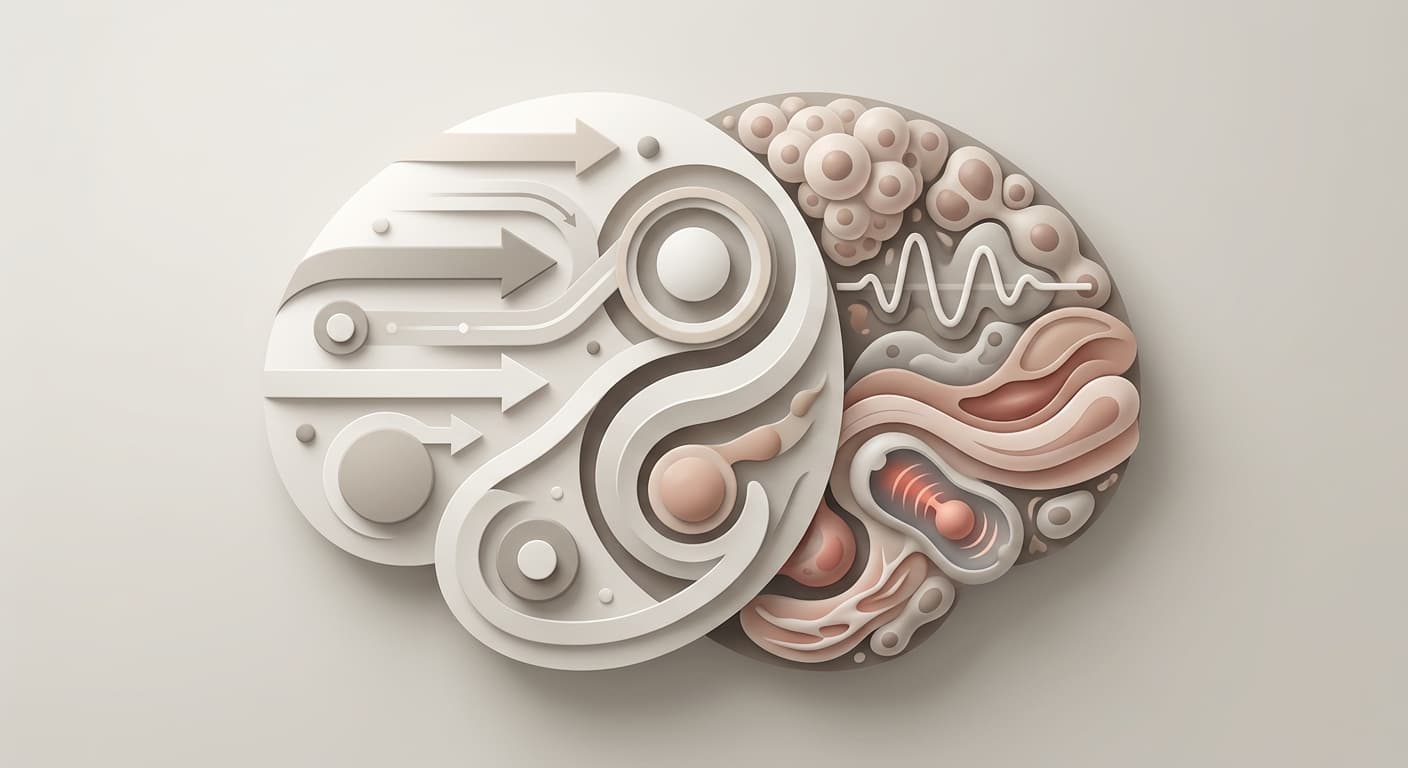
Love, pride, and interest are three positive emotions that widen attention in different ways. They are not interchangeable. Love organizes us around connection and safety. Pride organizes us around competence and earned status. Interest organizes us around learning and exploration.
Seeing these distinct roles makes it easier to use them wisely, and to avoid common traps where they become brittle or performative.
How positive emotions help
A useful model is the broaden-and-build idea in simple terms:
- Positive emotions broaden what feels possible in the moment.
- That broader state leads you to act in ways you would not when anxious, ashamed, or depleted.
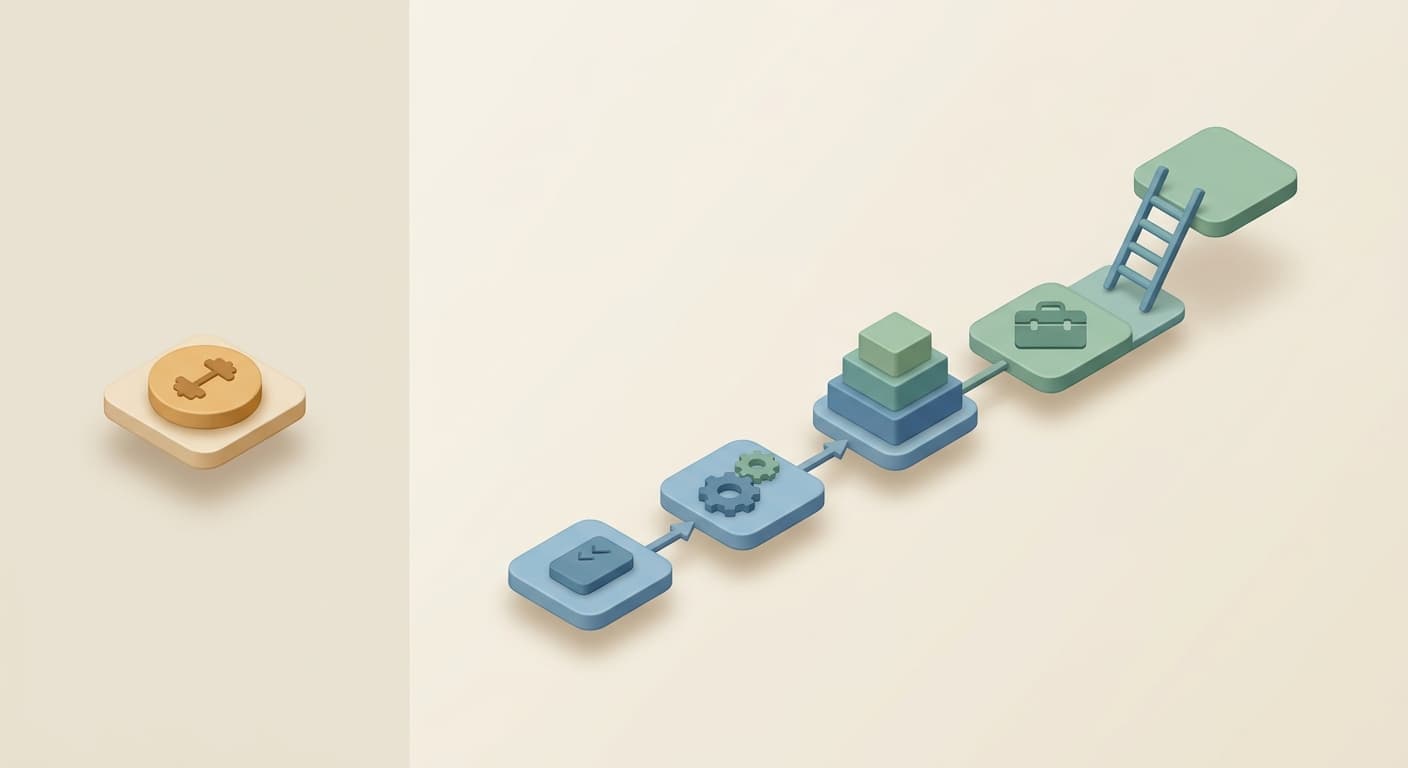
- Repeated actions build durable resources, like relationships, skills, and a sense of capability.
- Those resources make you more resilient when life gets hard again.
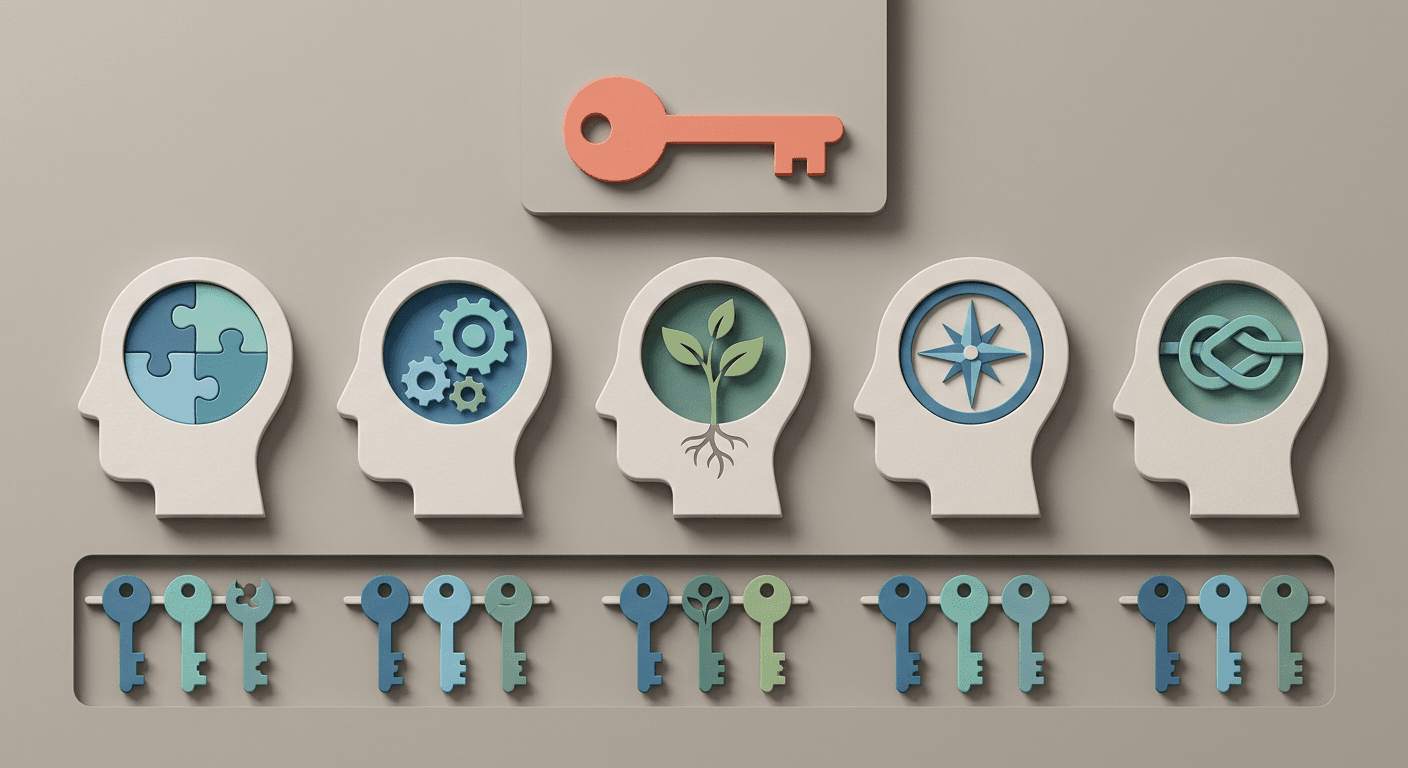
This matters because mental suffering often comes with a predictable cognitive pattern, narrowing. When you are depressed or anxious, attention and options shrink. Rumination tightens. Social behavior retracts. Positive emotions help by opening the mind, each through a different doorway.
Love and mental health
Love supports mental health most reliably when it creates a felt sense of safety and belonging. That can come from romantic partners, family, friends, or simply knowing someone cares about you.
What happens
Two changes tend to happen when you feel loved. First, the body's threat system has less to do. Feeling safe reduces stress reactions in hormones and cardiovascular responses. Expressing or receiving affection can blunt stress physiology, and that lowered physiological load helps mental recovery over time.
Second, the mind has more room for repair. In a safe bond you are more likely to interpret challenges as manageable, ask for support, and return to baseline after conflict. That recovery is a quiet pillar of mental health.
How love works in practice
Good relationships do not fix everything. Instead, the right kind of relationship creates conditions where emotional regulation becomes easier, not harder. Love's benefits are often about what the feeling reliably causes people to do: reach out, repair after conflict, and invest in long-term support.
Where love can stop helping
Love is not automatically healthy. If a relationship is insecure, controlling, or obsessive, it can increase threat rather than reduce it. Early-stage infatuation may also add uncertainty and intense reward seeking that feel destabilizing for some people. When love repeatedly raises vigilance and stress, it stops acting as a buffer and becomes a stressor.
Pride and mental health
Pride often gets a bad rap. It can look like arrogance. But pride can also be the signal that your effort led to progress, and that the progress is yours to claim.
What happens
Pride supports mental health through two linked mechanisms. One is agency, the sense that your actions matter. Pride grounded in effort reinforces a learning loop: when I try, things change. That loop protects against helplessness, which contributes to depression.
The second is identity stabilization. Pride helps build a coherent self-story: not just "I succeeded once," but "I can persist." That coherence reduces internal friction and makes choices clearer, supporting mental clarity.
A healthy form of pride
Keep pride tied to process, not global worth. Saying, "I am proud I practiced," or "I am proud I apologized," acknowledges effort without turning self-worth into something fragile that must be defended. That version of pride builds motivation and resilience.
Where pride can stop helping
Pride becomes costly when it depends on external ranking, constant winning, or never being wrong. If failing means feeling "less than," pride shifts into threat-management, and threat-management narrows the mind rather than broadening it.
Interest and mental health
Interest is the emotion behind curiosity, the urge to find out more. It is not as warm as love or as affirming as pride, but it is powerful for mental clarity because it changes attention.
What happens
When you are interested, attention moves toward information instead of away from discomfort. That shift can interrupt rumination and avoidance. Interest encourages exploring, learning, and testing. Over time that builds cognitive resources: knowledge, problem-solving skills, and confidence in uncertainty.
This matters for anxiety. Anxiety treats uncertainty as danger. Interest treats uncertainty as information.
Everyday examples
Small instances of interest add up. You might notice what triggers stress at 3 p.m., observe how your mood follows sleep, or wonder what kind of friendship actually replenishes you. Asking one direct question and testing it gently in the real world can provide orientation and reduce feeling stuck.
Where interest can stop helping
Interest can become overconsumption. Endless researching or optimizing can turn into avoidance if it replaces action or connection. If curiosity keeps you in your head and away from your life, it stops building resources.
How they work together
These three emotions cover different psychological jobs. Love supports connection and nervous system safety. Pride supports agency and persistence. Interest supports flexibility and learning.
When mental health is shaky, people often lose one of these first. They stop reaching out, so love has fewer places to land. They stop acknowledging progress, so pride never arrives. They stop exploring, so interest goes quiet and the mind becomes rigid.
Mental health is not just the absence of pain. It is also the presence of internal conditions that make adaptation possible.
Simple ways to apply
You do not need to manufacture feelings on command, but you can design small conditions that make them more likely.
Love, prioritize one brief interaction each day that feels safe and mutual. Pride, name one effort-based win privately, without arguing about whether it counts. Interest, ask one real question about your experience, then test it gently.
A neutral tool can help you notice patterns, like what reliably increases safety, agency, or curiosity, without turning progress into performance.
What we know
We have good conceptual evidence for why positive emotions support resilience, and solid evidence that loving, supportive relationships link to better mental health across contexts.
Evidence for pride and interest is often more conceptual and mechanism-based, and it is harder to isolate these emotions as direct causal ingredients the way relationship quality can be studied. That does not make pride and interest unimportant. It means being honest about the current level of precision.
The reliable takeaway is not "feel these three emotions more." It is build conditions where connection is safe, effort is acknowledged, and curiosity is allowed. Those conditions make it easier for the mind to broaden, recover, and adapt.