
Why habits matter
If you want to improve your mental health, it is tempting to search for a single decisive change. The truth is most shifts come from repetition, not one dramatic fix.
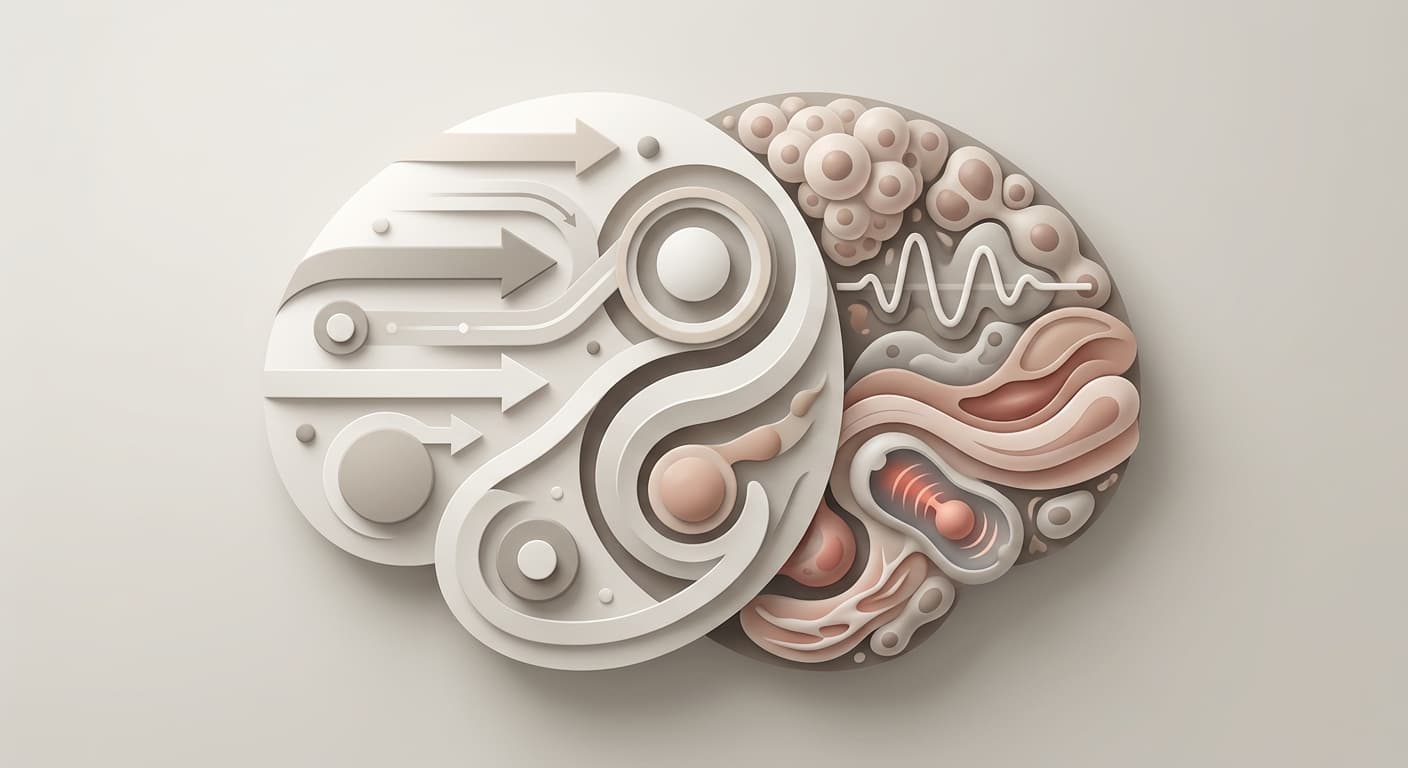
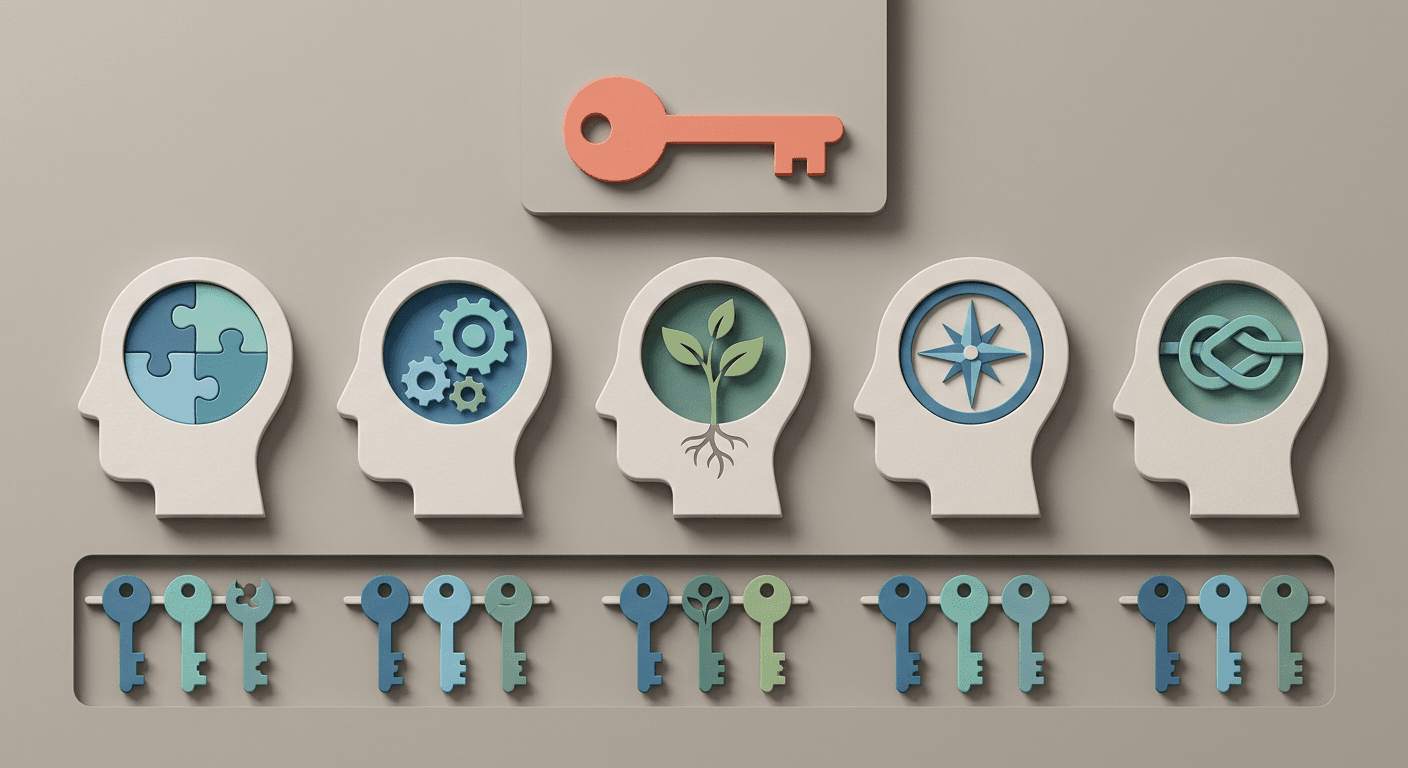
Your brain is constantly asking a few practical questions: Am I safe, or should I stay on alert? Do I have enough energy for today? Can I focus, or do I need to scan for problems? Am I supported, or alone? Daily habits, like sleep, movement, meals, connection, and short pauses, send regular answers to those questions. Over time they tune how reactive or steady you feel.
This guide focuses on a few realistic practices you can repeat. It also explains what habits can and cannot do, and when to get help.
How habits help
Mental state is not only thoughts. It includes how your body is regulated. When stress stays high, predictable things happen: sleep worsens, attention narrows toward threats, background muscle tension increases, and patience with others drops. Those changes make coping harder and reduce support, which then raises stress again.
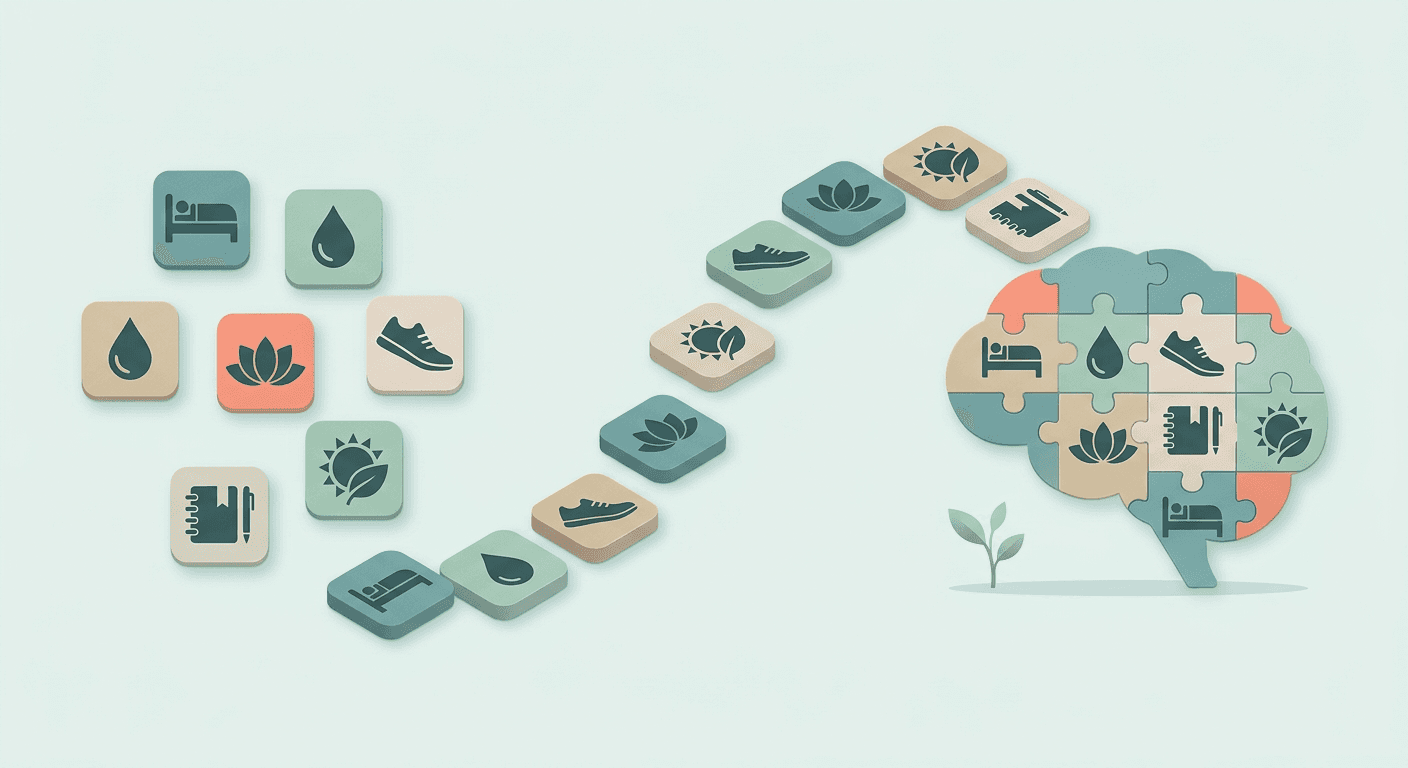
Everyday habits interrupt that loop. They do not solve every life problem. Instead, they reduce the background load that makes small problems feel large. By stabilizing sleep, energy, attention, and social contact, habits lower the "cost" of being you. With lower cost, your thinking, relationships, and coping skills work better.
Stabilizing habits
The most helpful habits tend to do two jobs: reduce unnecessary stress load, and make days more predictable in a calming way. Routines are useful not because they force discipline, but because they limit decisions when you are already tired, and they remove small uncertainties that trigger stress.
You do not need a rigid schedule. You need a few reliable anchors that you can keep most days.
Protect sleep
Sleep is more than rest, it helps process emotion and reset reactivity. When you are sleep deprived, small events feel bigger and coping skills are harder to access.
Aim for a repeatable sleep rhythm rather than perfection. Practical steps that lower sleep friction:
- Pick a rough wake time you can keep most days.
- Get daylight within the first hour after waking, even a brief walk or standing by a window.
- Make the start and end of your day low-input: first and last 30 minutes without news, social media, or intense problem-solving.
- If you cannot sleep, keep the night boring. Dim lights, low stimulation, and no attempts at major problem-solving help your nervous system settle.
Protecting small windows at the start and end of the day is an easy way to signal safety to your body.
Move regularly
Movement helps mood through brain chemistry and through identity. Doing a small activity consistently builds confidence that you can keep promises to yourself.
Avoid the "all or nothing" trap of intense plans you cannot sustain. Try this steadier approach:
Choose a minimum dose you can do on bad days. Make it frictionless: same time, same shoes, same route. Let it be ordinary. Thirty minutes of walking is enough to matter and is often easier to keep than sporadic high-intensity workouts.
If you already exercise, the main benefit for mental health comes from consistency, not punishment.
Food and mood
Food does not create mood on its own, but regular meals, hydration, and steady energy reduce avoidable physiological stress. Sharp drops in blood sugar can feel like anxiety, shakiness, or brain fog, and those sensations often trigger negative interpretations.
Low-effort habits that support steadiness include eating at roughly consistent times, choosing meals that sustain energy for a couple of hours, and keeping a water bottle where you will use it. This is not about dieting or moralizing food; it is about avoiding simple biological stressors so your mind has less extra work.
Short mindfulness
Mindfulness in everyday life means noticing what is happening without immediately trying to fix it. That pause between sensation and reaction is where choice lives.
You do not need long sessions to benefit. What matters is repetition and timing. Simple practices that fit a busy day:
- One minute of slow breathing before opening your laptop.
- A short walk without headphones, noticing what your mind keeps returning to.
- Silently naming a feeling: anxious, tired, overloaded, restless.
These small pauses reduce the spiral where sensations become panicked stories.
If you use Mendro for reflection, a neutral daily note can help: "My mood dips after skipping lunch," or "I feel calmer on days I go outside early."
Build connection
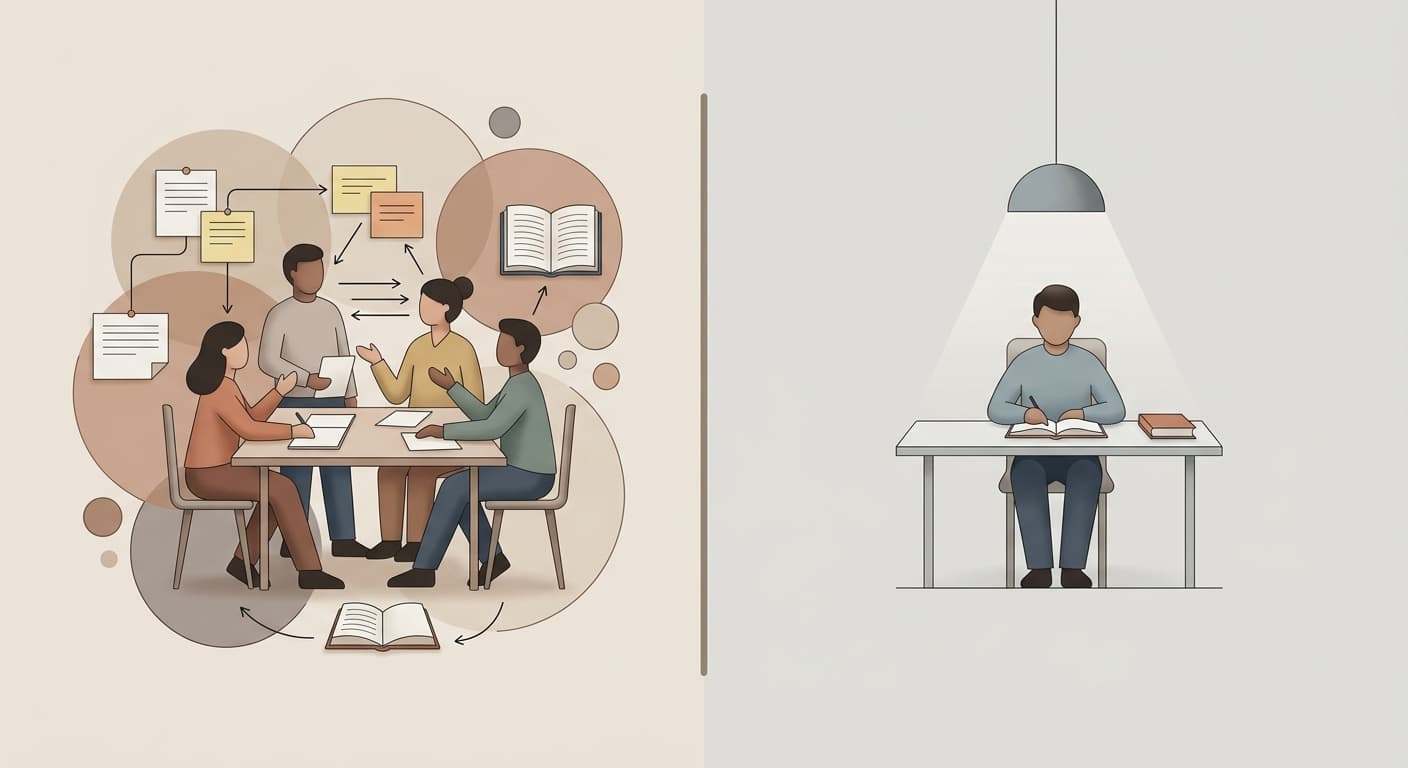
Social contact is a core input for many people. Isolation raises stress load, while support reduces it. Support does not require deep conversations every day.
Try sustainable, specific actions: one reliable check-in with one person each week, more "parallel time" like walking or cooking together, and lowering the bar for contact so a short message counts. If you notice a pull to withdraw, do one connecting action before you disappear. Small, steady contacts prevent loneliness from growing.
Keep routines simple
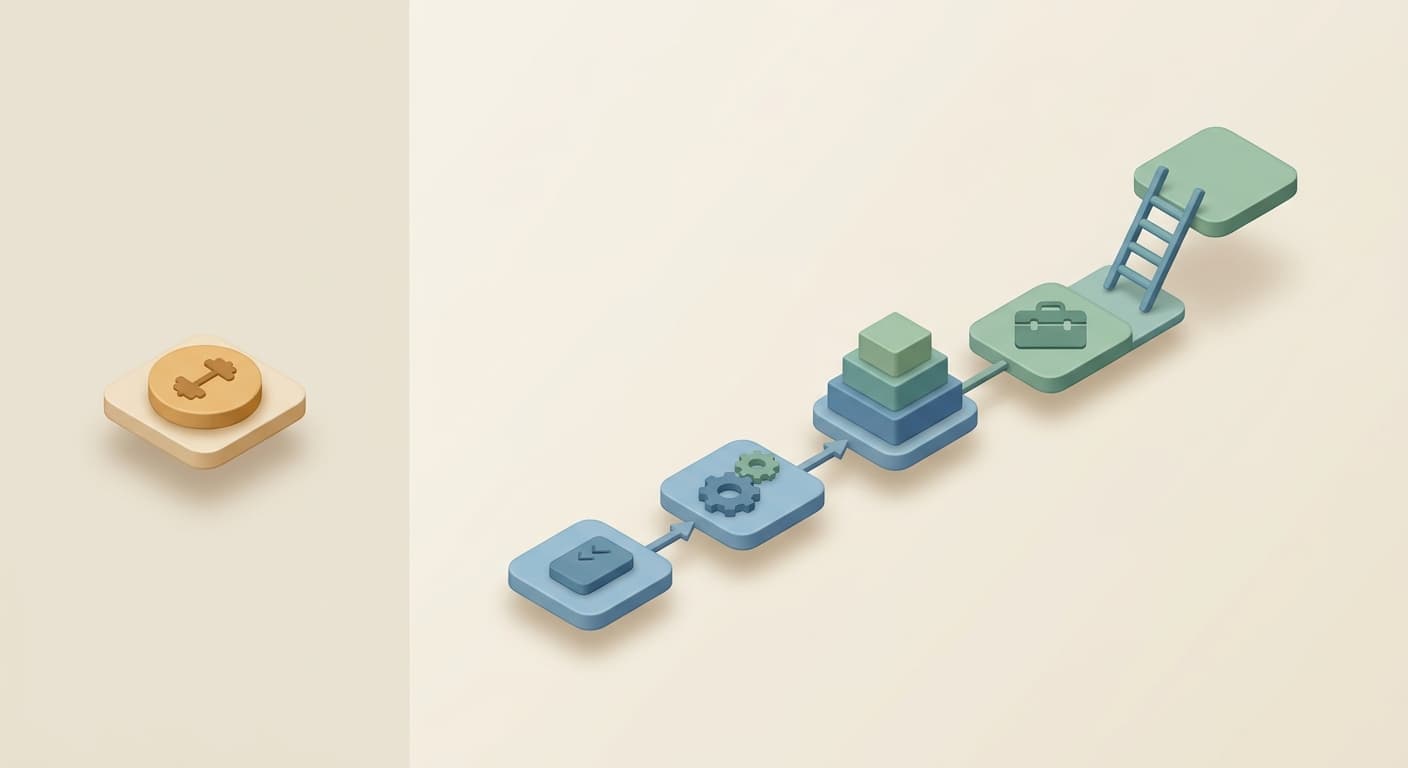
Routines are scaffolding. They reduce decisions when you are tired and lower uncertainty, which quickly eases stress.
You do not need a full schedule. Start with three anchors:
- A morning anchor: light, water, and a few minutes of movement.
- A midday anchor: a real meal and a short pause.
- An evening anchor: a predictable wind-down routine.
Assume you will miss days. The aim is to return without self-punishment. That return itself strengthens the habit.
Pick one habit
If multiple habits feel overwhelming, choose the one most likely to reduce load quickly. Use how you feel as a guide:
- Overwhelmed: pick the habit that lowers stress fastest, such as protecting evening wind-down.
- Low and flat: pick gentle activation, like a short walk or shower.
- Anxious and wired: pick safety signals, such as calmer evenings or brief breathing.
- Scattered: pick structure, like a consistent wake time and meals.
Your brain changes through repetition, not ambition. One small habit done reliably is better than many half-finished ones.
Limits of habits
Everyday habits can meaningfully improve steadiness and resilience, but they are not a substitute for professional care when you need it. Consider reaching out if symptoms persist for weeks and interfere with work, relationships, or self-care, if you are using alcohol or substances to cope, or if you feel hopeless or have thoughts of harming yourself.
If you are in immediate danger or thinking about harming yourself, seek urgent help now. In the U.S., call or text 988 to reach the Suicide and Crisis Lifeline.
Measure progress
Progress is not only how good you feel today. A calmer way to measure change is to notice whether you recover faster, spiral less, or find that hard days damage you less. Habits build a steadier baseline. Start small, repeat what works, and let boring be effective.