
A simple model
If you want a clean answer to how habits are formed, start here.
A habit is what happens when your brain learns, "When I am in situation X, I do behavior Y," and it starts running that behavior with less and less deliberation.
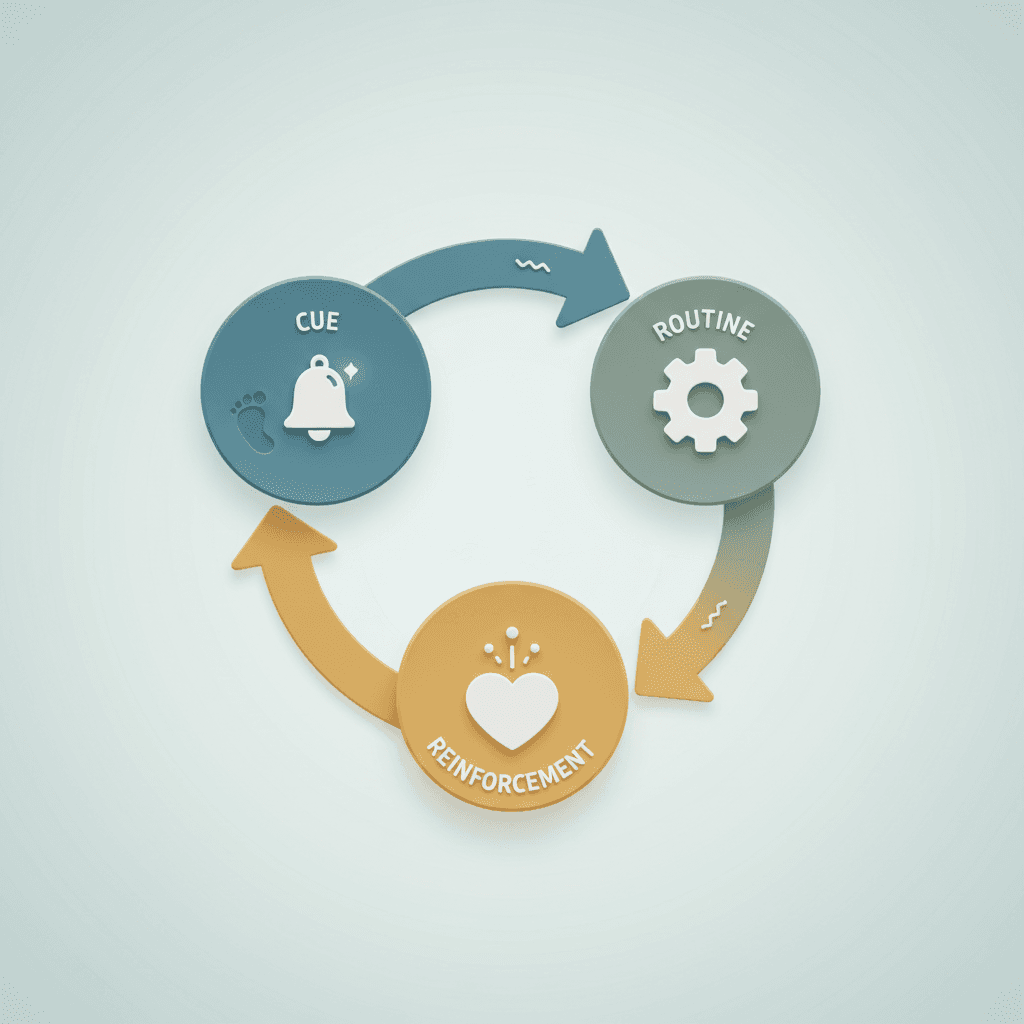
People often describe this as a loop:
- Cue: the situation your brain learns to notice
- Routine: the action that follows
- Reinforcement: what makes the brain more likely to repeat the action next time
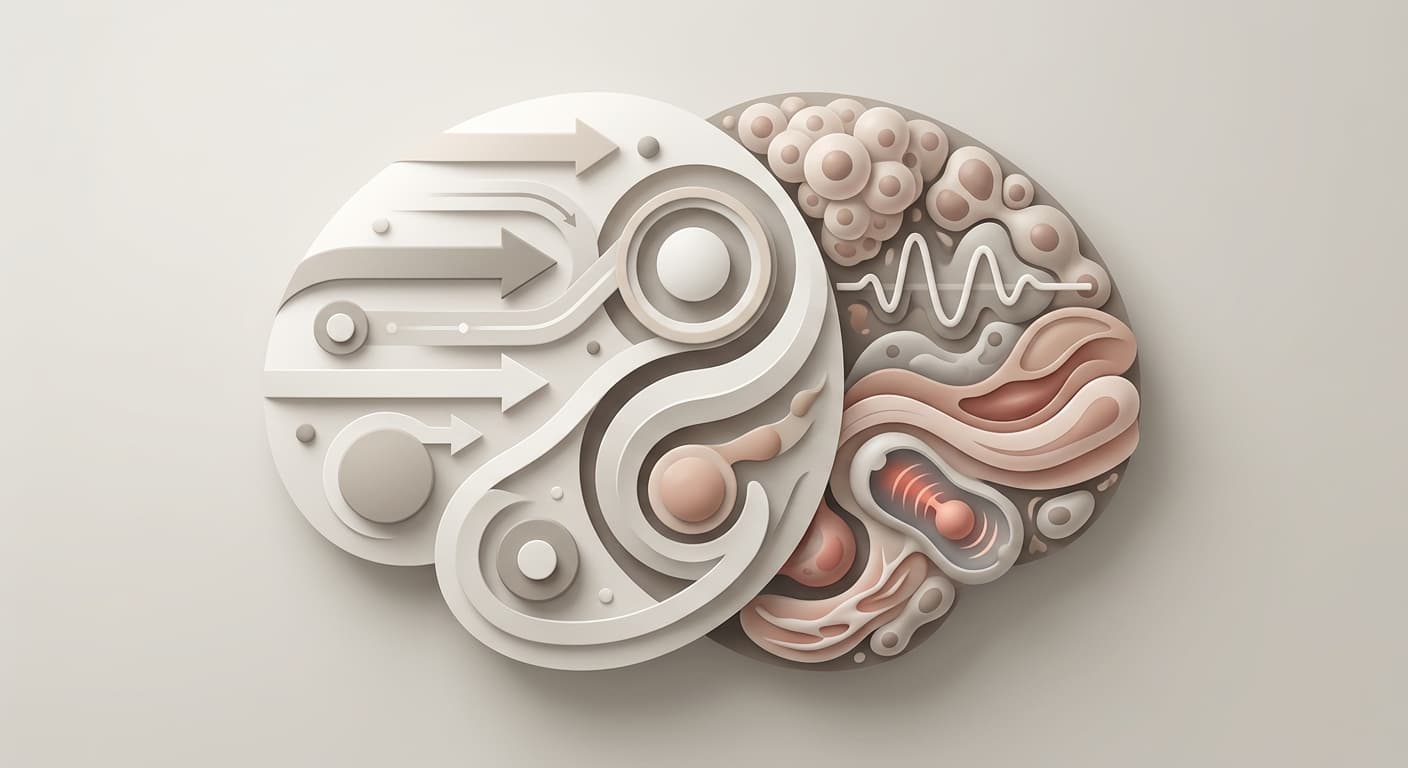
This model is useful because it points to the mechanism underneath. Habits form through associative learning, meaning your brain builds a link between a context and a response. Repetition strengthens that link and outcomes reinforce it.
Cues are triggers
A cue is anything that reliably appears right before a behavior. In daily life, cues are often low-key:
- The coffee machine finishing
- Getting into the car
- Sitting on the couch after dinner
- Opening your laptop in the morning
What makes a cue powerful is stability, not intensity. When a behavior is repeated in a consistent context, the context itself begins to activate the behavior. This is why advice that only appeals to willpower often fails. Motivation fluctuates, but cues can arrive reliably every day at 7:45 a.m. or every time you brush your teeth.
Why context matters
Here is the simple cause and effect:
- You repeat a behavior in the same context.
- Your brain compresses the sequence, because automating repeated patterns is efficient.
- The context becomes a shortcut, so when the cue appears the behavior activates with less conscious effort.
Over time, the cue does more of the work and your intentions do less. That is why habits can continue when you are tired, stressed, or not especially inspired.
Routines and repetition
The routine is the behavior that follows a cue. At first it is effortful. You must remember it, choose it, and push through friction.
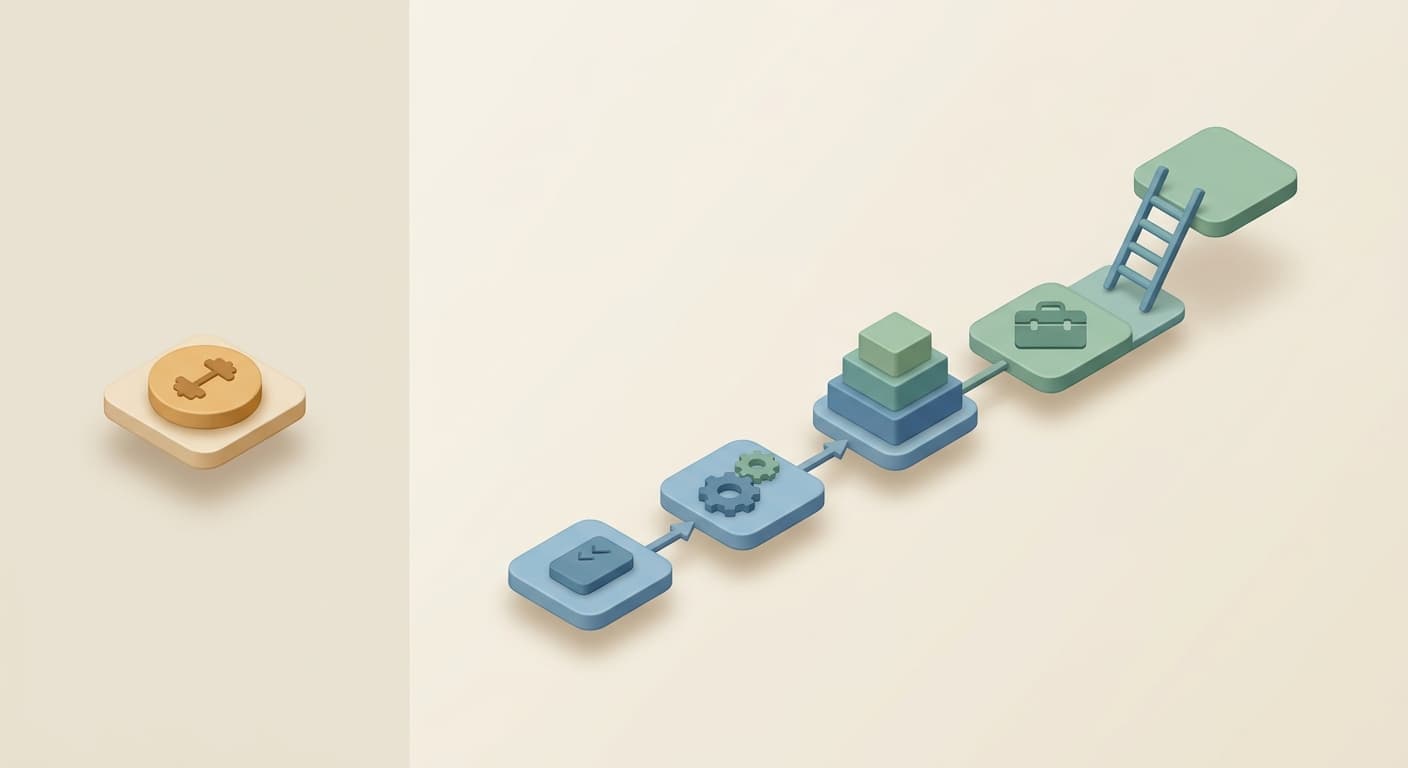
With repetition, routines move along a spectrum:
- Deliberate action, where you decide each step
- Scripted action, where you follow a familiar sequence
- Automatic action, where it starts before you have fully decided
A routine becomes habitual not because you found the perfect reason, but because your brain has seen enough repeated evidence that "this is what we do here." Practical setups that make the routine small and repeatable help. For example, "after I start the kettle, I stretch my calves for 30 seconds" works better than "I will stretch sometime today," because the cue is clear and repeatable.
Reinforcement
Reinforcement is what teaches the brain the sequence is worth repeating. It can be obvious, like pleasure, or subtle, like relief.
Common forms include reward, relief, and friction reduction. A reward might be enjoyment, pride, or a sense of progress. Relief could be tension dropping or anxiety easing. Friction reduction means the routine makes the next moment easier.
Reinforcement strengthens learning by signaling, "This sequence predicted a useful outcome, store it." It does not have to be dramatic. For many habits the reinforcement is simply, "I feel more like myself when I do this," or, "My day goes smoother."
Timing matters
Reinforcement is strongest when it follows the routine closely. If the payoff is far away, the brain struggles to connect cue and routine. That is why habits with delayed rewards often need an immediate layer of reinforcement, such as a satisfying checkbox, a brief reflection, or a small comfort paired with the routine.
Apps or tools can create that immediate closure. The app itself is not magic, but a short consistent check-in can provide a timely reinforcement that helps the loop form.
Cue types
Not all cues work the same. Two common kinds are time-based and event-based.
Time-based cues are things like "at 7:00 p.m." They can help, especially early on, but they rely more on conscious remembering.
Event-based cues are things like "after I eat lunch" or "after I brush my teeth." These often work better because the event already happens and is easier to notice. Event-based cues piggyback on routines you already have, which reduces the need for active monitoring and makes repetition easier.
Why habits persist
Habits can keep happening even when your goals change. That is not a sign of weakness. It is a sign that the brain has built a strong cue-response link that fires quickly.
You see this in small moments. You open the fridge without hunger. You unlock your phone without needing anything. You start checking email the second you sit down.
In those cases the cue is doing its job and the routine runs because it is the most practiced response to that context. That is why changing the cue or the context is often more effective than trying to rely on new intentions alone.
When habits won't form
When a habit refuses to stick, the problem is usually one of three mechanical issues.
Vague or unstable cue
If the cue is "when I have time" or "when I feel like it," your brain receives inconsistent training data. A better cue is concrete and observable: when I start the coffee, when I sit at my desk, after I shower.
Routine too large
If the cue is small but the routine is large, the loop breaks. If the cue is "after I close my laptop," a routine like "one hour at the gym" is a big ask. A routine like "put gym shoes by the door" or "five push-ups" fits the moment and can later expand.
Missing or delayed reinforcement
If nothing feels better after the routine, or the payoff is weeks away, the brain has little reason to automate it. Add a small immediate reinforcement that is honest and meaningful: a tiny moment of satisfaction, a visible mark of completion, or a short reflection that makes the benefit emotionally real.
Clear takeaway
Habits form when a stable cue reliably triggers a routine, and reinforcement teaches the brain that the routine is worth repeating.
Instead of asking, "How do I get more disciplined?" try this: "What is the cue here, what exact routine follows it, and what reinforcement is actually training my brain to repeat it?" That question is less glamorous, but it is closer to how habit formation really works.