

How it appears
You walk into a meeting feeling fine. Ten minutes later you are tense, sharp, defensive. Nobody raised their voice. There was no clear event.
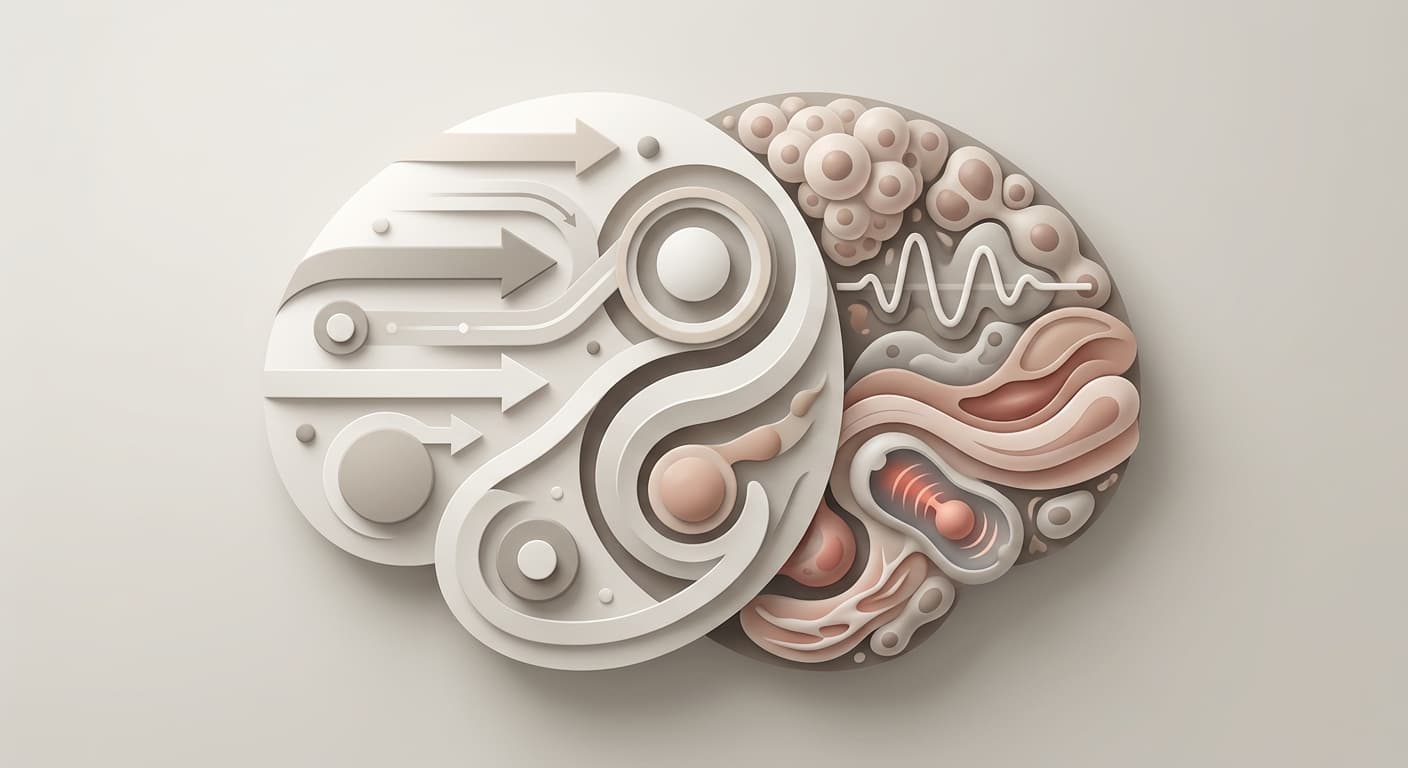
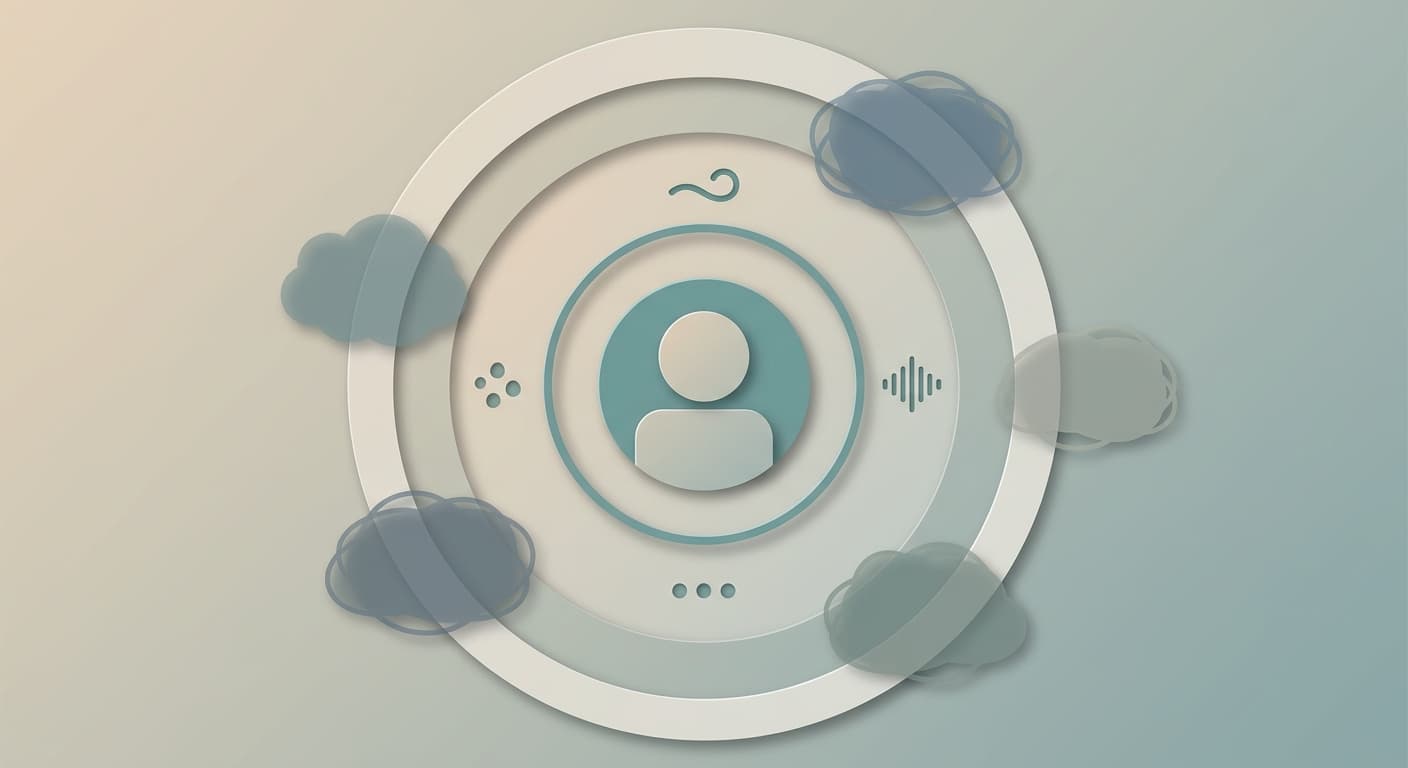
What changed is often the room’s emotional climate. Someone’s anxiety, irritation, or low energy can shift your body and attention. That silent alignment is emotional contagion, feelings spreading through small cues, timing, and attention. Understanding how it happens gives you more choice about what you absorb and what you keep at a respectful distance.
What it is
Emotional contagion is affective convergence, your emotional state moves toward someone else’s. That can show up in what you feel, how you express yourself, and even in physiological arousal.
Two clarifications cut confusion.
First, contagion is not the same as empathy. Empathy usually keeps a self, other distinction. You feel with someone and know it isn’t yours. Contagion is more automatic and can happen before you have language for it.
Second, contagion isn’t always bad. It helps groups coordinate, a calm person can settle a meeting, a confident teammate can make a task feel doable. The issue is how easily you can absorb emotion without realizing it.
How it works
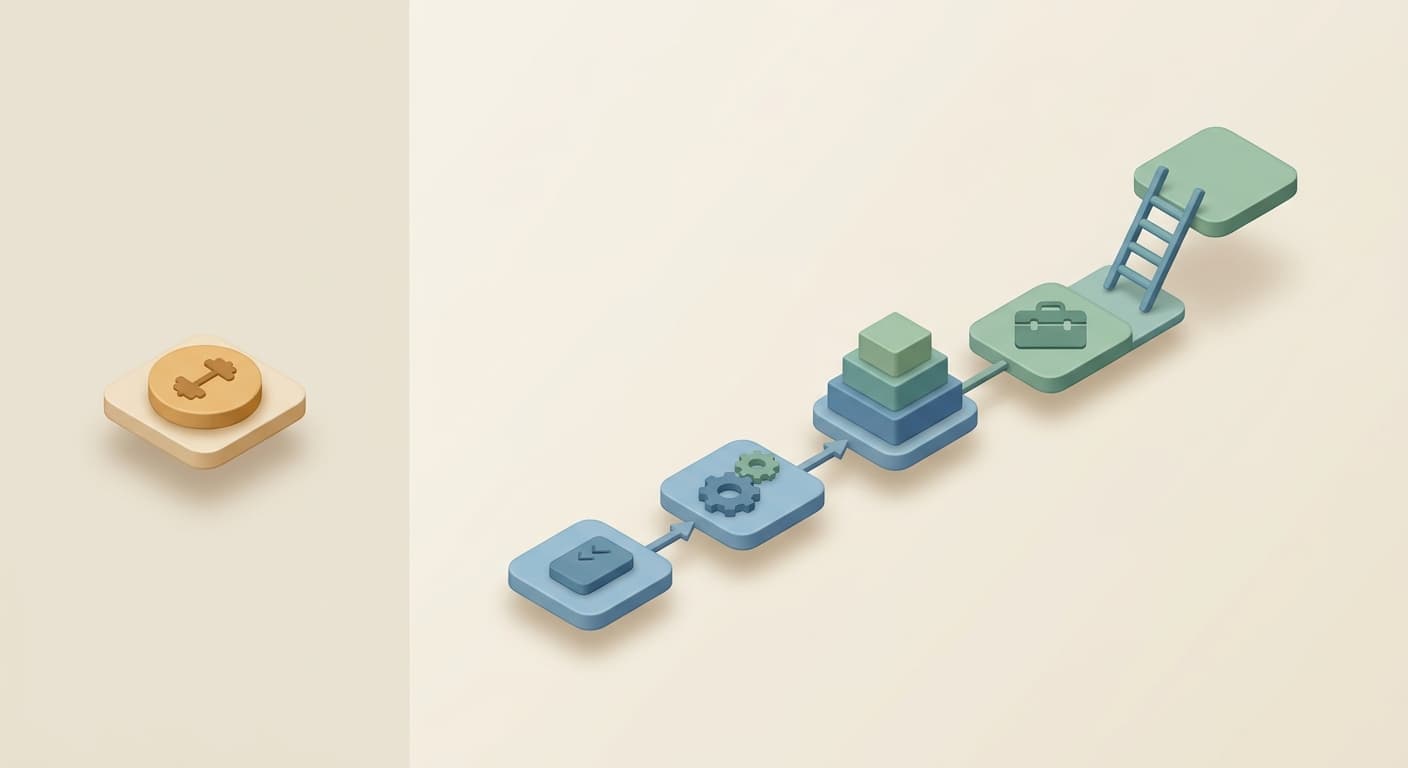
A simple way to think about contagion is as a three-step loop: perceive cues, mirror them, then label the resulting state.
Step 1, Perceive
You pick up signals you aren’t actively tracking. In person, these are facial expressions, posture, tone, speaking pace, pauses, and where people look. Online, cues are thinner but real: word choice, intensity, and the emotional framing of posts or threads.
Step 2, Mirror
Your nervous system partially mirrors what you perceive. Muscles, breathing, and arousal can shift toward what you’ve observed. Whether you prefer a neural story or a behavioral one, the experience is similar, matching happens quickly and often below conscious awareness.
Step 3, Label
After your body shifts, your mind looks for an explanation. If you don’t notice the social input, you may conclude, "I’m annoyed" or "I’m worried," and treat that feeling as personal. If you recognize the channel first, you create space to choose how to respond.
Context matters
Contagion isn’t purely automatic. Relationship meaning, closeness, similarity, group identity, shapes how likely you are to align. Your brain asks, implicitly, "Is this person part of my ‘us’ right now?"
If yes, alignment is more likely. If no, it often weakens.
This is useful for regulation, you can’t always control exposure, but you can often change the meaning you give it.
Simple regulation moves
Research focuses more on how contagion works than on step-by-step fixes. These moves use understanding to interrupt the loop early and lower the cost when contagion happens.
Name the channel first
When you notice a sudden shift, label the source before the emotion:
"This might be the room." "This might be the thread."
Then name the feeling: "I feel tense," or "I feel flat." Naming the channel first preserves the possibility that the feeling isn’t entirely yours.
A quick check: "Would I feel this way if I’d been alone for the last two hours?"
Hold boundaries with warmth
Cultivate a simple internal sentence: "I can care about this without absorbing it." This keeps emotional information and ownership separate.
In practice, stay present with a stressed coworker while keeping your breathing steady and your tone calm. Offer yourself as an anchor, not a mirror.
If you reflect in a journal or an app, note what you felt before and after strong interactions and whose emotion you think you tracked. Pattern recognition matters more than perfect in-the-moment accuracy.
Adjust exposure
Online emotional content influences mood even without in-person cues. Small environment choices help:
- Curate which accounts and chats you view first.
- Avoid starting your day with high-arousal feeds.
- If a thread spikes you, don’t "process" it by scrolling more.
These aren’t about avoidance, they’re about recognizing that repeated emotional cues shape your baseline.
Team practices
Unwanted contagion in teams is often a transmission problem, not an individual failing. Structural habits can reduce accidental spread.
Make check-ins descriptive
Emotional statements can broadcast stress. Prefer brief, descriptive updates that include context and capacity.
Instead of "I’m overwhelmed," try: "I have two deadlines today, I’m at about 70% capacity, and I may need help prioritizing."
That gives the team actionable information, not just an emotion to mirror.
Use roles to contain emotion
In tense meetings, assign one person to track process and another to track decisions. When no one tracks structure, the loudest emotional signal often becomes the meeting’s organizer and the group can drift reactive.
Normalize micro-pauses
A ten-second pause before responding interrupts mimicry. It lets nervous systems downshift and minds reappraise. If your culture treats pauses as awkward, contagion has an easier time running conversations.
Susceptibility
Some people are more prone to catching emotions than others. Recent work is distinguishing susceptibility to positive versus negative contagion.
If you often take on negative moods but rarely catch positive ones, focus on boundary setting and exposure design. This is about learning your tuning, not labeling yourself as fragile.
Limits of this idea
Not every shared mood is contagion. Sometimes people react similarly because of shared conditions: heavy workload, unclear expectations, conflict, or sleep loss.
If you feel chronically flooded, dissociated, or unsafe in certain relationships, "contagion" may be too small an explanation. In those cases, the issue may be chronic stress, boundary violations, or ongoing dynamics that need deeper attention.
A calmer stance
Treat emotion as information moving through social systems. If you assume every strong feeling is purely personal, you’ll over-identify with what you absorb. If you assume every feeling is not yours, you can detach and miss signals.
Understanding contagion offers a third option: stay connected while choosing what you carry forward.