
Optimism is not pretending
When people ask about the benefits of optimism, they usually want a way to feel steadier under pressure. Optimism can help, but not by making problems vanish. The useful kind of optimism is this: you expect the future can improve, and your actions can matter.
That expectation may seem small, but it changes the mental calculations you make in stressful moments. It shifts what you notice, what you try, how long you try, and how quickly you recover after setbacks.
Core mechanism
Stress is not only about what happens to you. It is also about what your mind predicts will happen next. Your brain is constantly asking questions like:
- Is this situation a threat or a challenge?
- Do I have the resources to handle it?
- If I act, is there a reasonable chance it will help?
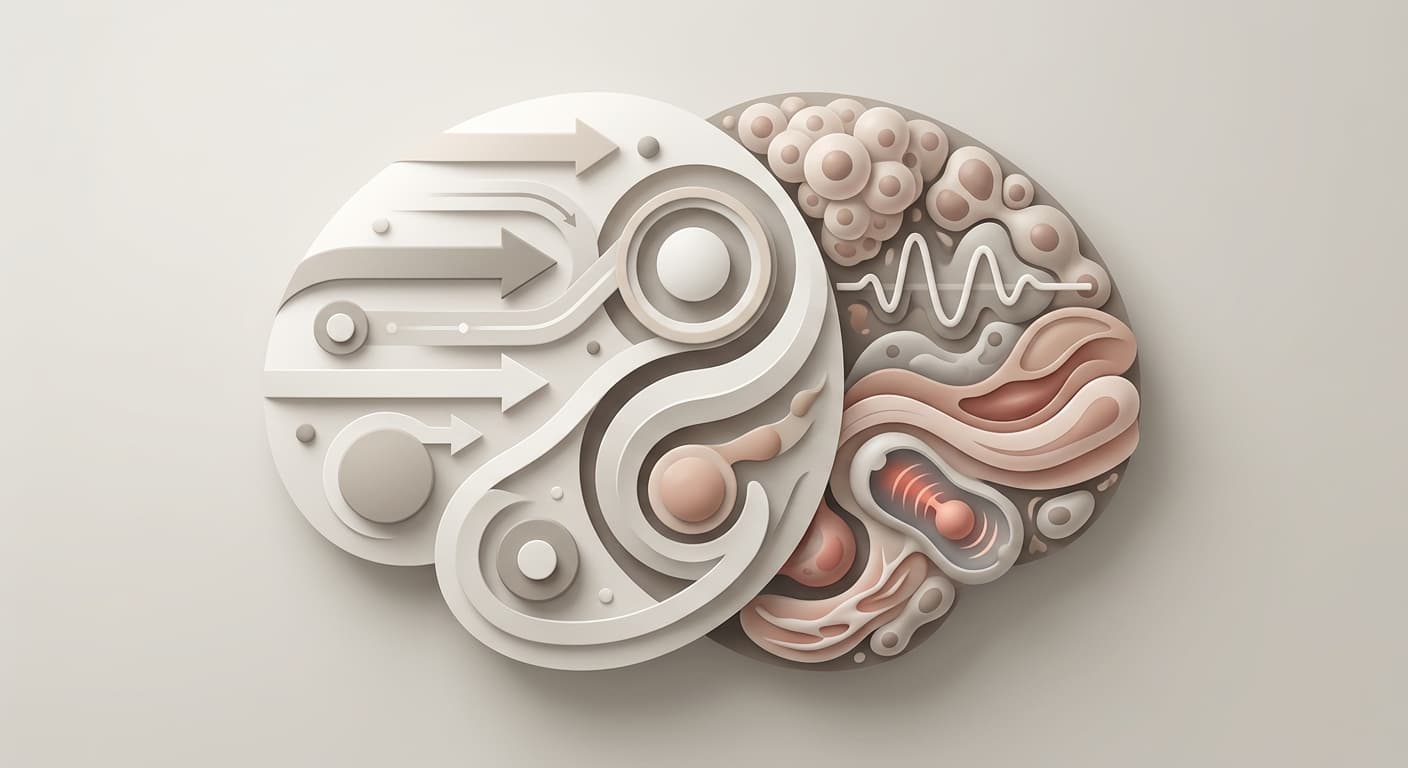
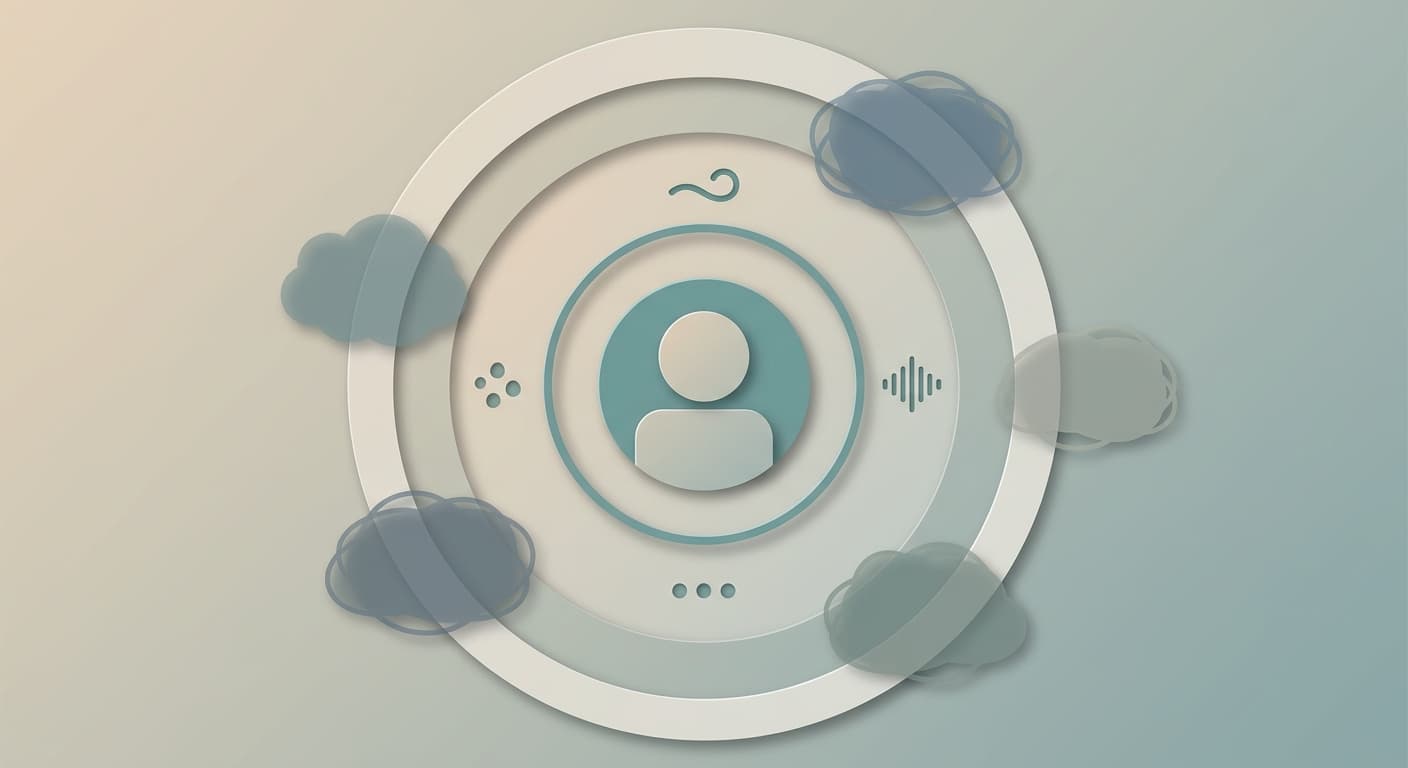
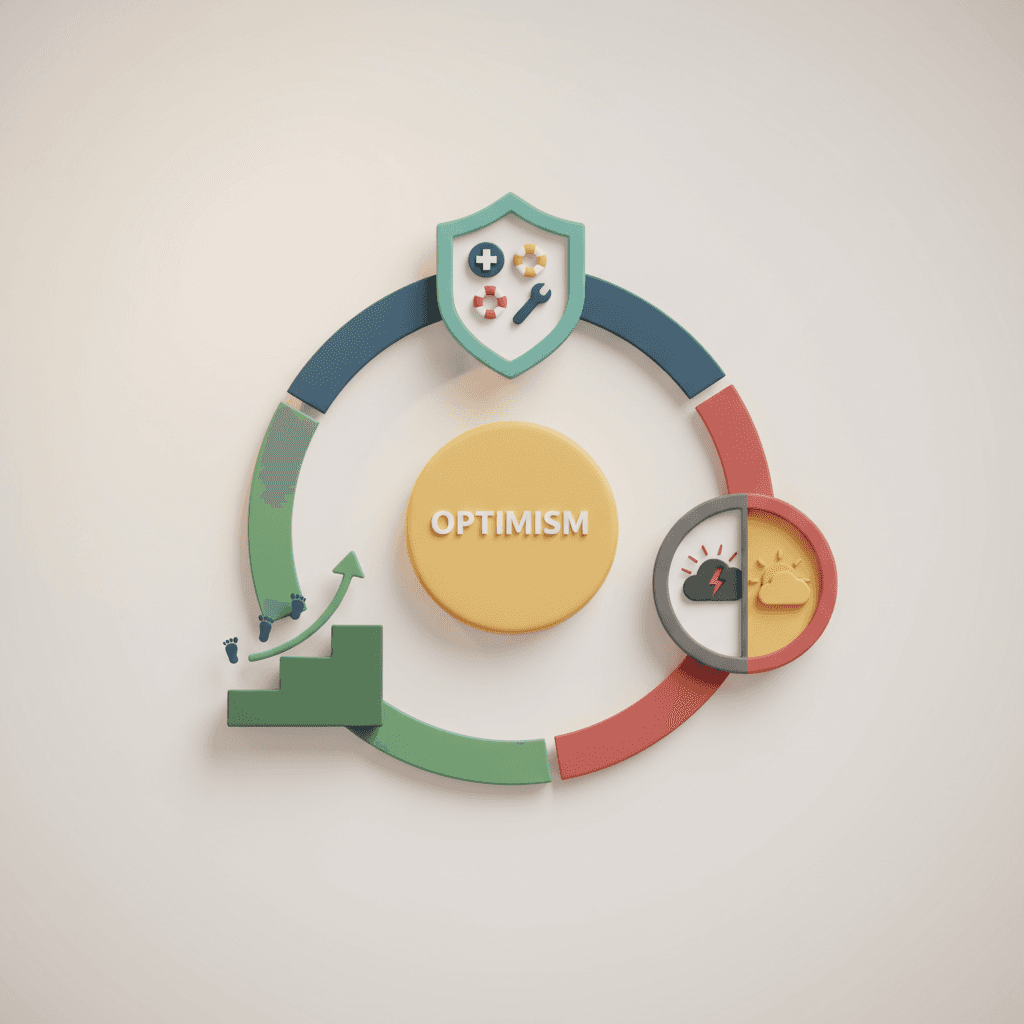
Optimism shifts those answers. It raises the perceived odds that effort is worth it. That matters because your body, attention, and choices follow your interpretation. In short, optimism changes appraisal, and appraisal changes behavior and recovery over time.
Better coping
Coping is what you do once stress is already present. Part of coping is a resource allocation problem. When you feel overwhelmed, your mind often seeks quick ways to reduce load. Some strategies avoid the problem, others increase clarity and enable action.
Optimism tends to favor action and health-promoting strategies. It also supports cognitive techniques like noticing a negative thought and reframing it into something more accurate and usable.
Example: you send an important email and get no reply for days. A pessimistic appraisal might lead to rumination and repeated checking. An optimistic appraisal does not ignore the risk, it narrows the next step. You follow up once, ask a colleague for a tone check, then move on. The stressor still exists, but it stops occupying your entire attention.
That shift, from looping to workable steps, is a quiet but practical benefit of optimism.
Persistence
Persistence is often mistaken for pure grit. In practice, persistence is a belief update process. You try, you get feedback, you decide whether to keep investing.
Optimism changes how you interpret feedback. Instead of reading a setback as proof of failure, you treat it as data: adjust and try again. Optimistic people are more likely to trade short-term rewards for longer-term goals, and they also adjust goals when necessary. So persistence can be both sustained effort and flexible adaptation.
In performance settings, optimism before a stressful event predicts more effort and better outcomes, and it improves the experience while you are doing the task. When results disappoint, optimistic people are not necessarily more devastated. They are often better at staying engaged without collapsing into fatalism.
Faster recovery
Stress becomes harmful when it stays activated too long. Recovery is the return to baseline, emotionally and physiologically. One important benefit of optimism is faster recovery after acute stress.
Two people can experience the same bad meeting. One replays it all evening. The other feels it, pulls a lesson, and returns to dinner. The external event is identical, the recovery curve is not. Less extreme reactivity and quicker return to baseline add up over time. Repeated stress without recovery is costly, so faster recovery can produce meaningful long-term differences in well-being.
Realistic optimism
People often reject optimism because they think it equals denial. The research-informed version is different. Realistic optimism looks like:
- I can probably influence part of this.
- I can manage the emotions that come with trying.
- If one plan fails, I can adapt.
A quick self-check helps. Pessimism often sounds like, "Why bother?" Realistic optimism sounds like, "What is the next workable step?"
Realistic optimism combines accurate awareness with a positive expectation, not blind positivity.
Limits and risks
Optimism has limits. If it turns into refusal to see constraints, it can cause poor decisions, staying too long in an impossible situation, or skipping preparation. The useful boundary is practical: optimism is helpful when it increases skillful action or recovery, and unhelpful when it replaces information gathering, planning, or grief.
Sometimes the most realistic optimistic move is small and immediate: "This is painful, and I will get through the next hour."
Apply optimism on purpose
You do not need a new personality to gain some benefits of optimism. The most practical lever is stress appraisal, the way you interpret a stressor.
A simple routine to try in pressure moments:
Name the stressor in plain language. Then add one sentence that makes effort feel rational.
Example: "This conversation might go badly. I can prepare two clear points and ask one honest question."
If you use Mendro for reflection, try a two-column journal: threat story and challenge story. The goal is not forced cheerfulness, it is finding an accurate framing that supports effective action.
Takeaways
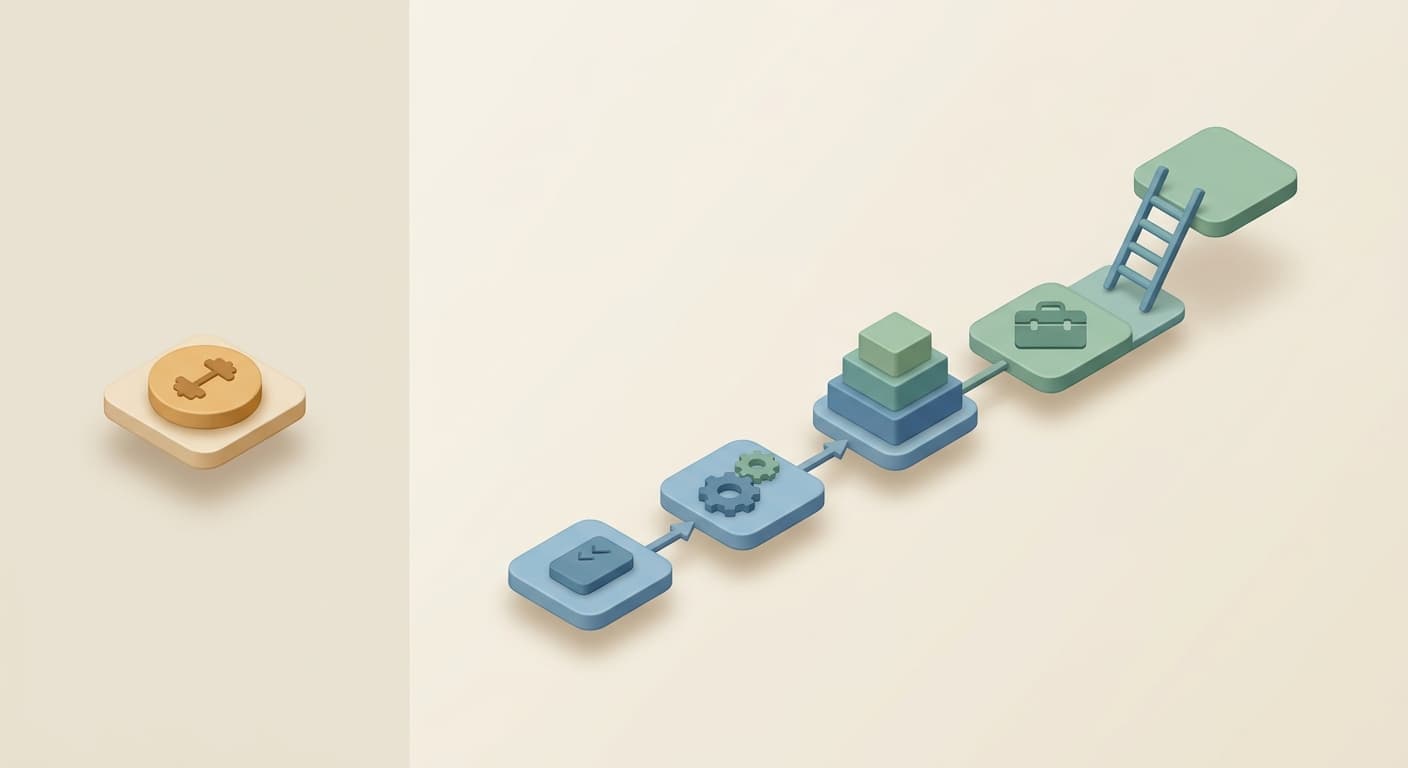
Optimism is mechanical, not mystical. It tends to shift stress appraisal from threat toward challenge. That shift supports more active coping, longer and more flexible persistence, and faster recovery after acute stress. Over time, those small differences compound across many imperfect days.
Optimism is not a guarantee. It is a stance that often keeps you moving and helps you recover, and that is frequently enough.