

The cost of fighting reality
Most people do not struggle because they care too little.
They struggle because they care, and their mind keeps insisting that things should not be happening. That insistence is useful when a problem can be fixed, like renegotiating a deadline or improving sleep. But some parts of life are not negotiable right now. A loss already happened. A body already hurts. A person already made a choice. A feeling already arrived.
When change is impossible in the moment, saying "accept it" often sounds like a shrug. In Acceptance and Commitment Therapy, acceptance is framed differently. It is an active move, you stop feeding a battle you cannot win so you can put your attention where it can help.
What ACT is (and why it talks so much about acceptance)
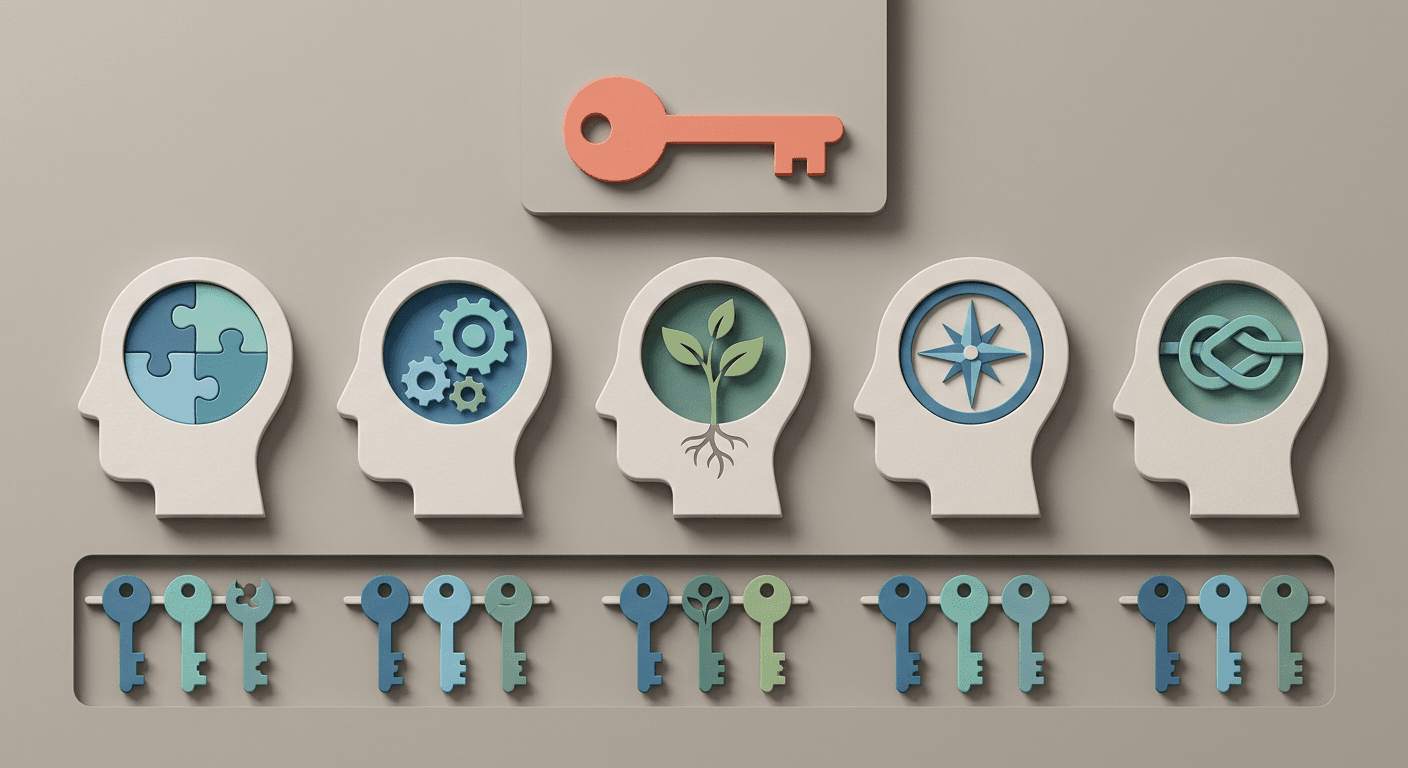
ACT stands for Acceptance and Commitment Therapy. It’s an evidence-based, skills-focused form of psychotherapy that aims to build psychological flexibility, the ability to stay present with what’s happening inside you (thoughts, feelings, urges, sensations) and still choose actions guided by what matters to you.
ACT is not about “thinking positive” or arguing with your mind until it changes. Instead, it teaches you to:
- accept internal experiences you can’t simply switch off on command
- unhook from unhelpful thoughts (so thoughts become information, not instructions)
- connect with values (what kind of person you want to be)
- commit to actions that express those values, even when life is uncomfortable
That’s the “commitment” part, ACT cares less about whether you feel perfectly calm, and more about whether you can keep moving in a meaningful direction.
Acceptance is central in ACT because many people get stuck not in the original pain, but in the exhausting attempt to eliminate normal human experiences, anxiety, uncertainty, grief, regret, before living their life.
Why it feels like giving up
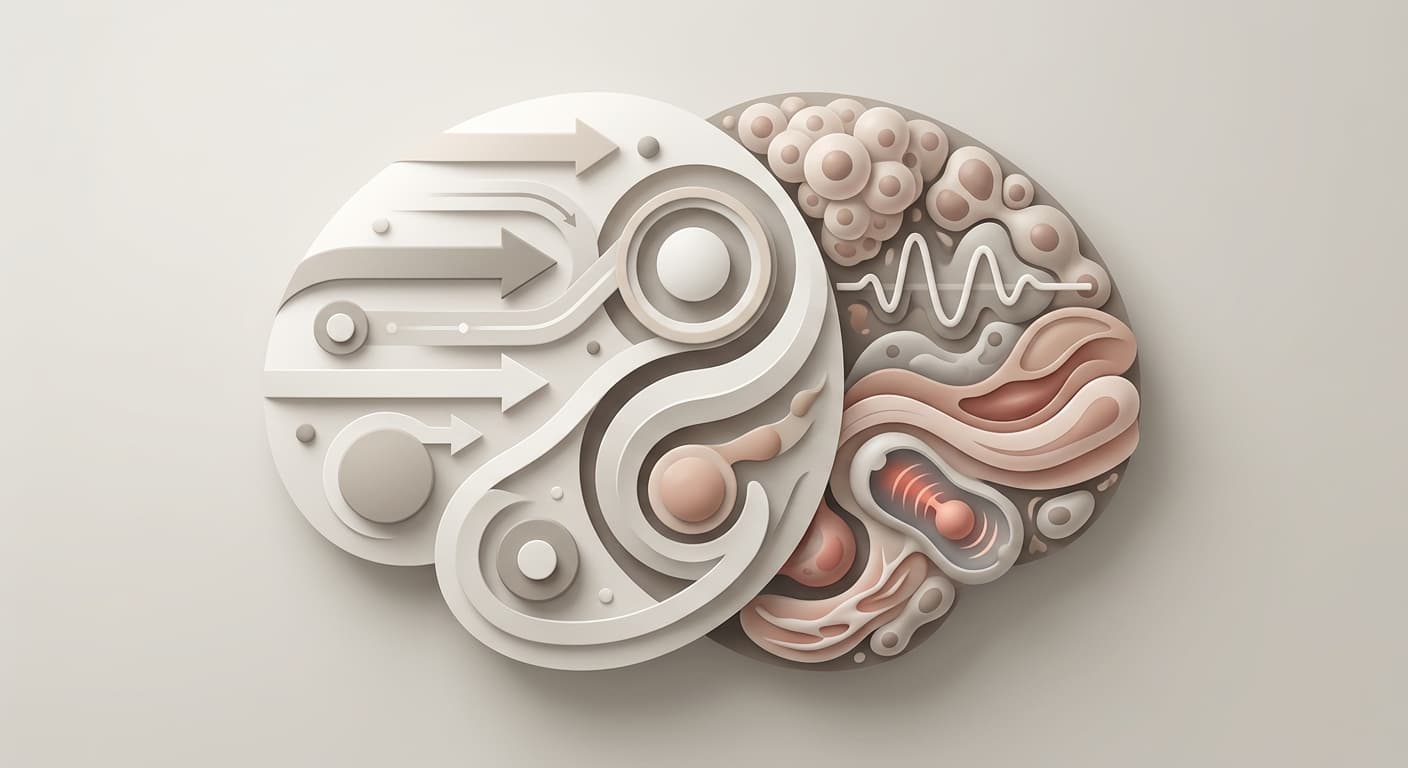
The confusion makes sense. If you have learned to rely on control and effort to get relief, letting go can feel like betrayal. The mind is doing its job, trying to reduce threat by scanning for problems, predicting outcomes, and generating solutions. When nothing can be solved immediately, the system can keep looping.
That loop often looks like replaying conversations, planning arguments you will never have, monitoring your mood closely, or trying to think your way out of grief, pain, or uncertainty. Those control efforts may help briefly, but they tend to expand the problem.
Acceptance, in contrast, is one part of psychological flexibility, the ability to notice what is happening inside you without being driven by it, and still choose actions that align with your values.
What acceptance means
In the ACT sense, acceptance means making room for internal experiences you cannot switch off right now, without spending your day trying to eliminate, argue with, or outrun them.
A few clarifications:
- Acceptance is not liking the situation.
- Acceptance is not saying it is fair.
- Acceptance is not agreeing with what happened.
- Acceptance is not stopping action.
Acceptance is dropping the extra struggle layered on top of the original pain. Pain here can be physical hurt, grief, embarrassment, uncertainty, jealousy, or shame. The active part is what you do with the attention you get back.
How acceptance creates clarity
Mental clarity is often about reducing internal noise, not forcing positive thoughts. Here is a simple cause and effect chain ACT points to:
- An unwanted experience appears, such as a sensation, emotion, memory, or thought.
- The mind treats it like a problem to eliminate, trying to suppress, ruminate, avoid, or numb.
- Those control strategies reduce discomfort temporarily, then often widen it. The experience can return sharper and life gets narrower as you spend more time managing your inner world.
- Acceptance changes your relationship to the experience. Instead of insisting that it must stop, you recognize that it is present and that you can carry it.
- That shift frees attention and choice. You can focus on what is controllable, a small next step, a real conversation, a boundary to set, or care to offer.
Research on ACT links improvements to gains in psychological flexibility. In practice, acceptance does not remove pain. It removes the unproductive war on pain, which creates space to act in meaningful directions.
How it shows up
Acceptance is easiest to see in ordinary moments.
When you feel anxious before something important
The passive response is canceling, procrastinating, or waiting until you "feel ready." Active acceptance is noticing anxiety as a sign that the task matters, and taking the feeling with you. You still prepare. You still show up. You stop treating anxiety as a gatekeeper.
When you are stuck with uncertainty
The passive response is waiting for certainty before moving. Active acceptance is acknowledging you do not have certainty now and choosing a direction anyway. You act on what is knowable: the next email, the next appointment, the next honest sentence.
When you are carrying grief or regret
The passive response can be emotional shutdown or relentless self-punishment. Active acceptance is recognizing the pain belongs to something you loved or needed. You let grief be present while you also keep living in ways that honor what matters.
An active practice
This sequence is a small behavioral pivot you can use in the middle of a hard moment. It is practical, not spiritual.
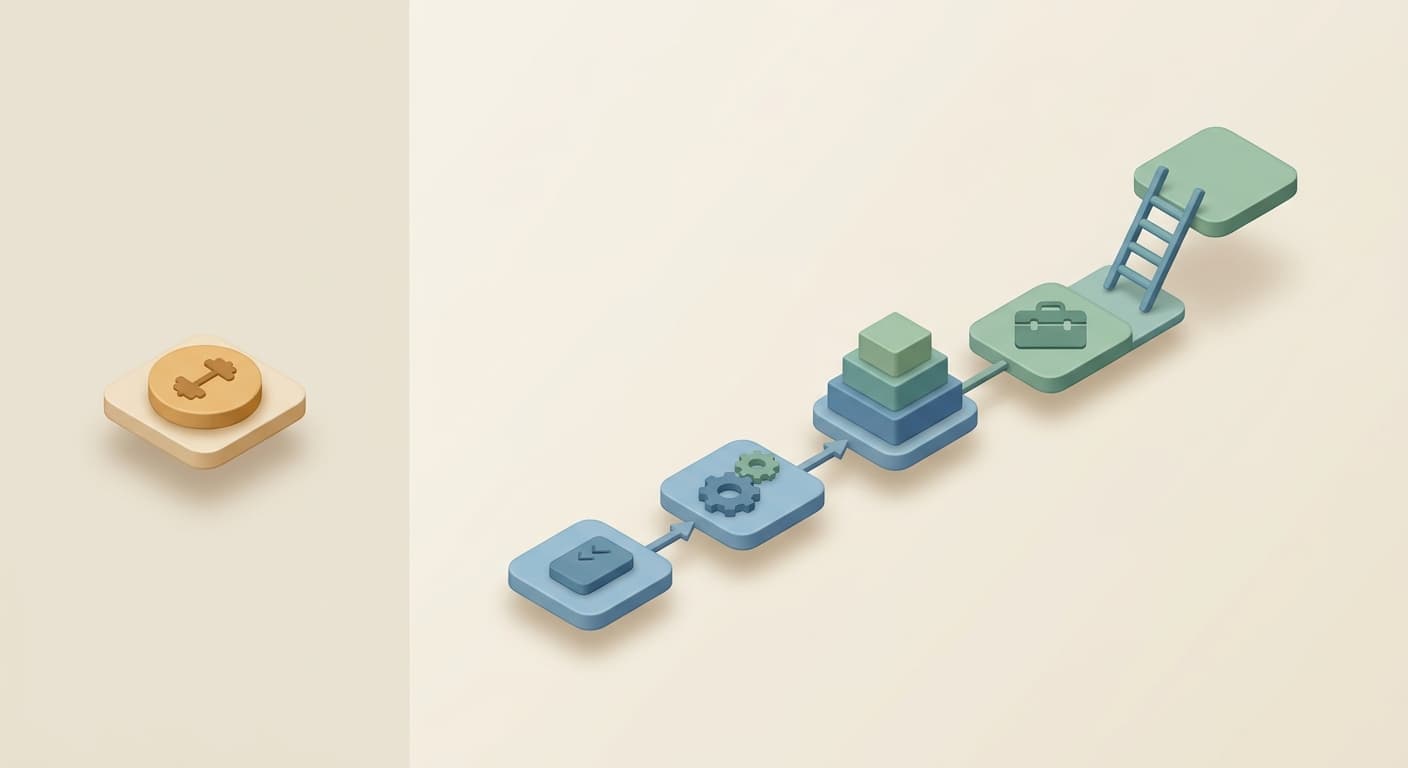
Step 1: Name what is not in your control
Say it plainly: "This happened." "This person may not change." "My body hurts today." "I do not know the outcome." The point is to stop bargaining with facts.
Step 2: Notice the extra struggle
Ask yourself, what am I doing to try to make this feeling go away right now? Common answers include replaying and analyzing, seeking reassurance, scrolling to numb out, working compulsively, or arguing with your own mind. You are not judging yourself, you are locating the extra tension on top of the first pain.
Step 3: Make room in the body
Acceptance is not only intellectual, it is often physical. For 20 seconds:
- breathe normally
- unclench your jaw
- soften your belly
- notice where the emotion sits in your body, such as a tight chest or heaviness
- allow the sensation to be present without pushing it away
The aim is willingness, not instant calm.
Step 4: Choose one values-consistent action
Values are directions like "be honest," "be caring," or "be brave," not specific goals. Ask, given this feeling, what is one small action that moves me toward the person I want to be?
Make it small enough to do with the feeling present: write two sentences, take a five-minute walk, send a clear text, ask for help, or drink a glass of water. Acceptance becomes real when you act without waiting to feel different.
What acceptance does not solve
Acceptance is not a universal answer and it can be misused. It does not mean tolerating ongoing harm. If you are in an unsafe situation, values-based action might be leaving, documenting, or getting support.
It does not replace problem solving for solvable issues. ACT encourages solving problems while avoiding a mind consumed by the fight. Acceptance also does not guarantee emotions will soften quickly. The success test is not feeling better right away, it is being more free to live your life.
A calm model
Think of acceptance as consent to reality, not approval of it. You say yes to what is true so you can spend energy on what you can influence. That is why accepting what you cannot change is active. It is not the end of effort, it is the end of wasted effort.
A simple daily reflection can help: what am I trying to control today that I cannot actually control, and what would I do if I stopped fighting it? The point is not to become someone who never struggles. It is to become someone who struggles less with what cannot be changed, and who shows up more for what can.