
Why the scroll pulls
Most people do not open TikTok thinking they want to damage their attention span. They open it because it feels easy. One video becomes five, then twenty. Jumping back to a slower task can feel strangely difficult.
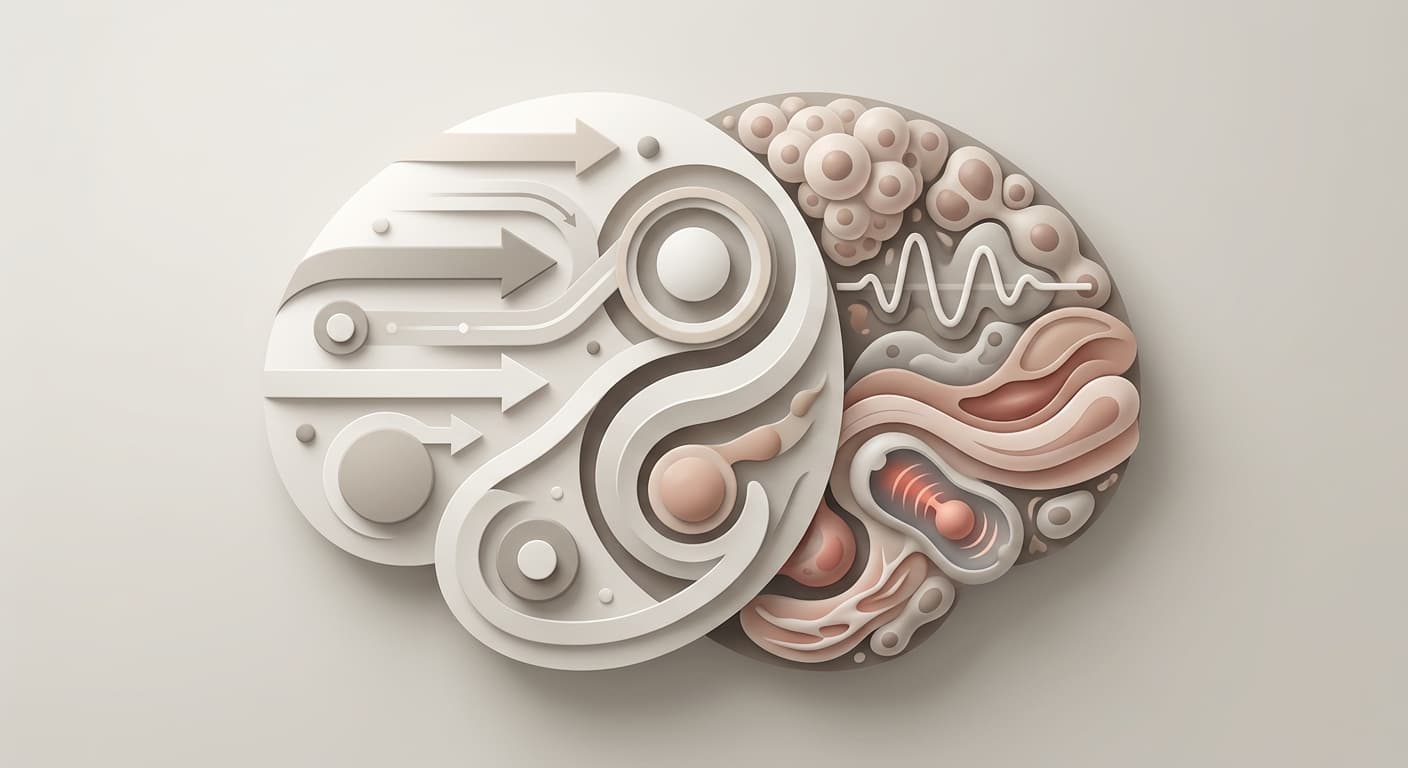
"Dopamine loop" is a popular phrase for that pull, but it is often used loosely. Dopamine is not a toxin, and a few minutes of scrolling does not permanently rewire your brain. A more useful view is concrete, short videos repeatedly trigger a simple learning cycle that favors fast payoff and novelty. That cycle can bias attention toward quick rewards and make slower tasks feel harder, at least temporarily.
Dopamine loops
Dopamine is commonly called a "pleasure chemical," but a clearer way to think about it is as part of a learning and motivation system. The core cycle looks like this in plain terms:
- You see a cue, like opening the app or feeling a small itch of boredom.
- Your brain predicts there might be a reward.
- A clip lands, sometimes better than expected, and the brain updates that this action is worth repeating.
- You swipe again, repeating the loop.
Two features make that loop sticky.
Reward prediction and uncertainty
The brain responds not just to rewards, but to the difference between expected and actual reward. When something is better than expected, it sends a strong learning signal that increases the chance of repeating the behavior. Because each short video is low commitment, the downside of a boring clip is tiny. That encourages a continuous "maybe the next one" stance.
Variable rewards and stopping
Rewards in short-form feeds are irregular. Some clips are dull, some excellent, some emotionally sharp. That variability keeps attention engaged more than a predictable pattern would. In habit science, unpredictable rewards tend to make behaviors harder to stop. This explains why scrolling can become automatic without meeting clinical definitions of addiction.
Attention and video
"Focus" is not a single ability. At minimum, it involves:
- attention capture, what grabs you,
- sustained attention, what you can stay with,
- executive control, the ability to stop or switch.
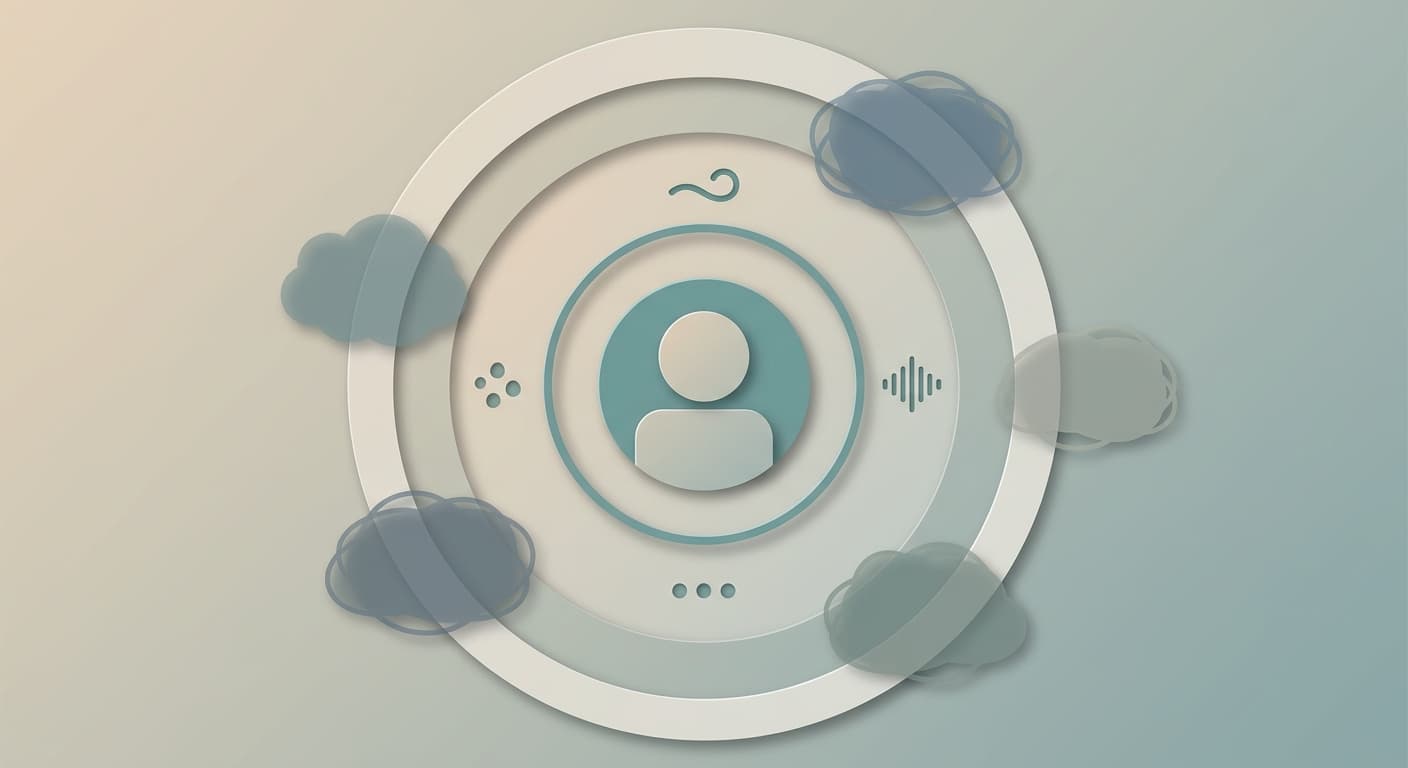
Short-form video is exceptionally good at attention capture. Rapid novelty, faces, music, tight editing, and social cues draw attention even when you did not plan to give it. The problem often appears after viewing. Sustained attention and executive control can feel weaker because your brain has been tuned to fast switching and immediate payoff. Switching from that state to a slower, goal-directed task requires more effort.
Flow vs focus
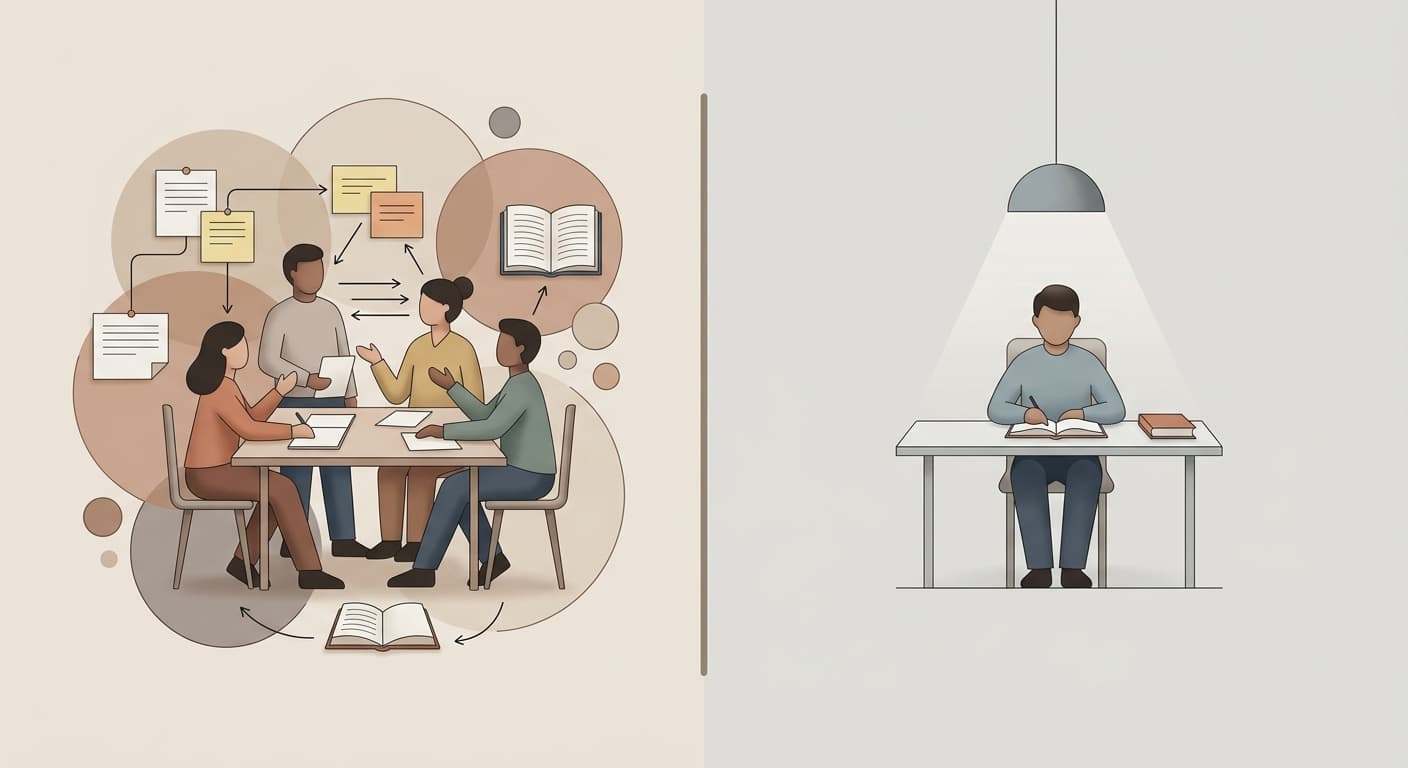
Many people report feeling "locked in" while scrolling. That absorption resembles flow, a state in which attention narrows, self-consciousness drops, and time perception shifts. Flow can occur during meaningful work and during engaging media.
The important difference is purpose. Flow during work supports a coherent goal. Flow during rapid novelty supports repeated rewards. You can be deeply absorbed in both, but the absorption from short videos does not train the same sustained, self-directed attention needed for reading, studying, or writing. It can also leave you feeling fragmented when you stop.
What evidence shows
Research into problematic TikTok use is growing, and several systematic reviews summarize where the field stands. The honest picture is mixed but instructive.
Stronger findings
- Problematic TikTok use is consistently associated with worse mental health markers in multiple studies. Association is not the same as causation, but the pattern is noticeable.
- Many users report loss of control, compulsion, and time distortion. Those reports align with the mechanisms of variable rewards and flow-like absorption.
- The platform’s design plausibly targets reward learning and habit formation in ways similar to other social media.
Weak or missing evidence
- We do not yet have large, long-term studies that show TikTok causes objective, lasting impairments in attention.
- Clean causal comparisons showing TikTok is uniquely harmful beyond other high-engagement media are lacking, especially after accounting for sleep, stress, baseline impulsivity, ADHD symptoms, and life context.
- No single "dopamine explanation" fits everyone. Individual vulnerability varies widely.
This balance matters. It avoids two common errors, dismissing the risk because causation is not proven, or assuming universal and irreversible harm because scrolling feels powerful. The likely reality is conditional, effects depend on the person, patterns of use, sleep, stress, and what the scrolling is replacing.
Why focus worsens
A simple everyday model explains the common experience.
If you spend 30 minutes in a high-novelty environment, your brain adapts to scanning and switching. Then you ask it to do the opposite, like read a dense article or solve a hard problem. What you call "not being able to focus" may include:
- reward contrast, because the next task offers less immediate payoff,
- attentional momentum, where your mind expects rapid resets,
- depleted control, since stopping a rewarding behavior takes effort,
- time perception shifts, so you feel behind after losing track of time.
These are predictable outputs of a learning and control system, not moral failures.
Try two experiments
If you want clarity about how TikTok affects you, try two calm, short experiments. They will tell you more than general advice.
Before-and-after check
For a week, pick one daily focus task, such as reading ten pages or doing a 25-minute work block. On days you scroll first, note how long it takes to start the task, how often you switch, and how tempting it is to check the phone. Then reverse the order for a few days. Many people find the task goes more smoothly when it comes first.
The friction test
Add a small amount of friction, not a ban. Options that work include removing the app from your home screen, logging out after sessions, turning off notifications, or setting a 10-minute timer and stopping when it ends. If tiny friction improves focus, it suggests the loop is too easy to repeat rather than willpower being broken.
What helps
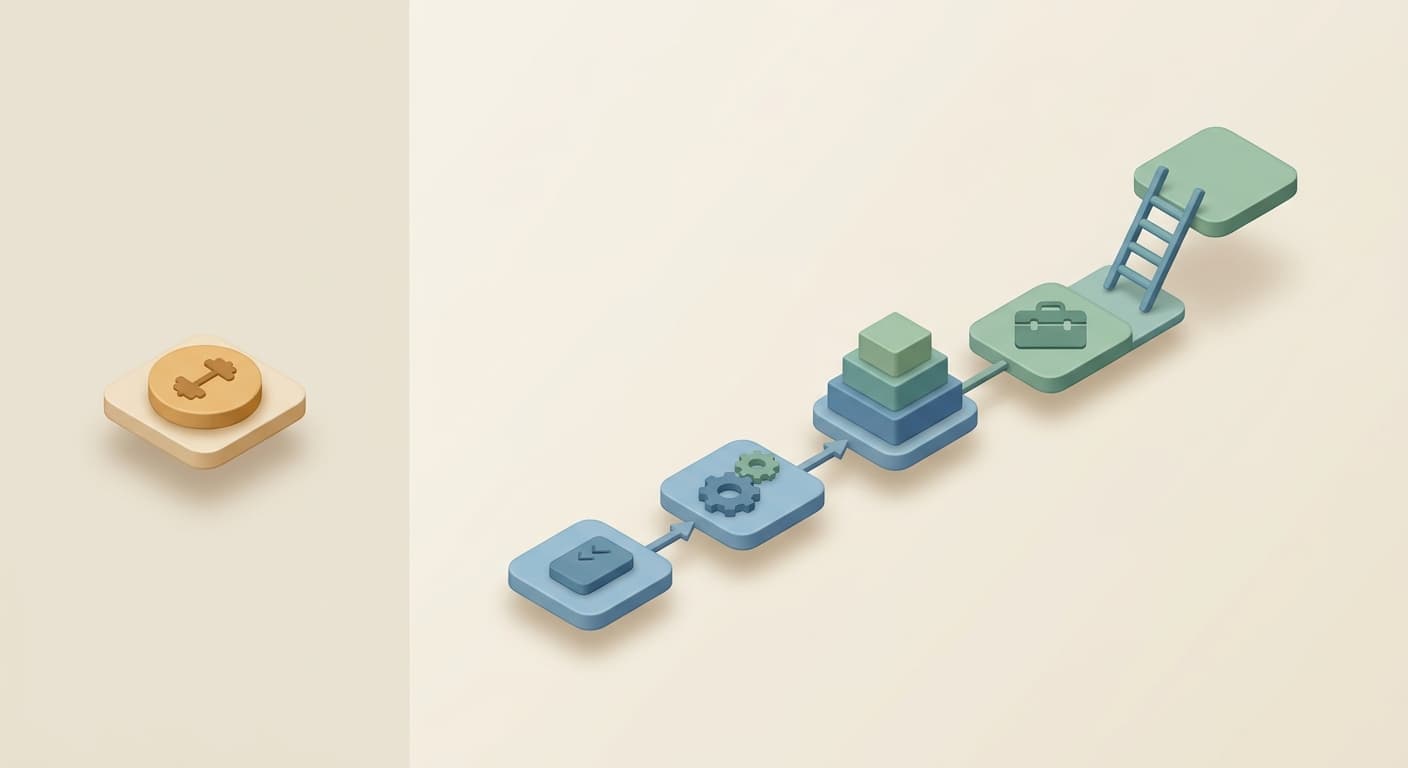
A scientific lens points to mechanical, low-drama fixes rather than crusades.
- Protect your first hour of the day. Attention is often most steerable before you absorb other people’s cues.
- Sequence high-reward activities after self-directed ones. This is a practical order, not punishment.
- Occasionally watch longer content. Longer videos or podcasts train a different rhythm, staying with one thread.
- Prioritize sleep. Sleep loss increases reward seeking and weakens control. If scrolling pushes sleep later, the next day will be harder.
If you use Mendro, a neutral habit is to log a short note after scrolling: what you felt before opening the app, what you got from it, and how your focus felt afterward. Pattern awareness builds without moralizing.
Calm conclusion
TikTok dopamine loops are not mystical. They are a reliable combination of reward prediction, variable reinforcement, and attention capture, presented with very little friction. That combination can pull attention toward novelty and fast payoff, and it can make slower tasks feel harder to start or sustain, especially when scrolling comes first, you are stressed, or sleep is fragile.
From a scientific perspective, the mechanisms are plausible and the associations with problematic use are real. Strong causal claims about long-term focus impairment are still ahead of the evidence. The best next step is observation, notice how the loop operates in your day, then adjust sequencing and friction until your attention feels more like yours.