

Burnout is systemic
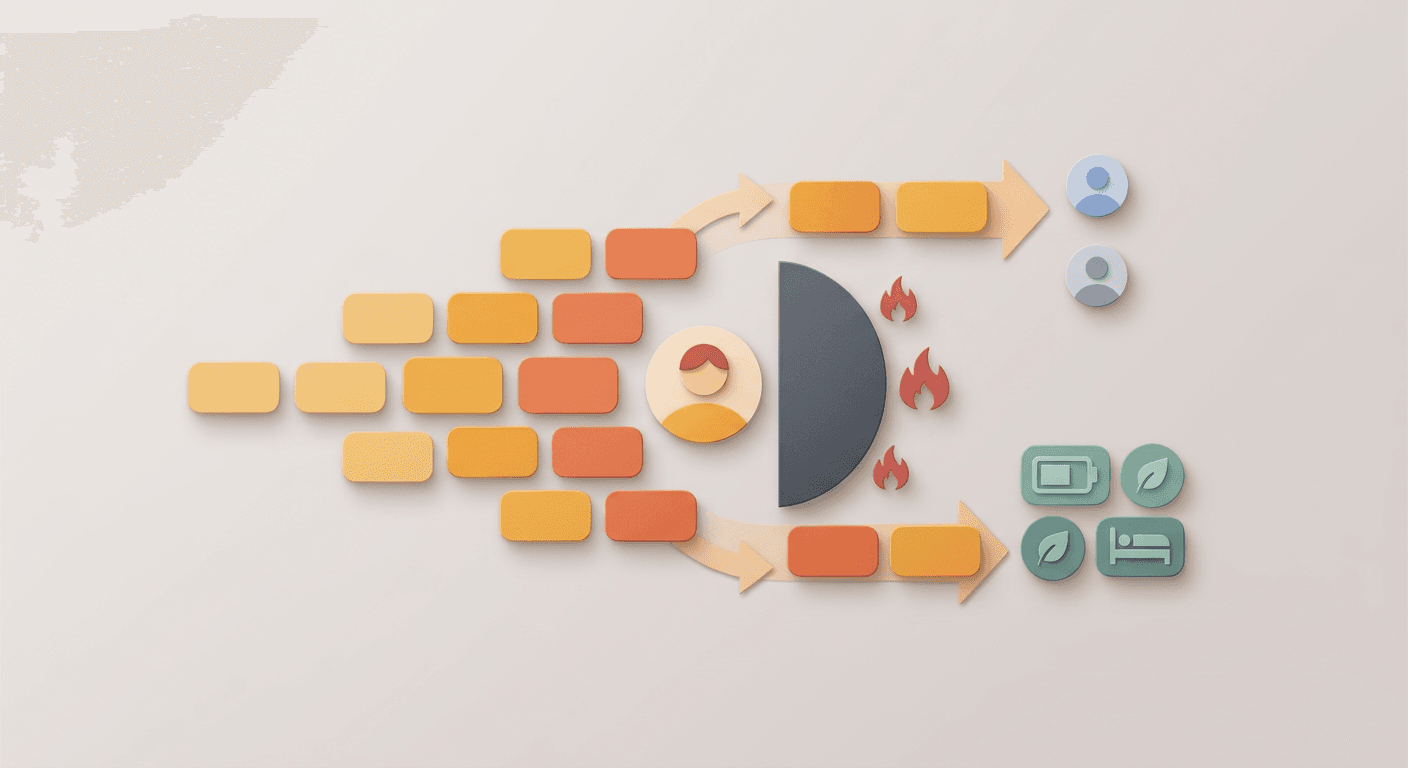
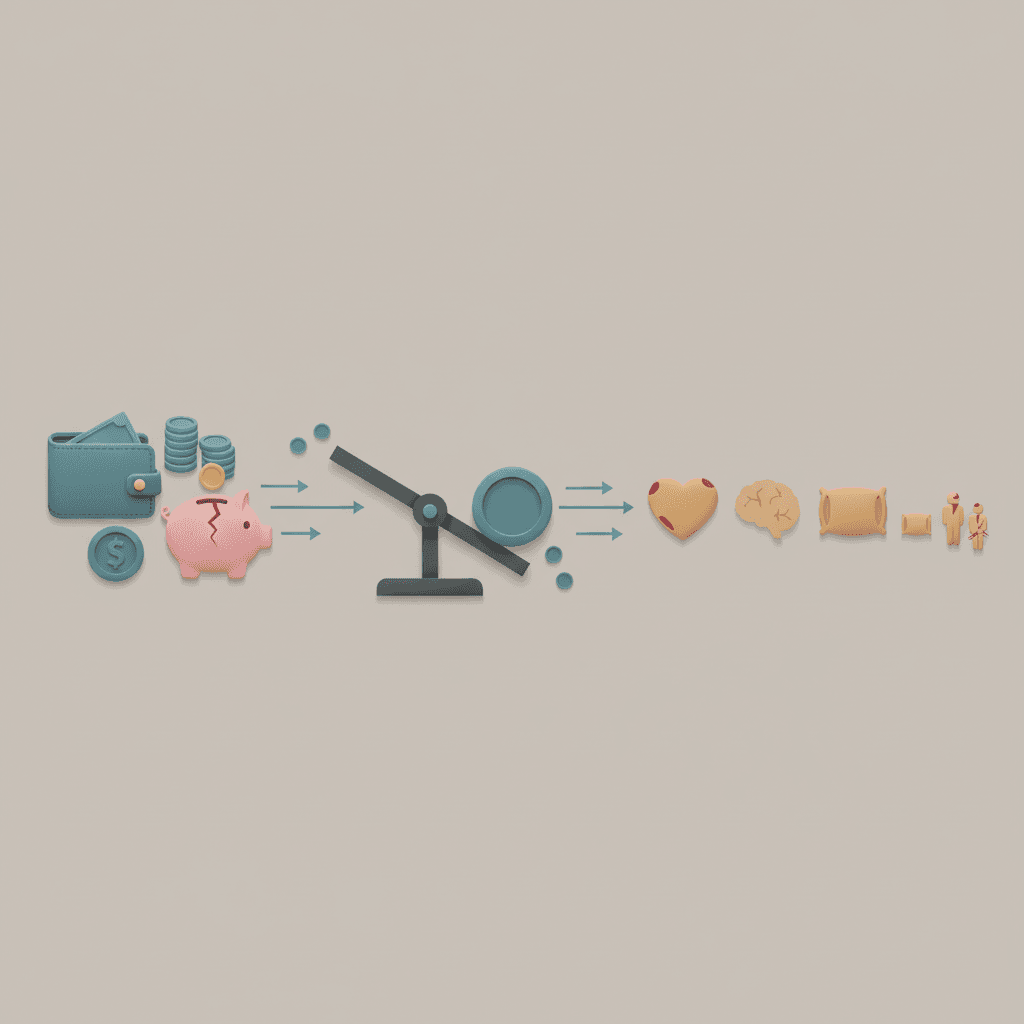
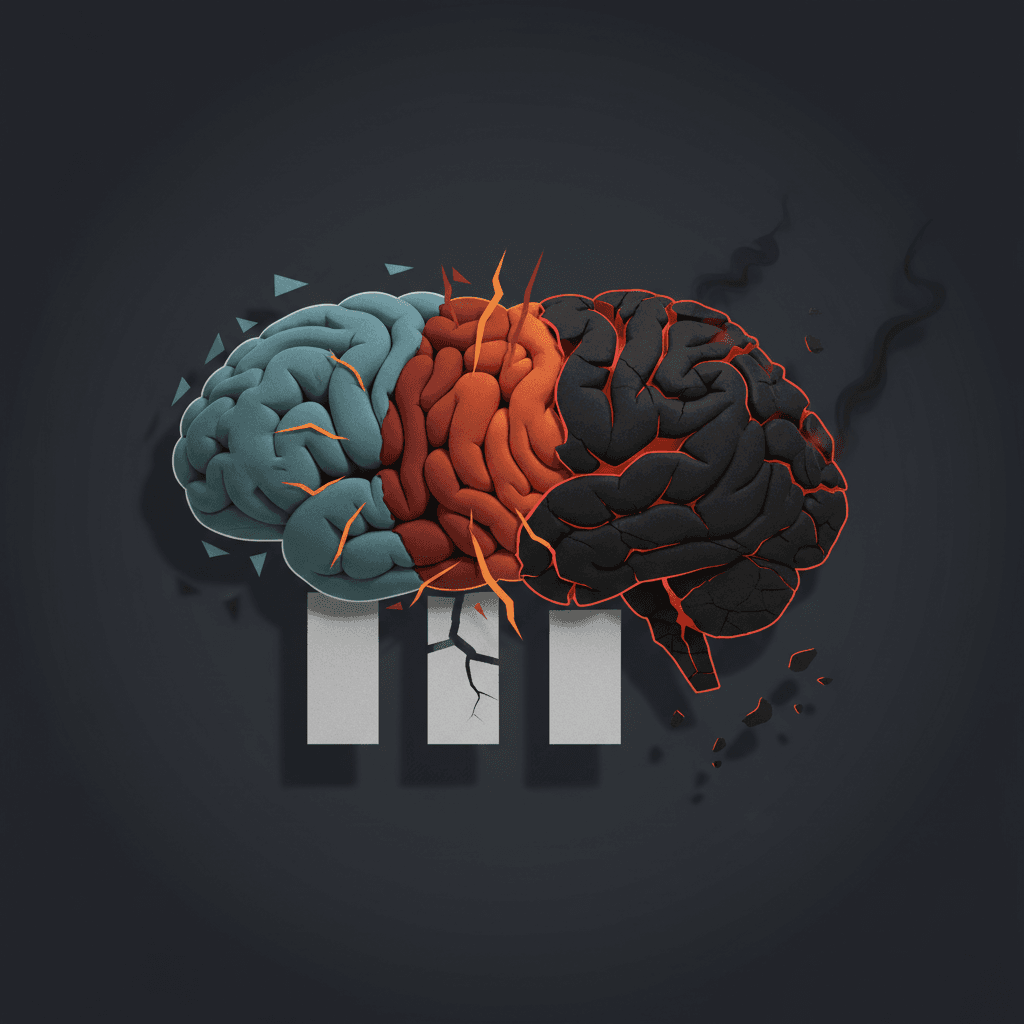
Start with a clear model. Burnout is not just feeling tired, and it is not only about mindset. Risk rises when demands remain high for a long time while recovery stays low and you have little control over how to meet demands. Over time, your body treats ongoing work pressure as a kind of chronic threat, even when you care about the work and nothing dramatic happens on any single day.
Because several forces combine to produce that state, prevention works best when you change multiple things at once. That does not mean you are broken; it means the problem is multi-causal and needs practical fixes in several areas.
A useful addition: burnout rarely arrives "out of nowhere." It usually shows up as small signals you stop tracking: shorter fuse, lower empathy, worse sleep, more cynicism, more scrolling, more "just one more thing." Tools that help you notice and reflect on these signals (like Mendro) can reduce risk by catching drift early, before it turns into a crash.
What's happening
A simple way to see burnout risk is as a chronic imbalance between load and recovery.
Load is more than hours. It includes cognitive load (too many decisions), emotional load (conflict, constant empathy), and moral load (feeling responsible without the tools or authority to do the right thing). When these loads are continuous, your stress system stays activated.
Recovery is the opposite. It is the set of conditions where your nervous system can drop out of high alert, your attention can soften, and your body can downshift. Recovery requires real disengagement, not just switching tabs while staying mentally on call.
Control matters because it changes how load feels. When you can shape your day, choose sequencing, renegotiate scope, or influence goals, the same amount of work often costs less. When you cannot, friction accumulates and small demands add up.
In short: reduce unnecessary load, increase real recovery, and add control and clarity where you can.
Where a self-reflection app helps: it turns this model into something trackable. If you do a 2 to 3 minute check-in, you can spot when load is rising (more meetings, more conflict), recovery is shrinking (late nights, no breaks), or control is dropping ("everything is urgent"). That awareness creates earlier, smaller course-corrections.
Shrink the load
The first practical lever is to reduce the amount of demand your system carries.
Research from healthcare shows workload and scheduling changes are reliable organizational levers. The principle applies elsewhere, if your workload is effectively infinite, individual coping strategies become a treadmill.
A short, practical starting point is a workload inventory. Over a two-week window, list what you are responsible for, what you are actually doing, and what keeps expanding. Then ask three scope questions:
- What can be stopped (not postponed)?
- What can be slowed (lower frequency or smaller output)?
- What can be shared or automated?
Even partial offloading reduces chronic strain.
If you lead a team, prevention becomes concrete here. Clear role definitions, realistic staffing, and explicit priority setting reduce the "everything is urgent" environment that drives overload.
How Mendro can help: use reflection to run the workload inventory without it becoming a one-time document you forget.
- Log the top 3 demands each day (not everything, just the heaviest).
- Tag what type of load it is (cognitive / emotional / moral).
- Once a week, review: Which demands repeat? Which ones expand? Which ones create the most "after-hours replay"?
That weekly review makes it easier to choose one thing to stop, downscope, or renegotiate, because you’re acting on patterns, not on vague overwhelm.
Protect recovery
Most people try to recover by adding more self-care tasks. That can help, but recovery is less about doing extra things and more about creating periods when your brain is allowed to fully let go.
A simple test: do you ever stop monitoring work? Not replying, not checking, not rehearsing conversations, not scanning for problems. If not, your recovery is partial.
Three high-impact moves:
Daily microbreaks
Short breaks matter because they interrupt sustained stress activation. A brief walk, a few minutes outside, a meal without screens, or a deliberate pause between meetings stops the day becoming one continuous threat signal. If your culture treats breaks as taboo, see that as a design issue, not a personal failure.
How Mendro can help: set a daily prompt that asks, “Did I take one real break today?” If the answer is “no,” add one sentence: What blocked it? Over time you’ll see whether the blocker is calendar design, guilt, or workplace norms, each requires a different fix.
Clear end of day
Burnout risk increases when the day never ends psychologically. If you cannot fully log off, create a boundary your brain recognizes: a shutdown ritual like writing tomorrow's first step and closing everything, a hard line for email after a set hour, or removing work apps from your home screen. Organizational norms that support disconnection amplify this effect.
How Mendro can help: use a short end-of-day reflection to close loops:
- “What’s done today?”
- “What is the first step tomorrow?”
- “What can wait?”
This reduces mental carryover, the invisible “background processing” that steals recovery.
Take real time off
When fatigue escalates, actual time away from the load is often the most protective move. Vacation, sick days, or a leave of absence are forms of risk control, not moral failures. If weekends no longer relieve exhaustion or you feel dread before returning, a genuine break is important.
How Mendro can help: track whether time off actually restores you. If you consistently return from weekends still depleted, that’s a signal to address load and boundaries, not to “optimize” weekends harder.
Increase autonomy
Autonomy is not only “I choose my job.” It is day-to-day control over how work is done. Greater autonomy reduces the extra energy your brain spends bracing and complying.
You can increase control in small, concrete ways without asking permission: batch shallow tasks into one window, protect a block for deep work, change meeting defaults to shorter meetings with agendas, or negotiate how success is measured for a deliverable. Leaders can help by involving people in job design and making priorities participatory. Even modest gains in voice and control lower strain.
How Mendro can help: autonomy grows when you can see where you do and don’t have options. In a weekly reflection, answer:
- “Where did I have choice this week?”
- “Where did I feel trapped?”
- “What’s one constraint I can renegotiate (scope, deadline, format, owner)?”
Even if you can’t change everything, identifying one renegotiable constraint per week is a realistic anti-burnout practice.
Evidence-based skills
Individual strategies do not replace organizational fixes, but they reduce risk when combined. Reviews of burnout interventions show person-directed approaches, like stress management and mindfulness, often reduce burnout outcomes.
Two practical skills to focus on:
Mindfulness
Mindfulness trains noticing stress early and returning attention to the present instead of spiraling into threat rehearsal. Mechanically, it reduces rumination, loosens constant monitoring, and makes it easier to disengage during breaks. If long sessions feel unrealistic, try brief practices: a short breath anchor or mindful walking. The goal is improved access to “off” moments.
How Mendro can help: use guided prompts to connect mindfulness to real situations:
- “What did stress feel like in my body today?”
- “What was I rehearsing or predicting?”
- “What helped me come back to the present for 60 seconds?”
This builds pattern recognition, which is what makes mindfulness usable under pressure.
CBT tools
Cognitive behavioral techniques change the interpretation and prediction layer of your mind. Under overload, people develop rigid rules such as, “If I do not respond immediately, everything will break.” CBT helps test those rules, soften them, and replace them with more accurate predictions. You do not need formal therapy for every tool, but structured guidance helps. Try one thought record, one experiment, one boundary test, then repeat.
How Mendro can help: reflection prompts can function like lightweight CBT “worksheets”:
- Situation → Thought → Feeling → Action
- Alternative thought
- One small experiment (e.g., reply in 2 hours instead of instantly)
Tracking experiments helps you learn which beliefs are true constraints and which are fear-based habits.
Clarify expectations
Ambiguity is a hidden load. Unclear expectations create constant background computation: what does “good” mean, what is urgent, what will be criticized. That uncertainty is stressful even when you are working hard.
Make a short alignment check part of your routine. Ask what success looks like, whether speed, quality, cost, or learning matters most, and what is explicitly not required. Leaders reduce burnout risk by stating expectations clearly and confirming understanding, not just broadcasting goals. Clarity lowers cognitive load for everyone.
How Mendro can help: after a meeting or new assignment, do a 90-second reflection:
- “What is the ask, in one sentence?”
- “What does success look like?”
- “What’s the tradeoff (speed vs quality vs scope)?”
If you can’t answer, that’s your cue to ask for clarification immediately, before ambiguity becomes after-hours rumination.
Build social support
Burnout often comes with isolation, not always physical, but the feeling of carrying risk alone. Support reduces risk by providing practical resources, coverage, and advice, and by changing threat perception. Your nervous system calms faster when you feel with others, not exposed.
Support can be small: one colleague to debrief with, a weekly check-in, or a norm that asking for help is allowed. If you lead, create peer support structures and encourage early capacity conversations. Those are prevention strategies, not perks.
How Mendro can help: reflection is also preparation. If you struggle to ask for help, use a prompt like:
- “What do I need (specific)?”
- “Who can help (specific)?”
- “What is the smallest ask I can make this week?”
Mendro can help you translate “I’m overwhelmed” into a concrete request: “Can you cover X on Thursday?” or “Can we drop Y from scope?”
Limits
If you are in a chronically understaffed environment with endless demand, no authority to say no, and penalties for disconnecting, individual strategies will help only so much. In that setting, the most protective changes are structural: staffing, workload, role clarity, duty hours, and norms that permit recovery.
Saying this clearly matters because many people read burnout as personal weakness when the core problem is design. If structural levers cannot shift where you work, a longer-term plan to change roles, teams, or terms may be the necessary risk control.
Where Mendro fits (and where it doesn’t): reflection tools can’t fix systemic understaffing. What they can do is help you document patterns (e.g., “I’m working late 4 nights/week,” “I’m on call mentally every weekend”), which makes it easier to advocate for change, seek accommodations, or make a clear decision about switching roles.
Start this week (with Mendro)
A minimal, practical starting point is to pick one action in each area:
- Load: stop or downscope one recurring commitment.
- Recovery: schedule one daily disengagement block that actually disconnects.
- Control: reshape one part of your day to increase autonomy.
- Clarity: confirm success criteria for one deliverable.
- Support: tell one person, briefly and specifically, what is hard right now.
Then use Mendro to keep the system honest with a simple weekly review:
- What increased load?
- What restored me?
- Where did I have control?
- What was unclear?
- Who helped (or who could help next week)?
- What is one adjustment I will make in the next 7 days?
Prevention is not a single hack. It is repeated, modest design choices that keep load, recovery, and control in balance, and reflection tools like Mendro can make those choices visible, trackable, and easier to repeat.