
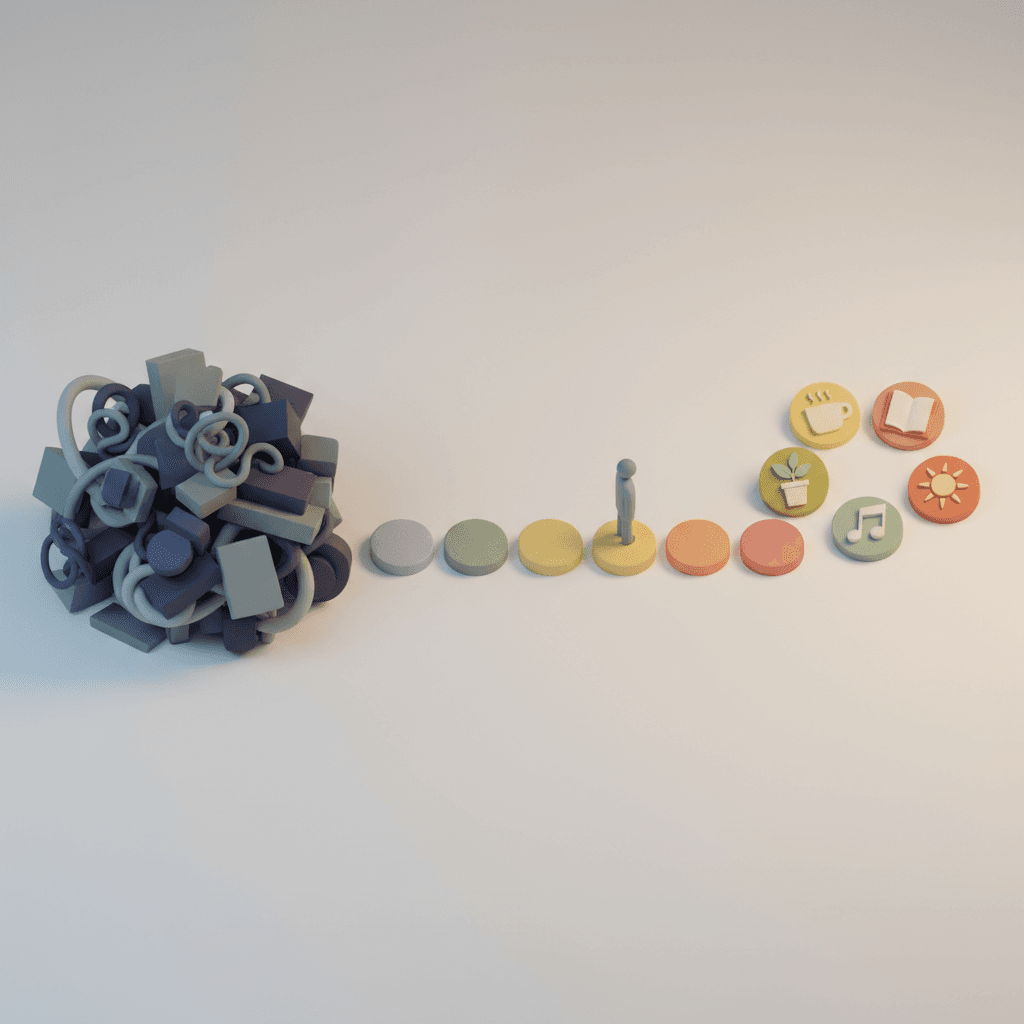
When enjoyment disappears
Most people assume enjoyment is a trait. You either like things, or you do not.
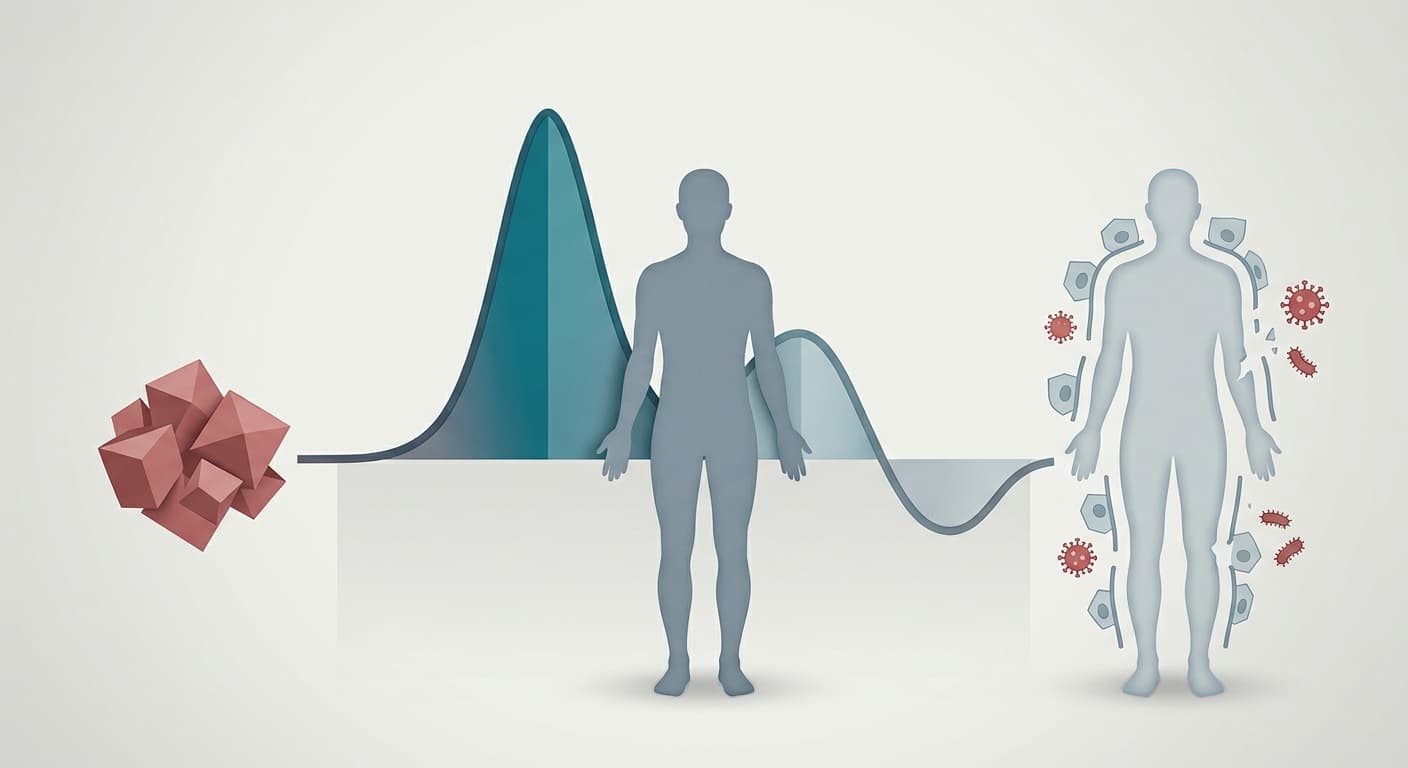
In reality, enjoyment is a signal that appears when several systems line up: attention, energy for anticipating reward, and time for recovery. Under stress and overload those systems get strained and the signal grows quiet.
That feels personal because it shows up in everyday moments. Music can sound flat, meals can seem unfulfilling, and free time can feel like another task. The aim here is not to manufacture happiness. The aim is to rebuild the conditions that let enjoyment return.
Why life feels flat
Enjoyment usually needs three things working together: spare attention to notice, some capacity to expect pleasure, and nervous system recovery time to register it.
Attention fragments
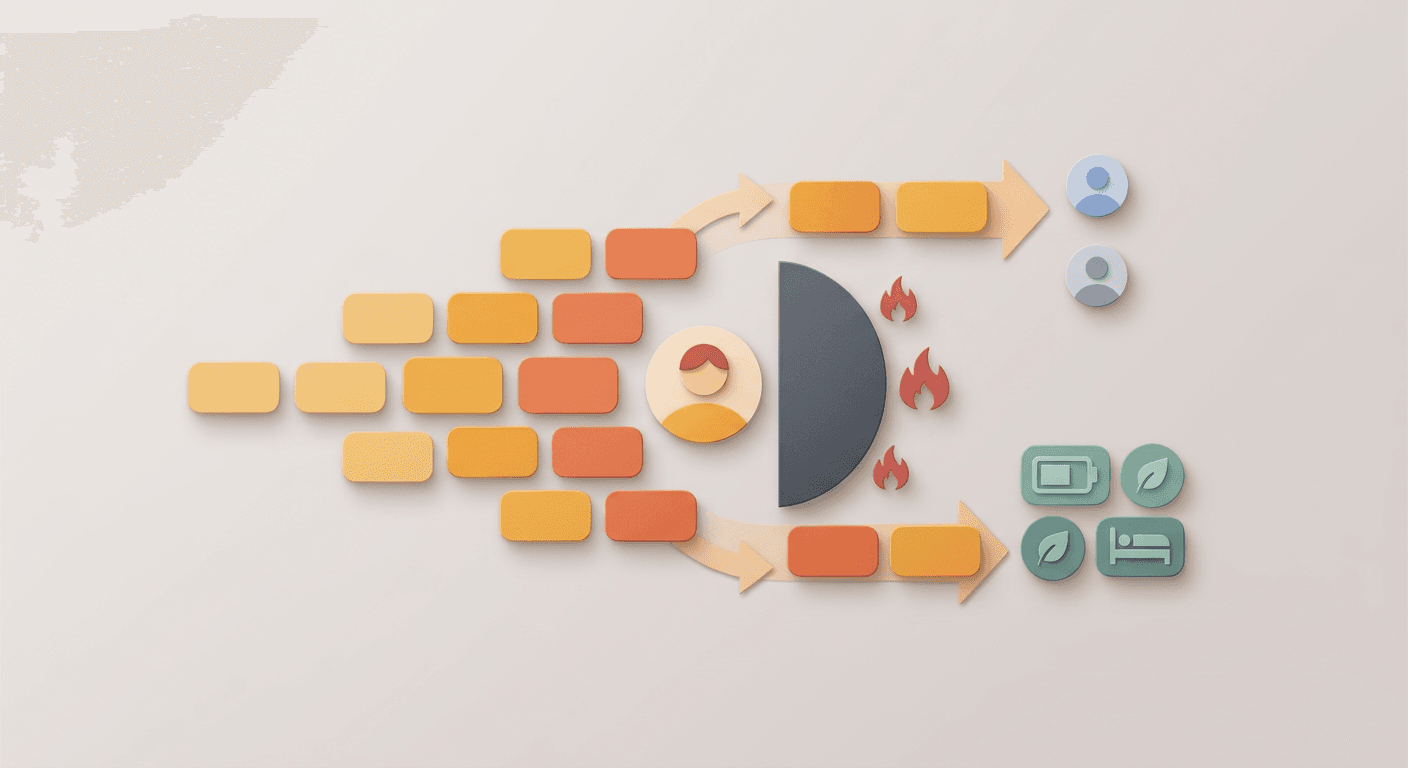
When your brain manages many open loops it prioritizes scanning, planning, and problem detection. That is useful in demanding periods, but it makes sustained, immersive attention harder. Enjoyment is often an in-the-moment experience. If your mind keeps snapping back to what is next, even things you like can feel thin. Often this is a bandwidth problem, not a change in taste.
Anticipation shuts down
A lot of pleasure comes from looking forward to something. Under sustained stress the brain can start predicting lower reward or higher cost. It therefore reduces the "go toward this" signal. That is why you can know an activity would be good and still feel unable to start it.
Recovery halts
If breaks are only for maintenance you do not restore your nervous system. Restorative leisure tends to be low in mental effort, feel like a change of scene, and match your interests and abilities. When those conditions are missing, downtime does not rebuild capacity and enjoyment stays muted.
Together these effects make ordinary rewards harder to notice and value. Research on leisure and well-being shows that enjoyable activities, when they restore you, support psychological and physical health. The pattern is clear, recovery is not optional if you want pleasure back.
A common mistake
When enjoyment fades many people raise the stakes. They plan big weekends, hunt for the perfect hobby, or pressure themselves to feel grateful. That pressure adds a second job, perform enjoyment, which often backfires.
A more practical approach treats enjoyment as a capacity you can rebuild. Small, repeatable practices win over dramatic gestures.
A practical model
Think of the next few weeks as a gentle experiment with three levers:
- Reduce the entry cost of enjoyable activities.
- Retrain attention in short bursts.
- Create deliberate recovery, not just absence of work.
You are not trying to feel amazing. You are trying to feel slightly more present, more often.
Start with sensory anchors
When depleted, activities that need planning, social energy, or complex decisions feel like chores. Begin with low-entry, high-sensory experiences because they give your attention something concrete to hold.
Choose one sensory anchor for seven days. Keep it short and simple so you will actually do it. Examples include a hot shower noticed for temperature and scent, one song on headphones with eyes closed, a short walk where the goal is noticing three colors, or a cup of tea sipped slowly while sitting down. The point is to give attention a single channel long enough for your brain to register that something is pleasant.
Use anticipation deliberately
Anticipation is part of enjoyment, and overload tends to erase it. Rebuild it with a two-step plan: decide in the morning on one tiny enjoyable thing for later, then do it at the promised time even if the feeling is muted. This creates a predictable reward cue and rebuilds simple trust in yourself. Over time those small cues help reestablish the link between future action and payoff.
Vary your leisure
If everything feels stale, variety helps. Studies from the COVID period show that a wider range of leisure activities is linked to better coping and resilience. Variety does not mean cramming activities in. It means expanding your menu so your stressed brain has more chances to find something that fits on a given day.
If your default is screens, add one non-screen option. If you usually spend time alone, add a light social choice. If your routine is sedentary, add gentle movement. Think in categories: quiet alone time, unwinding, social connection, nature, movement, and small hobbies or crafts.
Leisure crafting
Designing free time with intention can help when spontaneity feels impossible. A simple, gentle version of leisure crafting is to pick once a week:
- One recovery activity that downshifts your nervous system.
- One connection activity for light social nourishment.
- One growth activity that offers curiosity or novelty.
Keep each choice small. The win is not the size of the activity. The win is that free time stops dissolving into "nothing happened and I am still tired."
Don't wait to feel it
When motivation is low you may expect desire to come first, but that often does not happen. Behavioral activation reverses the sequence: do the activity first, and mood follows later, if it follows at all. Enjoyable activities can trigger neurotransmitter responses, including dopamine, that support repeating the behavior. The first few repetitions may feel neutral. Treat that flatness as expected data, not failure.
A useful rule: if an activity is aligned with you and low in cost, do it even at 30 percent desire.
Reduce the pressure
Enjoyment returns faster when you stop demanding fireworks. Instead of asking, "Did I have fun?" try smaller questions: Did I feel briefly more present? Was there a moment of mild interest? Did my body feel a little less tense? Those signals count and are often the first signs of recovery.
If you want to notice progress without turning it into homework, a single nightly line can help: "Today, the most enjoyable 30 seconds were: ____."
When to take it seriously
Sometimes faded enjoyment is a short-term overload sign. Sometimes it is part of a deeper depression pattern. If anhedonia comes with persistent low mood, sleep or appetite changes, hopelessness, or thoughts of self-harm, reach out to a clinician. If enjoyment has been absent for weeks and you are worried about your safety, get help. This is not a sign of failure, it is a signal that you may need support that matches what you are carrying.
Start this week
If you do nothing else, try this for seven days:
- One sensory anchor for 2 to 10 minutes daily.
- One planned micro-pleasure scheduled midweek.
- One leisure slot in a category you usually skip.
Watch for small returns, not fireworks. Enjoyment often comes back like daylight, gradually then suddenly you notice the room is brighter. Not because you forced it, but because you rebuilt the conditions it needs.