
When progress stalls
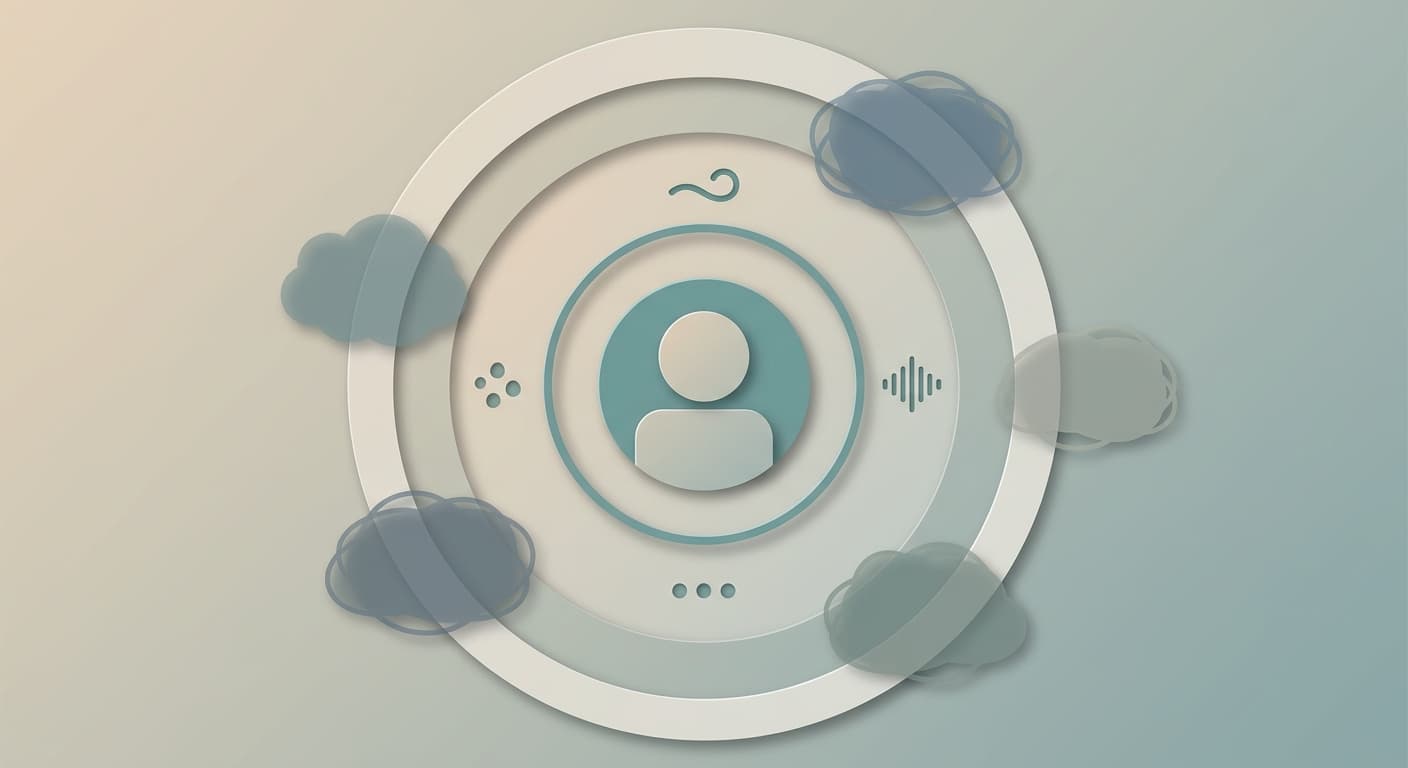
You read the same paragraph and nothing sticks. You try harder, but attention feels sticky and brittle. In that moment, leaving your desk can look like procrastination. Often it isn't, it's a quick way to change the brain state that supports real learning.
This article focuses on a practical idea: walking is a form of rhythmic movement that shifts body state in ways that make attention and working memory easier to steer. It's not a fitness rant or a promise of instant genius. It's a simple, repeatable tool you can use when studying or working.
How walking helps
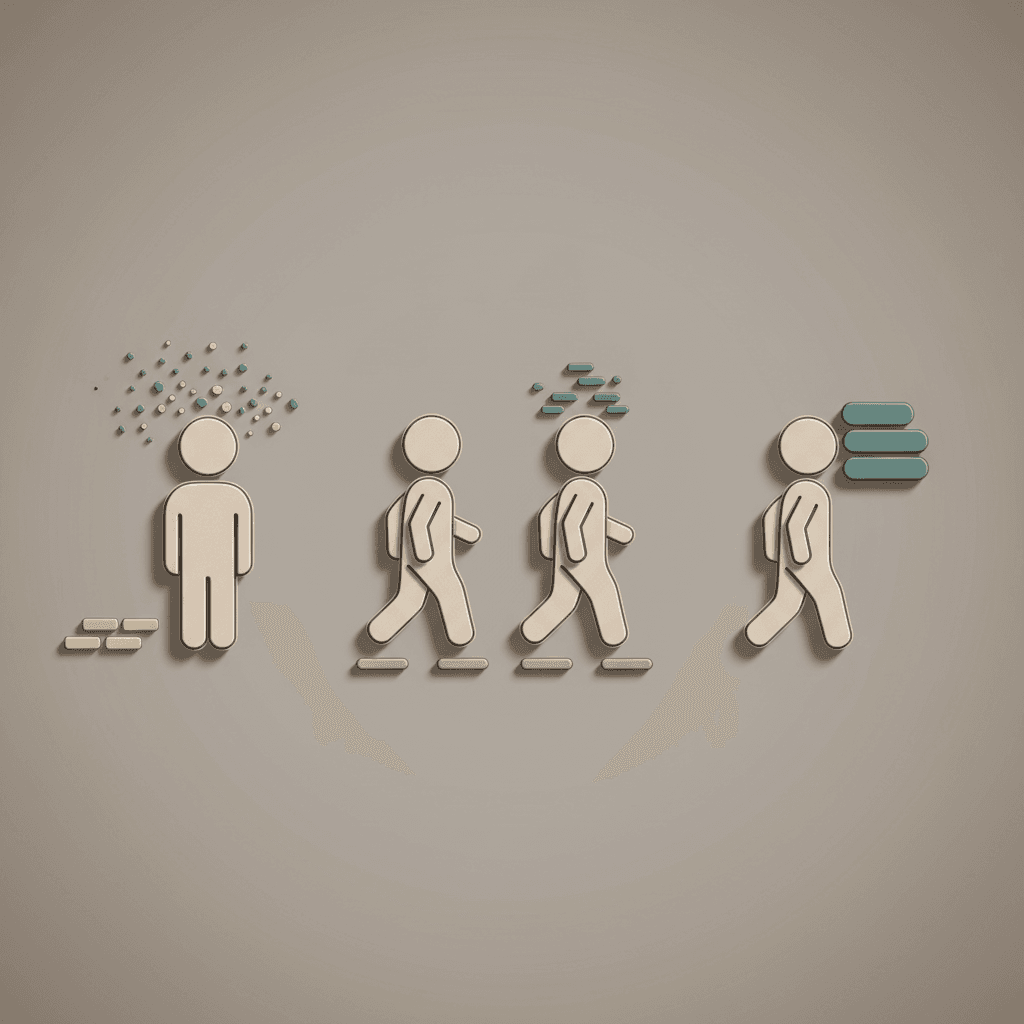
Walking does two reliable things at once. First, it increases arousal slightly: your heart rate and circulation rise, and the brain gets a small resource boost. Second, walking creates a steady rhythm, steps, breath, and arm swing, that reduces the need for constant micro-decisions.
Together these shifts move many people into a middle zone: alert enough to engage, relaxed enough to think. That state is often what studying needs more than sheer willpower.
Divergent vs convergent
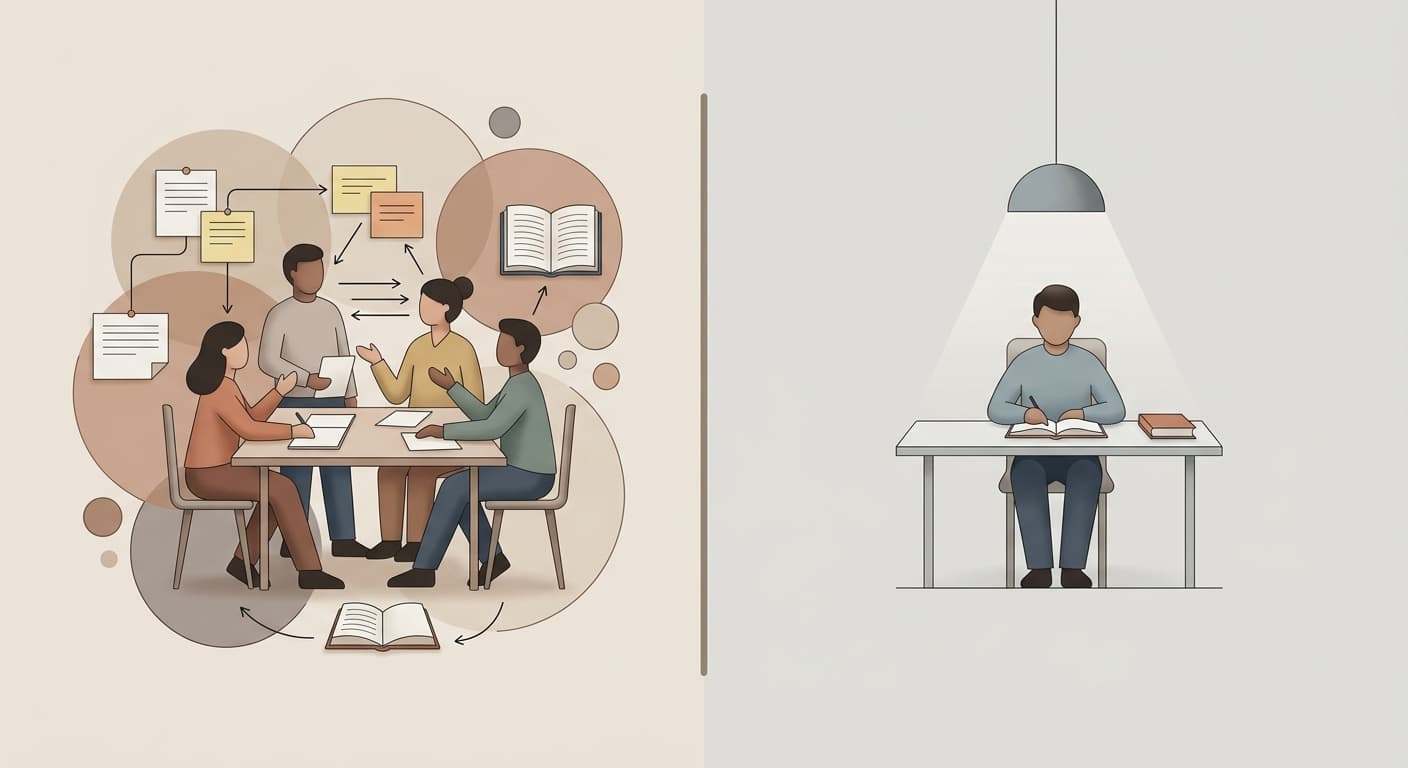
Walking tends to support divergent thinking, generating ideas, making new connections, and exploring options. In experiments, people often produce more novel ideas while walking than while sitting, and the boost can carry briefly afterward.
It is less consistent for convergent thinking: tasks that require narrowing to a single right answer, tight logical chains, or precise edits. So use walks to get unstuck, explore, and generate momentum. When it's time to choose, refine, or proof, sit down.
How it works
Two cognitive systems matter for learning: attention (aiming and holding the mind on the right thing) and working memory (the small workspace for holding and manipulating information). Rhythmic movement supports both in a few practical ways.
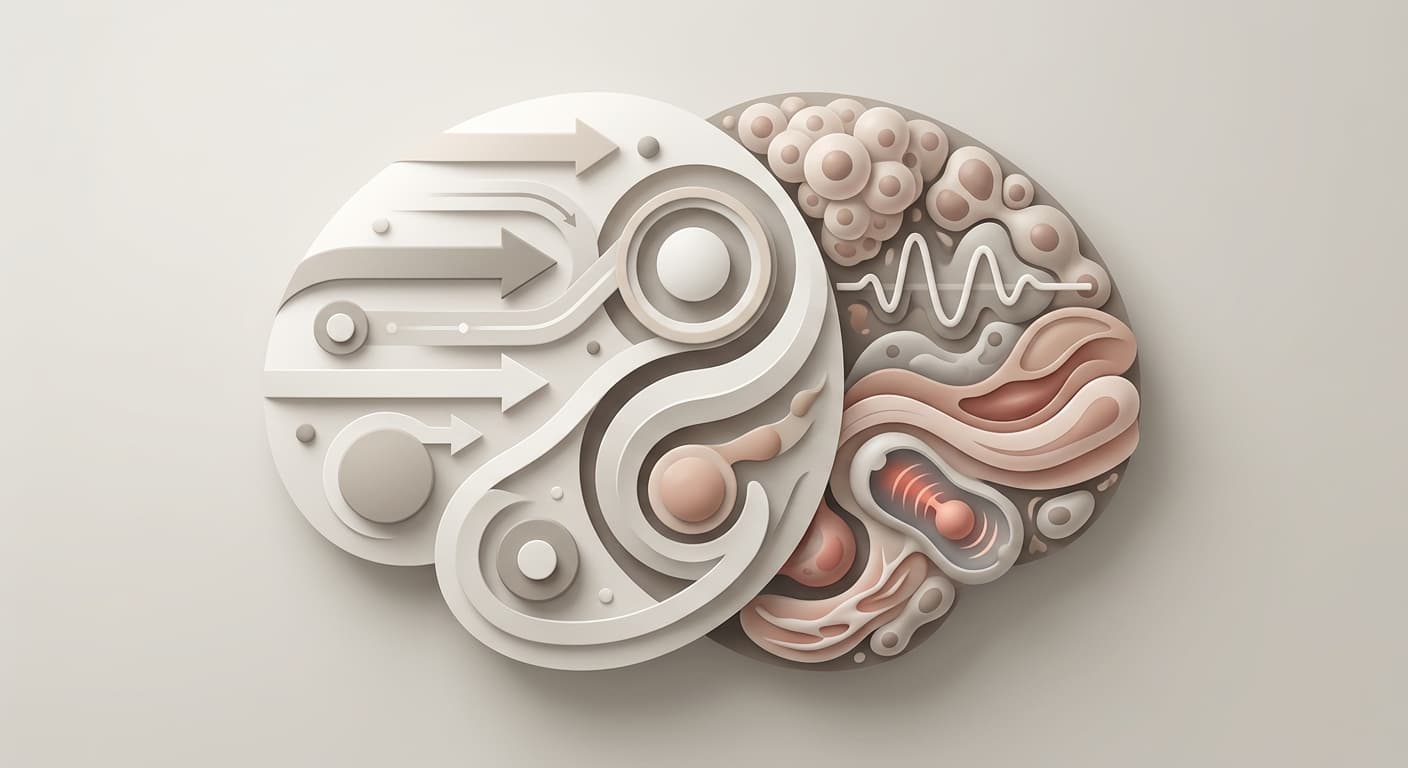
When you walk, circulation and arousal rise a bit, giving the brain more immediate resources. The steady pattern of movement reduces the need for constant action choices, freeing "control bandwidth" for the task you care about. At the same time, thinking often becomes more associative, you have structure but not rigidity, so new links form more easily.
Put simply: walking can make it easier to hold information steady and move it around in your head.
Short walks, big effect
You don't need a long hike. Short walking bouts, even 8 to 15 minutes, can shift your next hour of work. The useful takeaway is not that walking makes you smarter, but that it can quickly move you into a more workable state.
Most learning problems are state problems: starting tense, losing attention after long sitting, or pushing past a point where quality falls. A brief walk is an efficient reset, especially if you use it before you are fully stuck.
Long-term benefits
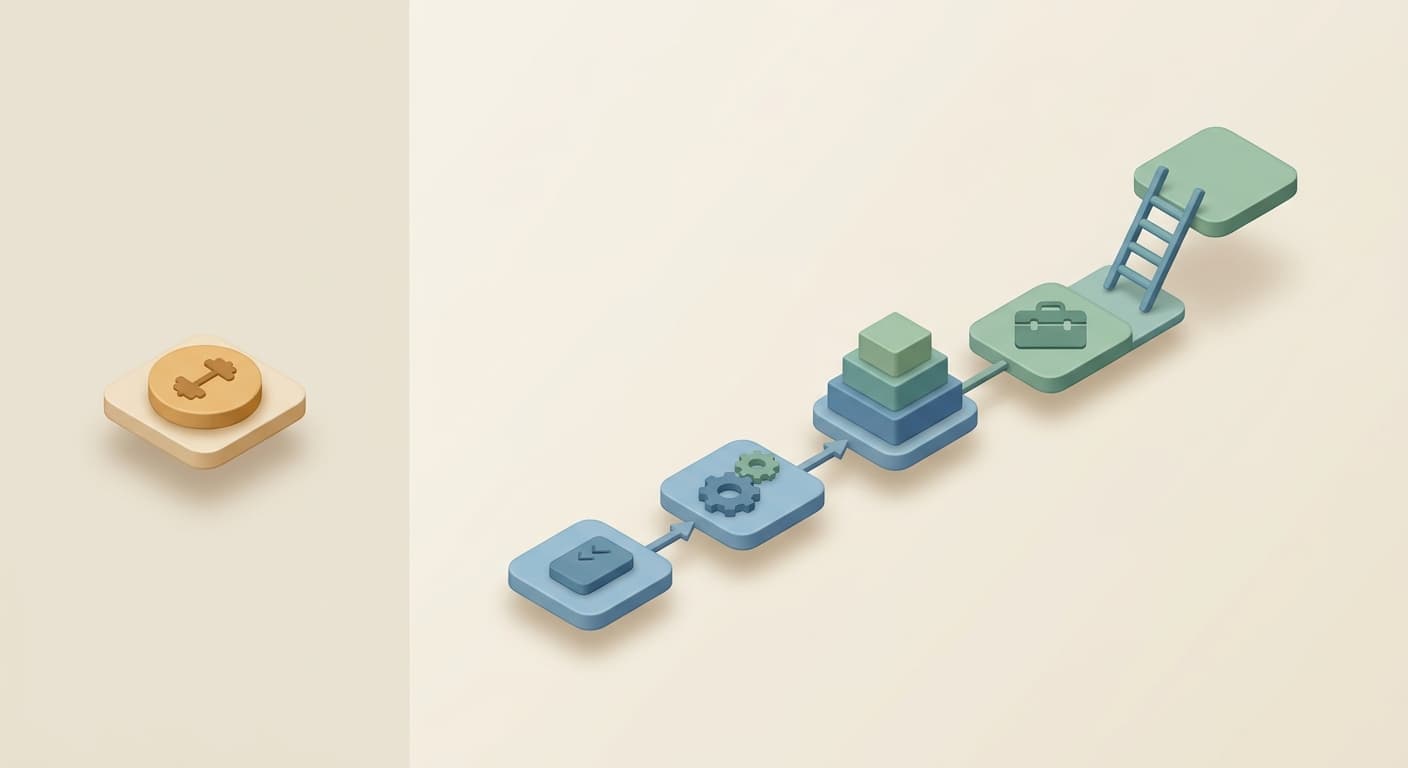
Doing walking regularly adds up. Studies in older adults show improvements across attention, memory, and executive function over months when walking becomes a routine. Evidence also points to stronger coordination between brain networks involved in attention and memory after sustained programs.
These long-term effects suggest walking helps maintain the brain systems that support learning over time, reducing the chance of slow baseline decline.
Practical routines
The goal is not perfect steps; it's pairing movement with the right kind of thinking.
Idea generation
For writing, planning, or brainstorming: walk for 8 to 15 minutes with a single prompt in mind. Let the question repeat gently and capture ideas as one-line notes. Walk to widen the space; sit to narrow and edit.
Pre-study walk
If getting started is hard, try a short walk before you begin. Ten minutes around the block or down the hall can make the first task feel manageable. Return and start with a clear, small action (for example, write a five-sentence summary or solve three practice problems).
Rhythm breaks
During long study sessions, working memory fatigue shows up as rereading without comprehension or avoidable mistakes. Every 45 to 60 minutes, take a 5-minute walk. Keep it simple and rhythmic; avoid screens if possible. After you return, do a quick retrieval exercise, recall the key points before continuing.
Walking meetings
Walking meetings work well for messy, exploratory conversations: early project shaping, brainstorming, or reducing tension before a hard discussion. They are less suitable when people need to inspect detailed documents or spreadsheets together.
Capture ideas
Stopping to write long notes breaks the rhythm. Use a strict voice-memo format, "problem, idea, next step", or a notes app with one-line bullets. A single sentence after the walk can be enough to lock in what changed and what you will do next.
Health co-benefits
Walking helps concentration indirectly too. Regular steps can improve sleep quality, reduce stress, and prevent the heavy, stale feeling that comes from long sitting. These effects free up working memory and attention over time. For mental-clarity goals, moderate movement usually works better than intense exercise.
Alternatives to walking
If walking isn't possible, use other rhythmic movement to get a similar state shift: stepping in place for a few minutes, gentle cycling at an easy pace, or paced standing breathing (slow inhales and longer exhales). The key is predictable rhythm plus light arousal, not the specific modality.
Limits
Walking isn't a shortcut to understanding. It won't transform confusion into knowledge by itself, and it won't reliably improve tasks that demand tight precision. If movement makes you more scattered or anxious, shorten the duration, slow the pace, or choose a quieter route. Treat those reactions as useful feedback.
A calmer view of focus
Focus is something you help create, not a trait you either have or lack. Walking is a simple, repeatable way to shift your state toward alertness, steadiness, and mental space. Use it to generate ideas, regain momentum, or reset working memory, then return to stillness to choose, refine, and commit.