
A simple test
Think about a habit you can do without effort in one place, but not in another.
Maybe you read every night on vacation and somehow never scroll. Or you cook at a friend’s house because the kitchen feels inviting, then go home and order takeout. Or you feel calm in one neighborhood and tense in another, even on the same day, with the same problems waiting in your inbox.
It’s tempting to call those shifts "motivation" or "discipline." A lot of what changes, though, isn’t only inside you. It is around you.
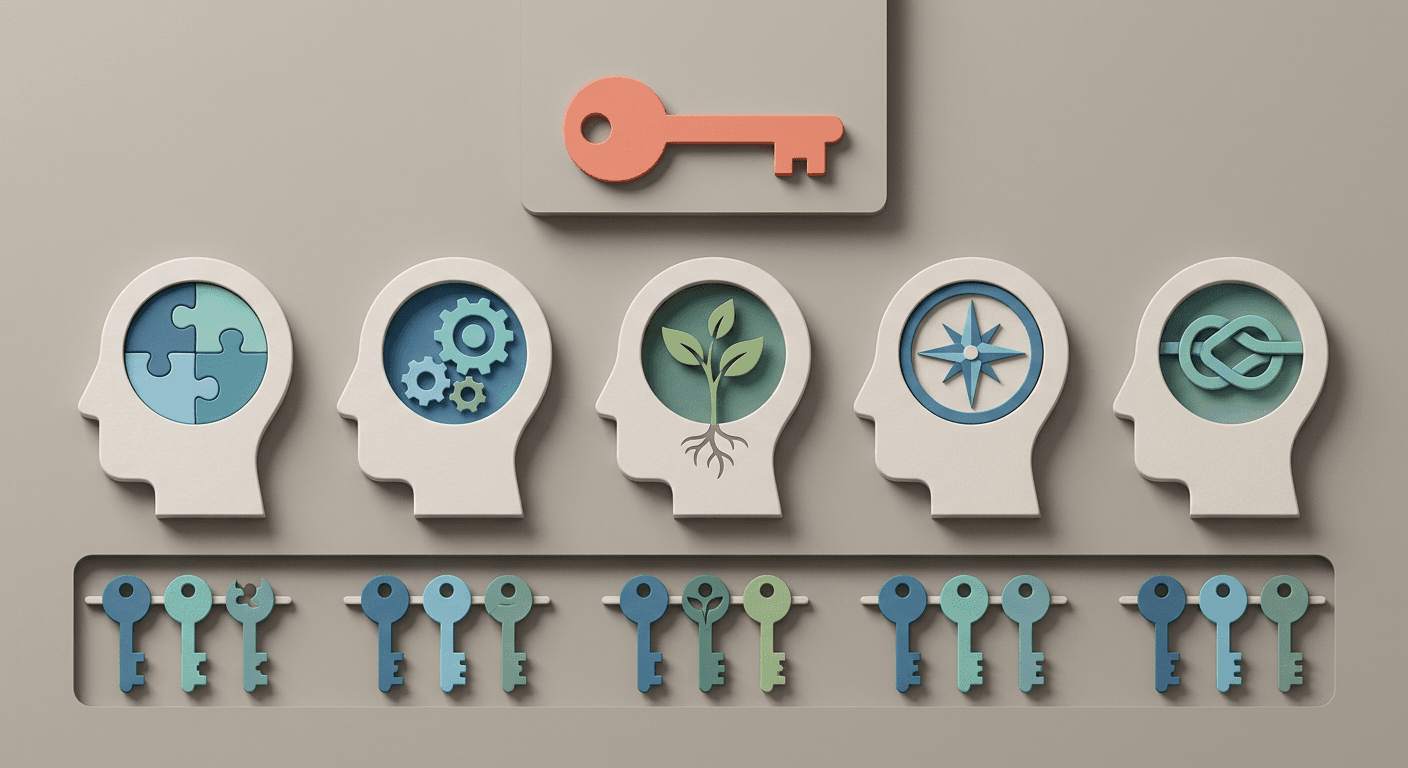
Your environment shapes behavior and habits because it changes three things your brain is constantly managing, often outside awareness: what you notice, what feels easy or hard, and what feels normal and expected. Once you can see those levers, confusing behavior patterns start to make sense.
Quick definitions
- Environment: more than a room. It includes the social world, built space, routines, schedules, access, money, noise, safety, and what other people do.
- Behavior: what you do in a moment.
- Habits: behaviors that become automatic because the brain links them to stable cues and repeats them in similar contexts.
The question isn’t whether environment matters. It’s how the environment gets under the hood.
Brain as predictor
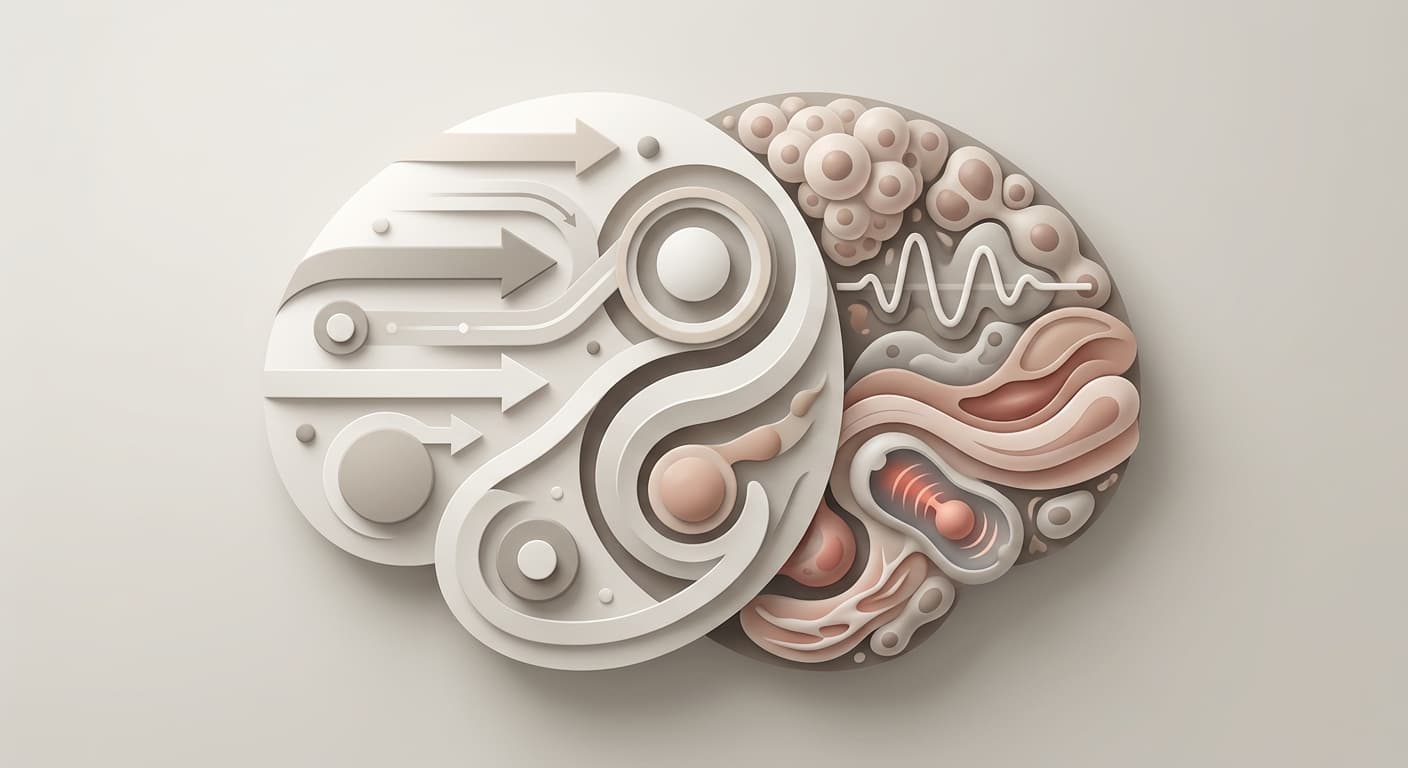
Your brain is constantly predicting what matters and what to do next. To be efficient it leans on context.
When a context repeats, your brain treats it like a shortcut. It doesn’t decide from scratch each time; it can run a script. At a mechanistic level, a habit is a learned link between a cue and a routine that saves effort. The environment shapes those links through a few reliable pathways.
Cues steer behavior
A cue is anything that reliably precedes a behavior.
It can be obvious—a snack bowl on the counter. Or subtle—the feeling of getting into bed with your phone nearby. Or social—seeing coworkers take a break at 3 p.m.
Cues matter because they reduce the need for deliberate control. They pull attention. That’s why "I forgot" is so common: people don’t forget because they don’t care, they forget because there was no cue strong enough at the right moment.
A small environmental change that improves cue reliability often beats a large internal promise.
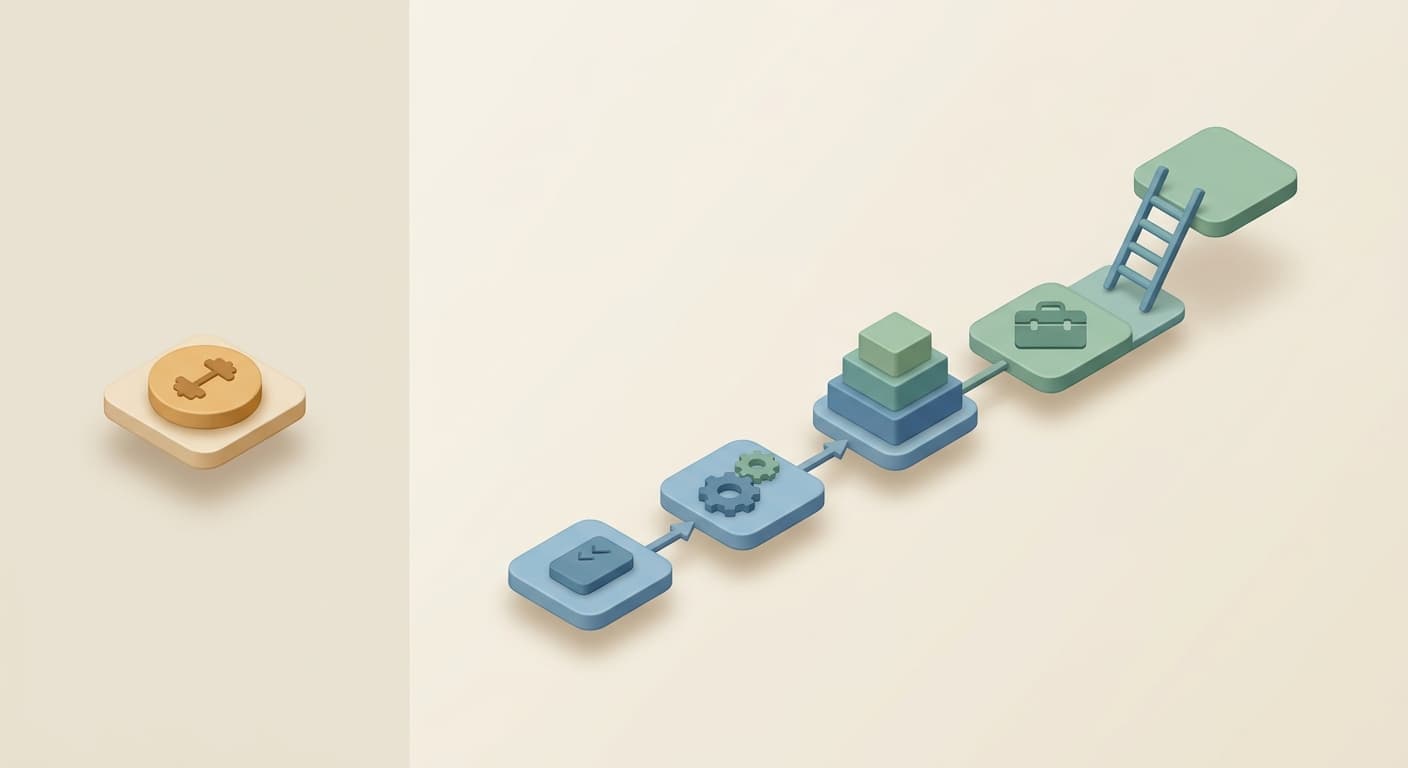
Friction slows habits
Friction is the number of steps, obstacles, and mild discomforts between you and an action.
The brain is energy-conscious. When two actions are available, it’s biased toward the one that is simpler, closer, and less mentally demanding. This isn’t laziness. It’s logistics.
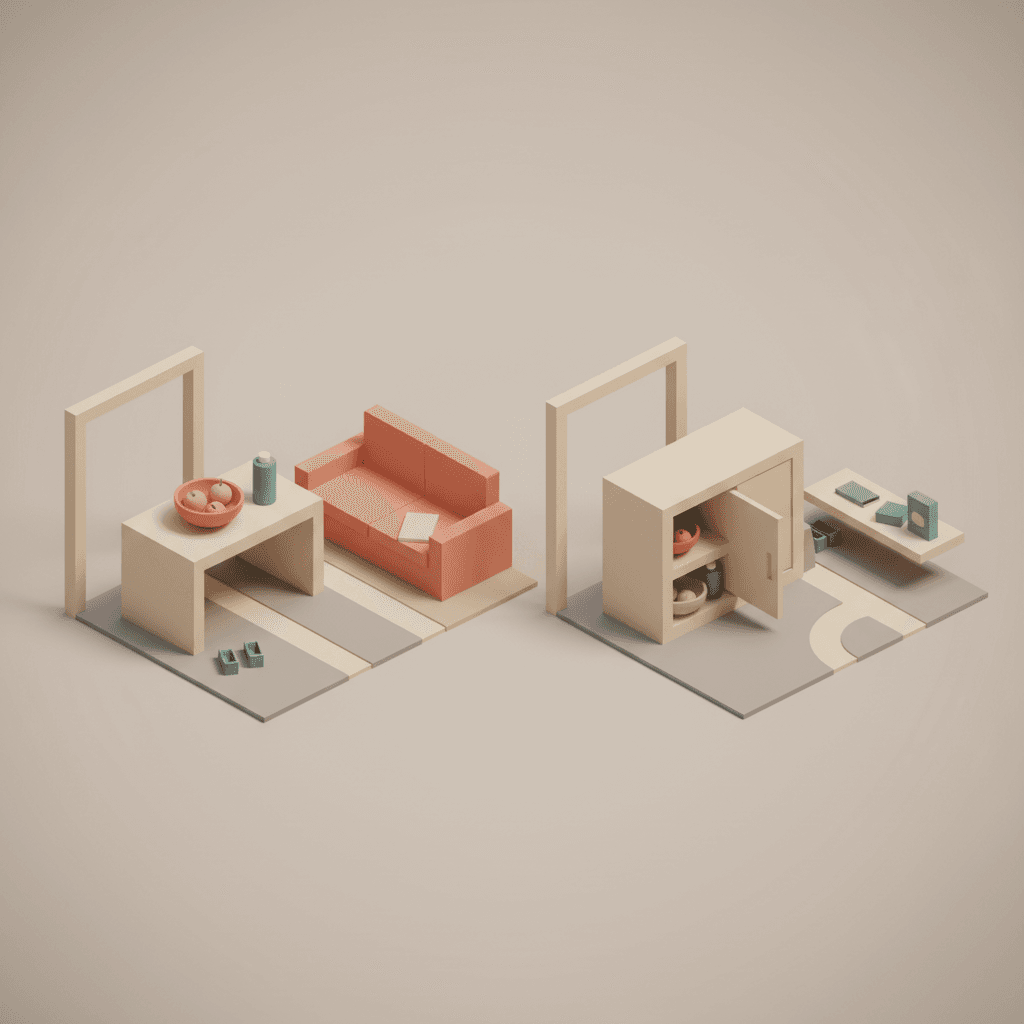
If healthy food requires preparation while a processed snack is ready to eat, the environment is voting. If the gym requires a commute and your couch is already there, the environment is voting. Designing friction isn’t about willpower hacks; it’s about accepting what the brain does by default.
Defaults and access
Defaults and access shape behavior without persuasion.
Defaults work because they don’t ask you to make a fresh decision. Access works because what’s accessible becomes plausible. People can agree with an idea and still not do it if the environment makes it costly.
This is why environmental and policy changes often outperform information campaigns for long-term behavior. External constraints, like infrastructure or cost, can block action even when values are present.
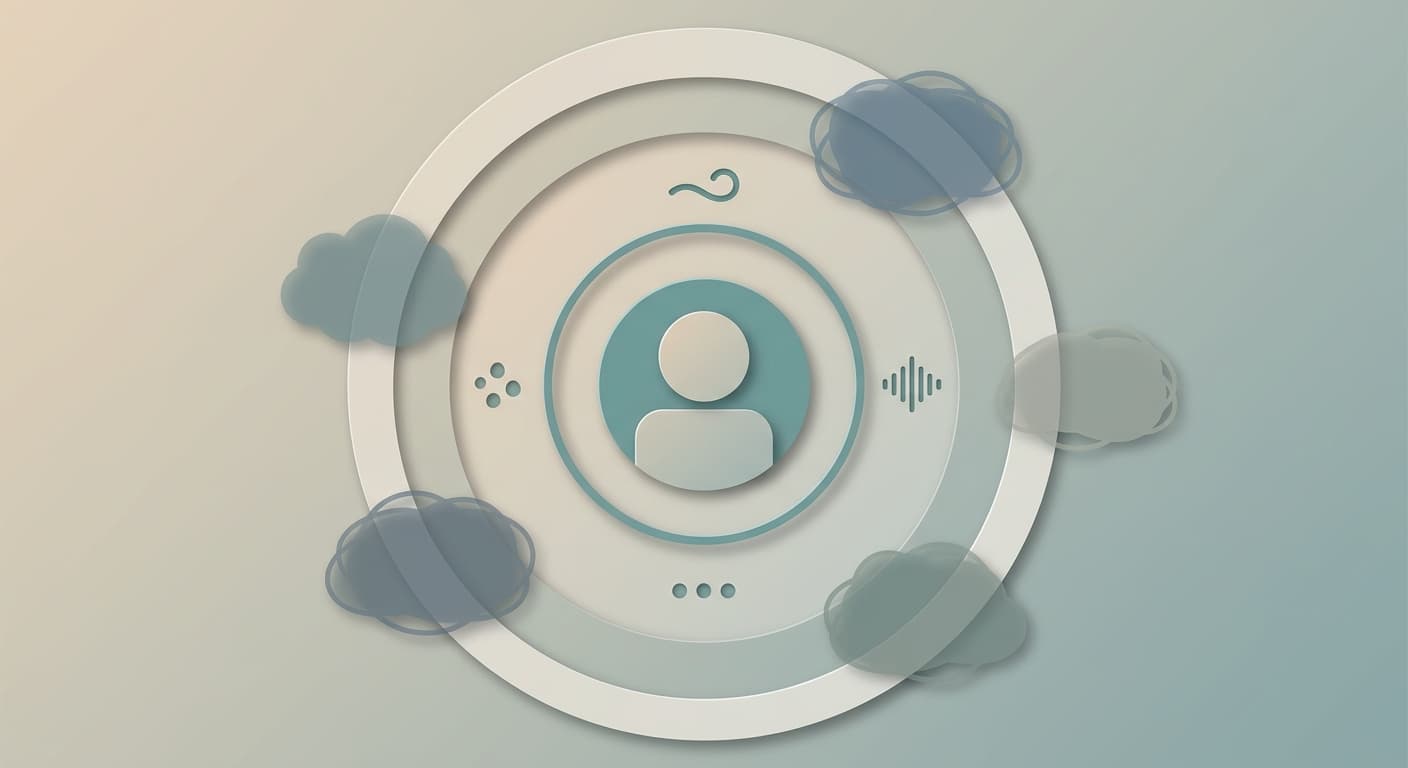
Stress and choices
Stress changes which behaviors your brain can afford.
Stress increases cognitive load and narrows attention. Under pressure the brain prioritizes immediate relief, familiar routines, quick rewards, and threat monitoring. That doesn’t create new habits out of nowhere. It strengthens the pull of existing ones, especially those that offer fast comfort.
A chaotic, unsafe, or unpredictable environment can keep the nervous system in a state where reflective choices are harder to access. Research that follows children over time finds that environmental exposures across family, neighborhood, and lifestyle associate with later mental-health, related behaviors, with sleep problems emerging as an important signal of how environment and physiology interact.
Sleep as environment
Sleep is easy to moralize as personal responsibility, but it’s strongly shaped by environment: noise and light, temperature, household schedules, screen norms, safety, and stress.
Sleep is both a behavior and a regulator of other behaviors. Poor sleep makes attention, impulse control, and emotion regulation harder the next day. So a sleep-disrupting environment doesn’t just affect sleep; it echoes into eating, focus, irritability, and conflict. If you notice more "bad habits" after poor sleep, that’s a predictable cascade, not a character flaw.
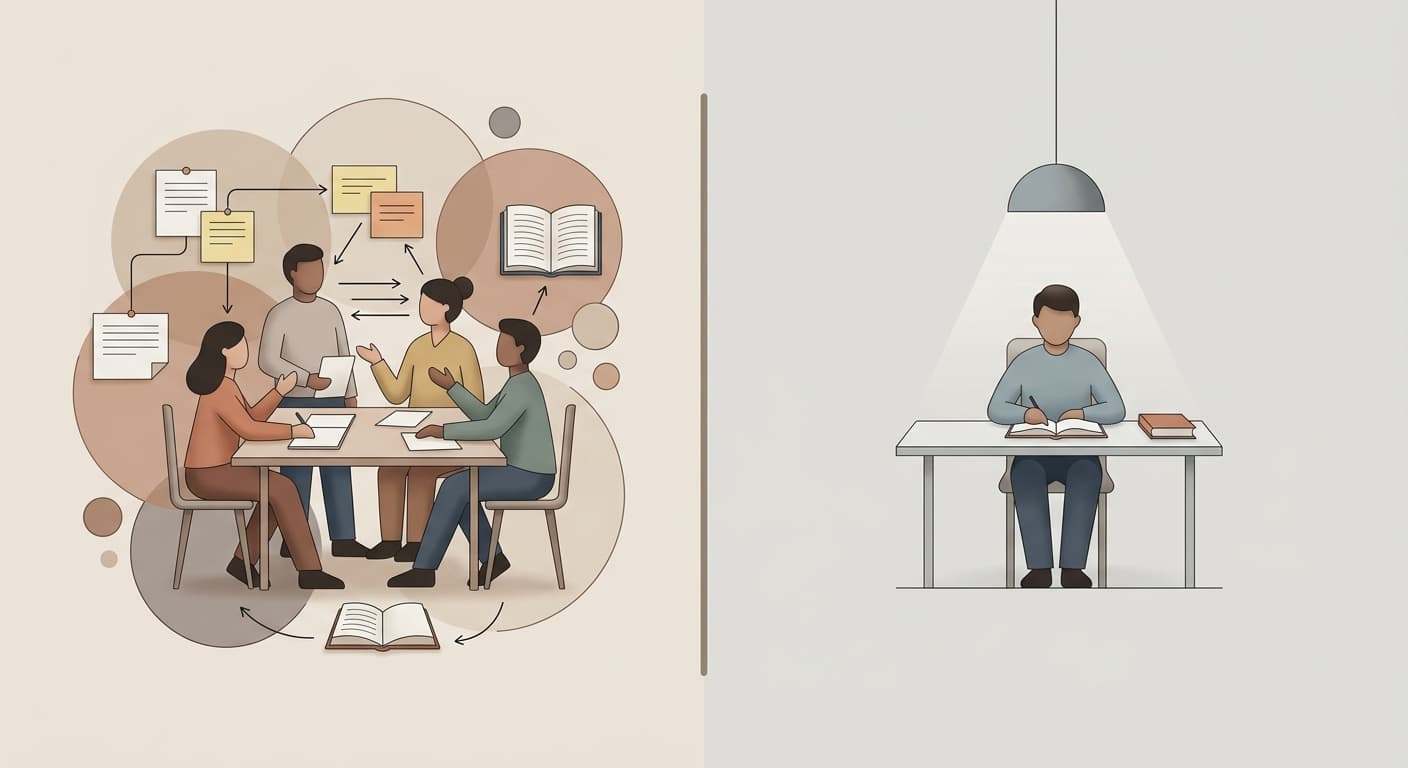
Social norms
The social environment is something you breathe.
We pick up scripts for how to cope, celebrate, rest, or use phones by watching others. Small signals—teasing, praise, eye-rolls—steer behavior through modeling and implicit enforcement. That’s why behavior often shifts quickly after a new job, roommate, or friend group: you step into a different set of norms, and your scripts follow.
You don’t need a technical explanation of mirror neurons to see the point: humans attune to one another because belonging has mattered for survival.
Built environment
The physical layout changes what your body wants to do.
Factors like microclimate and physical attributes influence whether people stay, move, exercise, or interact. You’re more likely to walk in a place that feels safe and navigable, linger where there’s seating and shade, and move when motion is the natural path rather than a special trip. This doesn’t make behavior shallow; it makes it embodied.
Why it feels confusing
People often look for a single cause. But the environment shapes habits through multiple channels at once: cues, friction, access, stress, norms, and sleep quality. That’s why a single setting can feel like a different person.
When you wonder, "Why can I do it there but not here?" the answer is usually, "Because you’re not fighting one variable—you’re fighting a system."
What this explains
The environmental lens helps explain:
- why habits are context-specific
- why behavior change can collapse after moving, traveling, or changing jobs
- why “knowing better” often fails without environmental support
- why stress-heavy contexts pull people toward short-term relief behaviors
What it doesn't explain
Environment is powerful but not destiny. This view does not fully explain:
- deep personal preferences and values
- trauma history and health conditions that alter baseline stress and control
- random life events that disrupt routines
- individual differences in sensitivity to cues, reward, and stress
It also doesn’t make you passive. It shows you where you have leverage.
A calmer approach
If your goal is mental clarity, the aim isn’t to control everything. It’s to notice what your environment is already doing.
Try asking, gently and concretely:
- What am I being cued to do most often here?
- What is the easiest coping behavior in this space?
- What is “normal” in this group, and what happens when someone deviates?
- What is the default when I am tired?
- What in this environment makes sleep easier or harder?
A brief reflection practice can help you spot patterns you’re too close to see. Writing down how your behavior shifts across settings can separate “me” from “my context” more clearly.
Habits are place-based
Many habits are not fixed traits. They are relationships: between you and a place, a set of people, or a cluster of defaults.
Changing the environment isn’t cheating. It’s working with the brain as it actually operates. And when you can’t change the environment, naming what it’s doing, turning a vague struggle into a visible mechanism, can make behavior feel less mysterious and less personal.