
Everyday learning
If you watch a young child with a new object, you can see learning happen in real time.
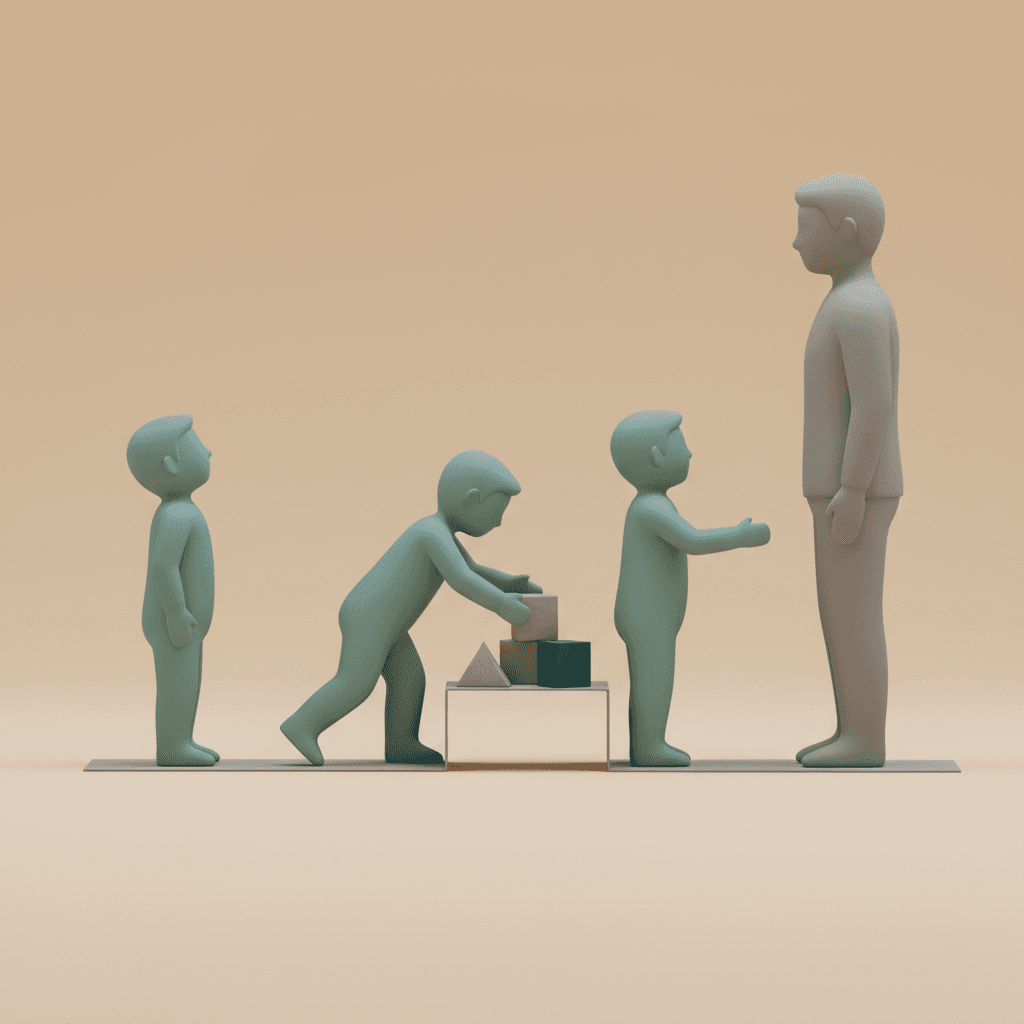
They poke it, shake it, mouth it, drop it, and try again. Then they glance at you, notice what you do with it, copy a move, and immediately modify it. A few minutes later they have a new skill that was not explicitly taught.
This article sketches that process. It is not parenting advice or a milestone list, just a clear mental model of how children learn through exploration, imitation, and feedback.
When you see the loop underneath, many behaviors make more sense: why kids repeat actions, why they sometimes copy an “unnecessary” step, how a small adult reaction can change what they do next, and why watching can teach more than telling.
The core loop
Most early learning fits into a three-part loop:
- Exploration: trying actions to see what happens.
- Imitation: copying someone else’s action, especially when your own attempts are uncertain.
- Feedback: using outcomes and social responses to decide what to repeat, refine, or drop.
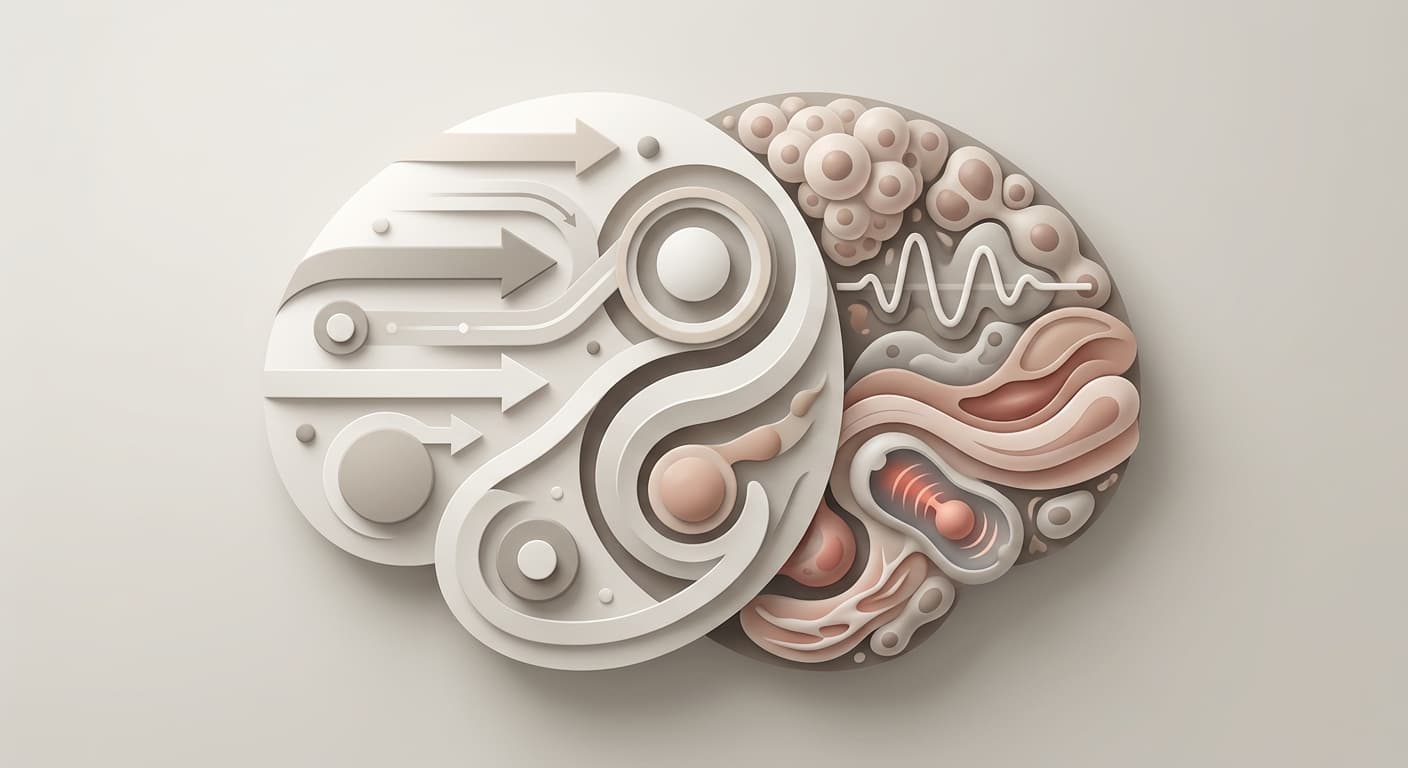
Underneath those visible behaviors, the brain is doing something simple and powerful, it builds expectations like “when I do X, Y tends to happen,” compares expectation to reality, and updates the next attempt.
Exploration shows what is possible. Imitation suggests what is worth trying when you are unsure. Feedback decides what to keep.
Exploration
Exploration is not random. It is information gathering.
A child in the sensorimotor period, a term from psychologist Jean Piaget for roughly the first two years of life, learns by acting on the world and noticing results. Piaget was a Swiss developmental psychologist who mapped how children’s thinking changes with age, and he argued that early intelligence is built through hands on interaction.
Each push, twist, or drop is a tiny experiment.
How exploration works
Exploration creates a tight loop between action, outcome, and prediction. Repeating an action reduces uncertainty about whether it will work next time. If turning a lid sometimes opens a container and sometimes does not, the child will either refine the action or try a new approach.
This explains why repetition is so common in early learning. It is often calibration, not stubbornness.
Common misreading
Adults sometimes see exploration as aimless play. For the child, playful sampling is one of the most efficient ways to learn in a complex environment without instructions.
Imitation
Imitation can look like simple copying, but often it is a deliberate choice, “I will borrow this method instead of guessing more.”
Piaget treated imitation as one way children connect what they see to what they can do, a bridge between perception and action.
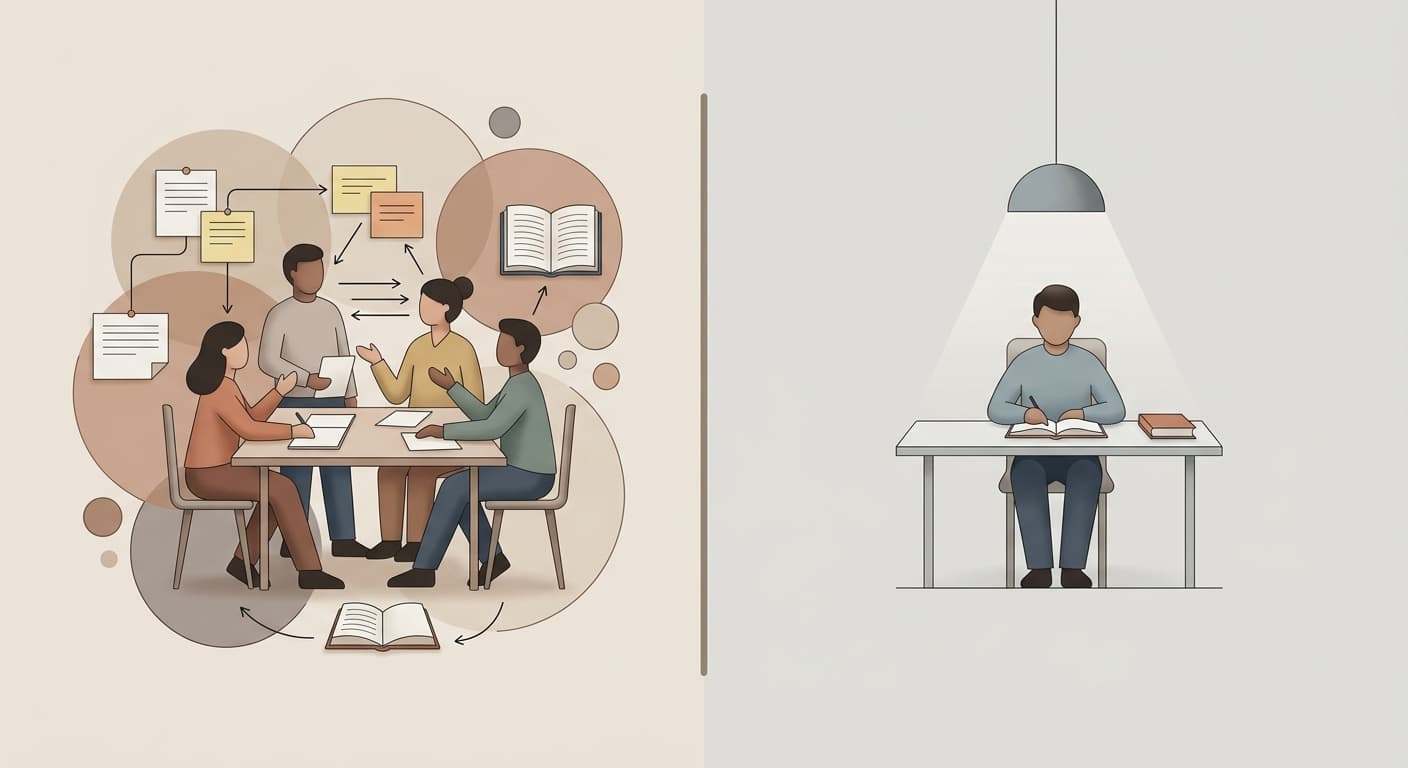
Later, psychologist Albert Bandura, best known for social learning theory, added a different emphasis, children do not just copy, they learn by watching others and tracking consequences. In his view, what gets copied depends on attention, memory, and motivation, not only on what is demonstrated.
How imitation works
A useful way to think about imitation is as four problems a child solves:
- Attention: what should I look at?
- Retention: what parts do I need to remember?
- Reproduction: can my body produce the action?
- Motivation: do I want to do it, and is it worth repeating?
Motivation is where feedback and prior experience matter most. Whether a child copies depends not just on ability but on whether the action seems useful or rewarding.
Prior experience
Children do not copy indiscriminately. Prior experience changes what they imitate.
Research has found that children are more likely to adopt a novel method after facing difficulty, either from their own failed attempts or from watching someone else struggle with the obvious approach.
Why it makes sense
This follows a simple rule: if my own exploration worked easily, I stick with it, if it did not work, I become more open to copying a new strategy. Watching others fail with the obvious approach signals that the task is genuinely hard, so copying becomes more valuable.
Real life meaning
This helps explain why a child may ignore a demonstration sometimes and copy it at other times. If they already solved the problem, copying feels unnecessary. If they are stuck, a demonstration contains useful information.
Limitations
Most studies on this topic are specific to certain ages and tasks. There are other ways to interpret the findings, for example, children may see demonstrations as corrections. Still, the general pattern is robust, imitation often increases when uncertainty increases.
Feedback
Feedback quietly shapes what gets repeated.
Feedback is not just praise or criticism. It is any signal that updates whether an action worked, was safe, or was socially acceptable.
Types of feedback
There are two broad kinds:
- Outcome feedback: the physical result. The tower stands or collapses, the button makes a sound or does not.
- Social feedback: other people’s responses. A smile, a wince, a nod, or silence.
Bandura also emphasized that reinforcement can be vicarious, meaning children learn from seeing outcomes happen to others, not only from direct rewards.
Common misreading
Adults often focus on visible rewards like stickers or compliments and miss subtler reinforcers such as attention, laughter, or the sheer reliability of an outcome. For many children, the strongest reinforcer is that “the world did the thing again when I did this.”
Learning to imitate
Imitation itself is partly learned through social interaction.
One strong pattern is contingent imitation, where an adult mirrors a child’s actions in a responsive, well timed way. This is not training, it creates a felt link between the child’s movement and another person’s response.
Once children grasp that actions can correspond across people, others become a rich source of strategies.
How it works
Being imitated helps children discover that movements can match across bodies, “my movement over here matches that movement over there.” That lived experience makes imitation feel like a shared, two way tool rather than mere copying.
A simple model
If you want one compact mental model, use this:
- Exploration builds personal evidence.
- Imitation imports strategies when personal evidence is thin or the task feels hard.
- Feedback tunes what gets repeated and what gets dropped.
Children move between these modes fluidly. They explore until exploration is inefficient, imitate when imitation is informative, and use feedback to decide what counts as “informative” next time.
For adult learners
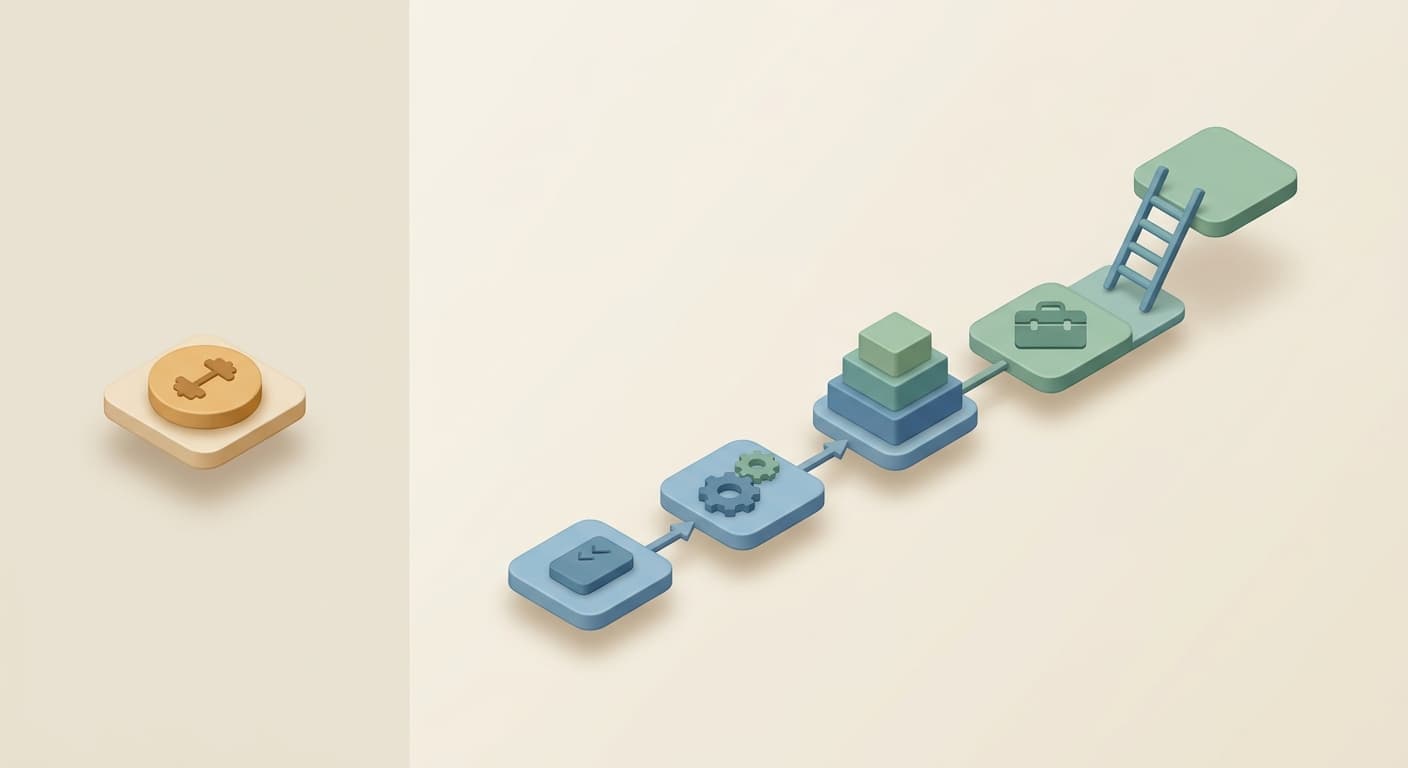
Putting this loop to work for adults means noticing which part is missing in your own learning:
- Exploration works when you can run many low cost trials.
- Imitation works when you can identify a clear model and know what to copy.
- Feedback works when it is timely, specific, and tied to the action.
A simple practice is to capture one quick note after an attempt: what you tried, what you copied, and what feedback you noticed. The point is not tracking for its own sake but making the loop visible so it can update.
A calmer view
Children are not just absorbing information. They are constantly negotiating between the world, other people, and the outcomes they observe.
When you read exploration, imitation, and feedback as one loop, surface behavior becomes more legible. It is less “they are being difficult” and more often “they are updating their model of what works.”