

Where envy begins
It is rarely dramatic.
More often it is the small drop you feel when a friend posts good news and your body reacts before your mind catches up: the new role, the engagement, the before-and-after photo, the applause.
From the outside that feeling can look like motivation. From the inside it is often tension, narrowing, and a kind of mental surveillance of someone else’s life. That shift of attention is the first reason envy makes you worse off: it pulls you away from your own values and toward a scoreboard you do not control.
Envy = comparison + pain
Envy is not the same as admiration. A simple way to think about it:
- Social comparison: you notice someone has an advantage you care about.
- Threat or loss: you interpret that advantage as evidence you are behind, lesser, or blocked.
- Pain: the comparison stops being neutral information and becomes personally painful.
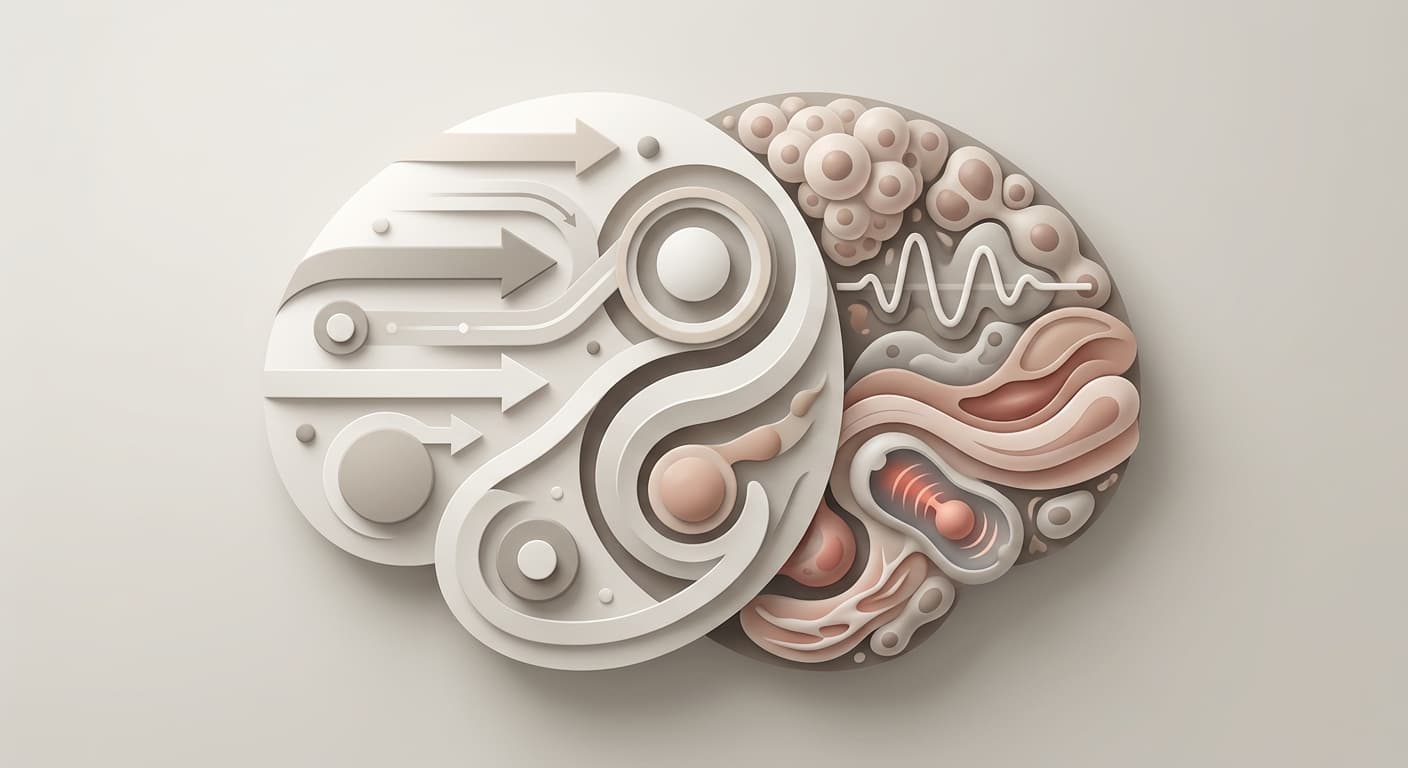
That pain matters because it changes what the mind does next. Instead of learning, planning, or connecting, it tries to reduce the discomfort. How you try to reduce it is what determines whether envy helps or harms you.
Benign vs malicious envy
Benign envy
Benign envy still hurts, but it tends to point energy inward. It prompts a story like, “If I work at it, I could improve,” and encourages effort or emulation.
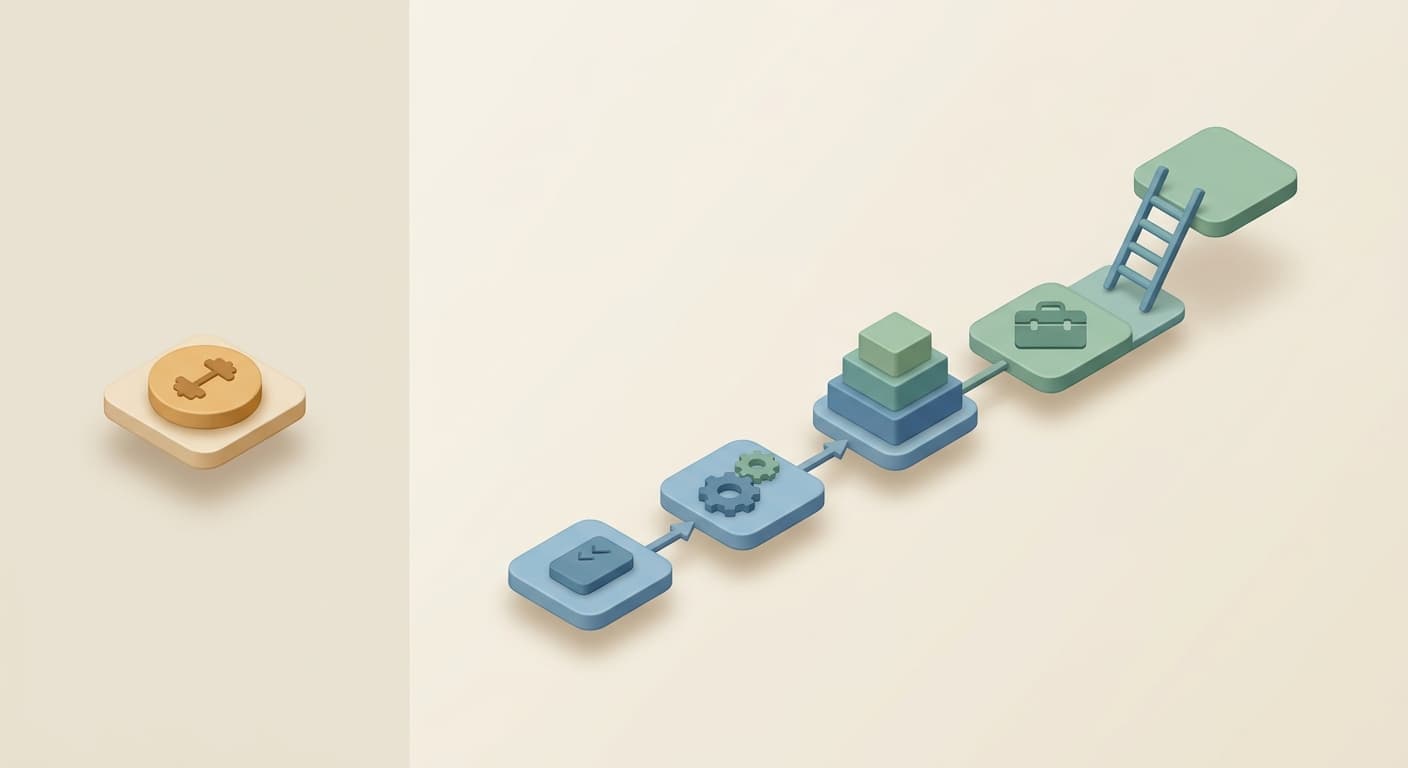
Typical steps in benign envy:
- Someone’s advantage highlights a gap.
- The gap feels relevant and uncomfortable.
- You interpret the gap as changeable.
- You move toward effort, learning, or emulation.
Benign envy can be noisy, but it’s less likely to corrode relationships.
Malicious envy
Malicious envy is what most people mean when they call envy “ugly.” The gap feels unfair, threatening, or unchangeable, and relief is sought by pulling the other person down instead of building yourself up.
Typical steps in malicious envy:
- Someone’s advantage highlights a gap.
- The gap feels personally threatening.
- You interpret the situation as fixed or undeserved.
- You seek relief through hostility, derogation, or pleasure at their misfortune.
That relief is usually short-lived and costly over time.
How envy hurts you
Envy does damage not because a comparison happened, but because of what it recruits afterward.
Attention and rumination
Malicious envy is sticky. Once someone becomes a reference point, attention keeps returning to them. Repeated checking—re-reading an announcement, scanning for signs they don’t deserve it, imagining their mistakes—reopens the same unresolved gap.
The mind feels busy but not productively engaged, and small, repeating thoughts become a rumination loop that drains time and mental energy.
Damaged relationships
One of the most reliable ways envy backfires is social. When malicious envy is active, people lean toward aggressive or antisocial responses, especially when self-control is low. That doesn’t require a public fight; it can look like a cooler tone, subtle undermining, withholding praise, avoidance, or finding reasons someone “isn’t that good.”
Those moves shrink your social world just when support and connection would help.
Schadenfreude and harm
Malicious envy is linked to schadenfreude—the small pleasure at another’s misfortune. Even minor moments of schadenfreude are costly because they train a bleak social model: others’ wins threaten you, their losses soothe you.
That orientation increases tension in relationships and reduces genuine joy, even when things are going well.
Embodied stress
Envy is not only cognitive; it is embodied. Animal studies modeling an “envy-like” environment show downstream effects like heightened anxiety-like behavior and reduced social activity. While we should not map mouse results directly onto humans, the pattern supports a broader point: repeated social threat doesn’t stay in the head, it shifts the organism’s baseline toward vigilance and defense.
In people, repeated unresolved comparison keeps the nervous system oriented toward threat, making everyday life feel tighter, less open, and less playful.
Self-control and depletion
It’s tempting to make envy a character flaw, as if the whole issue is moral weakness. A more useful way to see it is resource-based.
When you are depleted—stressed, sleep-deprived, socially threatened, or ashamed—you have fewer resources for the slower, better moves: reappraising the situation, clarifying values, and choosing a response you respect. That’s why malicious envy spikes during hard periods. It isn’t an excuse, but it is a mechanism, and mechanisms let you notice patterns without self-hatred.
Workplace envy
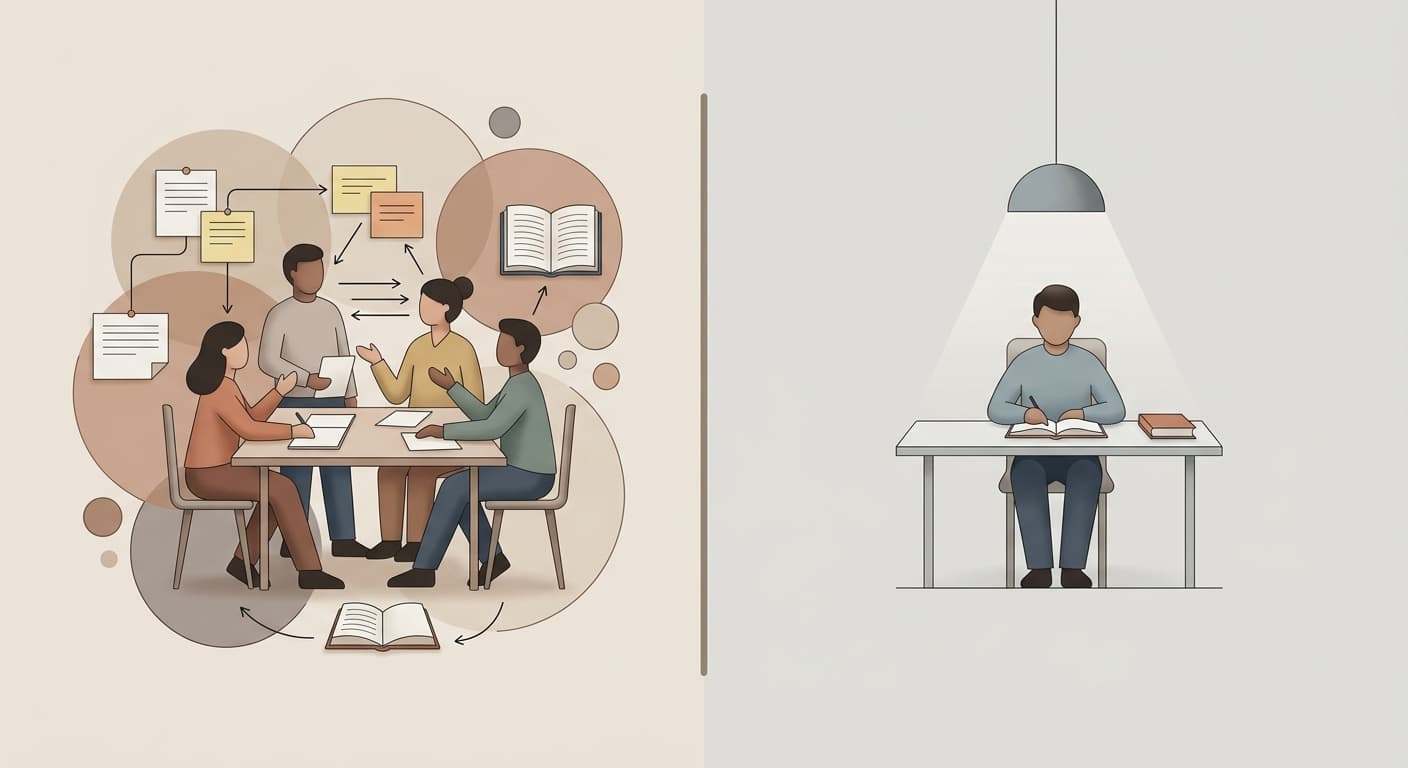
Workplaces quietly manufacture comparison. Titles, pay bands, performance reviews, public praise, and seating charts create constant signals of rank. In that context, envy is less about personal failing and more about repeated exposure to visible gaps that feel consequential.
Workplace envy is especially costly because common “solutions” are relationally corrosive: quiet sabotage, reputational hits, exclusion, and celebrating others’ mistakes. Even when not labeled as envy, a climate like this undermines trust, collaboration, and your own sense of safety and belonging.
What envy explains
Envy helps explain why someone else’s success can ruin your afternoon or why scrolling leaves you feeling worse. But it is not the only explanation for feeling bad.
- If you feel worthless across many domains, that may be closer to global shame than envy.
- If you feel frantic pressure to keep up, it may be anxiety or scarcity, not hostility.
- If you feel inspired and energized, that’s more likely admiration or benign envy.
Envy is not a diagnosis or proof you’re a bad person. It’s a human response to perceived rank and access. The important point is that malicious envy tends to offer relief through social damage, and that damage accumulates interest.
Relating to envy
“Stop comparing” is a bad instruction. A more useful move is noticing what kind of comparison you’re in and what it’s asking you to do.
Ask yourself: Are you being pulled toward building, or toward breaking?
If the pull is toward breaking, that’s usually malicious envy. It rarely improves your life: it narrows attention, strains relationships, and keeps your nervous system on alert. Naming it early turns envy into information rather than the steering wheel.
If you want a low-stakes place to notice these patterns, simple reflection—tracking what triggers comparison and the stories your mind tells—can help you respond with clarity instead of reactivity.