
A clearer question
Mindfulness is used to mean everything from a 10 minute breathing exercise to an 8 week group course. Well-being can mean stress reduction, fewer depressive symptoms, more life satisfaction, better sleep, or simply feeling steadier.
A clearer, research-friendly question is this: when mindfulness is taught as a structured program and tested in randomized trials, what reliably improves, and by how much?
Across modern reviews, the main, consistent finding is not a personality makeover or permanent calm. It is small to moderate improvements in stress-related outcomes and negative mood, especially anxiety and depression symptoms.
What counts as mindfulness
Research typically treats mindfulness in two ways.
Mindfulness-based programs, or MBPs, are structured multi-session courses such as Mindfulness-Based Stress Reduction and Mindfulness-Based Cognitive Therapy. They usually include guided practice, homework, and some explanation of why the exercises matter.
Mindfulness-informed interventions are looser. They may be short practices, app modules, or packages that borrow mindful techniques but are not full MBPs.
This distinction matters because effects tend to be clearer for standardized programs and noisier when the label mindfulness covers many formats.
What research shows
Stress reduction
Stress reduction is one of the most studied outcomes. Meta-analyses in student groups and workplace settings commonly find improvements in perceived stress after training, typically in the small to moderate range. Results vary depending on the population, the stress measure, and the comparison group.
Perceived stress is different from objective exposure to stressors. Mindfulness often changes how people respond to stress, not always the stressors themselves. That explains some variation in study results.
Anxiety and depression
Across randomized trials, mindfulness-based interventions tend to reduce anxiety and depressive symptoms, again usually with small to moderate effects. A widely cited systematic review in JAMA Internal Medicine reported moderate evidence for improvements around eight weeks, with smaller effects at three to six months.
Recent reviews of university students and workplace samples also find pooled improvements, but they often report high heterogeneity, which means outcomes depend a lot on study specifics.
Overall well-being
Well-being is an umbrella outcome. When meta-analyses report a well-being effect, they often pool different measures such as psychological well-being scales, distress inverted into well-being, or quality of life instruments.
Workplace reviews suggest mindfulness can improve well-being, but effects vary widely across interventions and study designs. In practice, the average effect is not a guarantee for any specific program in every workplace.
A practical way to read this is, mindfulness helps well-being when well-being is limited by stress reactivity, rumination, and mood symptoms. If the main limits are chronic sleep loss, financial strain, or unsafe conditions, mindfulness may help coping but will not remove the root causes.
How it works
A short causal chain captures much of the evidence on mechanism.
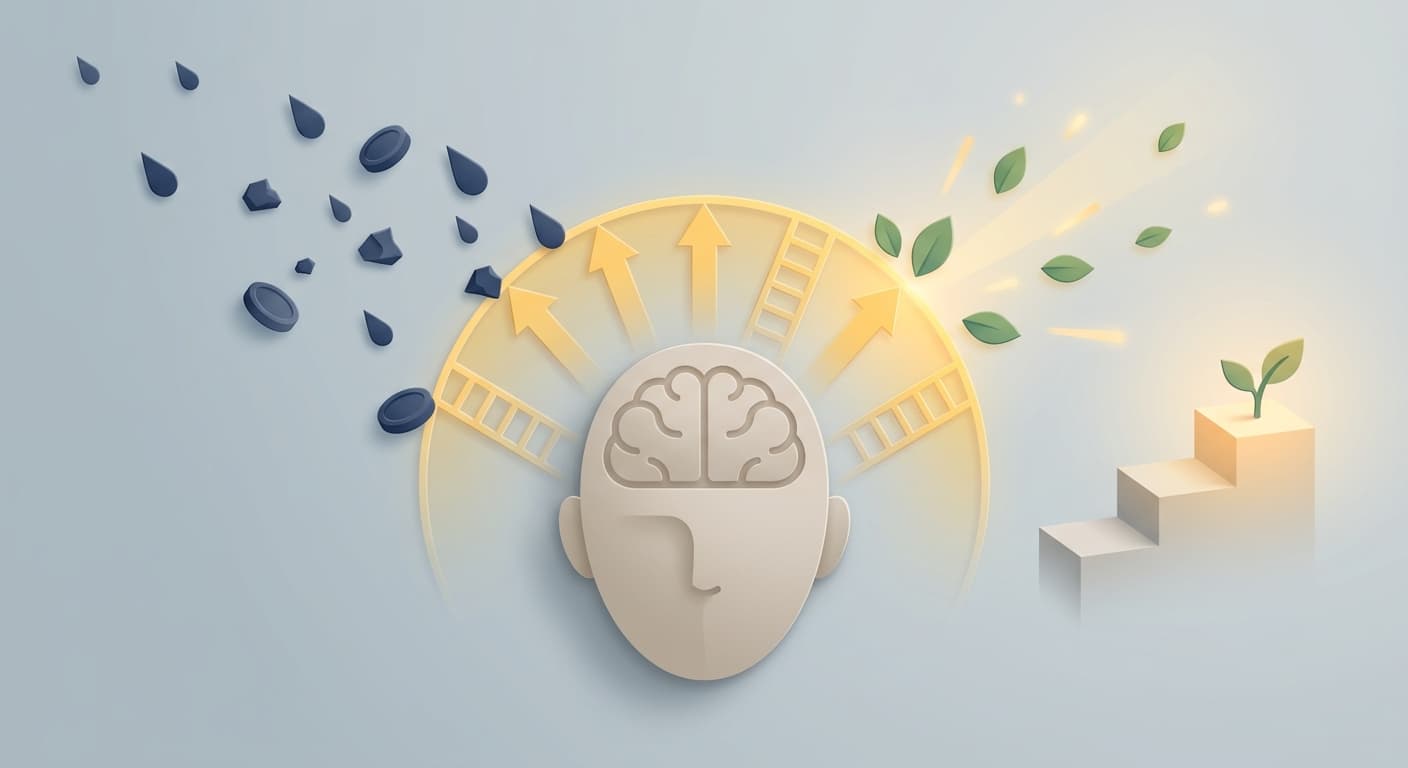
First, mindfulness trains attentional control. Everyday attention is pulled by threat cues, worries, and mental loops. Mindfulness does not mean forcing concentration all day. It means noticing sooner when attention has been captured, and deliberately returning it.
Second, mindfulness shifts the timing of emotion regulation. Many people try to regulate emotions late, after stress has escalated. Mindfulness helps detect tension earlier, which gives more options for gentle regulation before a spiral starts.
Third, mindfulness reduces rumination. Rumination is repeated negative thinking that keeps the body in a stress response even when nothing urgent is happening. Mindfulness encourages seeing thoughts as passing events, not instructions that must be followed, and that often shortens rumination cycles.
Fourth, these changes lower downstream symptoms. Less rumination and earlier regulation reduce sustained physiological arousal and long spirals. Over weeks this can appear on questionnaires as lower stress, anxiety, and depressive symptoms.
This model explains why effects are typically modest. Mindfulness mainly changes internal processes, not external conditions, and many well-being outcomes depend on both.
Where claims go wrong
Attention and performance
Marketing often promises broad attention and performance upgrades. The research is more mixed. Attention is not a single skill. Sustained attention, selective attention, working memory, and cognitive flexibility are related but distinct. A brief intervention might improve one piece and not others. Tests can also miss subtle changes.
Baseline matters. If someone is highly distracted and stressed, mindfulness may help a lot. If someone already has good focus, measurable gains may be small.
Sleep
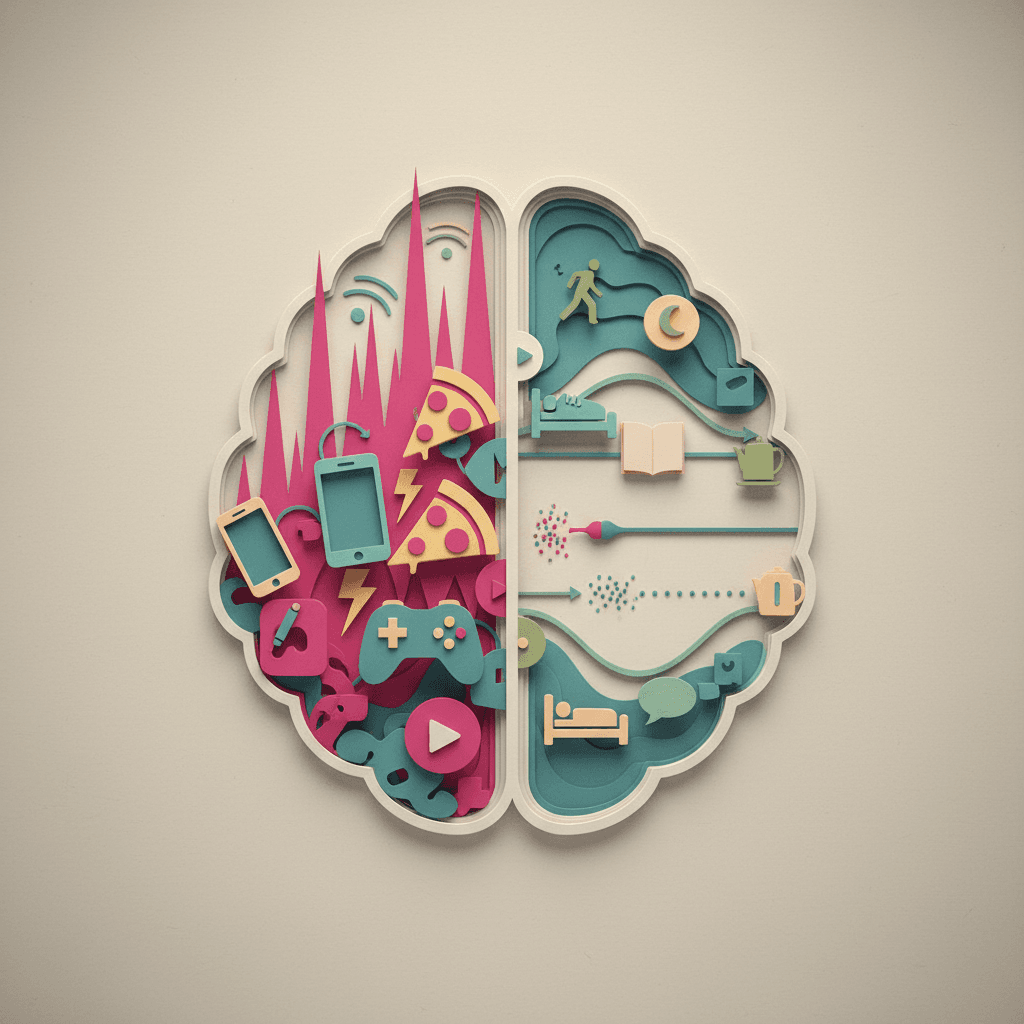
Mindfulness can help sleep when pre-sleep rumination is the main barrier. But sleep is also shaped by schedule, light, caffeine, alcohol, and medical issues like sleep apnea. Mindfulness is rarely a complete sleep solution.
Expecting constant calm
Mindfulness does not remove normal human reactions. It changes how people relate to those reactions. Paying attention more honestly can make some people feel more stirred in the short term. Over time, that honesty can support steadier functioning, but it will surprise people who expect immediate, permanent calm.
Why results vary
Heterogeneity in meta-analyses points to real differences across studies.
Different comparators change apparent effects. Mindfulness looks stronger versus no intervention or waitlist controls. When compared with active options, like therapy or exercise, differences often shrink. That does not mean mindfulness does not work. It means it is one effective option among several, not always uniquely powerful.
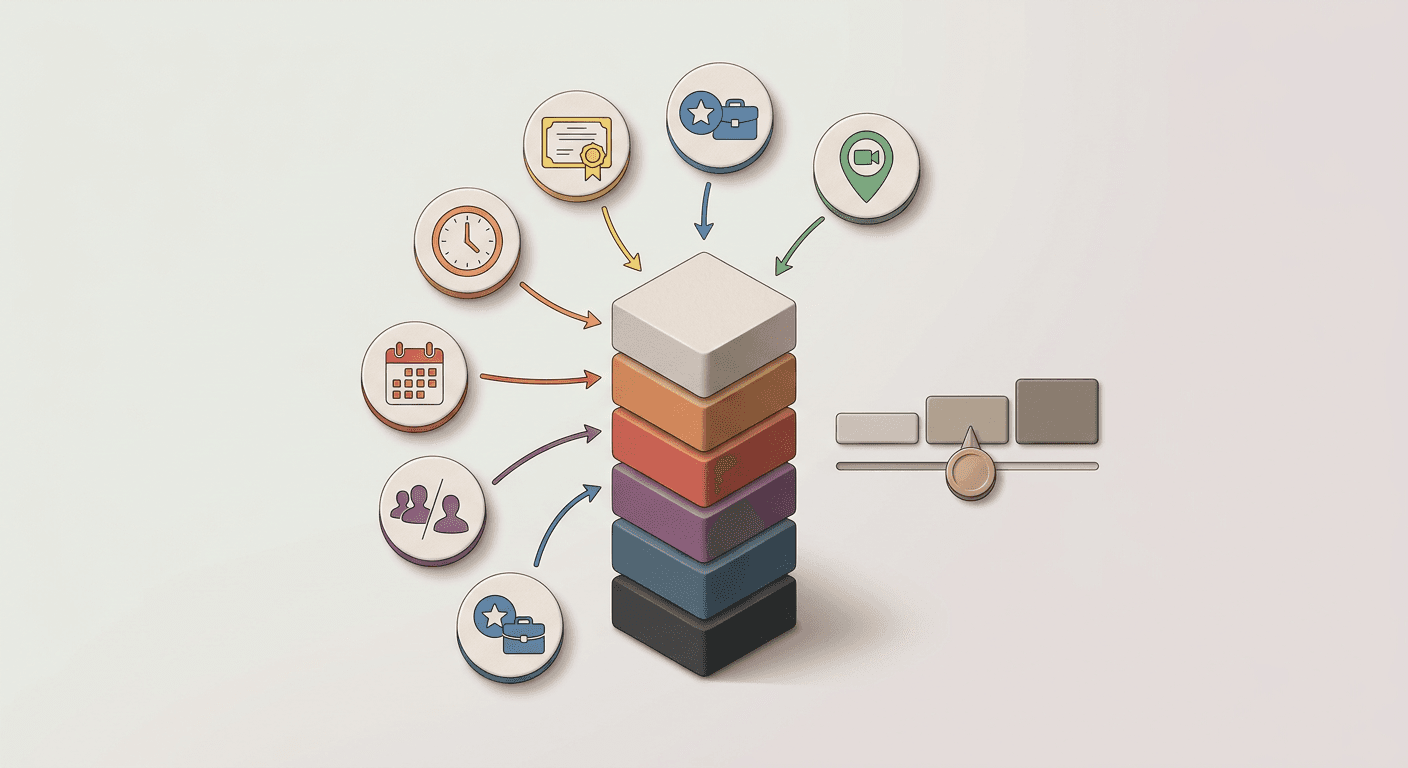
Intervention dose and structure matter. An eight week program with guided practice and group support is not the same as using a meditation app occasionally. Teacher skill, group format, and home practice shape outcomes.
Population matters. Students, healthcare trainees, and employees differ in baseline stress, time availability, motivation, and social support. Those differences change how much benefit is possible.
Taken together, these sources of variation explain why a single effect size does not describe every person or program.
A realistic conclusion
Mindfulness-based programs tend to produce small to moderate improvements in stress-related outcomes and negative mood symptoms, especially anxiety and depression. Evidence for broad attention gains, sleep, and general quality of life is mixed.
That is a useful, human-sized result. For many people, a small to moderate change in stress reactivity is meaningful. It can mean fewer spirals, better conversations, and less emotional exhaustion. It should not be sold as a universal upgrade.
Practical takeaways
If you are deciding whether to try mindfulness, use these practical guidelines.
Choose mindfulness when the main problem is internal reactivity: rumination, spiraling, harsh self-talk, or feeling pulled around by stress.
Combine mindfulness with other changes when the main problem is external: heavy workload, irregular sleep, social isolation, or untreated mental health conditions.
If you try mindfulness, evaluate it on the right question. Instead of asking whether you feel blissful, ask this: when stress shows up, do I notice sooner, recover faster, and spend less time trapped in loops? That is the kind of change the research most often supports, and it is a plausible bridge from practice to better well-being.