
What optimism means
When people hear optimism they may picture cheerfulness or ignoring problems. In psychology, optimism usually means a tendency to expect better outcomes for the future more often than worse ones. It is about expectations, not smiling through difficulty. Those expectations matter because they shape how you interpret setbacks, how long you keep trying, and what you do when you feel low.
If two people face comparable stress, does the more optimistic one have a lower chance of developing persistent depressive symptoms? The research tends to say yes, especially for adolescents and young adults, but the strength of that prevention claim depends on the kind of evidence you look at.
Evidence summary
A 2021 meta-analysis combined 31 studies with about 26,000 participants and found a moderate to large negative association between dispositional optimism and depressive symptoms. In plain terms, people who scored higher on optimism tended to report fewer depressive symptoms. The pooled correlation was around r = -0.47, but effect sizes varied substantially across studies.
Two points matter for prevention claims. First, many studies are cross-sectional, so they show that optimism and depression move together but cannot prove cause and effect. Second, the relationship is often stronger in younger groups, which makes sense because expectations and coping strategies are still developing in adolescence and early adulthood.
So the best summary is this: optimism looks like a protective factor. It is not definitive proof that optimism alone prevents clinical depression, but it is a consistent and meaningful association, especially in younger samples.
How optimism works
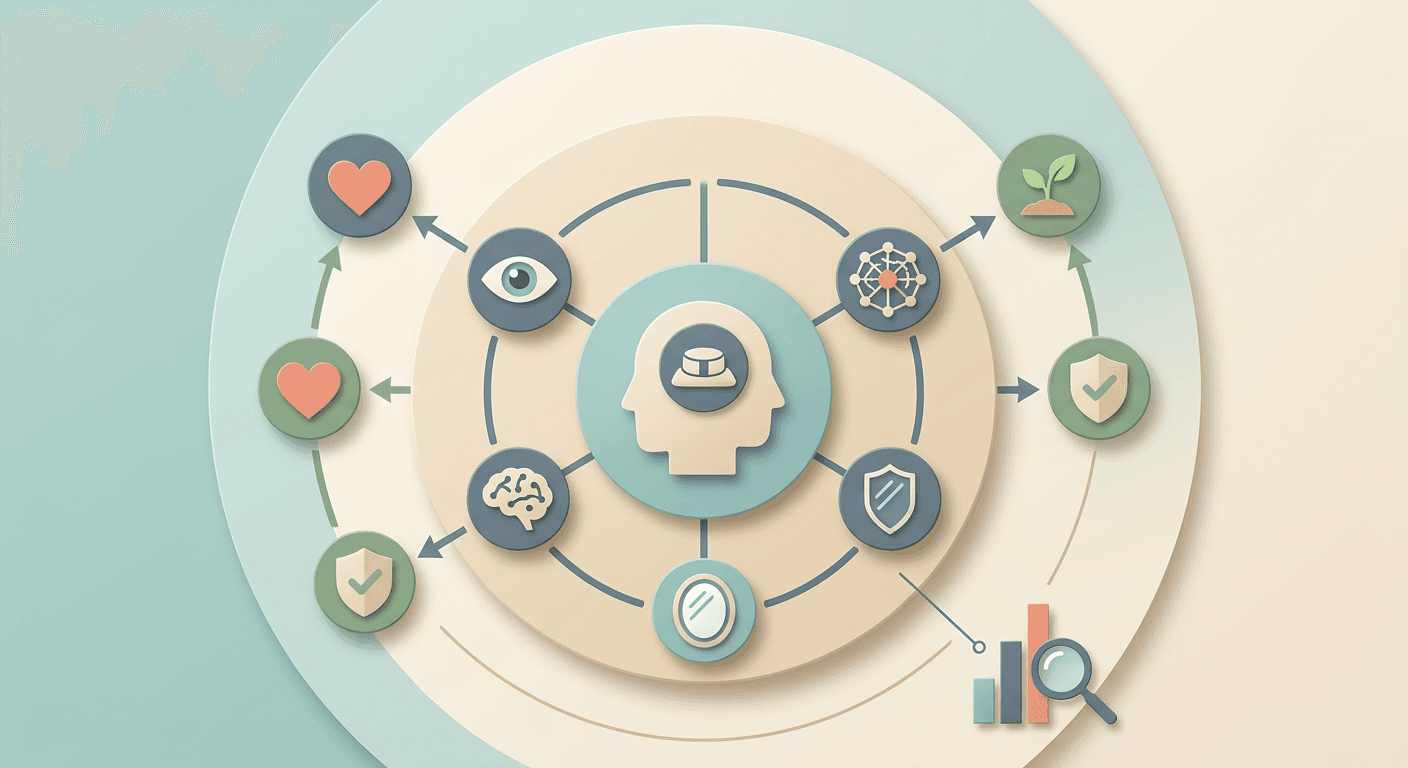
A helpful way to think about optimism is as a default prediction setting for the brain. Your mind continuously predicts what will happen next, assigns meaning to events, and chooses how to act. Depressive spirals often arise when these processes fail together, the future is predicted as bleak, events are interpreted as confirming that bleakness, and actions decline because effort feels pointless. Optimism can interrupt that loop through several linked pathways.
Protects against hopelessness
Hopelessness is more than sadness. It is a cognitive state where the future feels closed and action seems pointless. Optimism makes a different forecast more available, things can improve or this could work out. That openness preserves reasons to act, and action is one of the clearest everyday counters to depressive inertia.
Changes appraisal and stress
Stress depends not only on events but on what the brain concludes they mean. When a setback is seen as permanent and global, stress feels uncontrollable and recovery is slower. When a setback is seen as specific and changeable, stress still hurts but it is more likely to trigger problem solving. Optimism tends to tilt appraisals toward "this is hard but not the end," which over time reduces prolonged stress activation and its downstream effects such as sleep disruption, fatigue, and cognitive fog.
Supports coping persistence
Optimism does not mean ignoring evidence. It makes effort feel more rational. If you expect effort can pay off you are more likely to keep routines during low mood, reach out socially instead of withdrawing, try new strategies when the first fails, and tolerate discomfort long enough to see change. Those behaviors reduce known risk factors for depression like isolation, inactivity, and a sense of being stuck.
Reduces rumination tendency
Rumination is repetitive, stuck thinking about losses or threats. It often feels like problem solving but rarely leads to useful action. An optimistic orientation lowers the urgency to re-litigate the past because the future contains workable options. That shift makes reflection more likely to lead to planning or rest instead of more rumination, which helps reduce sustained negative emotion.
Explanatory style and hope
Two related ideas help make the mechanism clearer. Optimistic explanatory style refers to how you explain bad events. Do you see them as temporary or permanent, specific or global, changeable or fixed? An optimistic style leans toward temporary, specific, and changeable explanations, and those explanations shape mood and motivation.
Hope-related cognition adds pathways and agency to optimism. Pathways mean you can think of routes to a goal. Agency means you feel able to initiate and sustain effort. Optimism is an expectation about outcomes, while hope includes a sense of how to get there. For prevention, hope-related thinking is useful because it translates positive expectation into concrete next steps.
Limits of the evidence
The science supports some confident statements and some cautious ones. We can say with reasonable confidence that people who score higher on dispositional optimism tend to report fewer depressive symptoms, and that expectations influence coping, which in turn affects depression risk.
We should be cautious about claiming that optimism alone prevents clinical depression in the way a vaccine prevents infection. Depression itself can reduce optimism, so the relationship is often bidirectional. To make a strict prevention claim we need strong longitudinal studies and interventions that reliably increase optimism and then lower the incidence of depression over meaningful follow-up periods.
Optimism is not always beneficial in every context, and it is not a substitute for social support, stable living conditions, good sleep, or professional treatment when those are needed.
Practical optimism for prevention
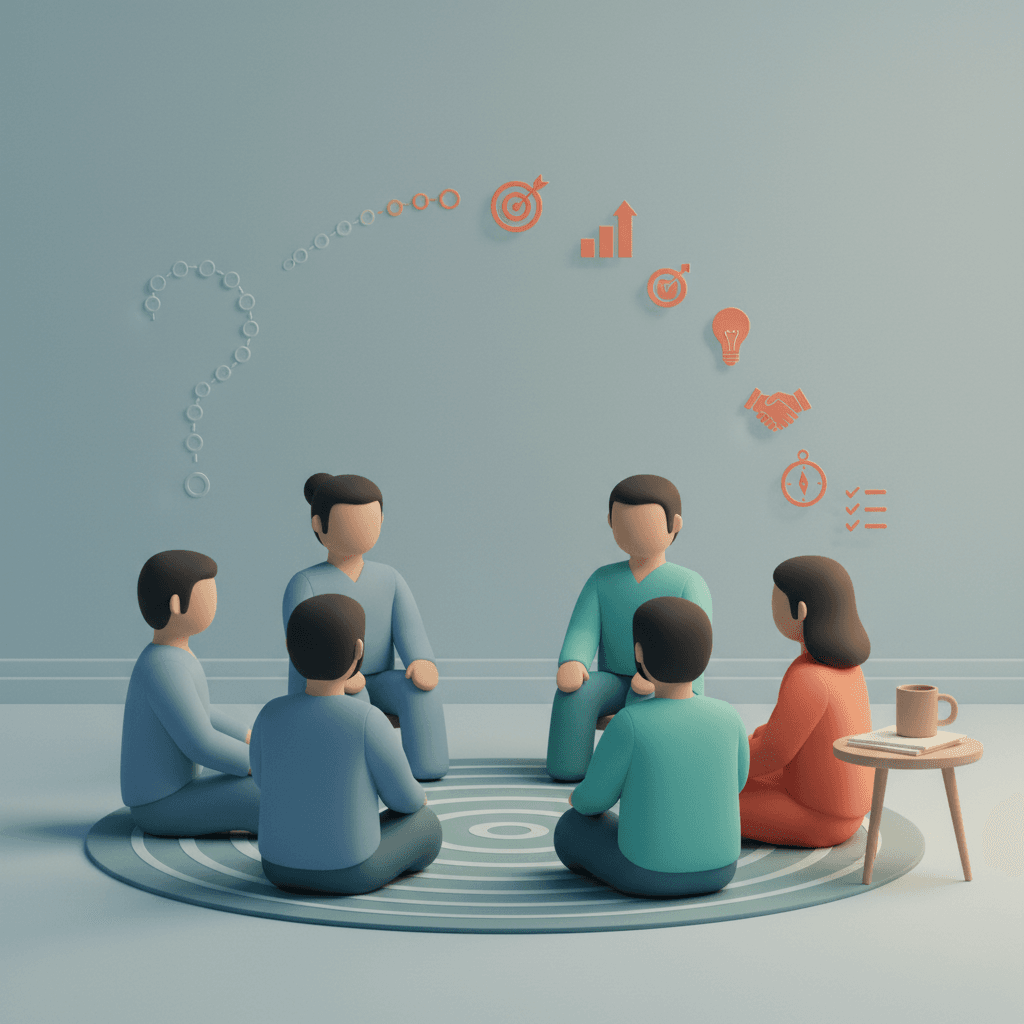
If optimism helps by shaping coping, the most useful version is not "everything will be fine." It looks more like practical, behavior-friendly expectations:
- The ending is not decided yet.
- There is likely at least one move that can improve this.
- This feeling is real, but it is not a verdict on my future.
- A small action will yield more information.
These are not hollow affirmations. They are predictions that make action feel sensible. That matters because the protective basics that reduce depression risk are often practical: consistent sleep, movement, social contact, daylight, meaningful activity, and reducing chronic overload. Optimism is most helpful when it nudges a person toward those actions rather than creating pressure to "stay positive."
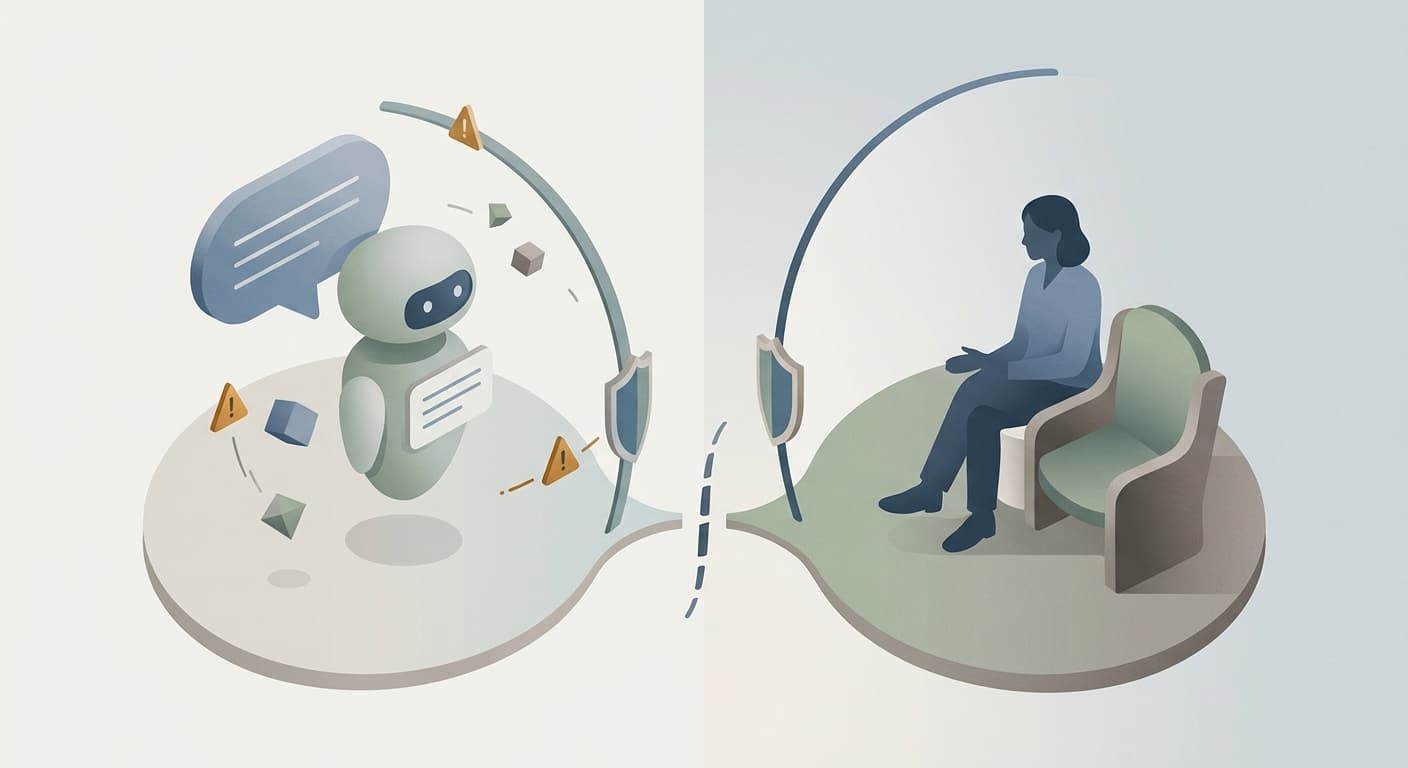
If you use a reflection tool, optimism will usually show up indirectly: whether setbacks are described as permanent, whether the future feels closed, and whether next actions seem available.
Bottom line
Optimism supports depression prevention not by making life rosy, but by keeping the future cognitively open. That openness changes appraisals, reduces hopelessness, and makes persistence and practical coping more likely. Over weeks and months those small differences can add up to lower vulnerability for depressive symptoms. At the same time, optimism is not a guarantee, and the evidence mixes cross-sectional and longitudinal findings. The most honest conclusion is that optimism is a plausible, research-supported protective factor, and it is most useful when it translates into concrete coping behaviors rather than pressure to "stay positive."