
Promise and confusion
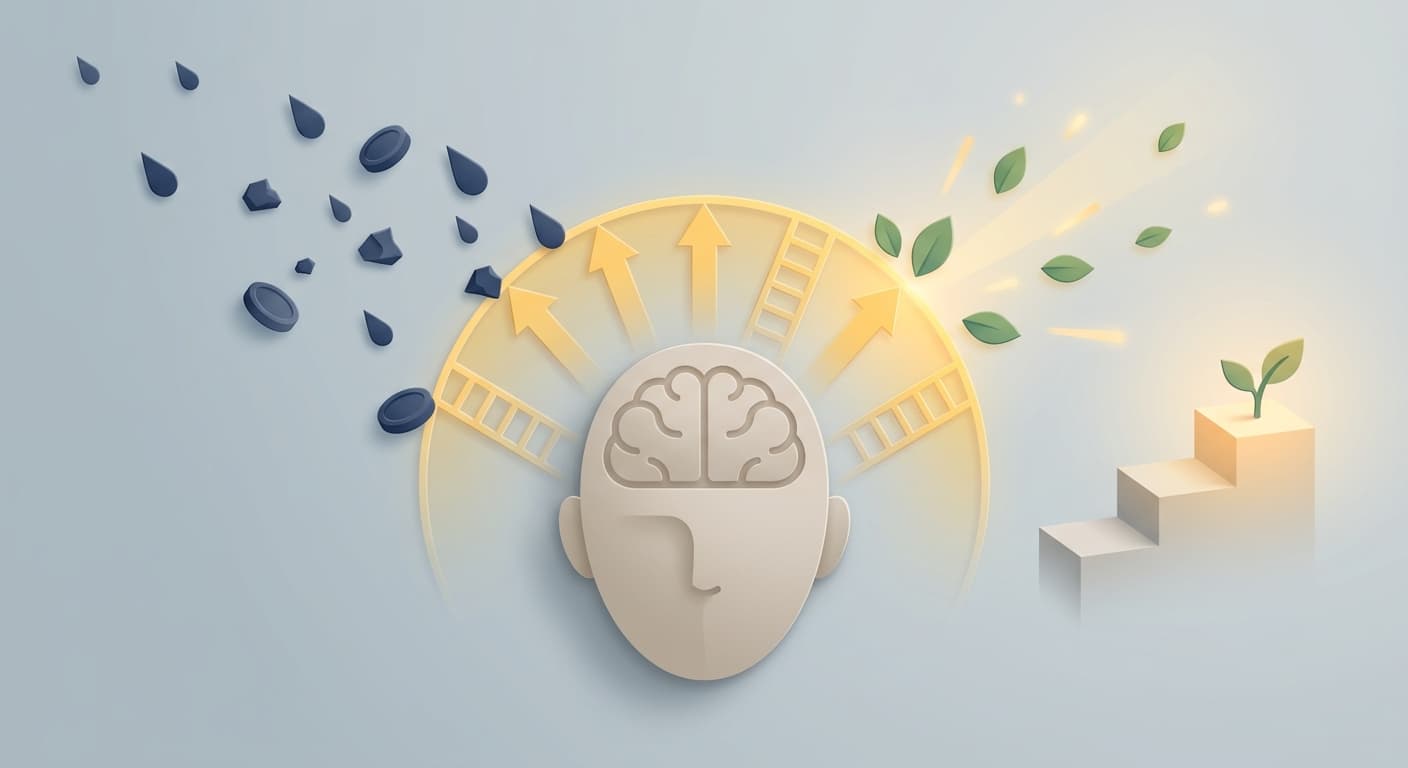
“Dopamine detox” or “dopamine fasting” is often sold as a way to reset your brain by avoiding pleasurable, high-stimulation activities like social media, gaming, junk food, or constant snacking.
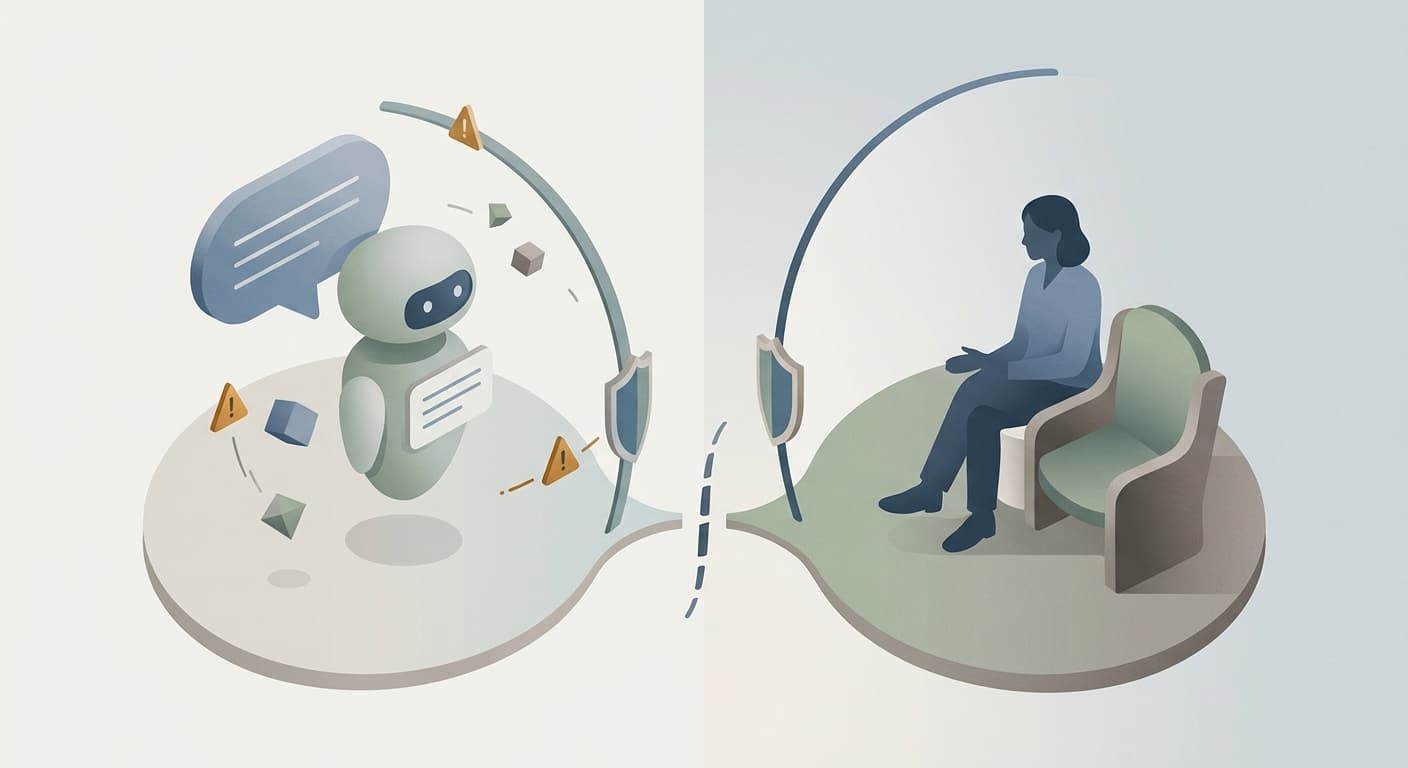
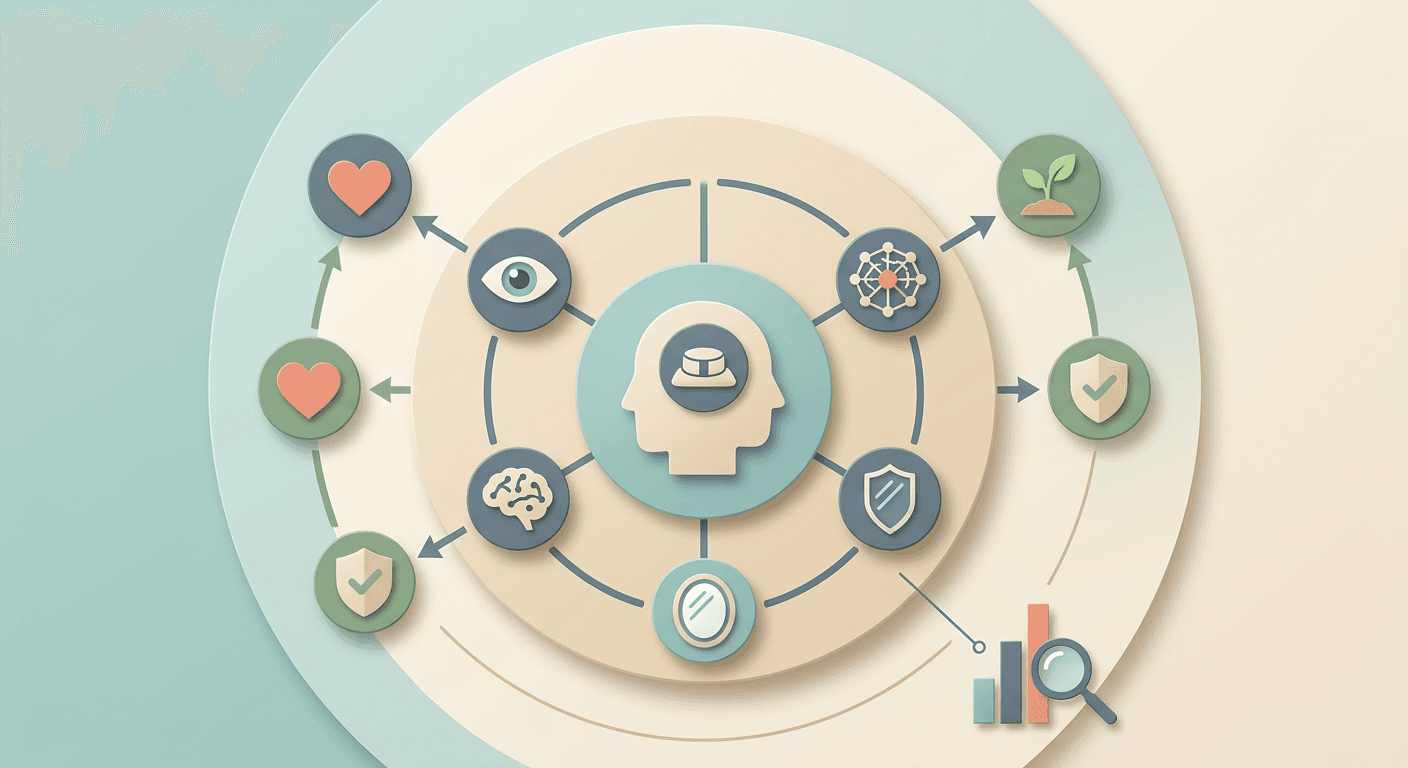
The confusion starts with the word dopamine. Dopamine is not a toxin you purge. It is a neurotransmitter the brain uses all the time to help allocate effort, learn from outcomes, and guide behavior. When people say, "I need less dopamine," they usually mean something different: their attention and habits have been trained by an environment that favors fast rewards.
So the useful question is not whether you can detox dopamine. It is what happens to attention and behavior when you remove certain cues and rewards, and whether that maps onto what we know about dopamine and learning.
Common myths
Myth 1: You cannot reset dopamine levels
A temporary break from pleasurable activities is unlikely to "reset" dopamine in the way the trend describes. The nervous system regulates dopamine continuously, so framing a fast like a cleanse is a category error. Reviews and research summaries note there are no validated detox protocols and few controlled trials showing predictable neurochemical outcomes.
Myth 2: Dopamine is only pleasure
Dopamine is linked to reward, but pleasure is not the whole story. Dopamine signals help the brain predict outcomes, motivate effort, and learn from both good and bad results. Treating dopamine as a single pleasure dial creates a misleading mental model.
Myth 3: Removing pleasure treats dysregulation
Some claims imply modern life has broken dopamine and a short fast repairs the biology. That is not supported by rigorous evidence. If someone has compulsive behavior, addiction, depression, ADHD, or anxiety, dopamine may be one piece of a larger problem. A weekend of abstinence is not a substitute for proper diagnosis or evidence-based treatment.
What dopamine does
Dopamine helps the brain answer practical questions like, is this worth attention, is it worth effort now, and did the result match what I expected. When a cue predicts a reward, learning links the two. Over time the cue itself can trigger wanting or checking, even before conscious choice.
That cue-driven pull is why the detox story feels plausible. It is not necessarily that "dopamine is too high," but that the environment and habits have trained attention toward particular reward cues.
Overstimulation versus dopamine
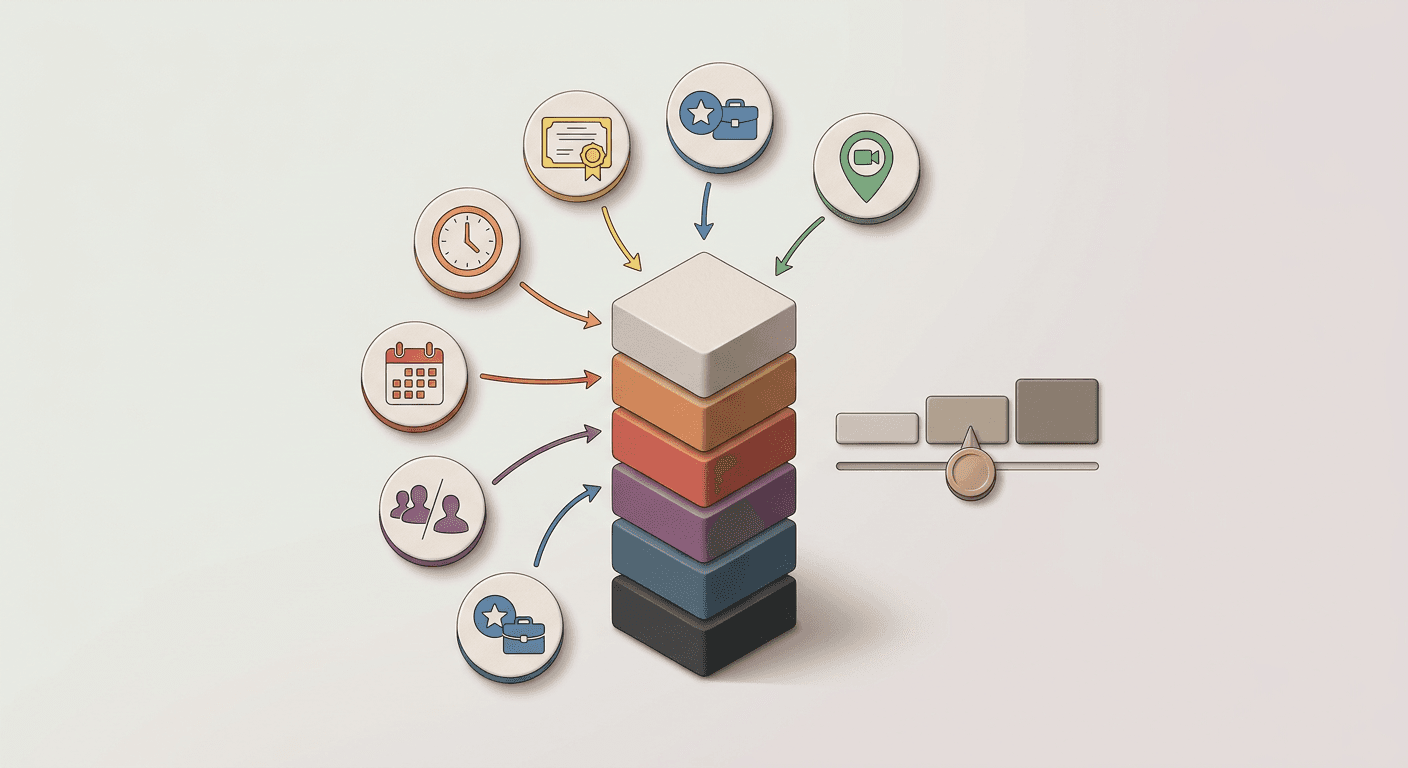
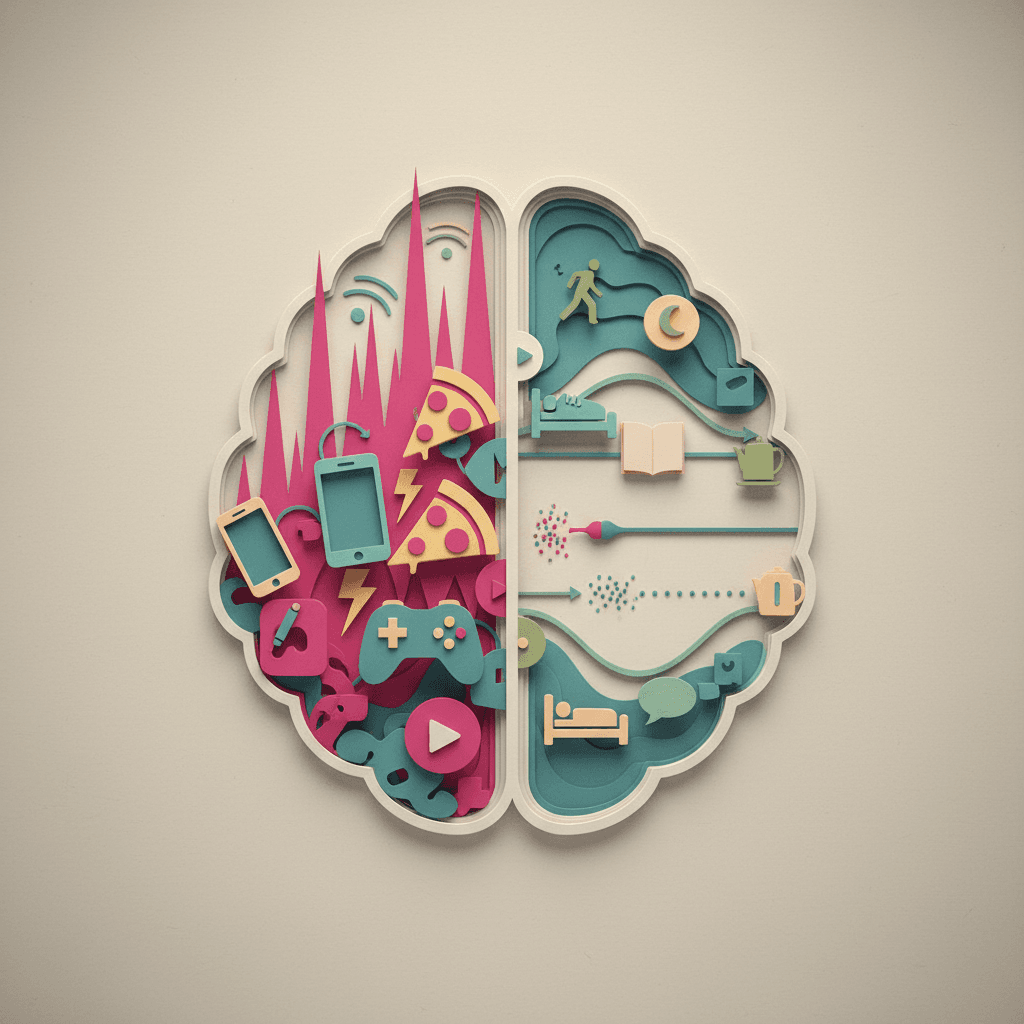
High-frequency, unpredictable rewards from short videos, feeds, or constant notifications can create a tight reinforcement loop:
- A cue appears, such as boredom or a phone buzz.
- Behavior happens automatically, like opening an app.
- The reward is variable, sometimes interesting, sometimes not.
- Unpredictable rewards strengthen learning more than predictable ones.
- The cue becomes harder to ignore the next time.
That loop can make slower, less immediately rewarding activities feel unrewarding, not because those activities changed, but because your attention system adapted to a different reward schedule. Interrupting the loop is often what helps, not a chemical reset.
Evidence so far
Limited evidence
There is no strong, high-quality body of research showing dopamine fasting resets dopamine or is a validated clinical treatment. Recent reviews emphasize the lack of standardized protocols and controlled trials. Much of the conversation is conceptual, not trial-based.
Plausible benefits
Some small studies and reports suggest reducing impulsive behaviors after restriction periods. Those outcomes are plausible, but they do not prove a specific dopamine mechanism. Several non-dopaminergic explanations might account for improvements, including fewer cues and triggers, reduced context switching, better sleep, stress recovery, and increased self-efficacy from sticking to a plan. These are meaningful results even without a direct neurochemical claim.
Extreme versions can backfire
Strict versions that cut out social contact, exercise, music, or other helpful routines can increase loneliness and anxiety. Removing stabilizing pleasures can make people feel worse, and that discomfort is not necessarily informative about dopamine. Sometimes a protocol is simply too rigid.
Practical reframing
If you keep the spirit of the trend but match it to evidence and mechanism, three useful translations emerge.
Cue detox
Often the most effective change is reducing cues that trigger automatic behavior. Move distracting app icons, turn off notifications, or change the environment where you tend to engage impulsively. This targets the driver of the loop rather than the feeling of "too much dopamine."
Relearning
Rather than "reset," think of building new responses. Practice tolerating boredom and choosing alternate activities when an urge appears. That is learning, and it takes repetition. Short windows of reduced cues can create opportunities to relearn habits.
Better pleasure
Removing all pleasure is rarely sustainable. A healthier approach is to limit hijacking rewards while keeping stabilizing ones: sleep, exercise, meaningful social time, being outdoors, and effortful hobbies. These support mood and attention without feeding fast-reward loops.
Open questions
- We still lack rigorous trials that test standardized dopamine fasting protocols and measure clear outcomes.
- It is unclear which specific restriction strategies, if any, work best for different people or problems.
- We need research that separates neurochemical changes from behavioral and contextual explanations.
Calm takeaway
Dopamine detox is a catchy name for a more ordinary idea, step out of cue-heavy, high-reward loops long enough to notice how they shape your attention. You cannot detox dopamine in the chemical sense, and you do not need to. You can, however, change the conditions that teach your brain what is worth wanting, by removing triggers, practicing different responses, and keeping stabilizing pleasures.