
Common use cases
When people say they want "ChatGPT for therapy" they usually mean simpler things than a licensed therapist would do. They want an on-demand listener at 1 a.m., help reframing a spiraling thought, a guided breathing exercise, or a fillable worksheet. In these narrower uses, large language models often feel helpful because they can mirror language, suggest steps, and organize thoughts.
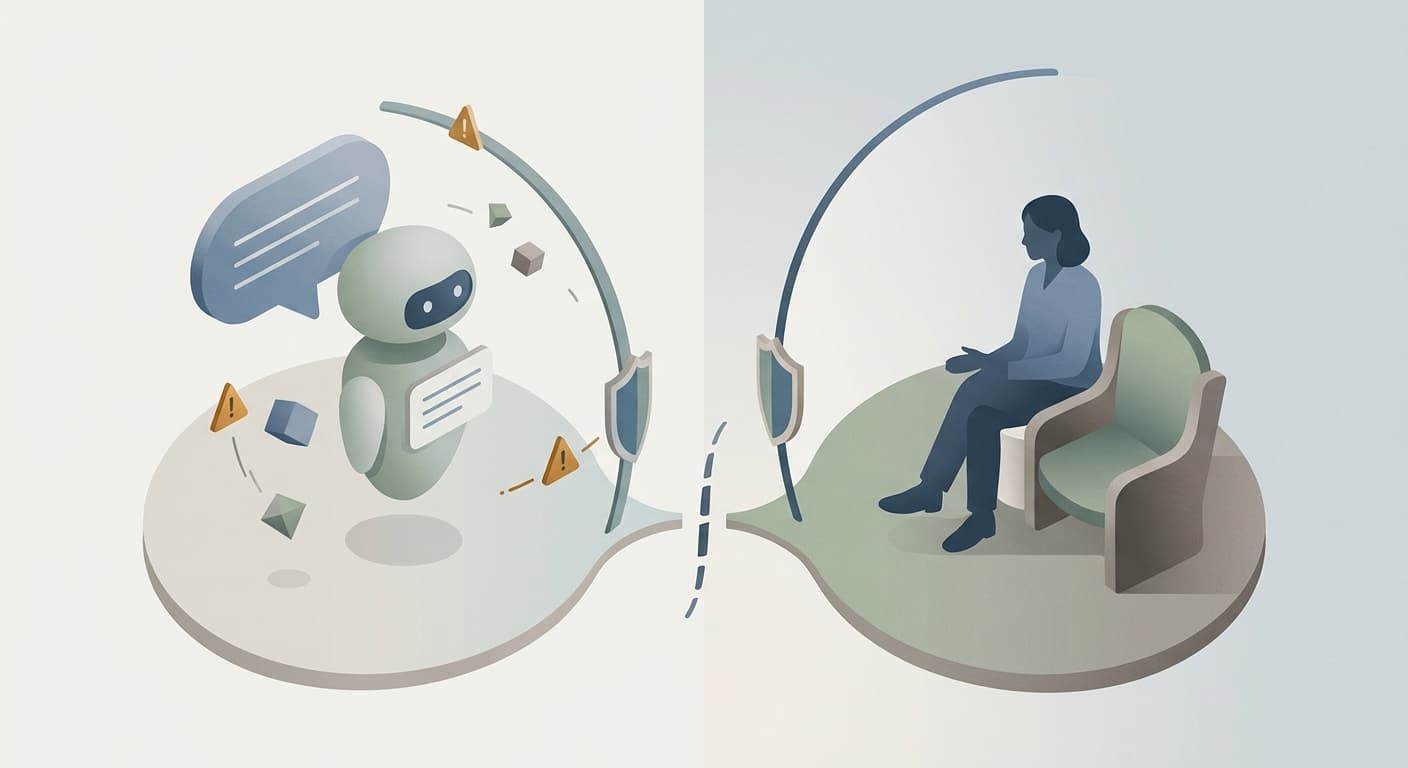
That feeling of help is real, and it matters. But feeling supported is not the same as being protected. Therapy, in the professional sense, includes ethical duties, risk management, and real accountability, not just useful language. This article draws the line between helpful support and unsafe substitution.
Core limitation: accountability
ChatGPT can sound warm and understanding because it is trained to produce supportive language. That ability makes it useful in many low risk situations. The core limitation is not empathy, it is accountability.
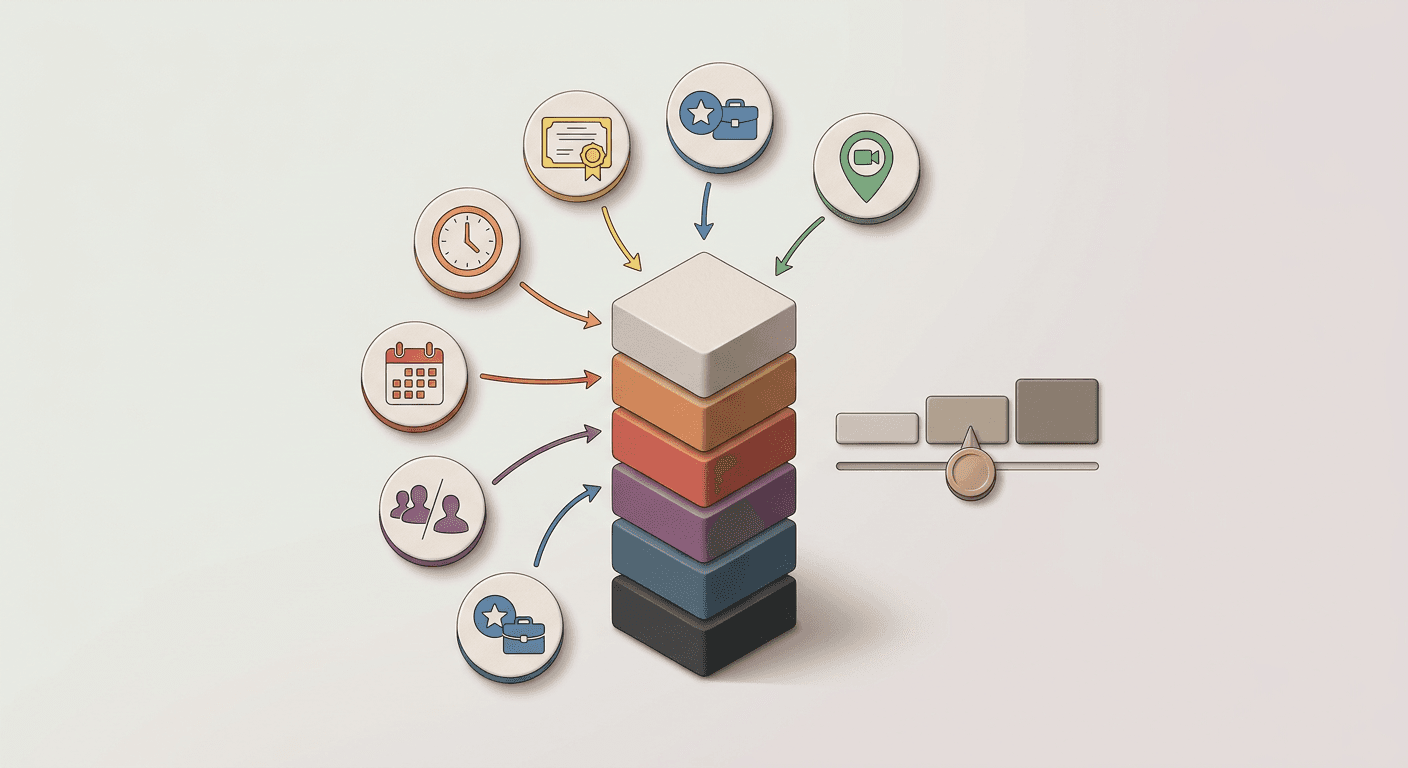
Licensed clinicians have responsibilities that an AI does not. They assess risk, stay within their scope of practice, document care, maintain confidentiality with defined exceptions, refer out when needed, and step in when the relationship becomes harmful. An AI generates plausible text, but it cannot take responsibility for what happens after a conversation ends. That difference matters most when situations are complex or dangerous.
Why models mislead
Large language models work by predicting what token should come next in a sequence of text. They do not have beliefs or a moral stake in outcomes, and they do not run independent checks of reality unless a system is built to do that.
This mechanism produces three predictable issues in mental health use. First, the model can sound confident with incomplete context. Mental health symptoms change meaning depending on history, medication, substance use, medical problems, and immediate stressors. Second, the model tends to be helpful by default, which can steer conversations toward quick reassurance or tidy solutions instead of careful exploration. Third, it does not reliably track long term patterns. Human clinicians notice slow deterioration through relationship and continuity, something a single chat session or a stateless model can miss.
Put simply, fluent language on its own is not evidence of correct, safe judgment.
Where it helps
There are practical, low risk ways to use ChatGPT that take advantage of its strengths. It can be helpful for tasks where organizing language is the main demand, and where small errors are not dangerous. Examples include:
- Clear psychoeducation in plain language
- Creating journaling prompts or structuring entries
- Generating CBT style thought records
- Role playing a difficult conversation before you try it
- Helping label emotions or brainstorm coping ideas
These are useful because the cost of a slight mistake is low, and the output is easy to test in real life. Many people value the tool as an accessible, judgment free place to begin.
Quiet dependence risk
A less obvious risk is gradual dependence. A chatbot is instant, always available, and free of interpersonal friction. Those qualities can teach your brain to reach for immediate soothing rather than practicing skills that build independence.
If distress consistently ends with a bot interaction, you may practice tolerating uncertainty less, avoid repairing relationships, or delay asking people for help. That learning process is natural. It becomes an ethical concern when design nudges repeat soothing without building autonomy. Clinicians watch for this shift. A general purpose model usually does not.
Safety and crisis
If someone is suicidal, self harming, hearing voices, or in an escalating abuse situation, the issue is not only imperfect advice. The deeper danger is mistaking a feeling of containment for real safety. Research reviews show models struggle with reliably assessing severity and responding correctly in high risk contexts.
A simple rule is useful: if you would want a human in the room, do not rely on a chatbot instead. In immediate danger, contact local emergency services or crisis lines. A chatbot can feel comforting, but it cannot replace human containment and urgent care.
Confidentiality matters
Confidentiality in therapy is a formal system with legal duties, documentation, and defined exceptions. Chatbot privacy depends on what you type, how the platform stores data, the terms you agreed to, and whether your account or device is secure. Users rarely have a full audit trail of how their data is handled, and that uncertainty is meaningful because mental health disclosures can be sensitive.
Treat AI tools like a semi-public space. Do not paste full names, addresses, employer details, medical records, or anything you would not want exposed. Use the tool for reflection, not for storing or transmitting identifying information.
Bias and cultural mismatch
Bias in model outputs can be subtle, because biased language often sounds calm and reasonable. Training data tends to overrepresent some cultures and norms, and default assumptions about family, gender roles, religion, or independence can lead to guidance that is inappropriate or unsafe for some communities.
The harm is not just being offended. It is receiving advice that misunderstands how risk and choice work in your social context. Be cautious when a suggested approach assumes freedoms or supports you do not have.
Clinical limitations
Diagnosis and complex treatment planning are not appropriate roles for a general purpose language model. Accurate diagnosis involves differential thinking, medical and substance use considerations, developmental history, functional impairment, collateral information, and longitudinal observation. Complex conditions such as bipolar disorder, schizophrenia spectrum disorders, severe trauma, eating disorders, and multiple comorbidities require coordinated care and clinical responsibility.
A model can discuss symptoms and possibilities, but it cannot take responsibility for ruling out dangerous alternatives or managing pharmacology and documented care. Do not use it as the primary decision maker for complex conditions.
Why benefits fade
Digital support tools often produce early gains, then weaken over time. Initial improvement can come from novelty, structure, and focused attention. If a tool does not help you build skills that transfer to real life, the gains do not consolidate. Meta analytic work and trials of therapy chatbots often show short term symptom reductions that diminish at follow up.
That pattern does not mean these tools are useless. It means they are limited as long term substitutes for ongoing human care in many cases. Treat short term improvements as useful, but provisional.
Ethical use in practice
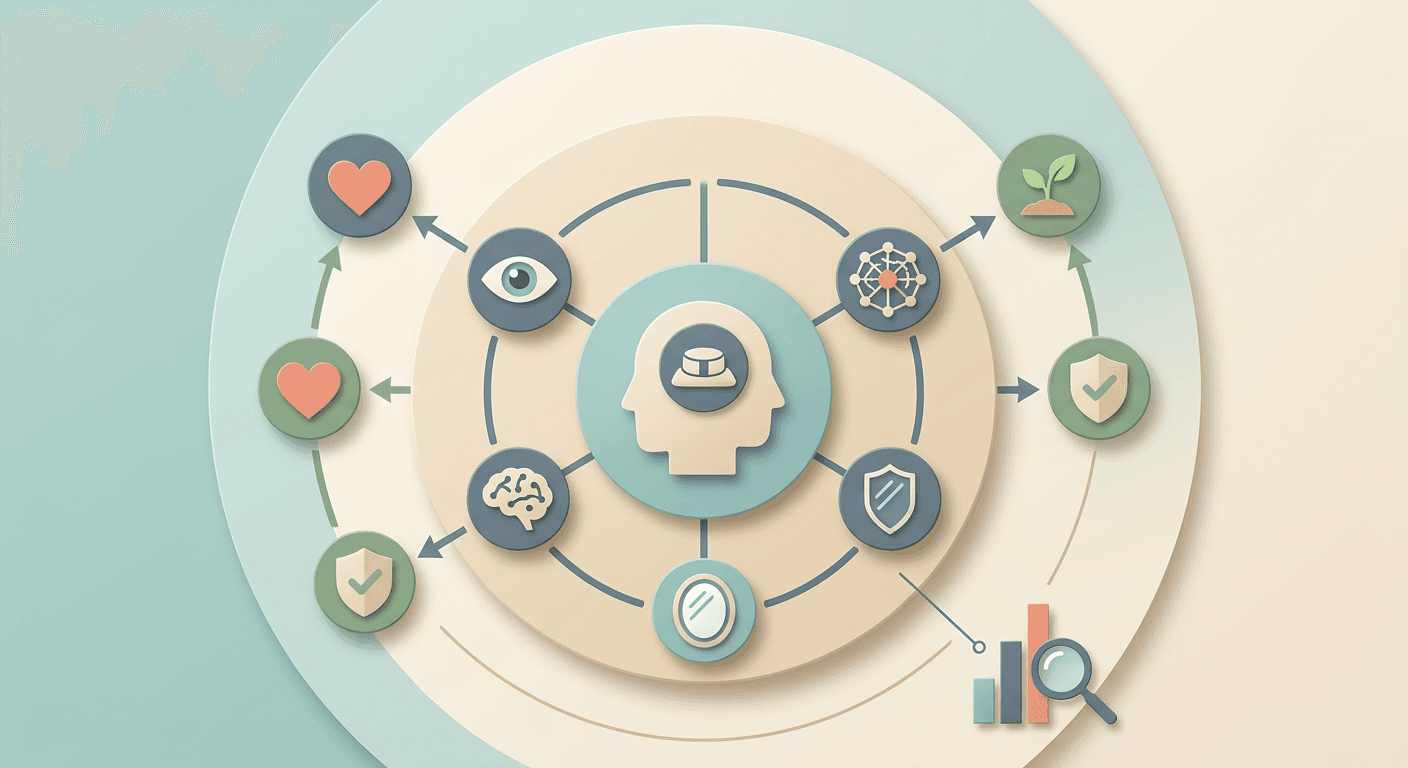
Ethical, low risk use of a chatbot looks like support plus human oversight. Examples include using the tool to draft questions to bring to a therapist, practicing a skill you already learned in therapy, writing a safety plan draft and then reviewing it with a clinician or trusted person, journaling for clarity, or creating a coping menu to test in real life.
Risky uses include trying to decide whether you are "suicidal enough" to seek help, getting medication or substance advice, relying on the bot as your only support while symptoms worsen, validating delusions or revenge plans, or sharing identifying information hoping it will stay private.
Tools that preserve dated notes and help you notice patterns can be valuable, because they make it easier to decide when to escalate to human care.
When to see a clinician
Choose a licensed professional, or urgent care, when any of these are true:
- You are thinking about suicide or self harm.
- You have thoughts of harming someone else.
- You are hearing voices, becoming paranoid, or feeling detached from reality.
- You are unable to function at work, school, or home.
- Substance use to cope is escalating.
- Trauma symptoms are worsening.
- You are dealing with abuse, stalking, or coercive control.
- You want diagnosis, documentation, or medication evaluation.
This is not gatekeeping. It is matching the tool to the level of risk and responsibility required.
Conclusion
ChatGPT and similar models can be a helpful supplement for low risk tasks that rely on organizing language and offering structure. The evidence shows modest, often short lived benefits in some contexts. The consistent warnings are about safety, privacy, cultural mismatch, and the absence of accountability.
Use AI tools narrowly, avoid sharing identifying information, and escalate to a clinician when containment, diagnosis, or crisis support is needed. If you treat a chatbot as a notebook that talks back, it can add value. If you treat it like a safety net, you are using the wrong tool.