
The cabinet door you did not mean to open
You walk into the kitchen, not hungry, and your hand is already on the cabinet.
Or you sit down to work and, before you have fully decided what to do first, your phone is in your hand.
Moments like this can feel like a character flaw. They can also feel confusing because your intention is sincere. You really did mean to do something else.
The clearer question is simpler and more useful: how are habits built, and why do cues, repetition, and environment matter so much?
Why habits are easy to misread
Most of us explain our behavior using reasons.
I am stressed. I am lazy. I have low willpower. I do not care enough.
Sometimes those reasons are true. But habits often run on a different kind of cause. They run on pattern recognition.
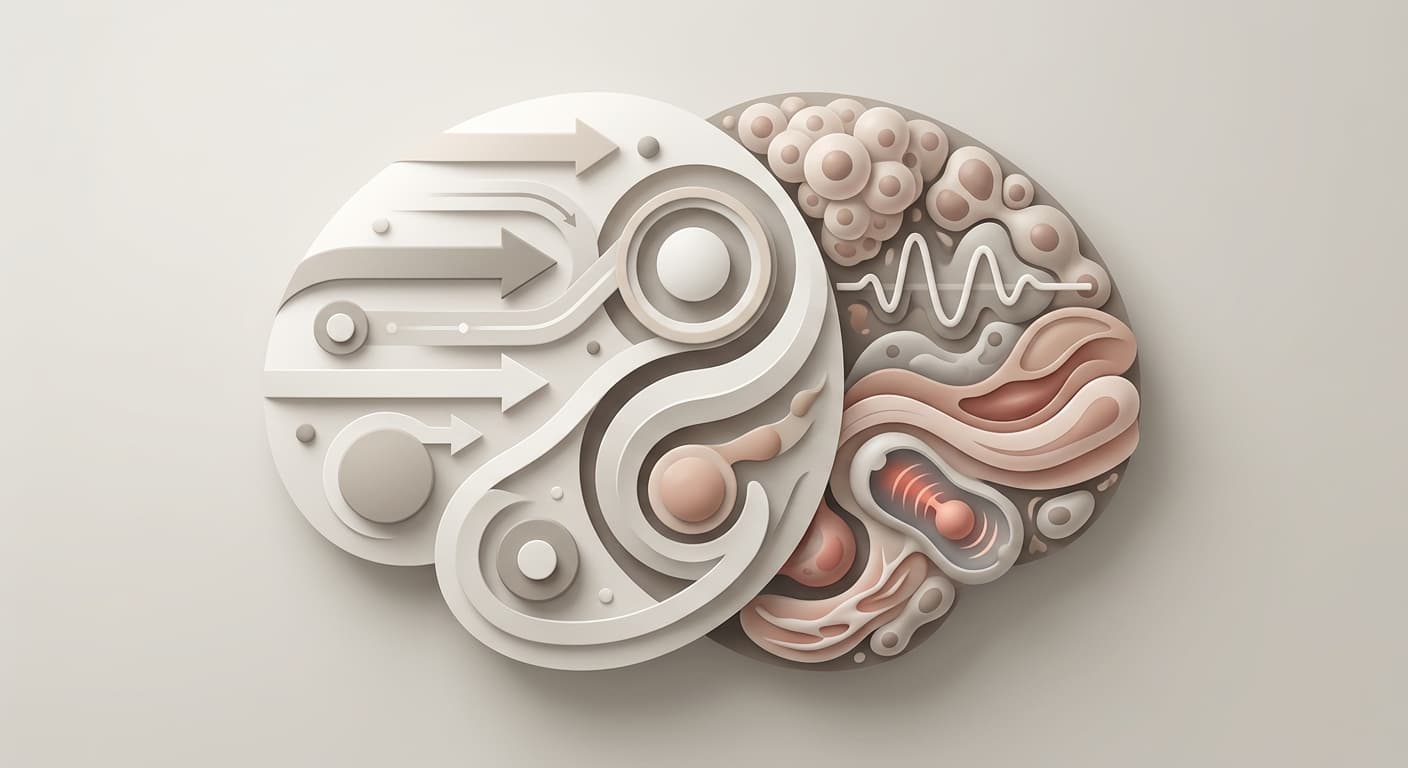
A habit is not primarily a statement about what you value. It is your brain learning, in this situation, this is what usually happens next.
That is why you can care deeply about changing a habit and still keep doing it. Your values are one system. Your learned patterns are another. They overlap, but they do not always line up.
What a habit is in plain language
In plain language, a habit is a behavior your brain has learned to start automatically when a familiar situation shows up.
That situation is the cue.
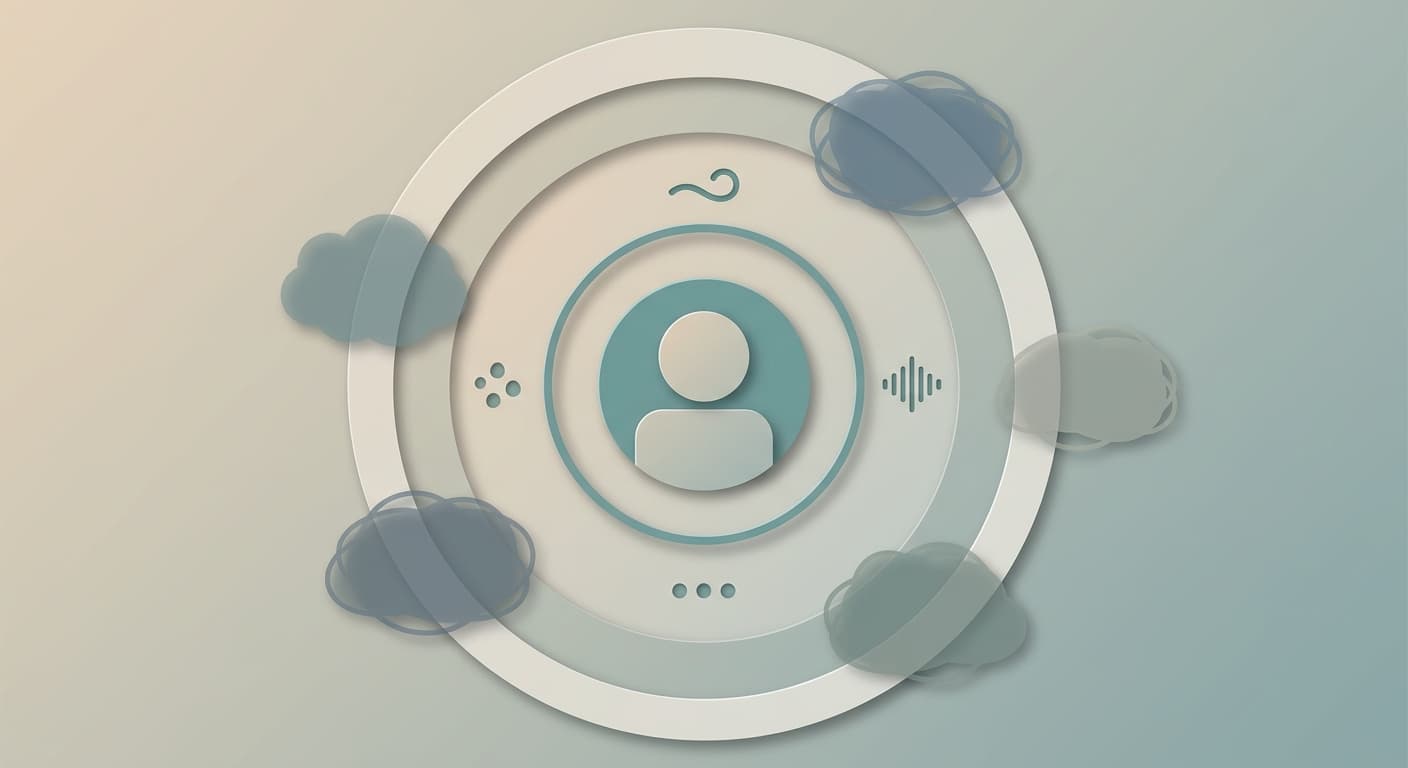
A cue can be obvious, like walking past the vending machine. It can also be quiet and internal, like the foggy feeling before you begin a hard task, or the tiny drop in energy at 3 p.m.
What matters is not how dramatic the cue is. What matters is that it is recognizable.
When your brain recognizes the cue, it predicts what comes next. If one response has been repeated often enough in that same context, it becomes the default offer.
Not a moral verdict. Not your identity. Just a learned prediction.
The mechanism underneath: how cues, repetition, and environment work together
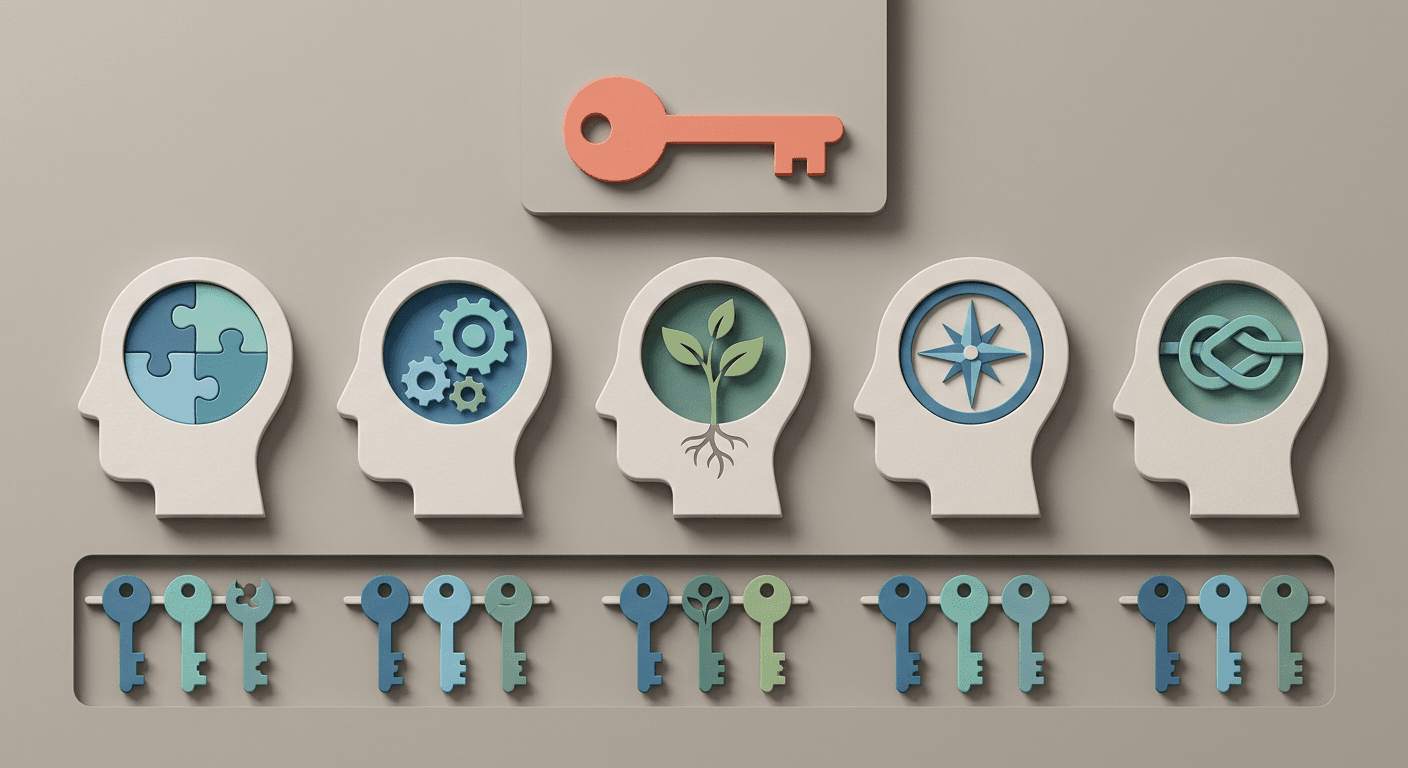
It helps to think of this as one mechanism seen from three angles.
A cue is how your brain tags a moment as familiar.
Repetition is how your brain becomes confident about what typically follows.
Environment is what keeps the cue stable enough for learning to lock in.
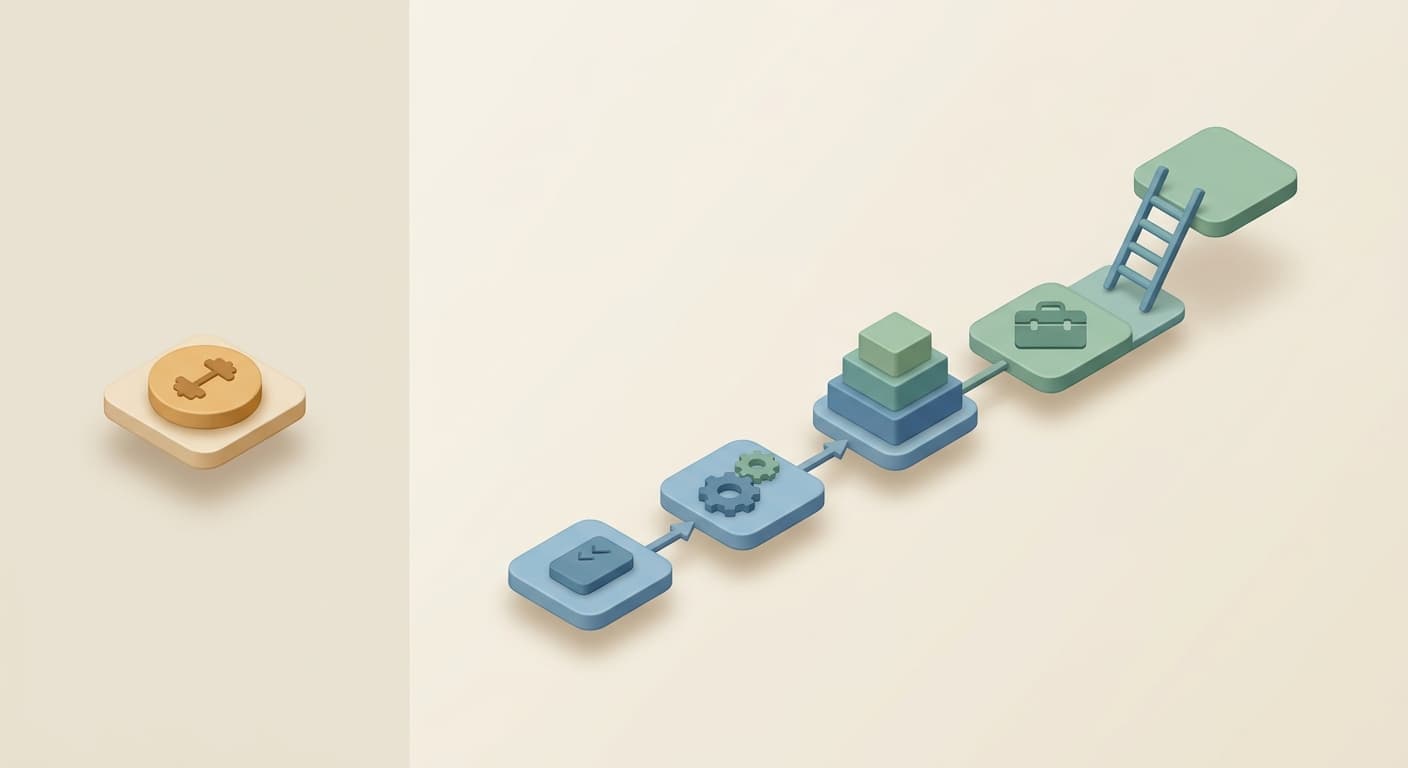
Here is the causal chain in everyday terms.
You enter a situation that has repeated features, like the same couch, the same commute, the same time of day, the same browser tab, the same end of meeting.
Your brain recognizes those features quickly, often before you have formed a full sentence in your head.
Because the last twenty times you were in this situation you scrolled, snacked, smoked, checked email, or avoided the hard task, your brain predicts that behavior as the most likely next step.
Prediction saves effort. You do not have to deliberate from scratch. The behavior starts to feel like it begins on its own.
This is why habits can feel like they happen before choice. The choice is not gone, but it has to speak up against a well-practiced default.
Why repetition is not just doing something a lot
Repetition matters, but not in the motivational way people often mean.
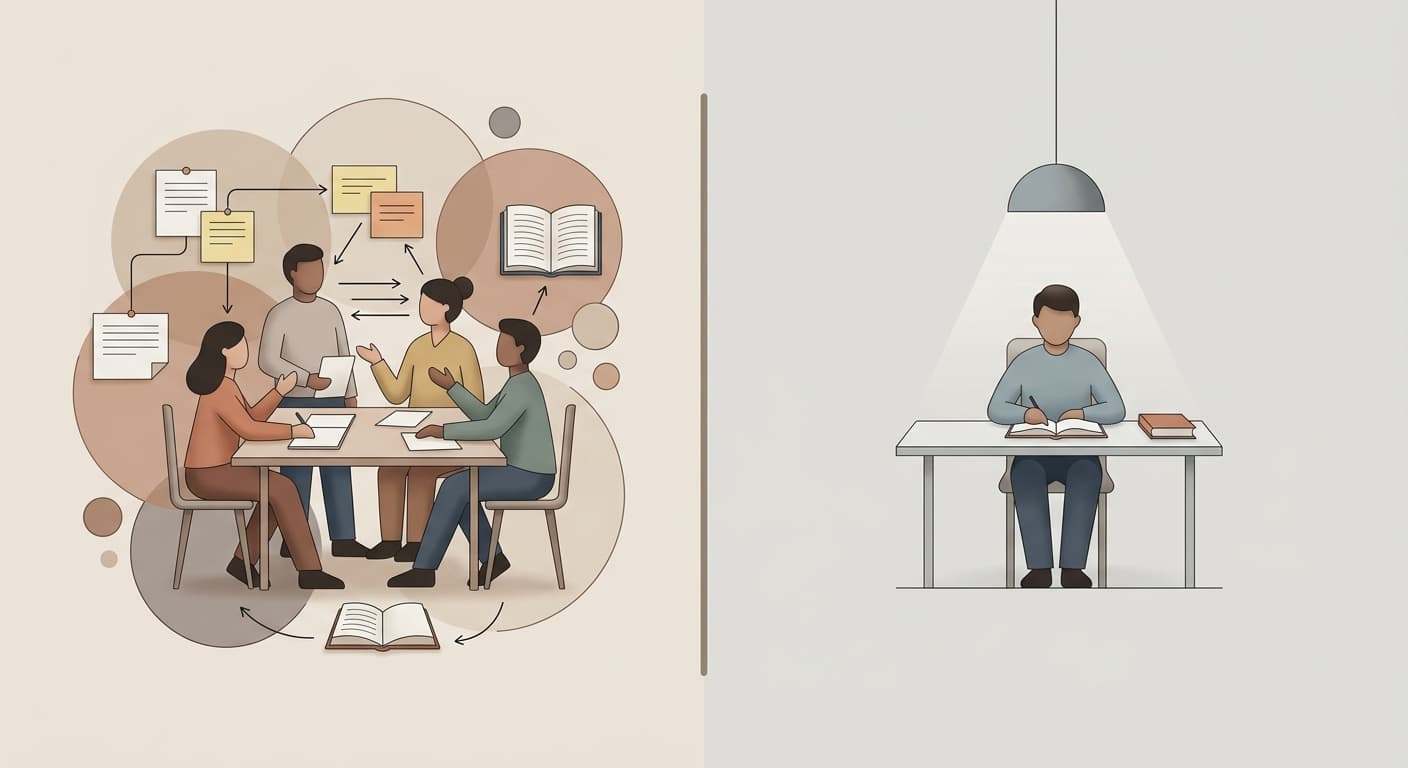
Doing something frequently in random contexts does not teach your brain a strong cue. It teaches a loose preference at best.
Doing something repeatedly in the same kind of context teaches a tight link.
That is why someone can say, "I did it ten times, why is it not a habit yet?" and still be stuck. If those ten times happened in ten different situations, your brain did not learn, this situation means do this.
It learned, sometimes we do this.
The stable pairing is what makes a habit feel automatic.
Why environment is not a side detail
People often treat environment like a convenience issue. In practice, it is often the training ground.
Your environment holds cues in place.
The phone on the table turns the table into part of the cue.
The snack on the counter turns visibility into part of the cue.
The workday that always ends with the same transition, laptop closed, couch, TV, can turn that transition into a cue, even if you are not hungry.
This is also why habits can disappear on vacation and return immediately at home. You did not lose progress. You left the cues behind, then you walked back into them.
How this shows up in real life
Habit cues are often not the thing you blame.
If you check your phone before starting work, the cue might not be the phone. The cue might be the moment of friction right before you begin. Uncertainty, effort, the feeling of not knowing where to start. The phone is simply the easiest, most practiced way to reduce that feeling.
If you snack in the evening, the cue might not be hunger. It might be the shift from responsibility to recovery. Work ended. The house got quiet. The day finally stopped demanding things. Your brain recognizes that shift and offers the usual relief.
If you always drift into the same app, it may be tied to a micro-moment you barely notice, like waiting for something to load, finishing an email, or feeling a small spike of boredom.
These are not dramatic triggers. They are reliable ones. Reliability is what habits run on.
Common misreadings that make habits feel personal
One misreading is, "If I understand why I do it, it will stop."
Understanding helps with clarity. It can help you notice cues earlier. But a habit is not only a story you tell. It is a learned link. Insight alone does not always dissolve a link that has been practiced for years.
Another misreading is, "If I can do it once, I should be able to do it consistently."
Doing it once proves you can do it. It does not mean your environment and cues are set up to make it the default. Consistency usually comes from repeating the same behavior in the same kind of situation until the situation itself starts to prompt it.
Another misreading is, "This habit says something deep about who I am."
Sometimes behavior does reflect needs or values. Often, a habit is simply what your brain learned was normal in a particular context. Strong habits can exist in people who are thoughtful, disciplined, and sincere.
What this model explains, and what it does not
The cue, repetition, environment model explains why you can have good intentions and still do the familiar thing.
It explains why certain places, times, and transitions feel magnetic.
It explains why changing context can sometimes change behavior faster than trying harder, because the cue is no longer present in the same way.
What it does not explain is everything.
It does not tell you what you should want.
It does not capture the full weight of clinical addiction, eating disorders, or severe anxiety, where professional support matters and where risk is higher than everyday habit loops.
It also does not mean every habit is caused by one identifiable cue. Real life can be messy. Stress, sleep, social dynamics, and chronic overload can all make habits more likely to fire. In those cases, the cue is not a single moment, it is a whole condition your body is carrying.
A calmer way to work with habits: notice the cue without self-judgment
If you want a useful next step that is not self-optimization, start with observation.
Not, how do I force myself to change, but, what tends to be true right before the habit starts?
What time is it. What room am I in. What transition just happened. What feeling shows up. What am I trying to reduce or get through.
This is where a reflection tool like Mendro can be helpful for some people, as a neutral place to jot down patterns and cues without turning the process into self-criticism.
The point is not to make yourself perfect. It is to see the mechanism clearly enough that your behavior stops feeling mysterious.
Closing: what to remember when a habit feels automatic
A habit is not a flaw. It is learning.
Cues are how your brain recognizes, this is that situation again.
Repetition is how your brain learns, this is what we do here.
Environment is what makes the situation stable enough to become a trigger.
When you understand that, the experience changes. The habit is no longer proof that you do not care. It is evidence that your brain is good at building defaults from repeated context.
And once you can see the default forming, you can relate to it more calmly, whether you change it now, later, or simply understand why it keeps showing up.