
Personal development has no final version
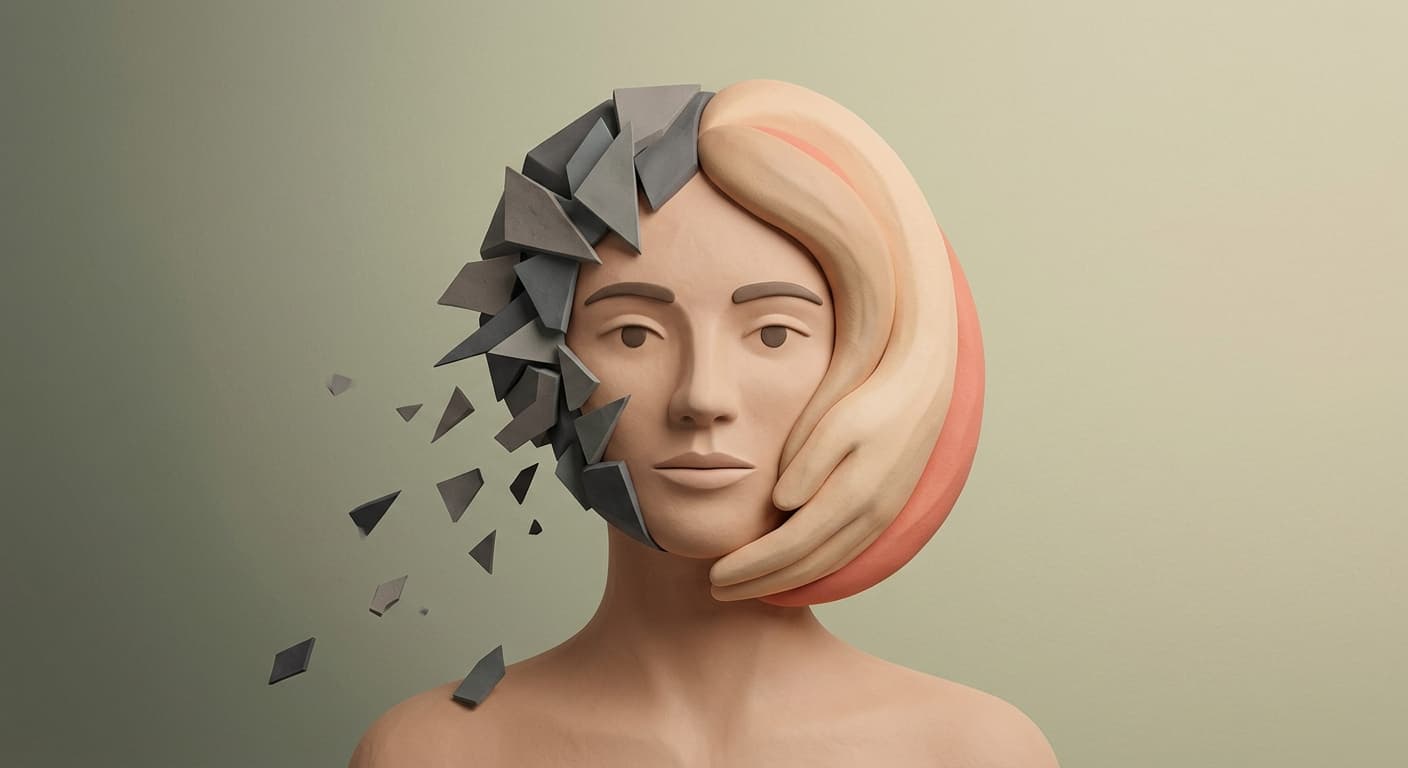
Personal development is easy to misunderstand because the phrase sounds like a project. It can make growth seem like something you start, work on, and eventually complete. But that is not how most real development works.
A more accurate way to think about personal development is this. It is an ongoing process of adjusting how you think, respond, choose, and act as your life changes. You do not grow once and stop. You keep growing in response to new demands, new roles, new losses, new skills, and new priorities.
That is why personal development rarely feels neat. The version of you that handled one season of life may not be enough for the next one. What worked when you were building confidence at work may not help much when you are learning how to set boundaries, recover from stress, or become more patient in close relationships.
The process continues because life continues.
Why it keeps shifting
The simplest reason personal development is ongoing is that the target keeps moving. Your circumstances change, and when circumstances change, the kind of growth you need changes too.
At one point, development may mean learning discipline. Later, it may mean loosening perfectionism. In one season, growth might look like becoming more assertive. In another, it might mean becoming more receptive, less defensive, or more honest about your limits.
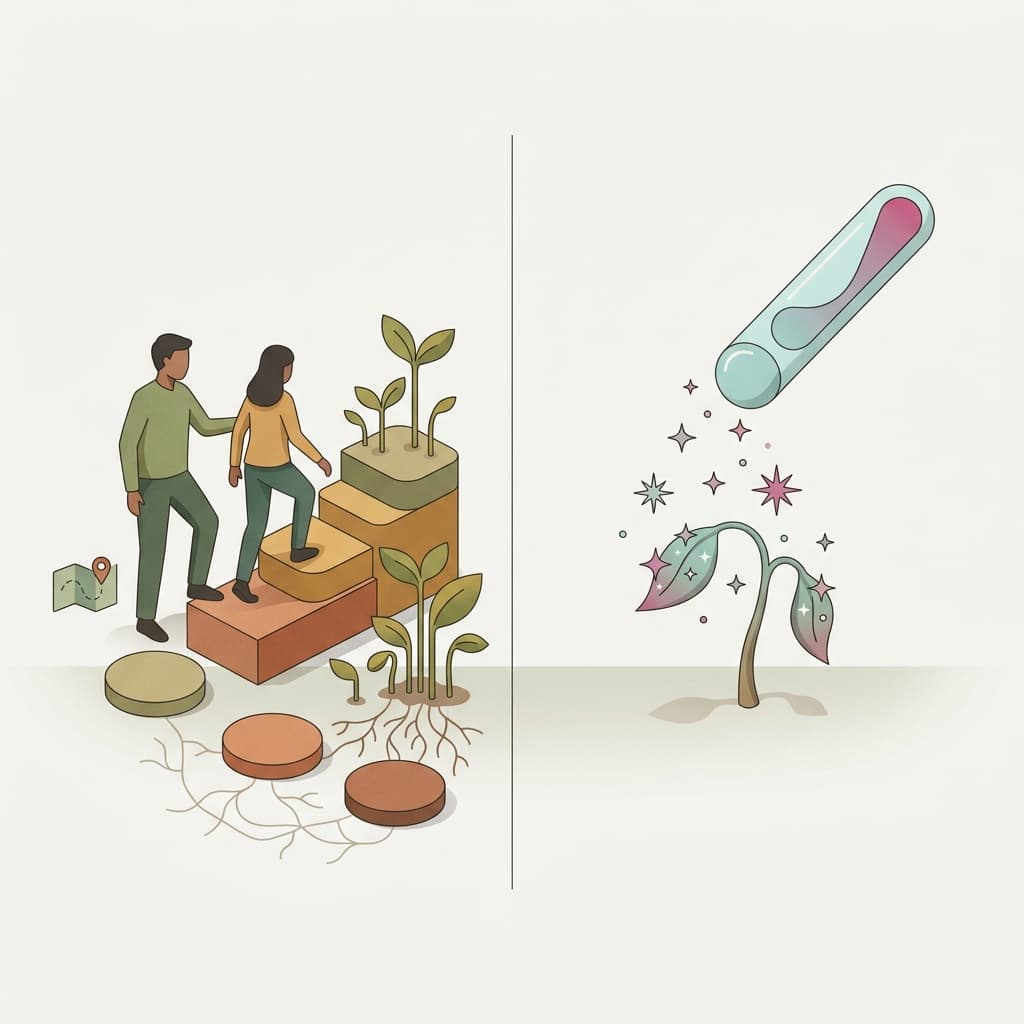
This is one reason quick-fix ideas feel so disappointing. They assume there is one stable problem and one permanent solution. Real life is messier than that. Growth is not just about fixing weaknesses. It is also about updating yourself in response to reality.
A person can be highly developed in one area and still immature in another. Someone may be excellent at professional focus and poor at emotional regulation. Another person may be deeply self-aware but still avoid difficult decisions. Personal development keeps going because human beings are not one-dimensional, and neither is growth.
What changes underneath
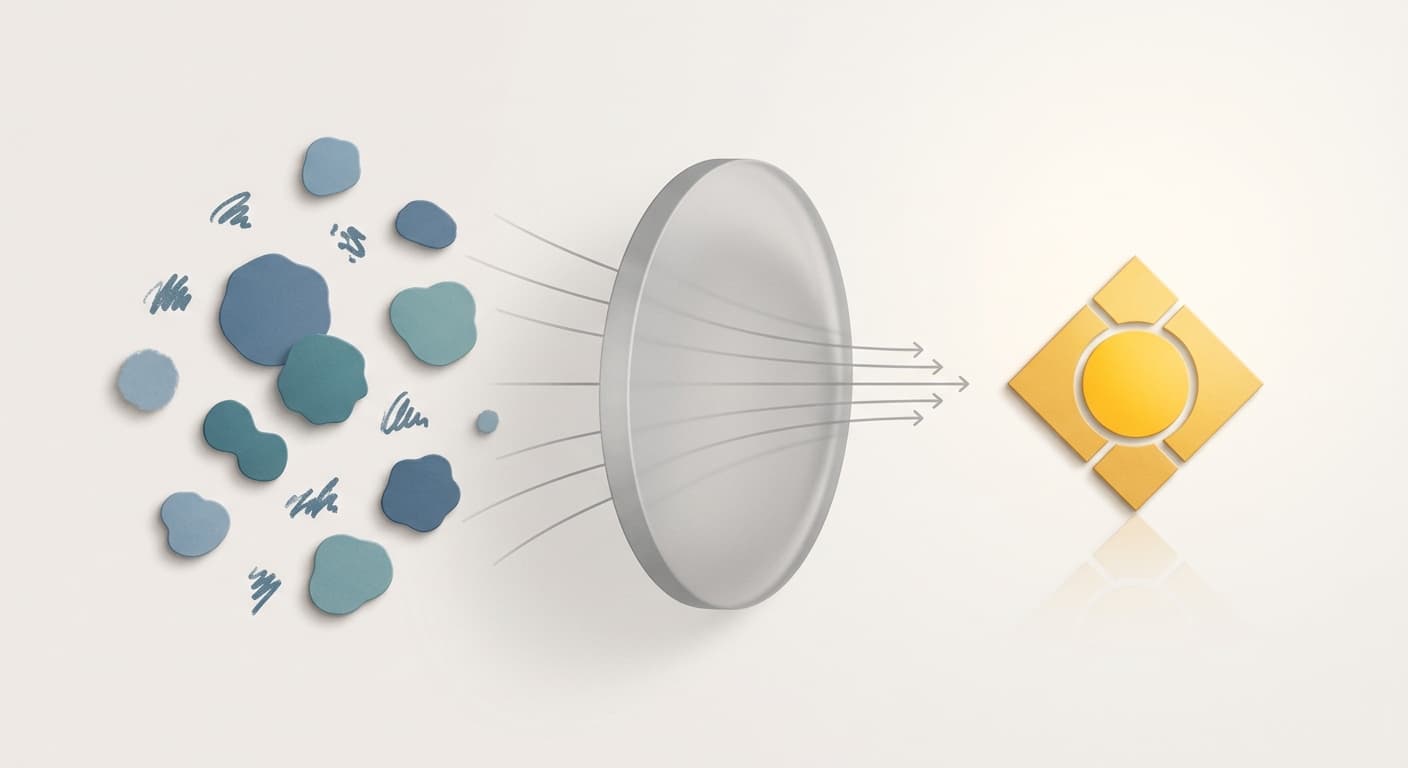
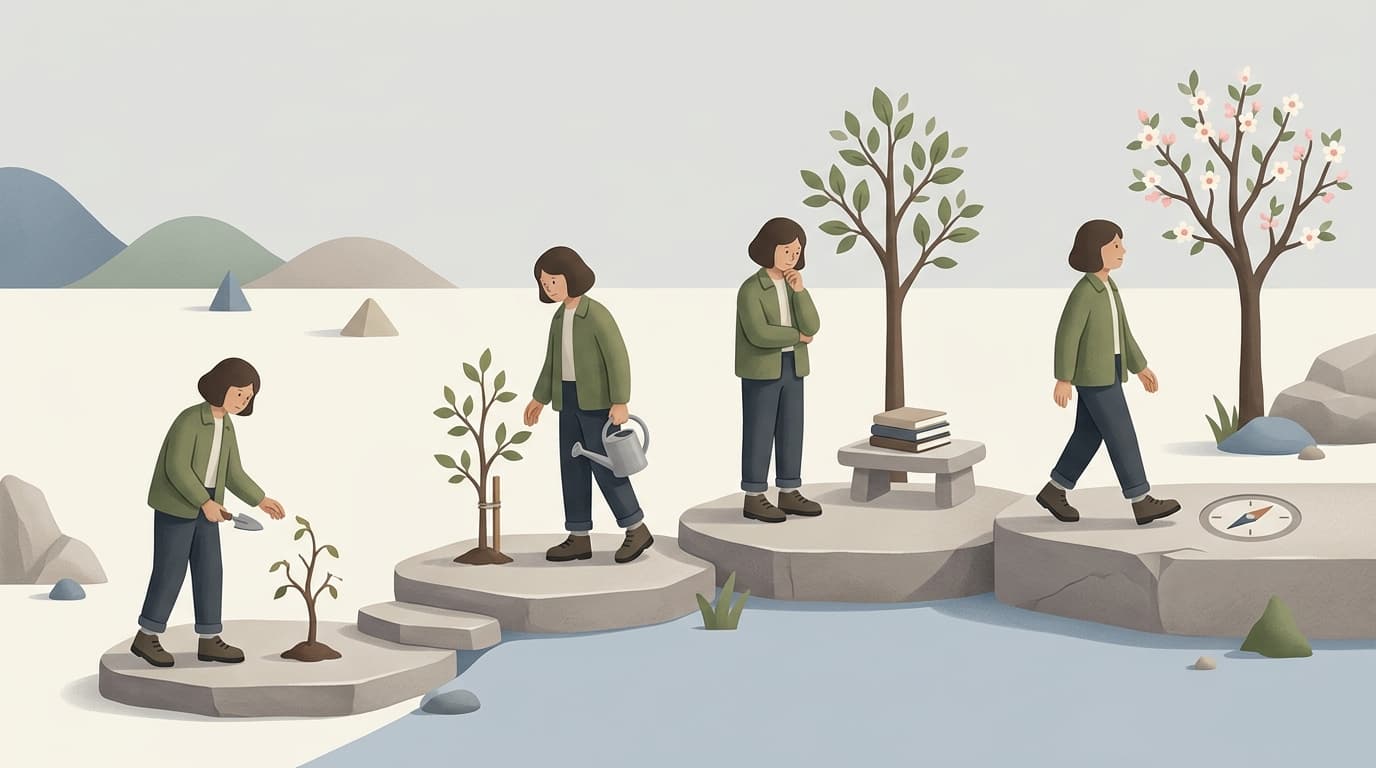
Underneath personal development is a continuous loop of noticing, making sense of what is happening, trying something different, and learning from the result.
You notice something in your life that is not working well. Maybe you keep shutting down in conflict. Maybe you feel scattered all the time. Maybe you reach goals and still feel strangely unsatisfied. That creates friction. Friction gets your attention, and attention makes reflection possible.
Then comes interpretation. You try to understand what is happening. Is this a skill problem, a habit problem, a fear problem, a values problem, or simply exhaustion? The answer matters, because different problems require different kinds of change.
Next comes action. You experiment. You practice speaking more clearly, sleeping more consistently, saying no earlier, tolerating discomfort longer, or rethinking what success means. Some changes help. Some do not.
Then revision happens. You learn from the result, and your self-understanding becomes a little more accurate.
That loop keeps repeating because people are adaptive systems. We are always responding to feedback from our environment, our relationships, and our internal state. As those inputs change, the loop runs again.
Progress is not linear
One reason people become discouraged with personal development is that they expect straight-line progress. They assume that if they have learned something once, they should now do it consistently forever.
But human change does not work like a permanent software update. Skills can weaken under stress. Insight can fade when you are overwhelmed. Old coping patterns often return when life becomes uncertain, because the brain tends to reach for familiar responses when it senses strain.
This does not always mean you have failed or gone backward. Often it means the conditions changed.
A person who became calm and organized in a predictable routine may feel chaotic again during grief, parenthood, burnout, illness, or a major career shift. The underlying capacity may still be there, but the context has changed enough that the person needs new support and new practices.
That is another reason personal development remains ongoing. You are not developing in a laboratory. You are developing inside a real life.
Identity keeps evolving
Part of growth is skill-building, but part of it is identity revision.
As you move through life, you keep answering quiet questions about who you are. What matters to you now. What kind of relationships you want. What you will no longer tolerate. What success actually means. What you are willing to trade for achievement, and what you are not.
These questions do not get answered once and for all at age 25, 35, or 50. They keep reopening because experience changes your perspective. Success can change your values. Loss can change your priorities. Responsibility can change your sense of self.
This is why personal development often feels deeper than productivity advice. It is not only about becoming more efficient. It is also about becoming more aligned with what you genuinely value and who you are becoming.
A common misunderstanding
Many people approach personal development with an endpoint mentality. They imagine a future version of themselves who is fully confident, fully healed, fully disciplined, and no longer pulled off course by anything.
That picture is understandable, but it usually creates frustration.
A more realistic goal is not permanent self-mastery. It is better self-awareness, better responses, and better recovery. In practice, that means you may still get anxious, but notice it earlier. You may still procrastinate, but understand what triggers it. You may still get overwhelmed, but return to balance faster and with less self-punishment.
This matters because development is often subtle. It does not always look like dramatic transformation. Sometimes it looks like pausing before reacting. Sometimes it looks like needing less external approval. Sometimes it looks like choosing a harder but more honest conversation.
These are not small things. They are often what real growth looks like from the inside.
What steady growth looks like
If personal development is ongoing, the question becomes how to relate to it without turning it into constant self-criticism.
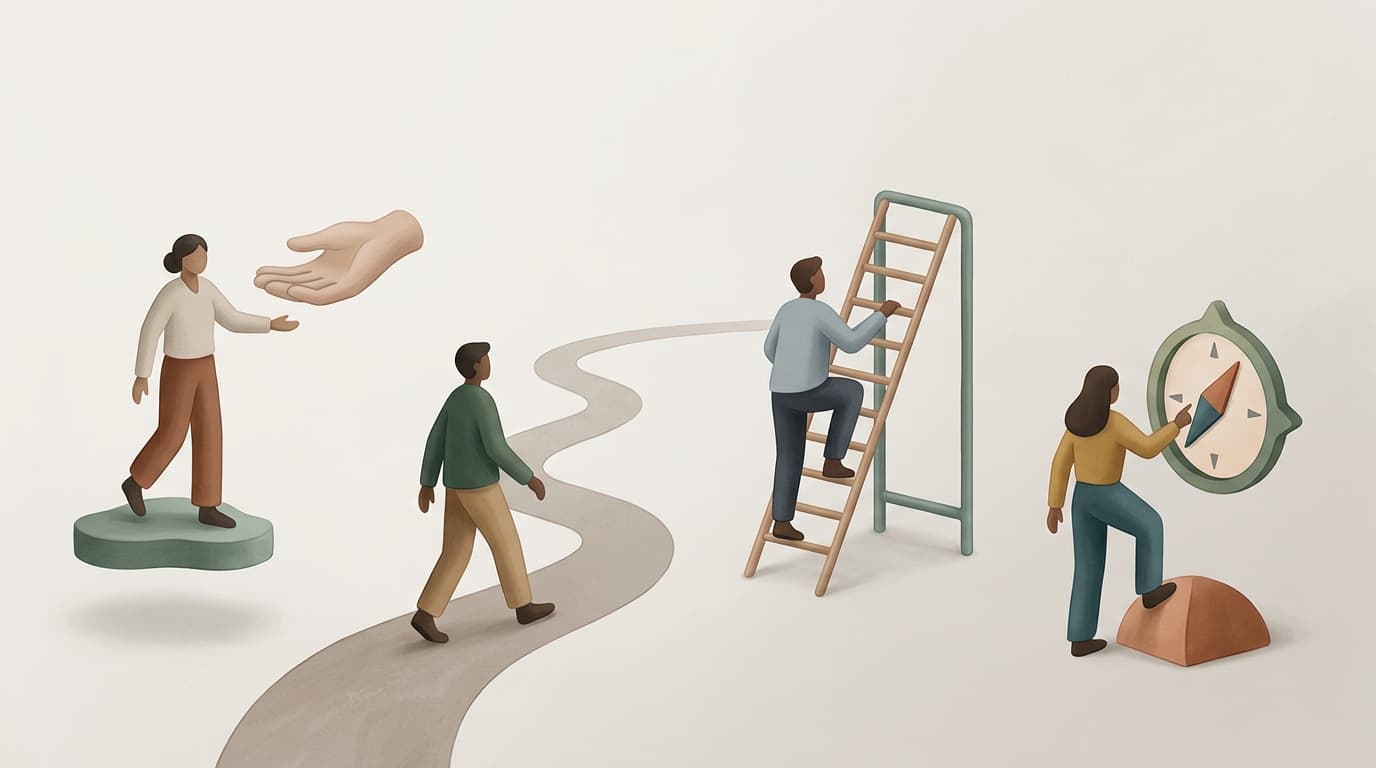
The healthiest approach is usually to treat development as a practice of noticing and adjusting. Not fixing yourself all the time, but paying attention to where life is asking you to grow now.
That often includes a few quiet habits.
Reflection helps because experience does not automatically turn into insight. You can repeat the same pattern for years if you never slow down long enough to examine it.
Experimentation helps because insight alone rarely changes behavior. People often understand themselves before they know how to act differently.
Repetition helps because new responses need reinforcement before they feel natural.
Patience helps because development tends to unfold more slowly than motivation suggests. A person can understand a lesson intellectually long before they are able to live it consistently.
If someone uses a tool like Mendro, it can help as one structured way to notice patterns and reflect more clearly over time.
Why it never feels finished
Personal development never really ends because there is no stable life stage where all growth tasks are completed. Each stage introduces new tensions.
Early adulthood may bring questions about confidence, identity, and direction. Midlife may bring questions about meaning, responsibility, and tradeoffs. Later stages may bring questions about change, loss, legacy, and acceptance.
Even positive changes create new developmental demands. A promotion asks for different emotional skills than an entry-level role. A committed relationship asks for different habits than independence. Parenting, caregiving, illness, success, failure, and aging all ask something new of a person.
So the point is not to finish personal development. The point is to stay in relationship with it.
A calmer way to think about it
The most useful mindset is often this. Personal development is not a race toward a perfected self. It is a long process of becoming more aware, more intentional, and more capable of meeting life as it is.
That process includes progress and regression, clarity and confusion, effort and rest. It includes seasons where growth is visible, and seasons where it is mostly happening underneath, through reflection, restraint, grief, or quiet reorientation.
You do not need to become a completely new person every year. More often, growth means becoming more honest about what is true, more skillful in how you respond, and more aligned in how you live.
That is why personal development is ongoing. Not because you are always behind, but because being human is dynamic. As your life keeps unfolding, your development does too.