Why people call it the “happiness hormone”
You’ve probably heard someone say, “That gave me dopamine,” like dopamine is a happiness faucet in the brain.
It’s an understandable shortcut, but it blends together different experiences. Pleasure, motivation, and learning often happen close together, so they get lumped into one idea. In neuroscience, though, dopamine is less about “happiness” and more about learning what to pursue.
A clearer way to say it:
Dopamine helps your brain decide what’s worth paying attention to, what’s worth repeating, and what to pursue next.
Why that story is incomplete
The “dopamine = happiness” idea sticks because dopamine is deeply involved in reward-related behavior.
When something better than expected happens, dopamine activity can change. When cues reliably predict a reward, dopamine responses can shift toward those cues. And medications or drugs that affect dopamine can change mood, drive, and focus.
The key nuance:
- Dopamine isn’t a single pleasure meter.
- It helps the brain update expectations and shape future behavior.
That’s why dopamine shows up in conversations about habits, cravings, and addiction. It’s strongly involved in reinforcement learning, that is, how the brain learns from outcomes.
What dopamine does
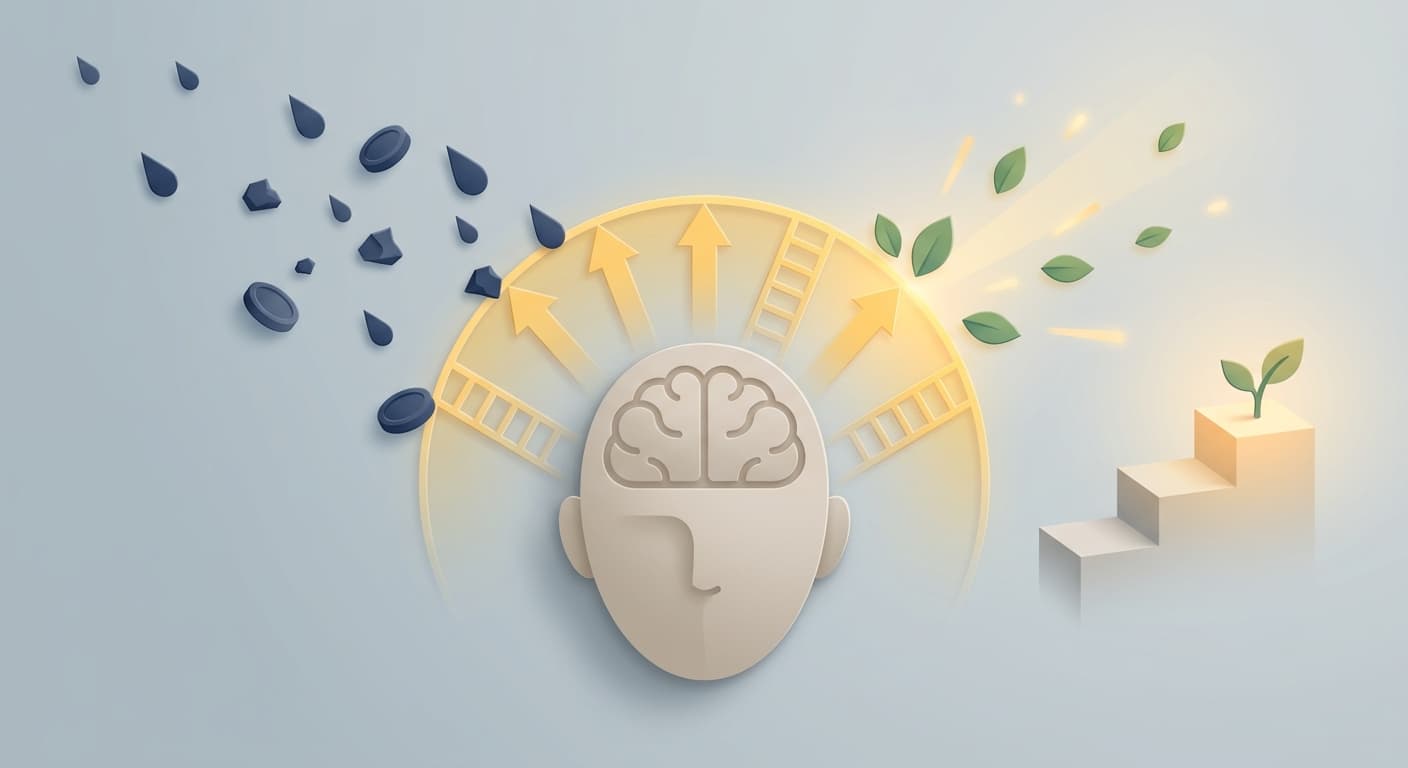
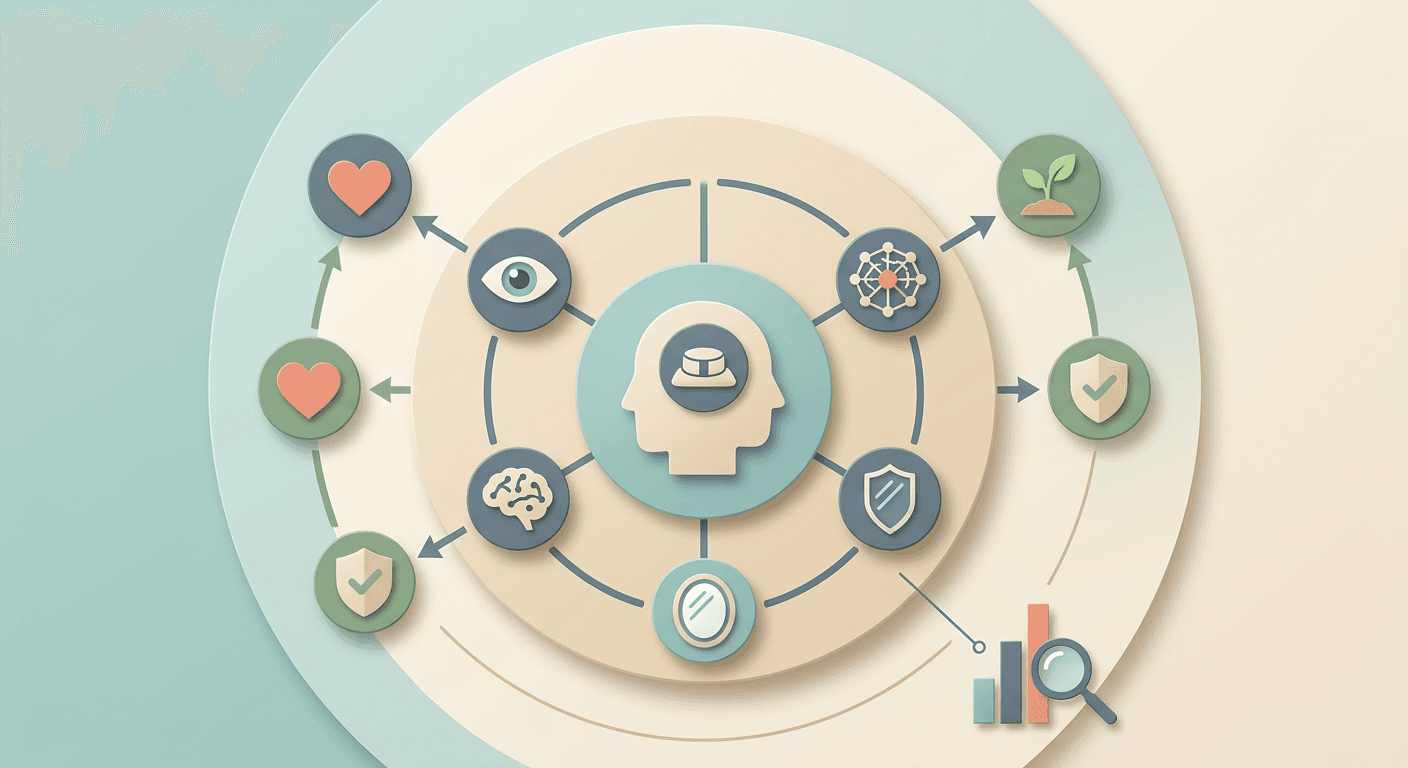
Dopamine is a teaching signal
Dopamine is best understood as information.
In many situations, dopamine activity reflects how an outcome compares to what the brain predicted. If your brain expected one thing and reality delivers something different, dopamine helps “store the lesson” so predictions improve next time.
That doesn’t mean dopamine never relates to good feelings. It means dopamine’s main job isn’t to create happiness. Its main job is to help the brain learn and prioritize.
Reward prediction error
“Reward prediction error” is your brain running a simple comparison:
- What I thought would happen
- What actually happened
When the result is better than expected, dopamine signaling tends to support learning: “That worked, remember what led to it.”
When the result is worse than expected, dopamine signaling can support updating: “That didn’t work, adjust your expectations.”
Over time, this helps your brain link cues → actions → outcomes.
Why this matters: it helps explain why anticipation can be so powerful. If a cue reliably predicts something rewarding, your brain starts treating the cue itself as important.
Wanting vs liking
One of the most useful distinctions here is:
- Liking = the felt pleasure (“this is enjoyable”)
- Wanting = the motivational pull (“go get it”)
Dopamine is more strongly tied to wanting than liking.
This clears up a common confusion: wanting can feel exciting and urgent, but it isn’t the same as enjoyment. You can strongly want something and then feel surprisingly flat once you get it.
It also helps explain cravings: craving can be intense wanting, even when liking is low.
Dopamine isn’t one single “thing”
In pop culture, dopamine is treated like a single chemical with a single meaning. In the brain, dopamine pathways do different jobs depending on where they project and which circuits they interact with.
A simple way to say it:
Dopamine is part of a larger learning and motivation network. It helps select actions, tag information as important, and strengthen patterns that predict outcomes.
So “healthy dopamine” doesn’t mean “high dopamine.” It means dopamine signaling that’s well-matched to reality: responding to meaningful cues, updating predictions, and supporting flexible behavior rather than rigid loops.
If dopamine isn’t happiness, what is?
Happiness (or well-being) isn’t a single chemical output. It emerges from many interacting systems: multiple neurotransmitters, stress hormones, sleep and circadian rhythms, relationships, physical health, safety, meaning, and more.
Dopamine can support parts of that picture, especially drive, engagement, and learning, but it doesn’t equal happiness.
Common misunderstandings
-
“If dopamine goes up, I must be happy.”
Not necessarily. Dopamine can rise with anticipation, urgency, novelty, or compulsion. -
“Dopamine is the pleasure chemical.”
Pleasure involves multiple systems. Dopamine is more about learning and motivation than pure enjoyment. -
“Craving means I really like it.”
Craving can be strong wanting, even when liking is low. -
“I just need to reset my dopamine.”
The brain doesn’t have a simple reset button. It adapts based on patterns, stress, sleep, and reinforcement.
What this changes about your habits
If dopamine is mainly about learning and pursuit, then motivation is less about forcing a mood and more about shaping what your brain expects will be worth doing.
A few practical takeaways:
- Make the first step easy. Starting is often the hardest part because the “prediction” hasn’t kicked in yet.
- Design cues on purpose. If cues drive behavior, your environment matters more than willpower alone.
- Notice wanting vs liking. If you chase something repeatedly but don’t enjoy it much, that’s information: the wanting system may be running ahead of the liking system.
This isn’t about “optimizing dopamine.” It’s about understanding the mechanism so you can work with your brain more effectively.
Limits and safety note
This article is for education, not diagnosis. Dopamine is involved in important medical conditions and medications, and those topics deserve individualized care. If you’re concerned about symptoms like severe apathy, compulsive behavior, addiction, or mood changes, especially if you’re taking dopamine-related medication, talk with a qualified clinician.
A more helpful everyday question than “Is my dopamine broken?” is:
What cues trigger this pattern, what am I expecting to get from it, and does the outcome match what I hoped?