
The problem
"Be happier" sounds like a simple goal until you try to measure whether you are getting there. People use the word to mean different things at different times. On one day it might mean less anxiety, on another more energy, after a hard conversation it might mean feeling okay again, and in a reflective season it might mean a life that makes sense.
That mix-up is why many pieces of happiness advice disappoint. They promise one outcome, often more pleasant feeling, while the person asking for help may be after something else, like meaning, stability, or alignment. A more useful question is narrower and more honest, what do you mean by "happier," and what would count as evidence that it is happening?
Different meanings
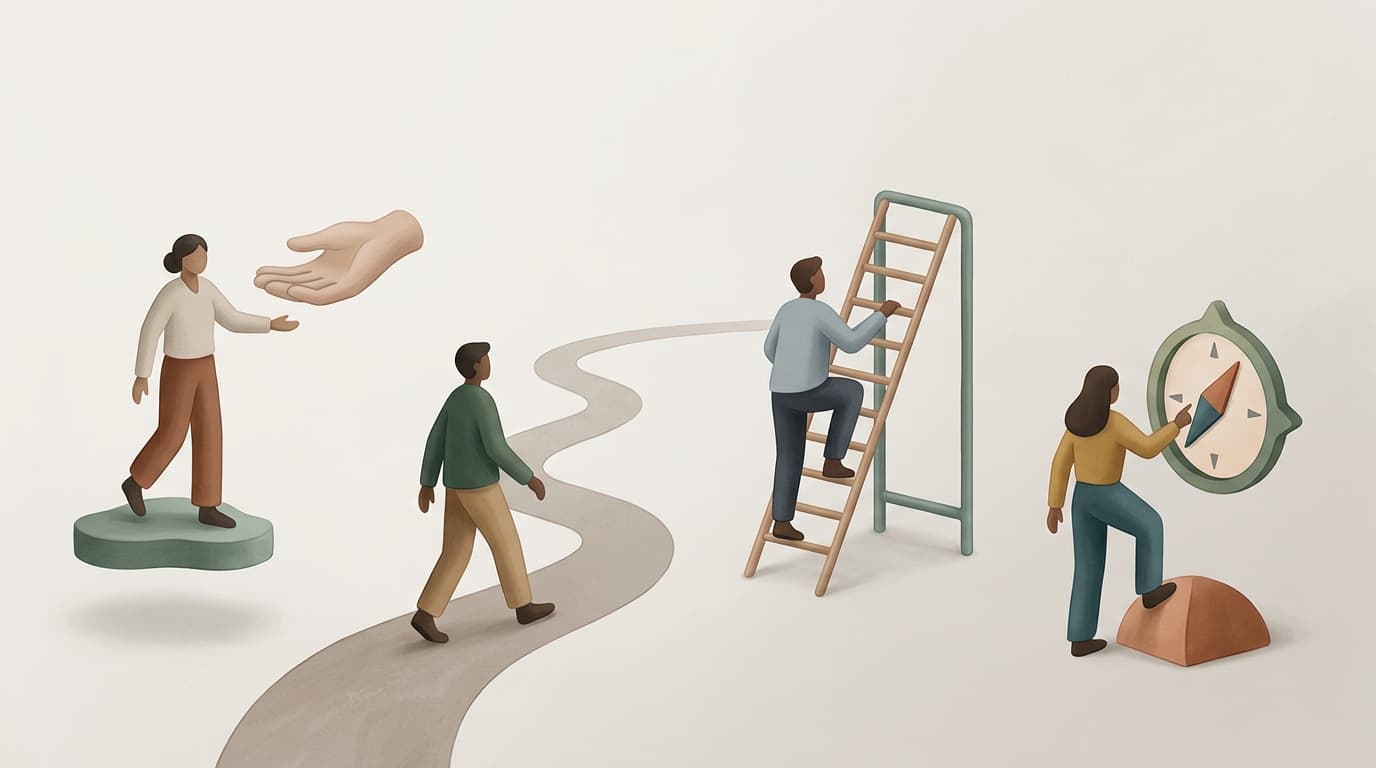
Serious discussions of happiness tend to fall into a few clusters. Think of them as different targets people accidentally pack into one word.
Feeling good more often This is the intuitive sense, more pleasant emotions and fewer unpleasant ones. If this is your aim, a happier life looks like more moments of ease, affection, amusement, calm, gratitude, or simple relief. Those things matter, but emotions are reactive. They respond to sleep, stress, money, illness, and conflict. If you only treat happiness as "feeling good," you risk treating normal emotional signals as personal failure. A hard week may not mean you are doing life wrong, it may mean your system is responding to real load.
Being satisfied with your life This is a reflective judgment, a view of your whole life rather than the weather of a day. Life satisfaction asks, when you step back, do you like the life you are living? It depends on what you think your life is for, what you compare it to, and whether your sacrifices feel chosen. You can have many pleasant moments and still feel unsettled, or you can have a difficult season and still endorse the overall direction of your life.
Living with meaning and value Meaning is not only big purpose. It is often concrete, being needed, contributing, learning, caring for someone, practicing a craft, or belonging to a community. Meaning gives a steadiness that makes some discomfort feel worthwhile. If you have ever thought, "This is hard, but it matters," you have noticed how meaning differs from pleasure.
Flourishing over feeling A philosophical view treats happiness as doing well as a person, not just feeling good. Traditions vary on what "doing well" requires, but the common idea is that happiness is linked to how a life is lived. You can feel good while drifting from your values, and you can feel strained while becoming someone you respect.
Why happiness is multiple
If happiness were a single dial, one technique would raise it. In reality it behaves like a dashboard with different indicators that influence each other. Here is a simple model you can use without jargon.
Your mind runs three basic checks, Am I safe enough right now? Am I making progress or falling behind? Am I accepted or at risk of rejection? When those checks return "good enough," your attention can broaden. You notice opportunities, you play, you connect, and you learn. When they return "not okay," your focus narrows, and attention shifts toward threat, self-protection, or numbness.
Stress is not only a feeling, it is a body and attention state that changes priorities. Chronic stress narrows attention and makes it hard to invest in the future. That is one reason happiness is difficult to sustain under ongoing strain.
Positive emotion has a function, it expands what you notice and makes it easier to build resources over time. When you feel safe enough, you explore, connect, and learn. Those behaviors create real assets, friendships, skills, confidence, health habits, and problem-solving capacity. In practice, chasing positive emotion directly can backfire. Positive emotion often arrives as a byproduct of conditions rather than as something you can force.
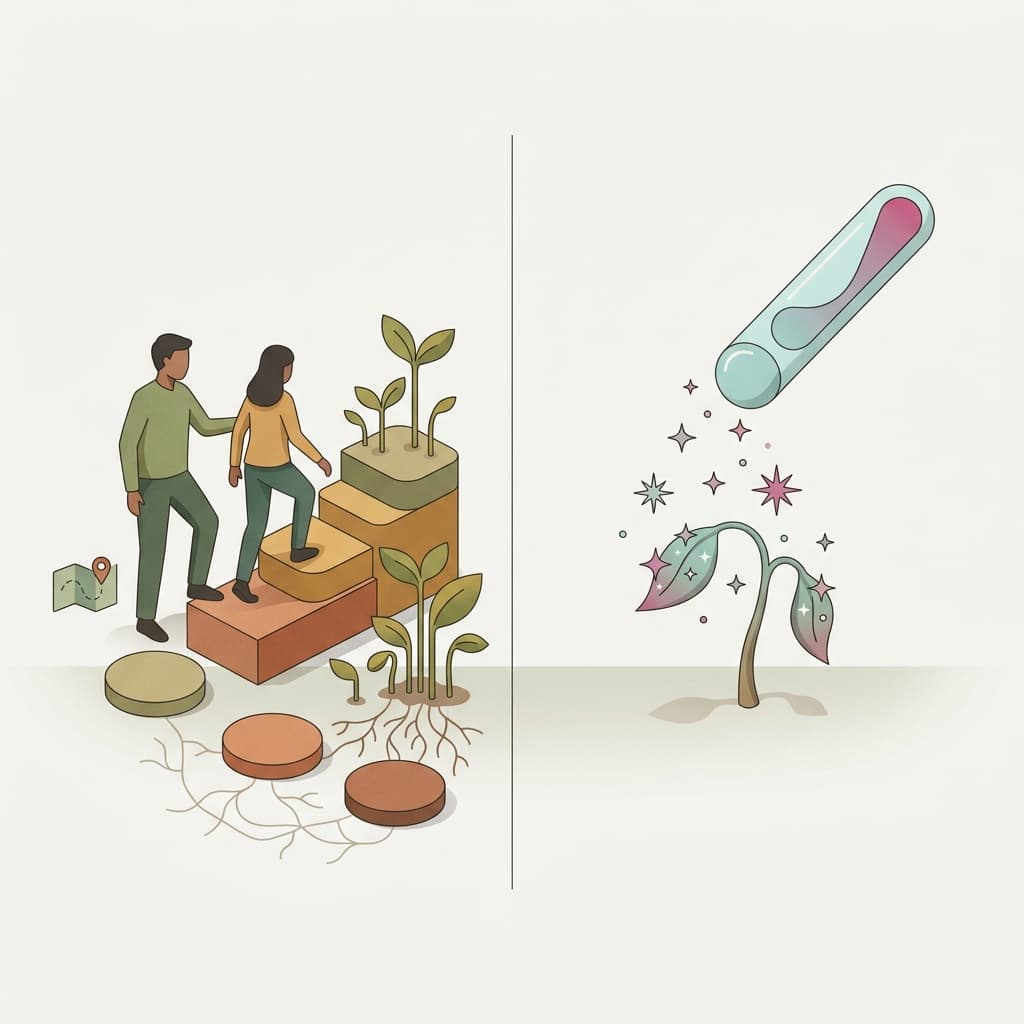
Some parts of happiness are more stable, and some are trainable. People differ in baseline mood tendencies that can be persistent. Circumstances also matter, sometimes more than people expect, especially over years. And patterns you practice, such as how you focus attention, whether you ruminate, or how you invest socially, can change. The point is not to reduce happiness to a formula. It is to reduce self-blame. If you treat happiness as purely mindset, you risk blaming yourself for structural problems. If you treat it as purely circumstances, you ignore the agency you do have.
How to clarify your aim
A practical way to cut through the fog is to answer three specific questions in concrete terms.
What do I want more of? Not in a perfect vacation week, but in an ordinary week. Do you want calmer mornings, more laughter, longer stretches of focused work, more affectionate connection, more energy, or more pride at day end? Name the "more of" specifically. Without it, happiness stays abstract and you will keep looking for universal solutions that do not exist.
What do I want less of? This is not just "less discomfort." Aim at patterns you want to interrupt, for example less spiraling, less avoidance, less resentment, less constant comparison, less social depletion, or less late-night doom-scrolling. These are cycles you can often change, even when your circumstances remain the same.
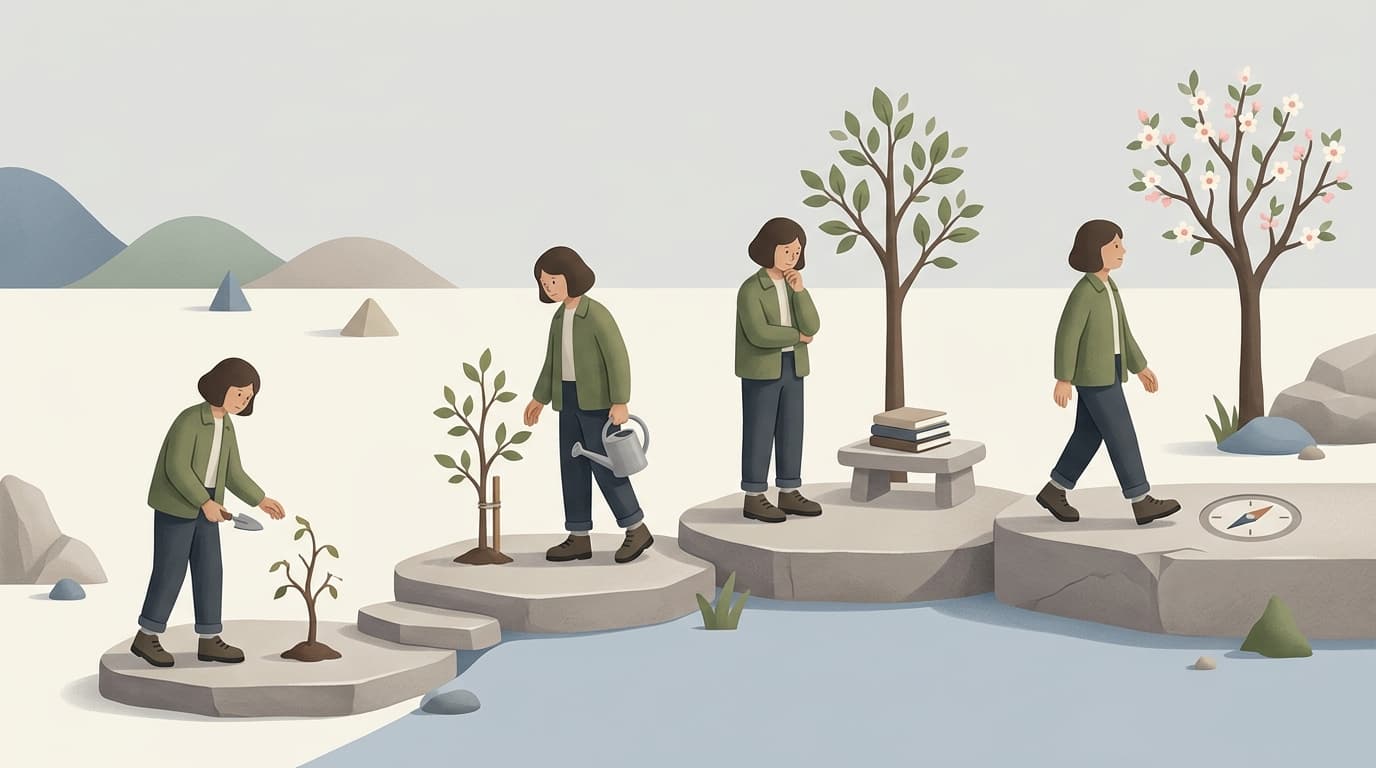
What would be different in six months? This question moves you from mood-tracking to life-shaping. Would your relationships look different? Would your calendar change? Would your body feel different? Would you trust yourself more, have fewer open loops, or be more engaged with something you care about? A clear picture of six months later helps you distinguish between wanting relief, wanting alignment, wanting meaning, or wanting growth. Each requires different moves.
Common traps
Expecting happiness to be permanent Even strong well-being has rhythms. Good lives have dips. Expecting a constant high level of pleasant feeling sets an impossible standard.
Assuming happiness is always additive Sometimes being happier means subtracting, fewer obligations that do not matter, fewer relationships built on performance, or fewer private rules you never consciously chose.
Confusing happiness with numbness If your goal is never to feel upset, you can build suppression instead of resilience. That may feel stabilizing short term, but it often costs intimacy, spontaneity, and self-trust.
Mistaking mood for meaning Feeling better this week is not the same as life satisfaction or long-term alignment. Both are important, but they need different checks and different actions.
A usable definition
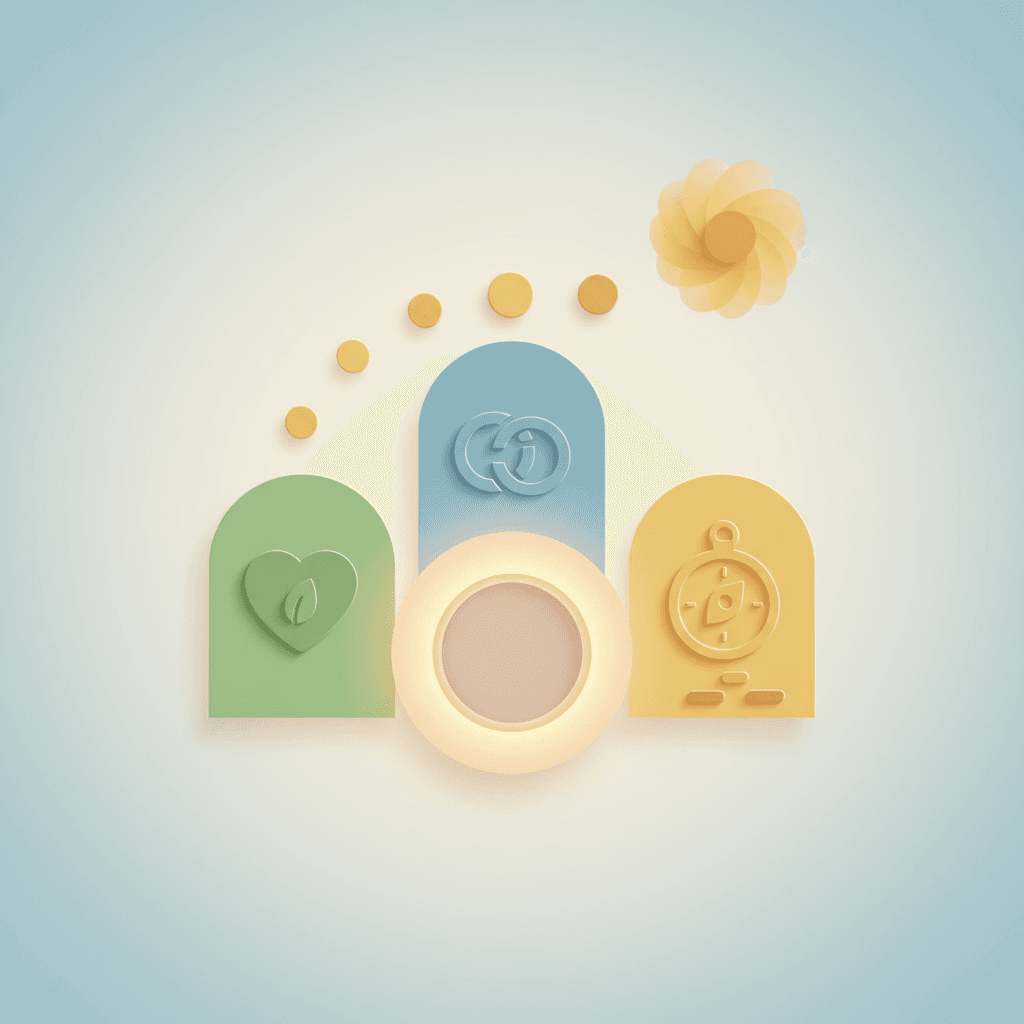
Being happier usually means some combination of the following:
- more frequent or more accessible positive emotion,
- less time trapped in unhelpful negative cycles,
- higher life satisfaction when you zoom out,
- a steadier sense of meaning and value,
- enough safety and belonging to be open and engaged,
- sometimes, a psychologically richer life, even if it is not always comfortable.
The practical shift is to stop treating happiness as one vague promise and to treat it as a clearer aim. Instead of asking, "How do I become happier forever?" ask, "Which dimension of happier am I trying to change right now, and what would count as progress in real life?" If you can answer that, you are no longer chasing a feeling. You are shaping a life.
And self-reflection apps like Mendro can support that process by helping you track what "happier" actually looks like for you over time, feelings, patterns, meaning, and choices, so your progress becomes visible and your next steps get clearer.