
Not equal time
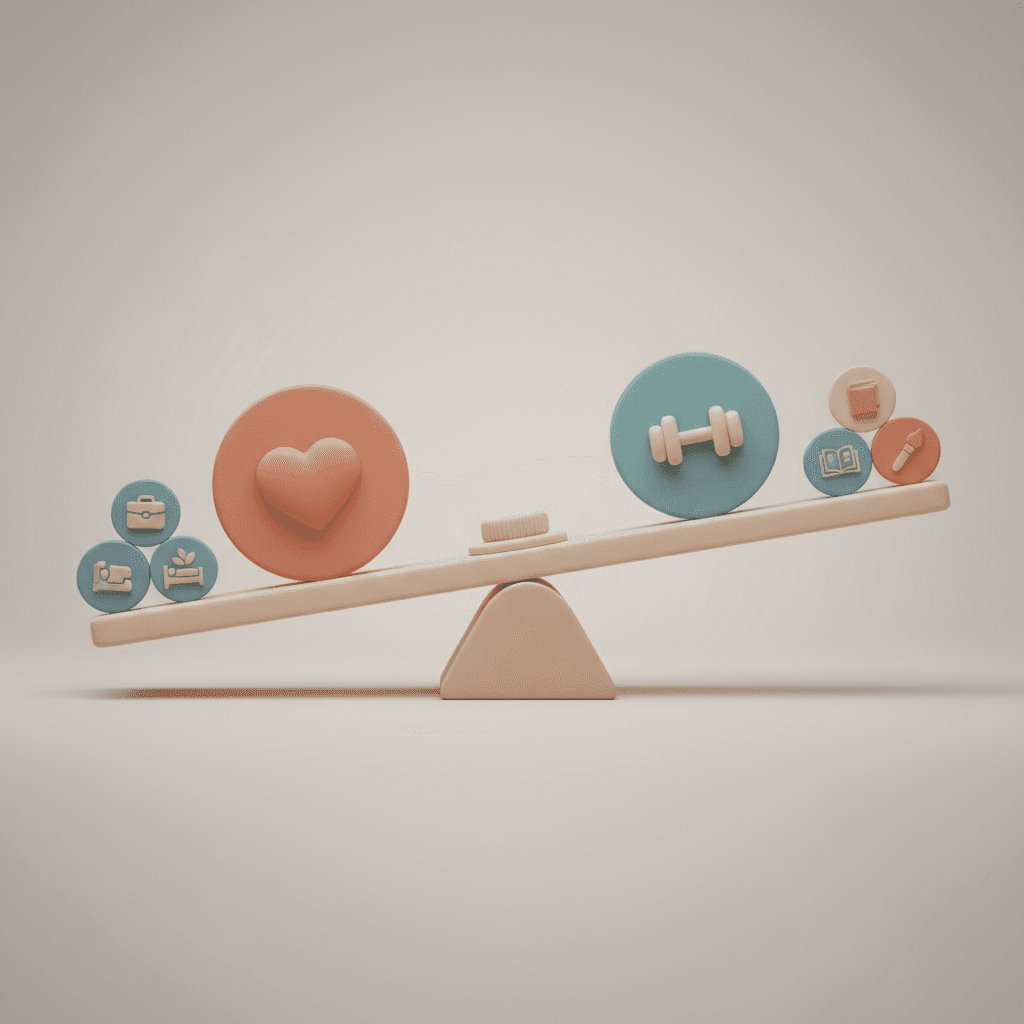
When people say they want balance in life, they often picture a fantasy: work has its lane, relationships have theirs, health has its lane, and everything gets split fairly.
Real life rarely works that way. Some seasons demand more work. Some require extra caregiving. Some need recovery. If you measure balance by whether every area gets equal attention each week, you will almost always feel like you are failing.
A more useful question is this: what would it mean to feel steady while life remains uneven? That shift reframes balance from a fixed destination to an ongoing process.
Balance as regulation
At its core, balance is a form of regulation. Regulation means noticing change and responding so you remain in a workable range. Your body does this constantly. If you get too warm, you sweat. If you get too cold, you shiver. The point is not to freeze the environment, it is to keep your system functional.
Psychological regulation works the same way. When demands rise, you need more recovery. When roles expand, you need clearer priorities. When social connections strain, you need repair, not just productivity. When meaning fades, you need realignment, not more optimization.
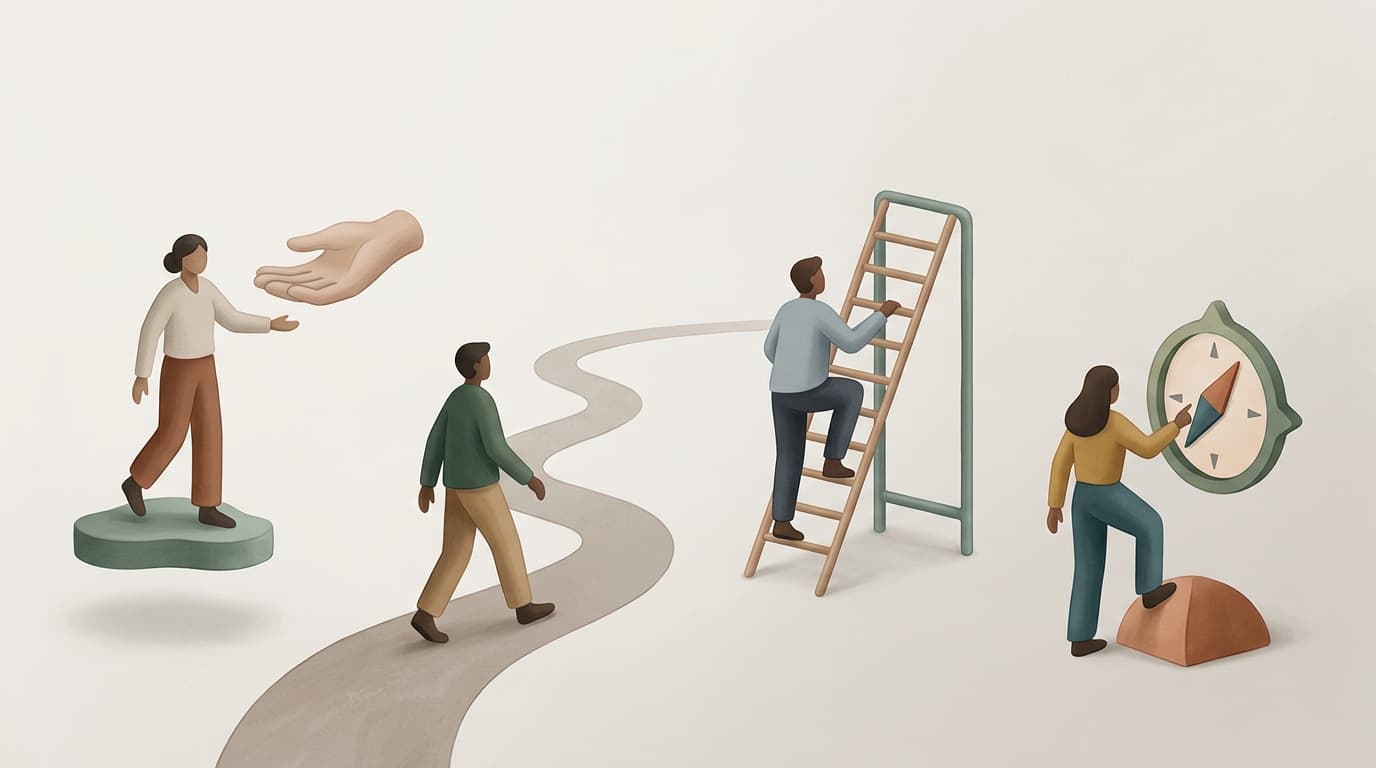
A simple causal chain explains the mechanism: life shifts, you notice signals, you respond, and your system returns to a workable center. Because the world keeps changing, this returning process must repeat. That is why balance often feels temporary, it is supposed to move.
If you want a working definition, try this: balance in life is your ability to stay resourced and aligned while circumstances keep shifting.
Why perfect balance appeals
The idea of perfect balance is emotionally soothing because it implies three comforting things: life can be made stable, planning can prevent tradeoffs, and stress means you did something wrong.
But stress is not always a sign of failure. Sometimes it is the cost of caring. Sometimes it is the uncomfortable stretch of meaningful growth before you adapt. The important question is whether strain comes with enough recovery, support, and agency to remain sustainable.
Many people try to remove all tension rather than learning which tensions are worth holding. That is what makes perfectionism with balance so exhausting.
Balance as flourishing
A common misconception is that balance equals constant happiness. In practice, balance looks more like flourishing over time. Flourishing includes disappointment, fatigue, conflict, and grief, because those experiences are part of a full life.
Balance points less to mood and more to practical qualities: stability over time rather than a stable day, meaning rather than momentary relief, relationships that can carry weight rather than just social time, and competence, the sense you can handle what is on your plate.
When you are resourced, connected, and clear about what matters, your work often improves as a side effect. You make better tradeoffs, recover faster, and avoid swinging between overcontrol and collapse.
Four revealing questions
If balance is regulation plus alignment, you need simple ways to check it without turning life into a spreadsheet. Try these four questions across the main areas of your life: work, health, relationships, inner life, and responsibilities. Answer them quickly and honestly.
Are you meaningfully involved?
Involvement is not hours spent. It is whether you are present enough to notice that something matters. You can be technically everywhere and still be psychologically nowhere.
Do you feel competent enough?
Competence does not require mastery. It is the baseline sense, I can handle this. When competence drops in multiple areas, life feels like constant catching up, which often registers as imbalance even if your calendar looks full.
How does it feel in your body?
The body usually shows imbalance first. Sleep quality, irritability, appetite changes, chronic tension, and a wired tired feeling are signals that your system is spending more than it is replenishing. These are not moral failures, they are prompts to respond.
Does your week reflect your values?
This is an alignment test. If your stated values and your regular allocations disagree, you will feel friction. That friction shows up as guilt, restlessness, or the sense that you are living someone else’s priorities. Balance is not doing everything, it is choosing what gets to be true.
What disrupts balance
People often assume loss of balance means they became disorganized. Sometimes that is true. But many disruptions are structural.
When roles multiply, switching costs rise and attention fragments, so you feel behind everywhere. When recovery shrinks, baseline stress increases and small problems feel large. When control drops, even enjoyable tasks can feel suffocating, because agency matters. When meaning is missing, you can have plenty of leisure and still feel off.
None of these signals that you are doing life wrong. They mean the system needs a new configuration.
A steadier definition
If you let go of the fantasy version of balance, a calmer idea appears. Balance in life is dynamic, personal, seasonal, and felt. Different people have different capacities and values. The same life can require different tradeoffs at different times. Your nervous system will often notice overload and recovery before your intellect does.
Instead of asking, Is my life balanced? try asking, Is my life self-correcting? A self-correcting life is one where you notice drift and have realistic ways to return, not to perfection, but to a workable center.
Practice without chasing
Pick one domain that feels slightly off. Not the most dramatic one, just the one that keeps tugging at you. Then do three small reflections.
-
Name the tradeoff you are making. Be concrete. For example, I am trading sleep for late-night alone time, or I am trading exercise for childcare logistics.
-
Decide if the tradeoff is temporary or accidental. Temporary tradeoffs can be acceptable. Accidental tradeoffs quietly become identity.
-
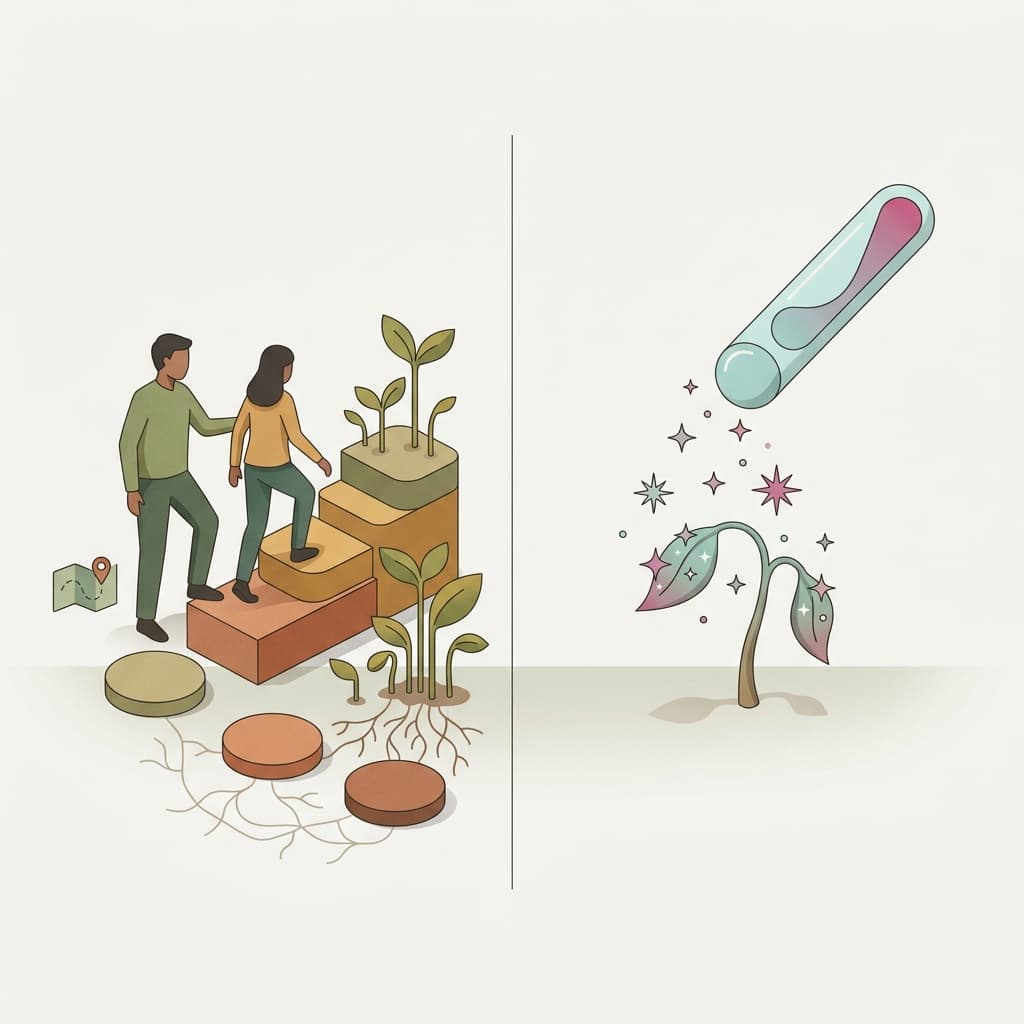
Make one small adjustment that increases recovery or alignment by about five percent. Not a reinvention, a nudge. Try an earlier bedtime twice a week, a protected lunch, a firmer boundary on one recurring meeting, or a real conversation you have been delaying.
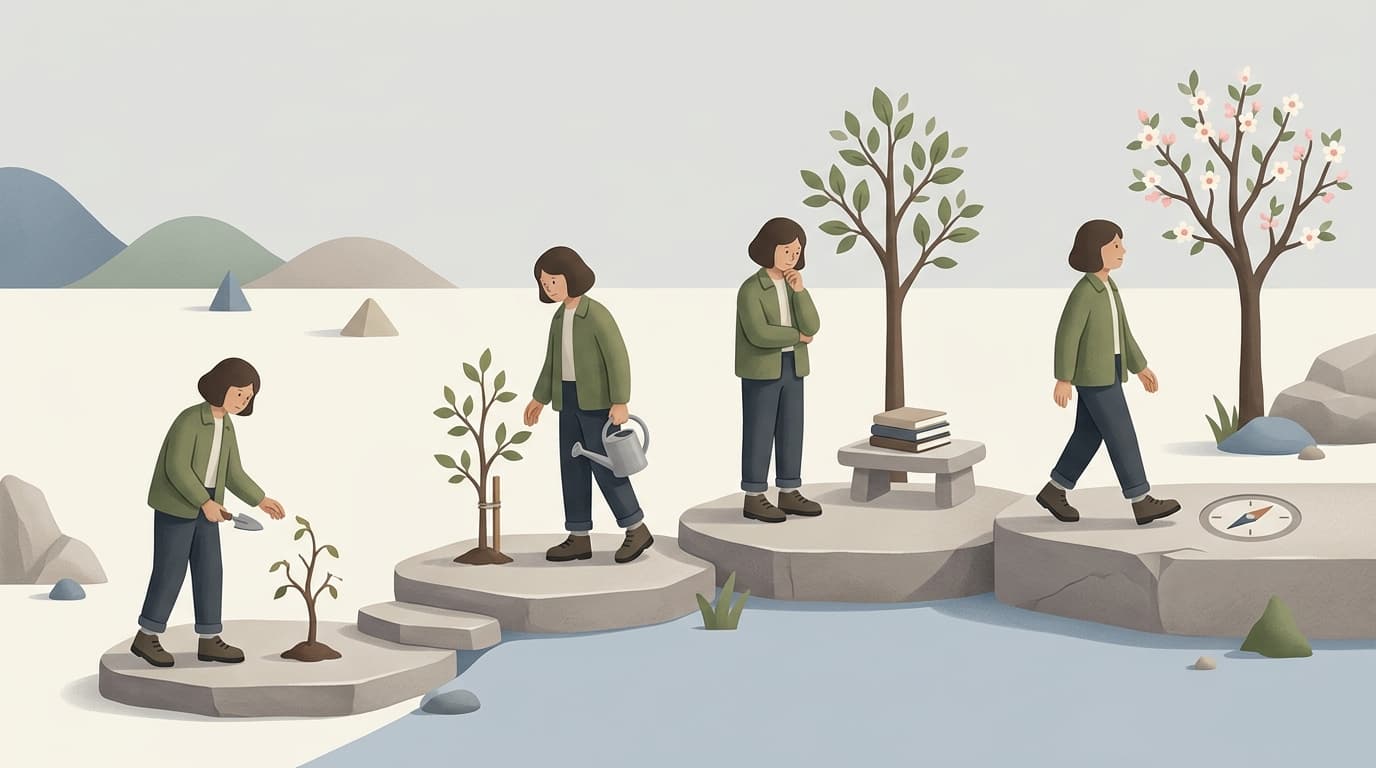
Balance rarely arrives as a breakthrough. It usually returns through a series of small corrections.
Limits and cautions
There is no single universal definition of life balance. Frameworks are shaped by culture and context, and they are not one-size-fits-all.
Two cautions help keep the idea useful. First, do not use balance as a stick to punish yourself. In caregiving seasons, health crises, or financial strain, the goal is support and sustainability, not symmetry. Second, do not confuse balance with avoidance. Sometimes the discomfort you want to eliminate is part of growth, grief, or necessary conflict. A balanced life still contains hard things. It simply contains enough resource to face them.
The quiet point
Balance in life is not a finished arrangement. It is an ongoing relationship with change. You are balanced when your life can bend without breaking, when your weeks reflect your values often enough to feel like yours, and when you can work, love, rest, and recover in ways that hold over time.
A simple sign you are moving in the right direction: you feel less like you are constantly compensating, and more like you are deliberately choosing.