

Mental health day: what it is, when to take one, and how to plan it
You sit down to work, or schoolwork, and nothing is “on fire,” but your brain feels stuck. A small message irritates you. You reread the same sentence five times. You try taking a break, but you don’t come back feeling better, you come back feeling behind.
That’s often when people search for “mental health day.”
A more helpful question than “Do I deserve a day off?” is this, is my stress system overloaded, and would a short, intentional reset help me function better again?
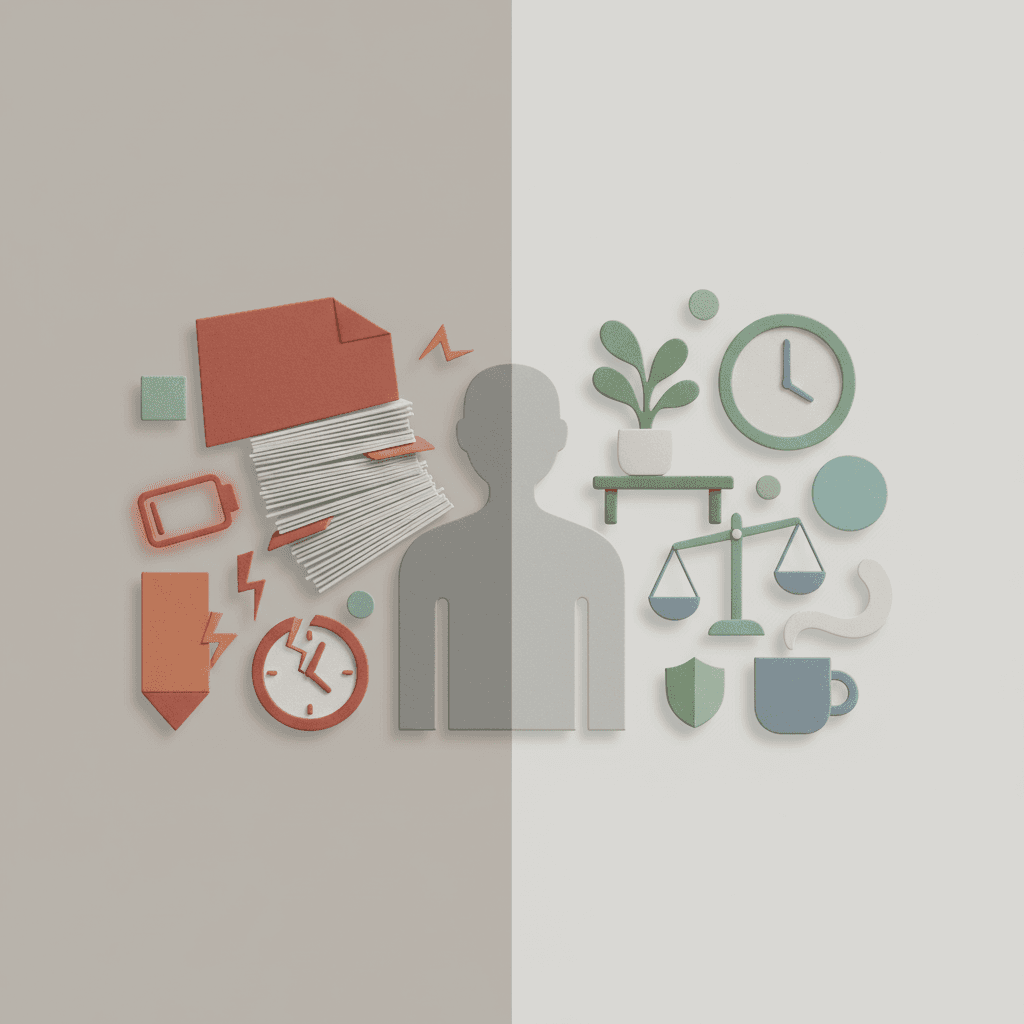
A mental health day is a short, planned break from your usual responsibilities, work, classes, caretaking tasks when possible, with one goal, lower your stress load and support recovery so you return with more capacity. In other words, a day off is time away from obligations, a mental health day is time away with a recovery plan.
It’s also helpful to name what a mental health day is not. It’s not a substitute for professional care if you’re in crisis, unsafe, or having thoughts of self harm. It’s not a productivity hack where you secretly try to catch up on everything. And it’s not automatically restorative just because you stayed home, if the day turns into doomscrolling plus guilt, it often increases stress.
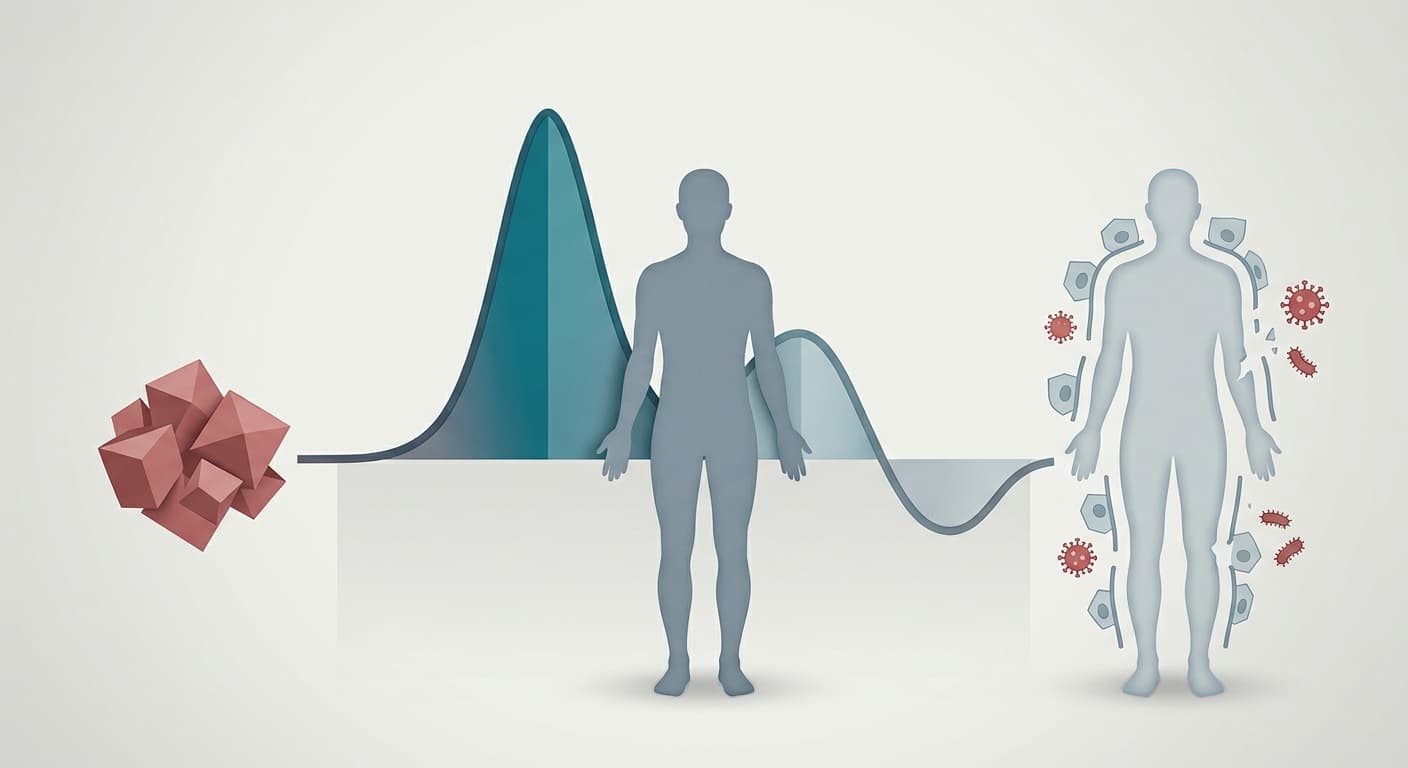
Why can a day off help at all? When stress stays high for too long, your body can remain in a high alert state, tense muscles, racing thoughts, irritability. In that state it’s harder to focus, regulate emotions, sleep deeply, and make steady decisions. A mental health day works best when it interrupts the cycle long enough for your system to downshift, especially if you choose activities that support regulation like sleep, movement, daylight, connection, and lower stimulation.
So when should you actually take one? You don’t need to wait for a breakdown. Mental health days tend to work better earlier, when your system is overloaded but not completely depleted.
A common sign is that your reaction to “small stress” becomes huge. Minor emails feel threatening, you snap at people you care about, you feel tense even when nothing is happening. That matters because it’s often overload, your nervous system is reacting as if everything is urgent.
Another sign is that you’re “working” but not really functioning. You can’t start tasks, you keep switching tabs, you avoid anything that requires deep focus, you spend the day reacting instead of doing. This isn’t laziness, it’s often what cognitive overload looks like.
You might also notice that rest doesn’t restore you anymore. You sleep but wake up tired, weekends don’t reset you, breaks turn into scrolling and you feel worse afterward. That usually means you need lower input recovery, not more entertainment.
Your body can send signals too, headaches, stomach tension, jaw clenching, tight chest, shallow breathing, frequent colds or feeling run down, trouble falling asleep or staying asleep. A mental health day can be one way to stop treating those signals as background noise.
And if you keep telling yourself “I just have to push through,” treat that as data. Pushing through once in a while is normal. If you’ve been saying it for several days in a row, you’re likely running on empty.
If you decide to take the day, the biggest factor is boundaries. A mental health day is most restorative when your brain isn’t half “on duty,” so aim for clean, simple communication.
For work, you usually don’t need to share details. You can say, “Hi [Name], I’m not feeling well today and I’m taking a sick day. I’ll be back [day, date].” If it helps reduce anxiety, add a brief coverage note, “I’m out sick today. [Project X] is up to date. If something urgent comes up, [colleague] has the latest.” An out of office can be just as simple, “Out sick today with limited access. I’ll respond when I return on [date].”
For school or university, email early, and ask one concrete question so you’re not carrying the uncertainty all day, for example, “Hi [Name], I’m not well today and need to take the day to recover. What’s the best way to catch up on today’s material? I can submit [assignment] by [date].”
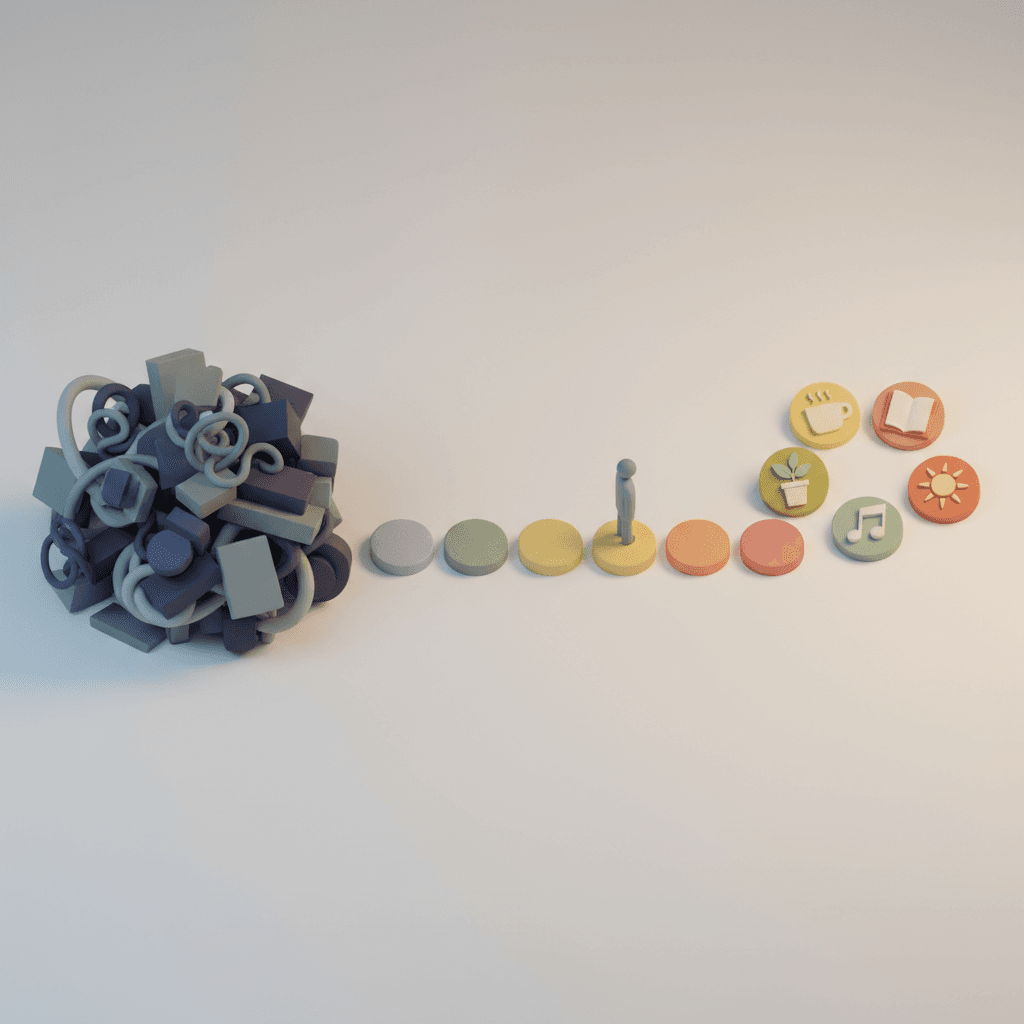
Now the part that makes the day actually help, a plan that is small enough to follow. A good mental health day usually has two ingredients, one real downshift, where your stress system calms down, and one small anchor, so the day doesn’t disappear into avoidance.
Start the morning with a downshift for 60 to 120 minutes. Choose one, sleep a bit more if you’re sleep deprived, slow breakfast and no phone for 30 minutes, a shower and clean clothes as a “reset” signal, or 10 minutes of journaling.
In the middle of the day, add gentle movement plus daylight for 20 to 40 minutes. Think walk outside, easy stretching, a low intensity yoga video, or a light bike ride. This is not a performance workout, the goal is a state change.
Then do one supportive task for 10 to 30 minutes, maximum. Pick something that reduces tomorrow’s stress without becoming a project, reschedule one appointment, tidy one surface, make one simple meal, pay one bill, write a short plan for tomorrow. Stop when the timer ends.
In the afternoon, choose one or two recovery activities that feel genuinely regulating, not numbing, like a short nap if it doesn’t ruin your sleep, reading something easy, doing something with your hands like cooking, drawing, a puzzle or a craft, meeting one safe person for a short coffee or walk, or attending a therapy session if you already have one.
In the evening, protect sleep. Lower screens for 60 minutes before bed, or at least reduce brightness and intensity, take a warm shower or bath, and write down tomorrow’s first tiny step so you don’t spiral at night.
If you want to use Mendro for a quick self reflection loop, keep it concrete. Ask, what are my top three stressors right now, be specific like “messages after 7pm” or “too many errands.” What did my body signal this week, headaches, tension, sleep changes, appetite changes. What restored me even 5 percent today, a walk, sunlight, a cleaner space, talking to a friend. And what boundary would make tomorrow 10 percent easier, for example, no email before 9am, one meeting free hour, phone in another room for 30 minutes.
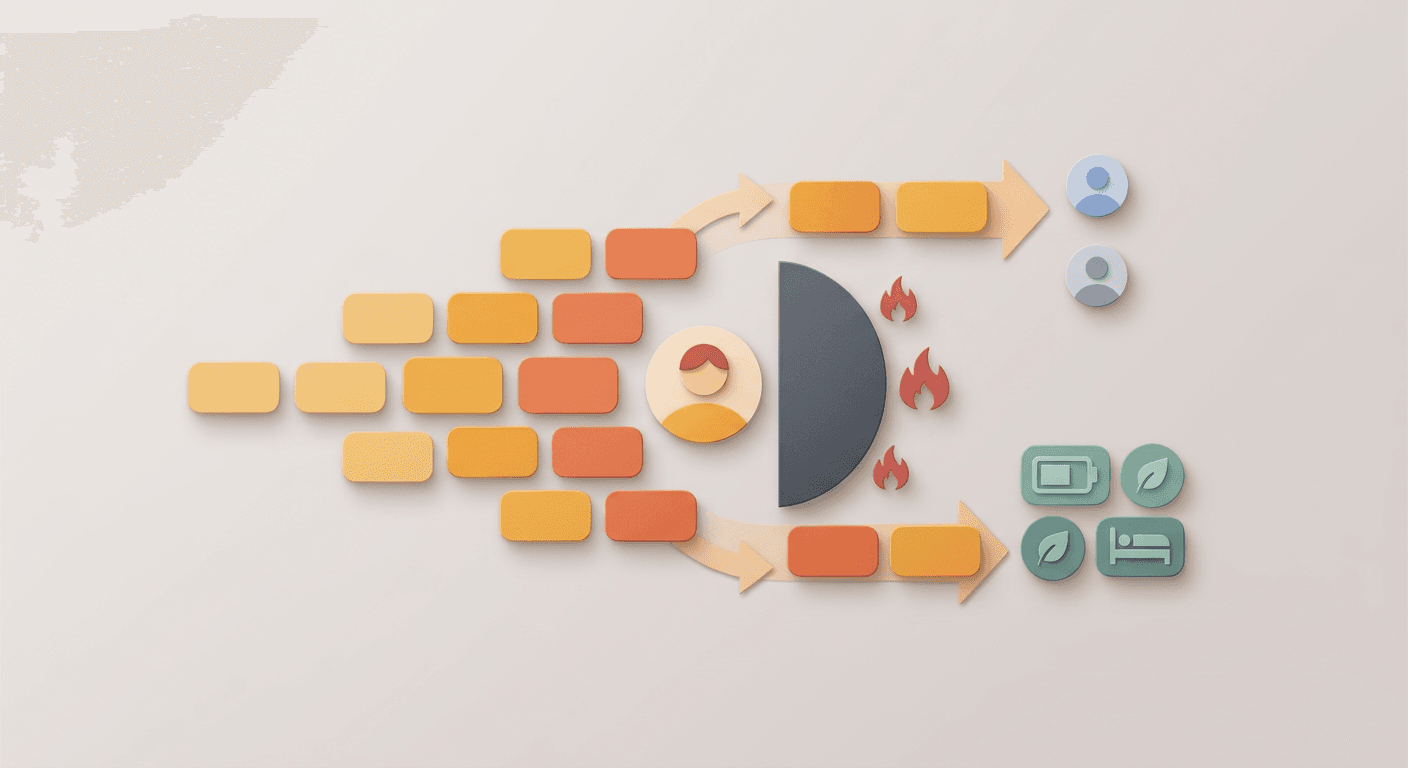
A few common traps can quietly undo the benefit. Try not to turn the day into a catch up marathon. If you spend the day doing stressful tasks, you didn’t reduce load, you just changed the location. Try not to let the day dissolve into unlimited scrolling either. Scrolling isn’t “bad,” but hours of high input content often keeps the brain activated. If you use your phone, put it in a container like 20 minutes then a walk, or one episode then lunch. Also avoid making big life decisions in peak stress, when you’re overloaded everything feels more extreme. And if isolation is part of your stress loop, consider one low pressure touchpoint instead of a full solo day, a short call, or a short walk with someone safe.
How do you know if it worked? Success doesn’t have to mean you feel amazing. Look for quieter urgency, a bit more clarity about what’s draining you, one doable next step, slightly better sleep, or less tension in your body. Sometimes the win is simply that you stopped the spiral early.
One important note, a mental health day is not enough if you feel unsafe, are thinking about self harm, can’t function for days at a time, or your symptoms are severe. In that case, reaching out to a licensed professional, or local emergency resources, is the safer next step.
A mental health day, summarized, is a planned pause that reduces stress load and supports recovery. The best time to take one is often before you hit the breaking point. And the best way to spend it is not “do nothing,” but do less on purpose, one downshift, one anchor, and fewer inputs than your nervous system has been drowning in.