
Resilience is a skill
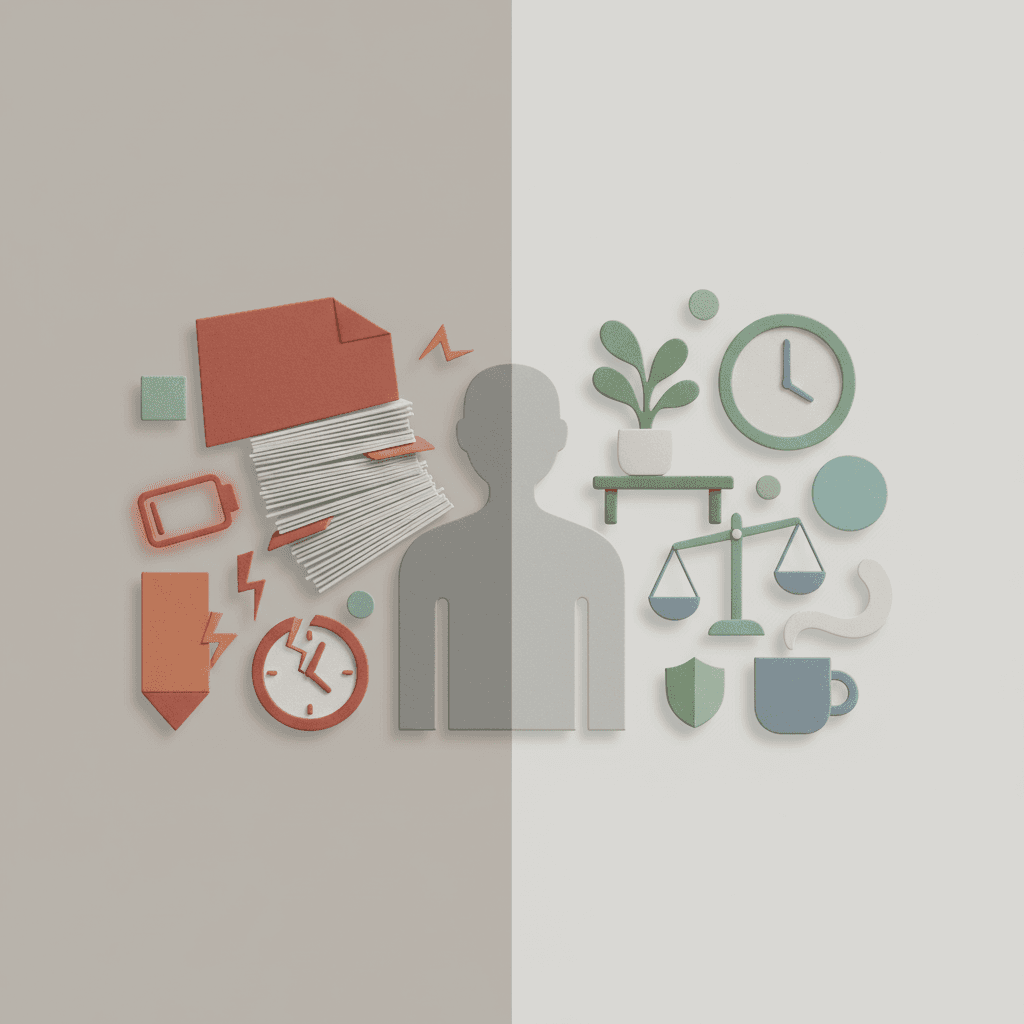
When people say, "I’m just not resilient," they usually mean something narrower, "Stress knocks me off balance and I do not know how to get back." That is a skills problem, not a character flaw.
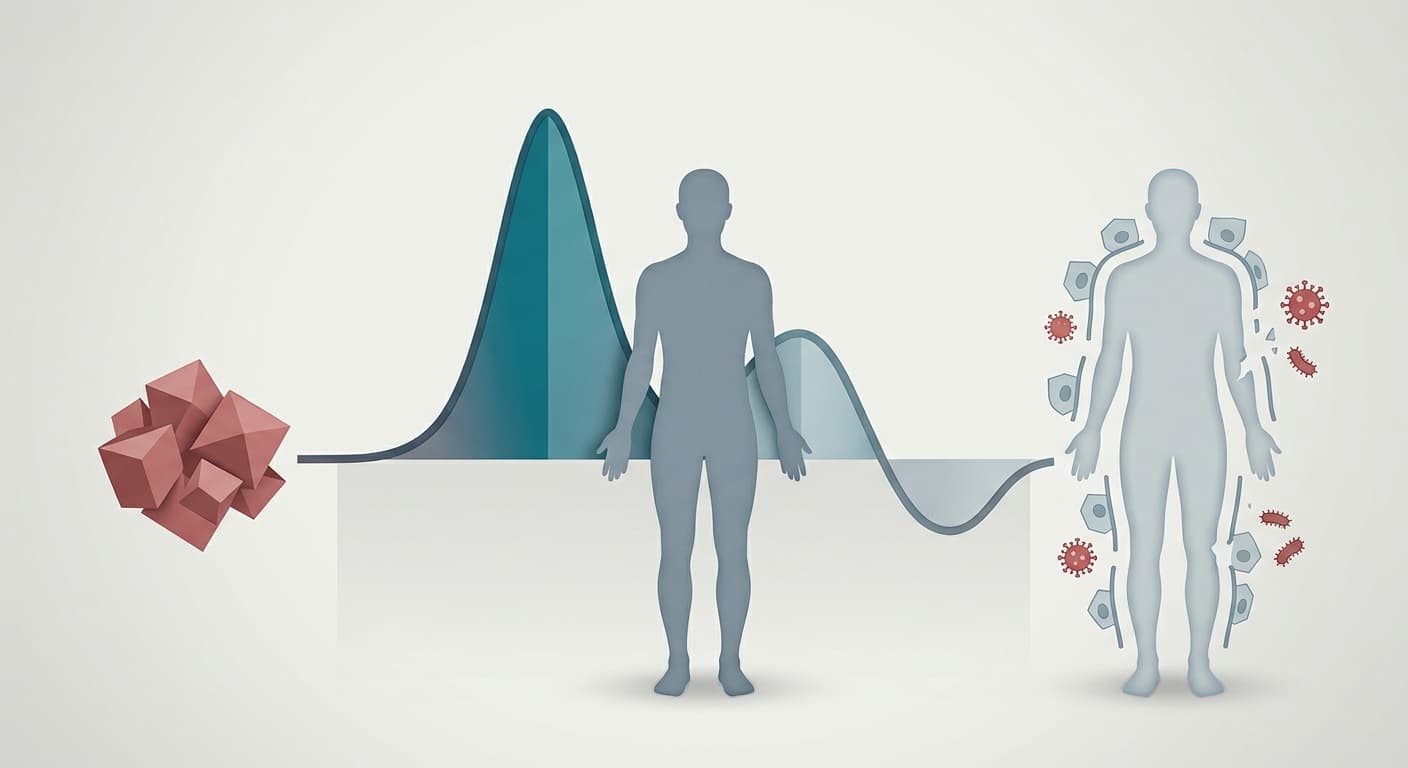
Resilience to stress is basically two things. One, how strongly your system reacts and how quickly it returns to baseline. Two, how flexibly you can act when the situation is uncomfortable, uncertain, or disappointing.
The good news is resilience can be taught. Trials of resilience programs find moderate benefits from approaches that mix mindfulness, cognitive tools, emotion regulation, and practical routines. Those programs are not magic. They are collections of repeatable skills you can practice.
What stress does
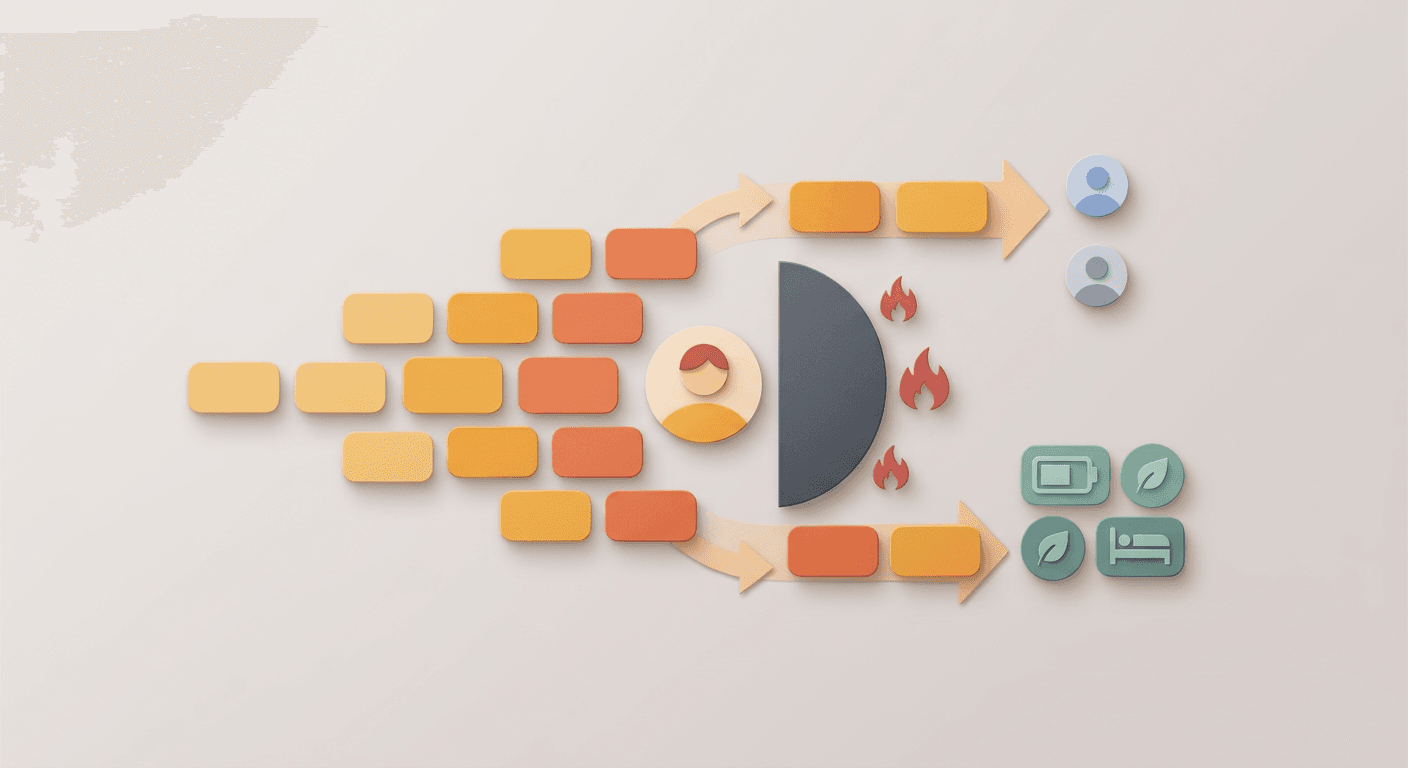
Stress is not only a feeling. It is a whole-body state change. When the brain predicts threat or overload, it shifts priority toward fast protection and away from slow, careful thinking. Several things often happen at once:
- Attention narrows. You become more vigilant for problems and less able to notice nuance.
- Body signals ramp up. Heart rate, muscle tension, breathing, and stomach sensations change.
- Thinking grows rigid. You may jump to extremes, catastrophize, or replay a worry loop.
- Behavior becomes automatic. You might rush, avoid, snap, scroll, or overwork without thinking.
Resilience is not about never feeling these reactions. It is about noticing them earlier, reducing their intensity faster, and choosing responses that match your values rather than your reflex.
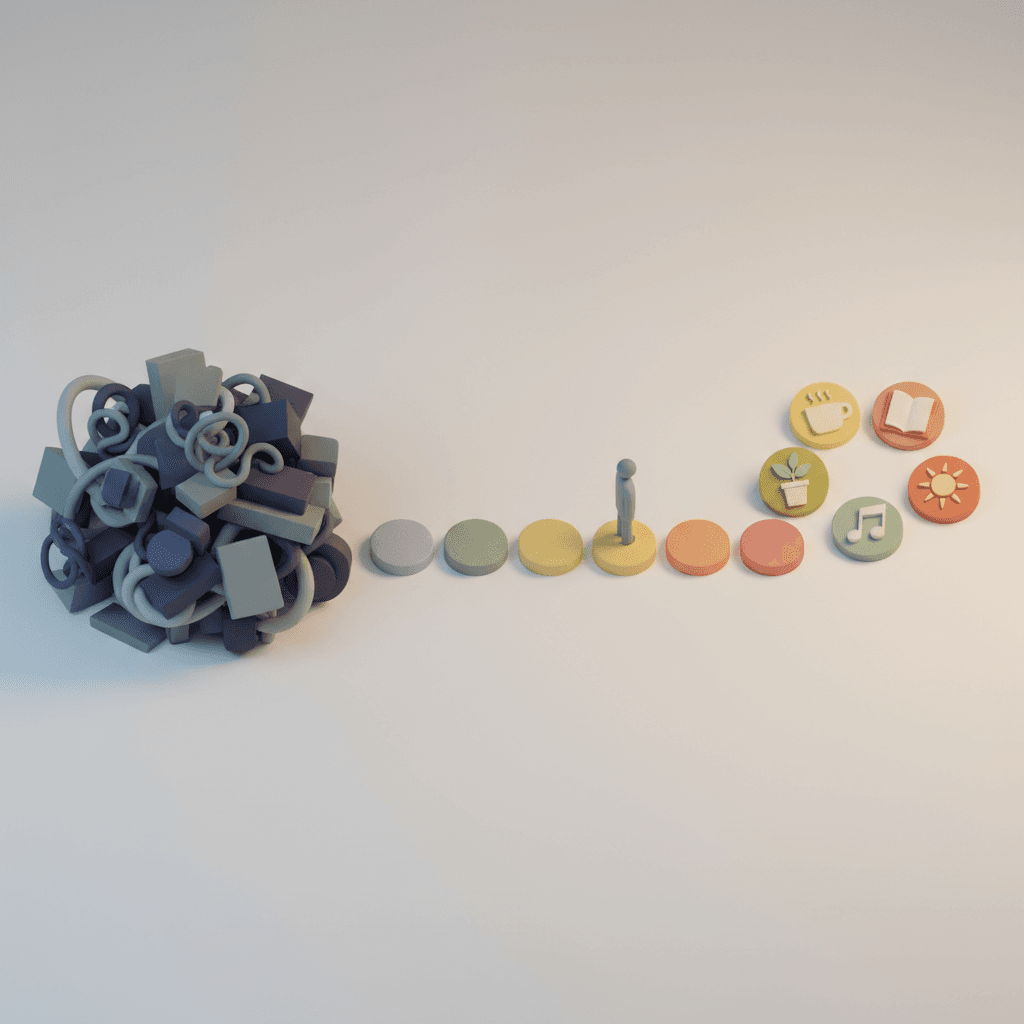
A useful model is to build resilience across three time frames: before stress, during stress, and after stress. Before, strengthen baseline capacity. During, interrupt escalation and stabilize. After, recover and learn.
Daily resilience skills
You do not need a long routine, you need a few repeatable moves. Below is a simple daily structure drawn from CBT, mindfulness, and mixed resilience programs: awareness, regulation, reframing, and small, purposeful action.
Skill 1: Name early signals
Resilience often fails at the earliest step, because many people notice stress only once it becomes unignorable. A quick 30 second scan helps you catch stress sooner.
Ask yourself three simple questions: Where is tension in my body? What is the loudest thought? What urge do I have to act right now?
This is measurement, not rumination. If your early signal is "tight chest and rushing thoughts," you can intervene earlier than if you wait for "I’m overwhelmed and angry." If you journal, keep it tiny: one sentence for body, one for mind, one for urge. Short notes help you see patterns over time.
Skill 2: Downshift in two minutes
When stress is high, reasoning is a weak lever. The body is a stronger lever. Pick one practice and repeat it so it becomes available under pressure.
A. Longer exhale breathing
Breathe normally, then exhale a little longer than you inhale. Do six to ten cycles. You are not trying to force calm. You are giving your nervous system a clear signal that it can reduce alertness.
B. A short body scan
In 90 seconds, check five spots: forehead, jaw, shoulders, belly, hands. At each spot notice sensations, soften slightly, then move on.
C. Grounding through the senses
Name five things you can see, four you can feel, three you can hear, two you can smell, one you can taste. This shifts attention from mental replay to the present.
These are micro-recoveries. Repeating them lowers the fear of stress because you repeatedly prove you can shift your state.
Skill 3: Reframe the situation
Under stress the brain often blends what happened, what it means, and what it says about you. CBT-style reframing helps separate those parts so you can act more clearly.
Try a short four-step frame, written or spoken: Fact, Story, Alternative, Next Step. State the fact without interpretation. Notice the story your mind is telling. Offer one other plausible explanation. Pick one small action that helps, even if the story were true.
Example: Fact: My manager asked for a quick meeting. Story: I’m in trouble. I’m failing. Alternative: It might be a routine check-in or they need information. Next step: Prepare three bullet points on current work and two questions.
This does not force optimism. It restores range and gives you a usable next move.
Skill 4: Approach in small doses
Avoidance teaches the brain that discomfort is dangerous. A resilient pattern is gradual approach. You do short, manageable exposures so your system learns, "This is uncomfortable, not catastrophic."
Keep it small and daily. If you avoid sending messages, send one imperfect message. If starting a task feels hard, do two minutes of it. If you avoid a difficult conversation, practice one clear sentence: "Here’s what I need."
The goal is not to brute-force everything. It is to reduce the number of times your automatic answer is escape.
Skill 5: Close with evidence
Chronic stress feels worse when it seems endless. Building self-efficacy is one of the strongest resilience levers. At the end of each day ask, "What did I do today that helped, even a little?" Keep answers behavioral. For example: "I took a walk." "I asked for clarification." "I paused before replying."
Collecting these small receipts builds confidence over time. If you use a tool like Mendro, a short record of early signals and helpful actions can make patterns visible without extra effort.
A calm daily routine
Think in three short anchors, not a long checklist. The point is repetition, not perfection.
Morning, two minutes
Name your baseline signals. Choose one likely stressor. Pick one skill you will try if it appears.
Midday, two minutes
Do a downshift practice, breathing, a short body scan, or grounding. Ask, "What is the next small helpful action?"
Evening, two minutes
Write one reframe you used. Write one small behavior that helped.
Missing a day does not break the work. Resilience grows from repeated, ordinary moments, not from perfect routines.
What this does not solve
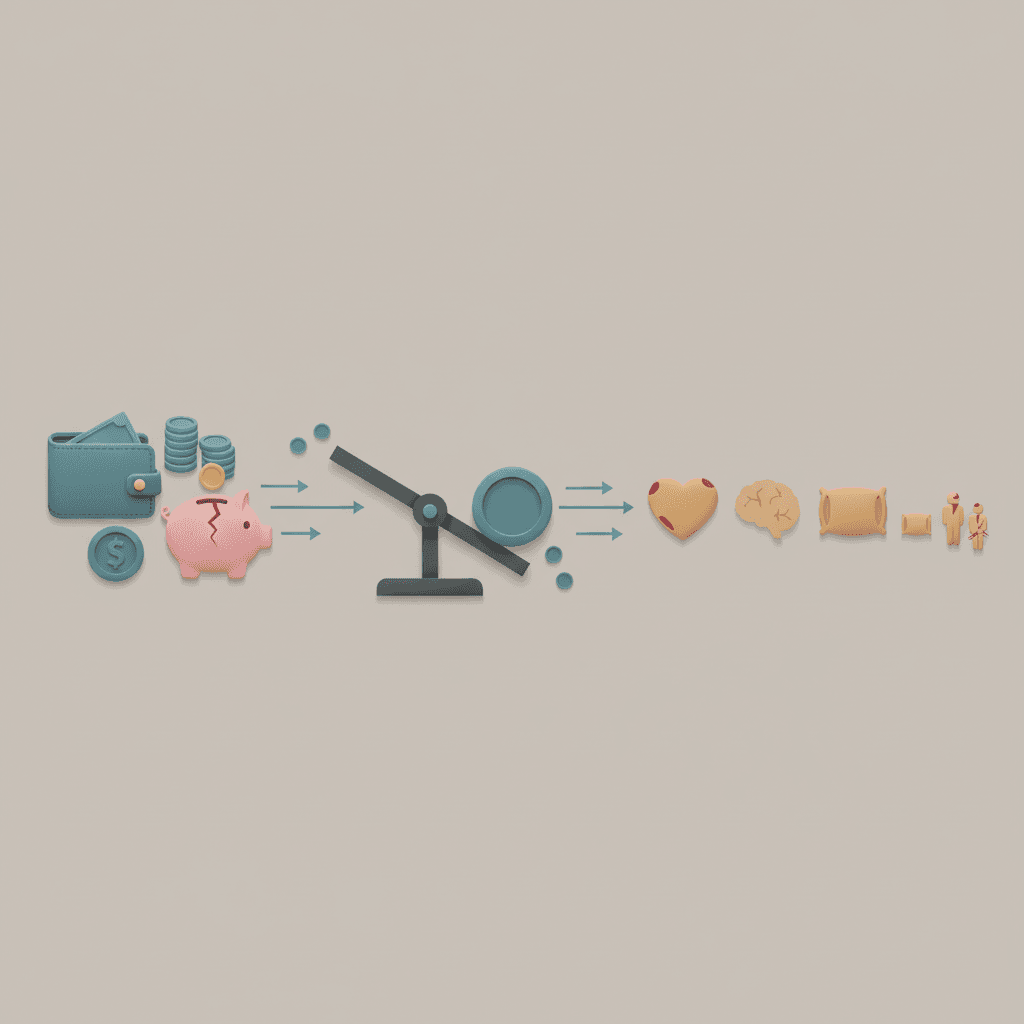
This approach is for ordinary, human stress overload: too much to do, too many roles, not enough recovery. It helps you cope and change habits, but it is not a fix for structural problems like unsafe workplaces, chronic sleep loss, financial instability, or ongoing trauma. In those cases skills can ease daily strain, but they should not be used to tolerate what should be changed.
If stress symptoms are persistent or severe, or include panic, depression, or trauma reactions, seek professional support. Therapy and skills training often work together.
Why resilience matters
Building resilience is not about becoming unbothered. It is about getting better at three things: noticing earlier, recovering faster, choosing responses you respect.
If you practice one thing from this article, make it the two-minute downshift. It will not fix your life, but it will change the trajectory of the next ten minutes. That is how resilience is built, one ordinary moment at a time.