

Motivation as environment
When someone says, "My team is unmotivated," the usual instinct is to look at people. You check attitudes, grit, or commitment. That is often the wrong first step.
Motivation at work usually changes quickly with the conditions people experience every day. It rises and falls with whether the work feels meaningful, whether expectations are clear, whether feedback is fair, and whether effort is noticed.
A useful manager mindset is this: Motivation is often a signal about the environment, not a permanent trait of the employee.
What motivation is
At work, motivation answers a simple question: why should I invest effort here, today?
That "why" can come from different sources. Some reasons create steady, self-renewing energy. Others produce brittle compliance that collapses under stress.
Self-determination theory groups motivation into three types. Autonomous motivation is acting because the work is meaningful or chosen. Controlled motivation is acting because of pressure or reward. Amotivation is a lack of intent because the work seems pointless.
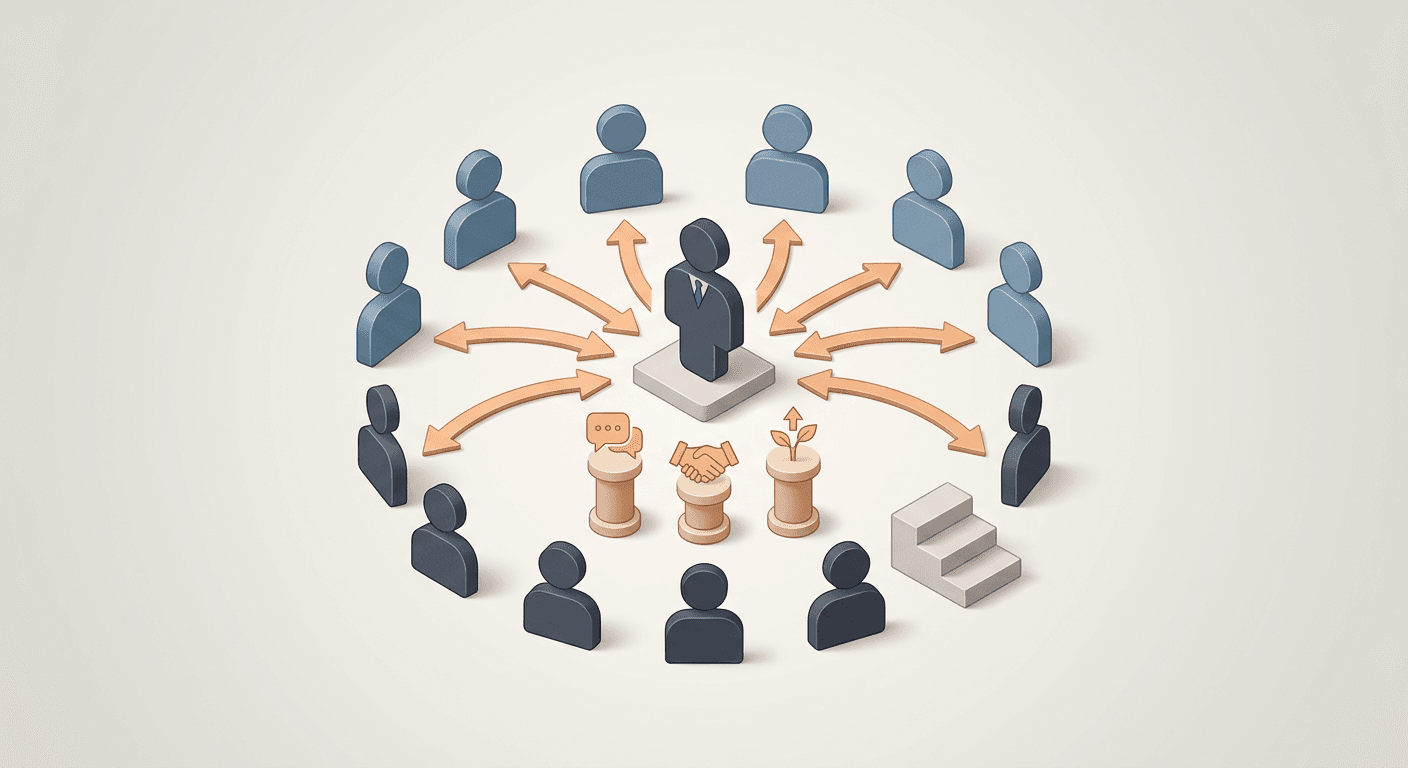
Mechanically, when people experience autonomy, competence, and relatedness, the brain treats effort as worthwhile. When those needs are blocked, effort feels costly or unsafe. So a manager's job is not to "pump motivation into people." It is to remove conditions that drain it and build conditions that support those needs.
Support autonomy
Autonomy is not "do whatever you want." In most teams it looks like: I understand the goal, I have some choice in how to reach it, and I can use my judgment.
When autonomy is present, motivation shifts from compliance to ownership. People go beyond the minimum because the work feels like something they are participating in, not something being done to them.
Autonomy in practice
Autonomy support is mostly about how you communicate. Give a clear why, then offer structured choice.
For example: Instead of saying, "We need this by Friday. Just follow the template," try, "We need this by Friday because it unblocks the customer launch. Use the template if it helps, but choose the format that best communicates the risks and the plan."
That change does two things. It creates meaning, which increases internal justification for effort. It also reduces signals of coercion, which lowers defensive resistance.
A quick intervention
Pick one recurring task people treat as a chore, like a weekly report. In a team meeting ask two questions: what decision is this report supposed to support, and what is the simplest format that still supports that decision. Then let the team redesign it. This is not indulgence. It makes effort feel purposeful.
Support competence
Competence is not about being the best. It is the felt sense that I can make progress here. Motivation drops when people cannot tell if they are doing well, cannot see progress, or keep getting surprised by shifting standards. In those conditions effort becomes risky and people protect themselves by disengaging.
Competence needs clarity
Competence grows when people have role clarity, feedback that lets them adjust, and resources that give effort a chance to succeed. A common motivation killer is vague accountability: own this, without success criteria, authority boundaries, or a definition of done.
If you want motivation, you usually want fewer mysteries.
Script for expectations
When assigning work, include these five items in one short paragraph or message: the outcome, the standard of success, constraints, what authority they have, and a checkpoint. For example: "The goal is X. Good looks like Y. We cannot do Z. You can decide A and B, escalate C. Let us review a draft on Wednesday." People often mistake this for micromanagement, but it reduces the need for constant manager intervention because the work is navigable.
Relatedness and trust
Relatedness is the need to feel I belong here and I am not alone in this. Work is a social environment. Motivation rises when people feel safe to ask questions, admit uncertainty, and disagree without punishment. When relatedness is low, the brain treats the workplace as a threat. In threat contexts people conserve energy, hide mistakes, and avoid initiative because initiative increases exposure.
Build relatedness
Relatedness grows from small consistent signals, such as respectful listening, follow-through on commitments, fairness in how work and credit are distributed, and psychological safety in day-to-day interactions. It is less about team-building events and more about being seen and treated as an adult while doing real work.
Recognition that helps
Recognition works best when it points people back to meaning and progress. The problem with some recognition programs is that they turn work into a slot machine. People optimize for praise, not outcomes, and motivation becomes fragile.
Effective recognition is specific about behavior or impact, connects the act to purpose, and reinforces a useful identity, not just output. For example: "You surfaced the integration risk early, which changed our plan and saved the team from a late scramble. That shows the ownership we need." That type of recognition supports both competence and relatedness.
Incentives and limits
Incentives can raise performance, especially when goals are well defined. They are powerful, but they also change what people pay attention to. That can be helpful when the metric is a good proxy for the outcome. It is harmful when the metric is gameable, narrow, or encourages short-termism.
A practical rule is to use incentives to amplify a healthy system, not to compensate for a broken one. If people do not trust leadership, do not understand priorities, or feel punished for mistakes, incentives often increase anxiety and politics.
Manager checklist
If you only make one pass at improving motivation, do these things. These are levers that change the underlying mechanism.
-
Remove pointless effort. Audit recurring meetings, reports, approvals, and tools. Pointless work creates amotivation because people cannot justify the cost of attention. Removing it often raises motivation without any "motivation initiative."
-
Create role and decision clarity. Write down what outcomes each role owns, what decisions they can make without permission, and what standards define good work. Ambiguity drains motivation because progress is hard to measure.
-
Give autonomy in the how, not confusion in the what. Set a clear goal, then let people choose their method. Autonomy without direction feels like abandonment. Direction without autonomy feels like control.
-
Build short feedback loops. Waiting until the end of a project to give feedback makes competence feel unstable. Quick drafts and midpoints make effort feel safer and more productive.
-
Make fairness visible. Fairness is a motivation multiplier. People do not need perfect outcomes, but they do need to understand how decisions are made about promotions, pay changes, evaluations, and workload distribution. Opacity fuels stories, and stories fuel disengagement.
Unknowns and context
Motivation research is strong on patterns but weaker on universal recipes. Industry, job type, culture, and baseline working conditions matter. A sales team with clear metrics will respond differently than a research team doing exploratory work. Remote and hybrid contexts add complexity around relatedness and feedback cadence.
Even within the same team, what motivates one person can exhaust another. The goal is not a single best practice. It is a manager who can notice which psychological need is blocked and redesign the environment accordingly.
Measuring progress
You do not need a complicated motivation dashboard. Start with three simple signals and track them monthly: "I know what is expected of me," "I have enough autonomy to do my job well," and "I feel respected and listened to at work." Pair those signals with outcomes you already care about, such as retention, internal mobility, quality metrics, customer satisfaction, and delivery reliability.
Motivation is not just a feeling, it leaves operational fingerprints. When the work environment supports autonomy, competence, and relatedness, motivation becomes less fragile. People do not need to be pushed as often because effort starts to make sense again.